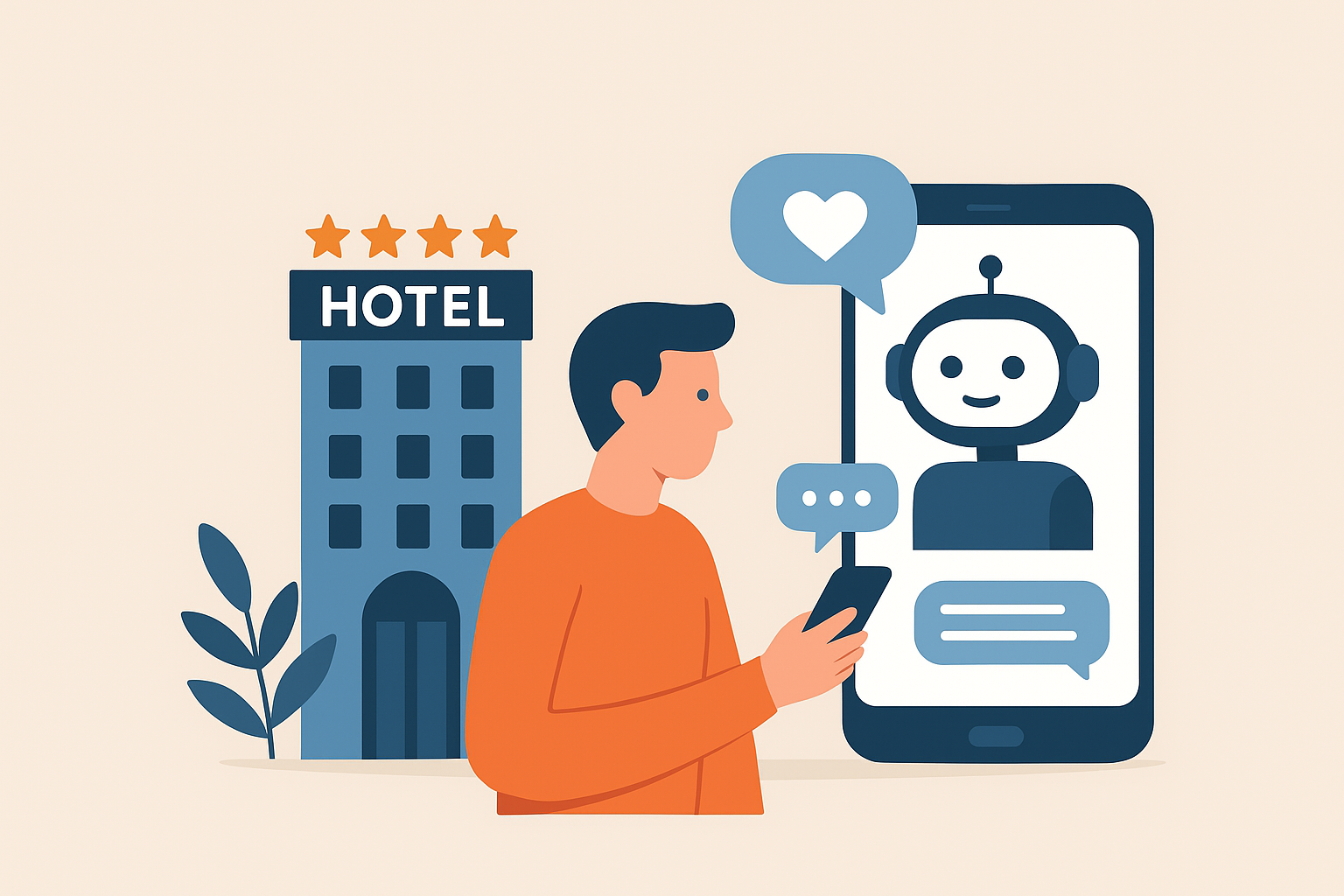

In today’s fast-paced hospitality industry, hotel chatbots are becoming the backbone of guest engagement and customer satisfaction. From handling bookings to answering queries instantly, these AI-powered assistants are transforming how hotels operate. With personalized responses, multilingual support, and seamless 24/7 assistance, hotel chatbots are enhancing efficiency, reducing costs, and improving the guest experience like never before. As technology advances, integrating smart chatbot systems is no longer optional—it’s essential for hotels aiming to stay competitive in 2025 and beyond.
Introduction
The hospitality industry is evolving at a remarkable pace, and one of the most influential changes in recent years has been the integration of AI-driven chatbots into hotel operations. These intelligent digital assistants are redefining guest interactions, simplifying hotel management, and enhancing the overall customer experience. Hotel chatbots are not just a trend—they are a powerful tool reshaping the future of guest engagement. Whether it’s responding to guest inquiries in seconds, assisting with room bookings, or providing local recommendations, chatbots are ensuring guests feel connected, informed, and valued throughout their stay.
At Chattbotz, we understand how crucial guest satisfaction and operational efficiency are to a hotel’s success. Our AI chatbot solutions are designed to deliver both—bridging the gap between technology and hospitality. As we explore the power and potential of hotel chatbots, you’ll see how this technology is revolutionizing the entire guest experience while driving profitability and loyalty for hotel businesses worldwide.
The Rise of AI in the Hospitality Industry
The hospitality sector has always been about people—creating memorable experiences, offering comfort, and providing exceptional service. However, as technology evolves, the way hotels deliver these experiences has dramatically changed. Artificial Intelligence (AI) is now at the heart of this transformation, offering tools that streamline communication, automate operations, and personalize guest interactions. Among these innovations, hotel chatbots stand out as one of the most impactful.
Over the last few years, AI has become an integral part of the hospitality landscape. From AI-powered booking engines to virtual concierges, hotels are embracing intelligent automation to meet rising guest expectations. Chatbots, in particular, have gained immense popularity because they bridge the gap between technology and personalized service. They allow hotels to provide instant responses, reduce wait times, and ensure that guests feel attended to 24/7—even when human staff are unavailable.
This shift is not just about convenience; it’s about redefining efficiency and engagement. Hotels that adopt AI-driven chatbots experience higher guest satisfaction rates, better conversion ratios on direct bookings, and improved staff productivity. Moreover, chatbots help hotels collect valuable data on guest preferences, which can be used to craft personalized offers and marketing campaigns. As we move into 2025, the rise of AI in hospitality signifies a future where automation and empathy coexist to deliver extraordinary experiences.
What Exactly Is a Hotel Chatbot?
A hotel chatbot is an AI-powered virtual assistant designed to interact with guests via messaging platforms, websites, or mobile apps. These bots use Natural Language Processing (NLP) and machine learning algorithms to understand, process, and respond to human language in real time. The primary goal is to make communication between hotels and guests smoother, faster, and more efficient.
Unlike traditional customer service systems, chatbots are available 24/7, ensuring guests can access support whenever they need it. They can handle a wide range of tasks, such as answering frequently asked questions, confirming bookings, modifying reservations, and even upselling hotel services like spa treatments or room upgrades. Modern hotel chatbots can also integrate with property management systems (PMS) and booking engines, providing seamless automation that improves operational efficiency.
What makes hotel chatbots so valuable is their adaptability. They can be programmed to reflect a hotel’s tone, branding, and service standards, ensuring that every interaction feels authentic. Additionally, multilingual capabilities allow them to communicate with guests from different countries without language barriers. In essence, a hotel chatbot is not just a tool—it’s a digital concierge that enhances the entire guest journey from pre-booking to post-stay feedback.
How Hotel Chatbots Are Changing the Guest Experience
In the past, guests often had to wait on hold or visit the reception desk for simple queries like check-in times or Wi-Fi passwords. Today, hotel chatbots have changed that entirely. These AI-driven assistants provide instant answers to common questions, allowing guests to enjoy a smoother and more convenient experience. The integration of chatbots means that every guest can receive personalized attention—without delays or frustration.
For instance, before arrival, a chatbot can help a guest confirm bookings, recommend nearby attractions, and even offer upgrades based on preferences. During the stay, it can handle room service orders, maintenance requests, or provide information about amenities. After check-out, it can request feedback, offer loyalty rewards, or promote future booking discounts. This creates a 360-degree guest engagement loop that strengthens brand loyalty and enhances customer satisfaction.
The best part is that hotel chatbots are constantly learning. Using AI and machine learning, they analyze guest behavior and feedback to improve responses over time. As a result, each interaction becomes smarter, more contextual, and more human-like. This evolution represents a fundamental shift in how hotels deliver hospitality—one where technology enhances, rather than replaces, the human touch.
Key Benefits of Implementing Hotel Chatbots
The adoption of hotel chatbots brings a multitude of benefits to both guests and hotel staff. For guests, it means instant communication, convenience, and personalization. For hotel management, it translates into cost savings, operational efficiency, and increased revenue. One of the most significant advantages is the ability to handle repetitive tasks automatically. Instead of overburdening staff with inquiries about availability or check-in times, chatbots manage these interactions seamlessly.
Another major benefit is 24/7 availability. Guests often book or reach out outside of working hours, and a chatbot ensures they always receive timely assistance. This continuous engagement not only improves customer experience but also boosts direct bookings through hotel websites and apps. Furthermore, chatbots can upsell and cross-sell services, encouraging guests to book additional amenities such as spa sessions, dining reservations, or city tours—driving incremental revenue.
For staff, hotel chatbots free up time to focus on more complex and value-driven tasks that require human attention. They reduce burnout and improve productivity by taking over routine communications. Moreover, chatbots provide detailed analytics and insights into guest behavior, helping hotels make data-driven decisions. Ultimately, integrating a hotel chatbot is not just a technological upgrade—it’s a strategic investment that enhances both profitability and guest satisfaction.
Enhancing Communication and Accessibility
Communication is the foundation of every successful hotel experience. Whether it’s a guest requesting room service or inquiring about late check-out, efficient communication determines the quality of service. Hotel chatbots are revolutionizing this aspect by offering guests a direct, fast, and personalized way to communicate with hotels. They provide instant responses, eliminating the frustration of long waiting times, missed calls, or delayed emails. This round-the-clock accessibility creates a seamless bridge between guests and hotel services.
Chatbots can interact through various platforms—such as hotel websites, mobile apps, and even social media channels like WhatsApp, Messenger, and Instagram. This omnichannel communication ensures that guests can reach the hotel using their preferred medium, anytime, anywhere. Moreover, the multilingual capability of AI-driven chatbots makes global hospitality more inclusive, allowing international guests to communicate in their native languages without misinterpretations.
For hotels, the ability to maintain consistent and immediate communication enhances brand reputation. Guests appreciate when their needs are met swiftly and efficiently, and this often leads to higher satisfaction ratings and repeat bookings. Chatbots also ensure that no inquiry goes unanswered, providing detailed and context-aware replies even when the front desk is busy. By bridging communication gaps and offering uninterrupted guest support, hotel chatbots have become indispensable in delivering exceptional hospitality experiences in 2025.
Hotel Chatbots and the Art of Personalization
In the hospitality industry, personalization is the secret ingredient that turns a good stay into an unforgettable one. Guests no longer seek generic experiences—they want hotels to understand their preferences, habits, and expectations. This is where hotel chatbots play a transformative role. Powered by Artificial Intelligence (AI) and machine learning, chatbots analyze guest data, preferences, and behavior to deliver tailored recommendations that enhance every stage of the guest journey.
For example, if a returning guest previously booked a spa package, the chatbot can automatically suggest similar services during their next stay. Similarly, if a guest prefers a sea-view room, the system can remember and prioritize that preference for future bookings. These subtle touches create a sense of familiarity and care, strengthening emotional connections between the guest and the brand. Hotel chatbots not only simplify communication but also make each interaction feel personal and genuine.
Moreover, personalization goes beyond recommendations. Chatbots can greet guests by name, wish them on birthdays, offer customized discounts, and even adapt their tone based on guest mood or inquiry type. This deep level of personalization builds loyalty and increases conversion rates. As more hotels embrace AI personalization technology, chatbots will continue to redefine what it means to deliver a truly guest-centric experience in hospitality.
Streamlining Hotel Operations and Staff Productivity

Behind the scenes of every smooth guest experience lies a well-coordinated team. However, managing multiple requests simultaneously can overwhelm hotel staff, especially during peak seasons. Hotel chatbots alleviate this burden by automating routine tasks, allowing human employees to focus on complex responsibilities that require empathy, creativity, and critical thinking. This balance between automation and human interaction enhances overall efficiency.
A hotel chatbot can instantly respond to hundreds of inquiries—something impossible for human staff to achieve simultaneously. For example, while the chatbot handles check-in confirmations, FAQ responses, and room availability questions, staff can focus on delivering personalized service on-site. This division of labor results in faster response times, reduced operational errors, and improved team productivity.
Additionally, hotel chatbots can integrate with Property Management Systems (PMS) and Customer Relationship Management (CRM) tools to synchronize data in real-time. This ensures that staff always have access to updated guest information, room statuses, and preferences. By automating the routine and streamlining workflows, chatbots help hotels save costs and enhance staff satisfaction. In essence, these intelligent assistants act as silent partners—working tirelessly behind the scenes to ensure guests receive impeccable service without overburdening employees.
Boosting Direct Bookings and Reducing OTA Dependency
In the competitive world of online travel, hotels often rely heavily on Online Travel Agencies (OTAs) like Booking.com or Expedia. While OTAs help generate bookings, they also charge significant commission fees that reduce hotel profits. One of the most powerful advantages of hotel chatbots is their ability to encourage direct bookings through the hotel’s own website or app, thereby reducing dependency on third-party platforms.
By engaging visitors instantly when they land on the website, chatbots can answer pricing questions, offer promotions, and guide them through the booking process. The conversational style makes booking easier and more engaging, significantly lowering abandonment rates. AI-powered chatbots can even recognize repeat visitors and offer them loyalty discounts or special room upgrades to encourage direct reservations.
Furthermore, chatbots can be integrated with secure payment systems, enabling guests to complete transactions directly within the chat interface. This reduces friction and enhances trust in the hotel’s booking process. Over time, as hotels collect valuable data through chatbot interactions, they can refine their marketing strategies to attract more direct traffic. By implementing a smart chatbot solution, hotels can improve profitability, build stronger customer relationships, and reclaim control over their booking ecosystem.
24/7 Availability: The Key to Guest Satisfaction
In hospitality, timing is everything. A guest’s experience can dramatically shift based on how quickly their needs are met. Hotel chatbots excel in delivering instant, round-the-clock assistance—something traditional customer service systems often fail to achieve. Whether it’s midnight in New York or morning in Tokyo, guests expect immediate answers, and chatbots make this possible by offering 24/7 service availability.
Imagine a guest arriving late at night who wants to know about nearby restaurants or needs a replacement key card. Instead of waiting for staff to respond, the chatbot can instantly provide directions, restaurant recommendations, or alert the front desk for assistance. This real-time interaction ensures that every query—no matter how small—is handled promptly. The result is a significant boost in guest satisfaction and positive reviews.
Moreover, hotel chatbots don’t suffer from fatigue or errors caused by long shifts. They maintain consistent tone, accuracy, and efficiency across every conversation. This consistency builds trust and reliability among guests. In a world where convenience defines customer loyalty, offering 24/7 communication through chatbots is no longer a luxury—it’s a necessity. Hotels that prioritize constant availability stand out as brands that genuinely care about their guests’ time and comfort.
Multilingual Support: Bridging Global Communication Gaps
The hospitality industry serves a diverse global audience, and one of the biggest challenges hotels face is overcoming language barriers. Whether guests are from Europe, Asia, or the Middle East, effective communication is key to delivering exceptional service. Hotel chatbots with multilingual capabilities have become the perfect solution for bridging this gap, offering seamless communication in multiple languages without the need for additional staff or translators.
A multilingual chatbot can detect the user’s preferred language automatically and switch its responses accordingly. This not only eliminates misunderstandings but also enhances guest comfort and confidence. Imagine a guest from Japan booking a stay in London—they can chat, ask questions, and receive detailed answers entirely in Japanese. This level of personalized communication ensures inclusivity and convenience for guests worldwide.
For hotels, implementing a multilingual chatbot also opens doors to new international markets. It allows them to engage with travelers who might have avoided booking previously due to language challenges. Additionally, the chatbot can promote local services and experiences in the guest’s own language, making it easier to upsell amenities or excursions. As global travel continues to expand, multilingual hotel chatbots are not just an added feature—they’re a strategic necessity that redefines how hotels connect with their guests on a global scale.
Hotel Chatbots and Data Security
In an era where digital communication dominates guest engagement, data privacy and security have become paramount concerns. Guests share sensitive information such as personal details, credit card data, and booking preferences through chat interfaces. Therefore, implementing hotel chatbots requires a strong focus on data protection and cybersecurity. Modern chatbot platforms come equipped with end-to-end encryption, ensuring that all conversations and transactions are securely protected.
Hotel chatbots designed with GDPR and data compliance standards help maintain transparency and trust. They are built to handle sensitive data responsibly, preventing unauthorized access or leaks. By maintaining secure authentication systems, chatbots verify user identities before performing tasks such as booking modifications or payments. This helps hotels avoid potential risks associated with fraud or data misuse.
Additionally, advanced hotel chatbots can detect suspicious activity using AI-based threat monitoring, immediately alerting administrators of any potential breach attempts. Beyond security, data privacy also enhances brand reputation. Guests are more likely to engage and share information when they feel safe. In 2025, secure hotel chatbot systems are no longer optional—they are a fundamental part of digital transformation strategies that ensure both compliance and customer trust. When properly integrated, they deliver the perfect blend of convenience, personalization, and security.
Integration with Hotel Management Systems
A hotel chatbot is most powerful when integrated with the broader ecosystem of hotel operations. The ability to connect with systems like Property Management Systems (PMS), Customer Relationship Management (CRM), and booking engines allows for seamless automation and synchronized workflows. This integration transforms the chatbot from a simple communication tool into a centralized digital assistant capable of managing end-to-end guest interactions efficiently.
For example, when integrated with a PMS, the chatbot can instantly check room availability, update bookings, or share check-in details without human intervention. Similarly, with CRM integration, it can access guest history and tailor recommendations based on previous stays. These real-time interactions enhance personalization and make hotel operations faster and more intelligent.
Integration also helps with analytics and reporting. Chatbots can collect and organize data from multiple systems, offering insights into guest preferences, service performance, and sales trends. This data empowers hotel managers to make informed decisions and improve operations continuously. In short, the integration of chatbots with hotel management systems creates a connected digital ecosystem—one that enhances service delivery, reduces manual work, and drives greater profitability. It represents the future of intelligent hotel management, where automation and human touch work together harmoniously.
Upselling and Cross-Selling Through Hotel Chatbots
One of the most impactful uses of AI-powered hotel chatbots lies in their ability to drive revenue through upselling and cross-selling. By analyzing guest behavior and preferences, chatbots can recommend relevant services at the right time, increasing the likelihood of conversions. Whether it’s suggesting a premium room upgrade, offering a dinner reservation, or promoting a spa session, chatbots are masters at presenting appealing offers conversationally.
Unlike traditional sales tactics, chatbot recommendations feel natural and unobtrusive. For instance, when a guest books a room, the chatbot might suggest an ocean-view upgrade with a small additional fee or promote local attractions nearby. These subtle prompts can lead to significant increases in per-guest spending. Additionally, AI-driven chatbots learn from each interaction, refining their recommendations to make them more accurate and personalized over time.
Hotels can also schedule special promotional messages through chatbots, targeting guests during optimal moments—such as before check-in or after check-out—to encourage purchases. This proactive approach not only boosts sales but also enhances the guest experience by introducing them to amenities they might have otherwise missed. As the hospitality industry evolves, chatbots will play a crucial role in creating new automated revenue streams while maintaining authentic guest relationships.
Reducing Operational Costs with AI Automation
Running a hotel involves managing multiple departments—from front desk operations and housekeeping to reservations and customer support. Maintaining large teams to handle every inquiry can be costly and inefficient. This is where hotel chatbots prove invaluable. By automating repetitive communication and administrative tasks, chatbots significantly reduce operational costs without compromising service quality.
A chatbot can handle thousands of conversations simultaneously, something impossible for a human team to achieve. It answers common questions, processes booking modifications, and even manages payment confirmations—all without requiring manual input. This leads to lower staffing requirements, reduced training expenses, and fewer human errors. For smaller hotels or boutique properties, AI automation is a game-changer that allows them to compete with larger brands while keeping costs manageable.
Moreover, automation extends beyond guest interaction. Chatbots can assist internal staff by providing quick access to operational data, such as room occupancy rates or maintenance updates. By improving efficiency across departments, hotels can allocate resources more effectively and reinvest savings into enhancing guest experiences. Ultimately, integrating chatbots into daily operations ensures a perfect balance of cost-efficiency, accuracy, and guest satisfaction, making them an essential component of the modern hotel ecosystem.
Collecting Guest Feedback and Improving Service Quality
Feedback is the heartbeat of the hospitality industry. It helps hotels understand guest satisfaction levels, identify service gaps, and continuously improve their operations. Traditionally, hotels relied on surveys or feedback cards, but these methods were often inconvenient or ignored by guests. Enter hotel chatbots—the smarter, faster, and more engaging way to collect feedback.
AI-powered hotel chatbots can automatically prompt guests to share their opinions after check-out, room service, or a specific interaction. This real-time feedback collection ensures higher response rates because it feels conversational rather than forced. Guests can quickly rate their experience, describe issues, or share compliments directly in the chat. Since these responses are instant, management can act immediately on negative feedback before it escalates.
Moreover, chatbots can analyze feedback sentiment using Natural Language Processing (NLP), categorizing comments into positive, neutral, or negative tones. This data helps hotel managers identify recurring problems—like housekeeping delays or dining dissatisfaction—and take corrective action. Additionally, chatbot-driven feedback allows for personalized thank-you messages or follow-up offers to retain happy guests.
By automating the feedback process, hotels save time, increase data accuracy, and maintain consistent quality standards. Hotel chatbots are not just communication tools—they’re instruments of continuous improvement that help hotels refine their services, exceed guest expectations, and maintain a strong reputation in the competitive hospitality market.
The Role of Chatbots in Sustainable Hospitality

Sustainability has become a major focus for the modern hospitality industry. Hotels are actively adopting eco-friendly technologies and reducing waste to meet global sustainability goals. Surprisingly, hotel chatbots contribute significantly to this effort by reducing the dependency on paper, energy, and unnecessary communication overhead. Their digital nature aligns perfectly with the vision of green hospitality.
For example, instead of printing brochures, guides, or feedback forms, chatbots deliver all this information digitally. They can share menus, event schedules, and promotional offers directly through messages—saving thousands of pages annually. This small yet impactful change reduces the hotel’s carbon footprint. Additionally, chatbots promote energy-efficient management by automating check-ins, sending digital keys, and optimizing service requests to minimize resource waste.
Another crucial aspect of sustainability is awareness. Chatbots can educate guests about eco-friendly practices, such as towel reuse policies or energy conservation tips during their stay. They can also share sustainability initiatives the hotel is participating in, creating an emotional connection between the guest and the brand.
In the long run, integrating AI-driven hotel chatbots supports both operational efficiency and environmental responsibility. They help hotels transition toward a sustainable digital ecosystem, enhancing brand reputation among eco-conscious travelers while contributing to a greener planet.
Future Trends: How Hotel Chatbots Will Evolve by 2030
As we approach the next decade, the capabilities of hotel chatbots will evolve beyond imagination. By 2030, we’ll witness chatbots becoming more intuitive, emotionally intelligent, and deeply integrated into the Internet of Things (IoT) and smart hospitality ecosystems. These next-generation AI assistants will not only understand guest requests but also anticipate them before they are made.
For example, an advanced chatbot could detect that a guest has checked into their room and automatically adjust room temperature, lighting, and music based on their preferences. With the help of predictive analytics, it could recommend dinner reservations or spa appointments even before the guest thinks about them. This kind of hyper-personalization will redefine comfort and convenience in hospitality.
Moreover, voice-enabled chatbots will dominate guest interactions. Instead of typing messages, guests will simply speak to the chatbot using voice commands integrated into hotel apps or smart devices. Chatbots will also collaborate with other AI tools like translation engines, payment gateways, and smart room systems, creating a unified digital concierge experience.
The future of hotel chatbots lies in their ability to merge automation with emotional intelligence. They will not just respond—they will empathize, understand context, and create experiences that feel genuinely human. For hotels, adopting these innovations early means staying ahead in a rapidly transforming industry where technology and hospitality walk hand in hand.
Overcoming Challenges in Implementing Hotel Chatbots
While the benefits of hotel chatbots are undeniable, successful implementation requires careful planning and continuous optimization. One of the biggest challenges hotels face is selecting the right chatbot platform that aligns with their goals and infrastructure. Not all chatbots are created equal—some may lack language support, integration flexibility, or customization features. Choosing the wrong solution can lead to poor guest experiences and reduced ROI.
Another common challenge is ensuring that chatbots maintain a human-like tone. Guests should never feel like they’re talking to a machine; interactions should be natural, friendly, and aligned with the hotel’s brand personality. To achieve this, hotels must regularly train their chatbot using real guest conversations and update it with new scenarios. AI training and refinement play a vital role in delivering accurate and empathetic responses.
Integration hurdles can also arise when connecting chatbots with PMS, CRM, or third-party systems. This is why working with a reliable chatbot provider who offers customization, technical support, and continuous updates is essential. Additionally, hotels must educate staff on how to collaborate effectively with the chatbot system rather than view it as competition.
Ultimately, overcoming these challenges requires a long-term vision. When executed properly, hotel chatbots become powerful digital partners that elevate guest satisfaction, operational excellence, and brand reputation.
Conclusion
The hospitality industry is entering a new era where technology and human connection coexist in perfect harmony. Hotel chatbots are leading this transformation by making guest interactions seamless, personalized, and efficient. From automating bookings and providing multilingual support to gathering feedback and promoting sustainability, chatbots have become the cornerstone of modern hotel management.
At Chattbotz, we believe that innovation should empower hospitality professionals—not replace them. Our intelligent chatbot solutions are designed to enhance guest experiences while optimizing hotel operations for maximum efficiency. As the future unfolds, AI-driven hotel chatbots will continue to evolve, offering smarter, faster, and more personalized services that redefine what exceptional hospitality truly means.
The message is clear: adopting chatbots isn’t just a technological upgrade—it’s an essential step toward building a future-ready, customer-centric, and profitable hotel business in 2025 and beyond.