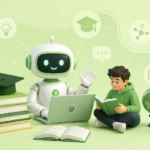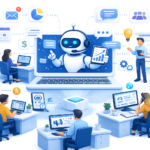
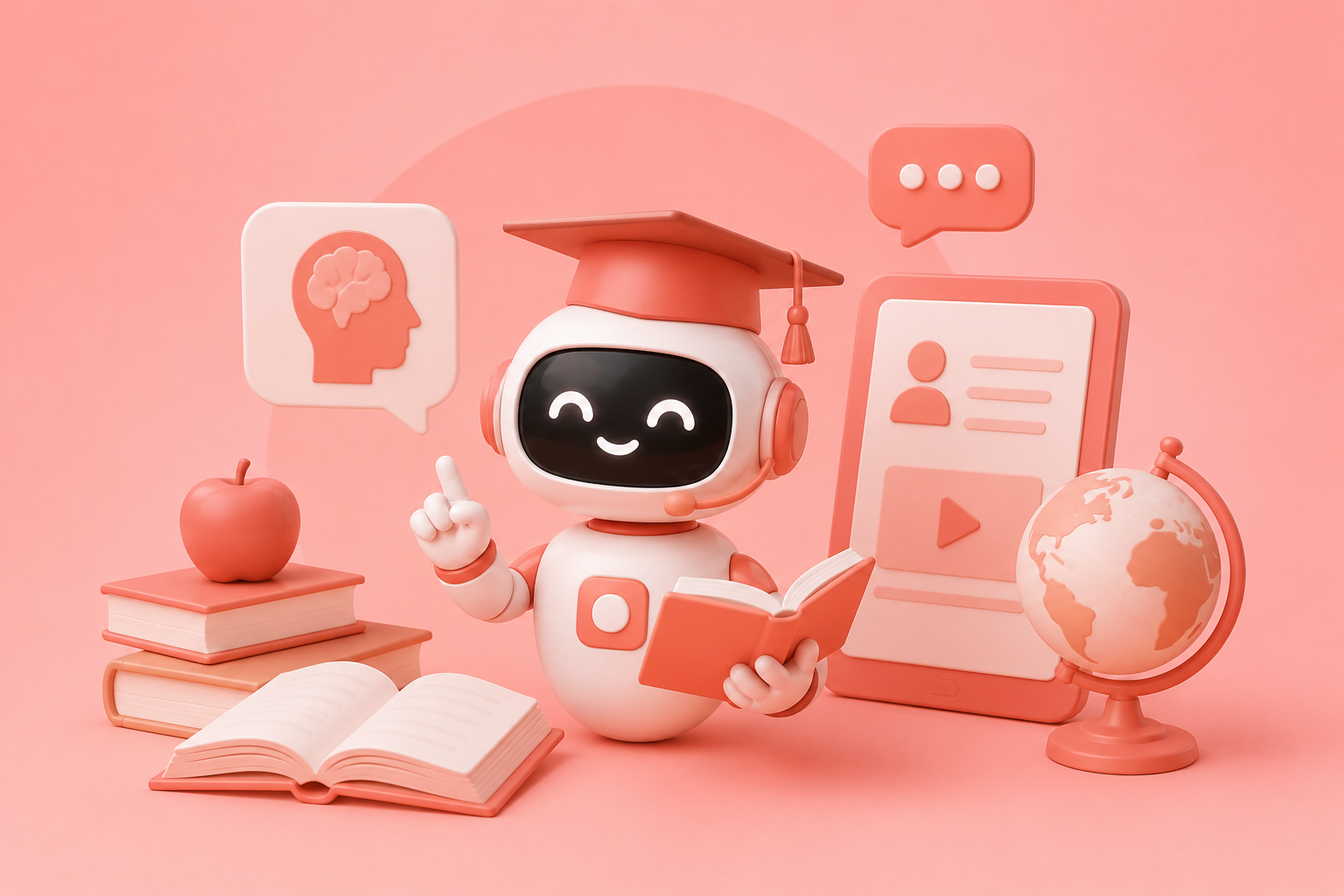

Discover how an Education Chatbot is transforming digital learning through AI-powered student support, automated academic assistance, personalized tutoring, enrollment automation, and 24/7 educational engagement for schools, colleges, universities, and eLearning platforms.
Introduction
The education industry is evolving rapidly as institutions, educators, and online learning platforms embrace artificial intelligence to improve learning experiences and streamline academic operations. One of the most impactful innovations driving this transformation is the rise of the Education Chatbot. These AI-powered virtual assistants are helping schools, colleges, universities, and eLearning businesses automate communication, improve student engagement, and provide instant academic support at scale.
Modern students expect fast responses, personalized learning experiences, and digital accessibility. Traditional support systems often struggle to meet these expectations due to limited staff availability, increasing enrollment numbers, and administrative workloads. This is where intelligent chatbot systems become valuable. By integrating conversational AI into educational platforms, institutions can deliver instant assistance for admissions, coursework, scheduling, assessments, student onboarding, and technical support.
At ChattBotz, businesses and educational organizations are exploring advanced AI chatbot technologies to modernize communication and enhance student experiences. As artificial intelligence continues to reshape digital education, implementing an education chatbot is becoming less of an option and more of a competitive necessity for future-ready institutions.
What Is an Education Chatbot?
An Education Chatbot is an AI-powered conversational system designed specifically for educational environments. It interacts with students, parents, teachers, and administrators through messaging interfaces, websites, mobile apps, or learning management systems. These chatbots use technologies such as natural language processing (NLP), machine learning, and automation to answer questions, guide users, and deliver educational assistance in real time.
Unlike traditional FAQ systems, modern education chatbots can understand context, personalize responses, and continuously improve through user interactions. They can handle admissions inquiries, class scheduling, exam reminders, assignment assistance, fee payment guidance, attendance notifications, and much more. Some advanced systems even function as AI tutors capable of recommending study resources and helping students understand academic concepts.
Educational institutions increasingly rely on AI-driven systems because they reduce repetitive administrative tasks while improving response times and operational efficiency. According to <u>Google’s AI principles</u>, responsible AI systems should focus on usefulness, safety, and accessibility. Educational chatbot systems align with these goals by offering scalable support and improving access to information. Official guidance from Google AI Principles emphasizes building AI systems that assist users responsibly and effectively.
The flexibility of education chatbots also makes them highly adaptable across different educational models. Schools can use them for parent communication, universities can automate admissions workflows, and online learning platforms can provide instant learner support globally. This adaptability is one of the reasons why conversational AI is becoming central to digital education strategies worldwide.
Why Education Chatbots Are Becoming Essential in Modern Learning
Educational institutions are under increasing pressure to deliver personalized experiences while managing growing operational demands. Students now expect digital-first communication similar to what they experience with modern online services. Education chatbots help bridge this gap by providing instant, intelligent, and scalable interaction across multiple academic touchpoints.
One major reason for the growing adoption of chatbots is the demand for 24/7 support. Students often need assistance outside traditional office hours, especially in online and remote learning environments. AI-powered chatbots ensure learners receive immediate answers regardless of time zones or staffing limitations. This improves student satisfaction while reducing dependency on manual support teams.
Another important factor is administrative efficiency. Institutions spend significant time handling repetitive inquiries about admissions, deadlines, schedules, assignments, tuition, and technical support. Chatbots automate these repetitive tasks, allowing faculty and administrative staff to focus on higher-value educational responsibilities. This operational optimization can significantly reduce workload pressures while improving communication consistency.
The growth of hybrid and online learning has further accelerated chatbot adoption. Digital education platforms require scalable engagement tools capable of handling thousands of simultaneous users. AI chatbots support this scalability by managing conversations, delivering learning assistance, and guiding students throughout their academic journeys. Educational organizations seeking digital transformation often align chatbot implementation with broader automation strategies recommended by trusted technology authorities such as Google for Education.
Key Features of a Powerful Education Chatbot
An effective education chatbot must go beyond basic messaging functionality. Modern AI-powered educational assistants require advanced features that support learning, automation, personalization, and operational efficiency. Institutions that implement feature-rich chatbot systems are more likely to improve student engagement and educational outcomes.
One essential feature is natural language processing (NLP). NLP allows chatbots to understand user intent, conversational context, and varying question formats. Students may ask similar questions in different ways, and NLP enables the chatbot to respond accurately. Advanced NLP also supports multilingual communication, making educational platforms more accessible to diverse student populations.
Another critical capability is personalized learning support. Intelligent chatbots can track student behavior, course progress, learning preferences, and academic performance to deliver customized recommendations. For example, a chatbot may suggest study materials, remind students about deadlines, or provide targeted revision assistance based on previous interactions. This level of personalization enhances learning engagement and retention.
Integration capabilities are equally important. High-performing education chatbots should connect seamlessly with learning management systems (LMS), student information systems (SIS), CRMs, and communication platforms. Integration ensures that students receive real-time information while institutions maintain centralized data management. Educational technology best practices promoted by Google Cloud Education Solutions emphasize secure, scalable, and connected digital learning ecosystems.
Additional valuable features include:
- Automated notifications and reminders
- Voice interaction capabilities
- AI-driven tutoring support
- Attendance tracking assistance
- Enrollment automation
- Analytics and reporting dashboards
- Secure authentication systems
- Omnichannel communication support
When combined, these features create a highly efficient educational support environment capable of serving students more effectively than traditional communication systems alone.
How AI-Powered Education Chatbots Improve Student Engagement

Student engagement is one of the most important factors influencing academic success, retention, and satisfaction. Traditional communication methods often fail to maintain continuous interaction with learners, particularly in online education environments. AI-powered education chatbots address this challenge by creating dynamic, interactive, and personalized communication experiences.
One of the most effective engagement strategies involves instant responsiveness. Students are more likely to stay motivated when they receive immediate assistance rather than waiting hours or days for responses. Chatbots eliminate communication delays by answering questions instantly, guiding students through academic processes, and providing continuous support throughout their learning journey.
Personalization also plays a major role in engagement improvement. Modern AI systems analyze user behavior and learning patterns to deliver tailored recommendations. A chatbot may remind a student about incomplete assignments, suggest relevant learning resources, or encourage participation in specific activities based on academic performance. These personalized interactions create a more connected and supportive educational experience.
Gamification features integrated into chatbot systems can further boost engagement levels. Educational chatbots may include quizzes, achievement badges, interactive learning exercises, and progress tracking mechanisms. These elements make learning more interactive and enjoyable, particularly for younger students and online learners. Research from Google re:Work Learning Resources highlights the importance of continuous engagement and feedback in improving learning performance and knowledge retention.
Additionally, education chatbots help reduce student frustration. Navigating academic systems can be confusing, especially for new students. Chatbots simplify processes such as course registration, assignment submission, and campus resource navigation. By minimizing confusion and improving accessibility, institutions can create a more positive and engaging educational environment.
The Role of Education Chatbots in Online Learning Platforms
Online education has transformed how people access knowledge, certifications, and academic programs. However, scaling online learning effectively requires robust support systems capable of handling high user volumes while maintaining personalized interactions. Education chatbots have become essential components of successful eLearning ecosystems.
One of the biggest challenges in online learning is maintaining student motivation and communication. Many learners feel isolated in virtual environments due to limited interaction with instructors and peers. AI-powered chatbots help address this issue by providing continuous engagement, reminders, and conversational assistance throughout the learning process.
Chatbots also simplify onboarding for online learners. Many students struggle with navigating digital platforms, accessing course materials, and understanding learning workflows. Intelligent assistants can guide users step by step, answer technical questions, and ensure smoother transitions into online programs. This reduces dropout rates and improves learner satisfaction.
Another major benefit involves scalable academic assistance. Online learning platforms often serve thousands of students simultaneously across multiple regions and time zones. Human support teams alone cannot efficiently manage such demand. Chatbots provide scalable support infrastructure capable of handling large conversation volumes without compromising response speed or consistency.
AI-driven online education systems are increasingly integrated with adaptive learning technologies. These systems analyze learner behavior to customize educational experiences and improve outcomes. Official educational technology initiatives such as Google Classroom demonstrate the growing importance of intelligent digital learning ecosystems designed to improve collaboration, communication, and educational accessibility.
Education chatbots also support microlearning strategies by delivering short lessons, quizzes, and reminders directly through conversational interfaces. This approach enhances knowledge retention while accommodating modern learners who prefer flexible, mobile-friendly educational experiences.
Benefits of Education Chatbots for Schools, Colleges, and Universities
Educational institutions of all sizes are discovering that chatbot implementation offers substantial operational, academic, and financial advantages. From improving communication efficiency to enhancing student satisfaction, education chatbots deliver measurable value across multiple institutional functions.
One of the most significant benefits is administrative automation. Schools and universities handle thousands of repetitive inquiries related to admissions, schedules, fees, deadlines, exams, and campus resources. AI chatbots automate these interactions, reducing administrative workloads and enabling staff to focus on strategic educational priorities rather than repetitive communication tasks.
Cost efficiency is another important advantage. Expanding student support teams can be expensive and difficult to scale, particularly for institutions experiencing enrollment growth. Education chatbots provide scalable support without proportional increases in staffing costs. Institutions can maintain high-quality communication services while optimizing operational budgets.
Educational accessibility also improves significantly through chatbot deployment. Students can access support anytime and from any location, which is especially important for remote learners, international students, and working professionals enrolled in flexible programs. Chatbots help ensure equal access to information and guidance regardless of physical location or office hours.
Institutions also benefit from enhanced data insights. Advanced chatbot systems collect valuable analytics related to student concerns, engagement patterns, frequently asked questions, and service performance. Administrators can use this data to improve academic programs, optimize communication strategies, and identify areas requiring additional support. Digital transformation frameworks promoted by Google Workspace for Education emphasize the importance of data-driven collaboration and communication in modern educational environments.
Additionally, chatbot systems contribute to stronger student retention by improving responsiveness, reducing frustration, and maintaining continuous engagement. Students who feel supported throughout their academic journey are more likely to remain enrolled and complete their programs successfully.
How Education Chatbots Support Admissions and Student Enrollment
Admissions and enrollment processes are among the most communication-intensive functions within educational institutions. Prospective students often have numerous questions related to application requirements, deadlines, tuition fees, financial aid, course availability, scholarships, and campus facilities. Managing these inquiries manually can overwhelm admissions departments and slow response times.
Education chatbots streamline the admissions journey by providing instant assistance throughout every stage of the enrollment process. Prospective students can receive immediate answers to frequently asked questions without waiting for human representatives. This rapid responsiveness improves the user experience and increases the likelihood of successful enrollment conversions.
AI-powered chatbots also help qualify leads by collecting information about prospective students’ interests, academic goals, preferred programs, and eligibility criteria. Institutions can use this data to personalize follow-up communication and improve recruitment strategies. This automated lead nurturing process helps admissions teams focus on high-priority applicants while maintaining consistent engagement across large applicant pools.
Another major advantage involves application guidance. Many students abandon applications because the process feels confusing or time-consuming. Chatbots simplify enrollment workflows by guiding applicants step by step through form submissions, document uploads, payment procedures, and interview scheduling. Automated reminders further reduce incomplete applications and missed deadlines.
Conversational AI can also support multilingual communication, helping institutions attract international students more effectively. Providing accessible and personalized communication improves institutional reputation while enhancing inclusivity. Official accessibility recommendations from Google Accessibility Guidelines reinforce the importance of creating inclusive digital experiences for all users.
Beyond admissions, chatbot systems continue supporting students after enrollment by assisting with orientation, scheduling, onboarding, and academic navigation. This continuity creates a seamless transition from applicant to active learner, improving overall student satisfaction and institutional efficiency.
Personalized Learning Experiences Through AI Chatbots
Personalized education has become one of the most important goals in modern learning environments. Students learn differently, progress at different speeds, and require varying levels of support depending on their academic backgrounds and learning preferences. Education chatbots powered by artificial intelligence are helping institutions deliver highly personalized learning experiences at scale.
Traditional classrooms often struggle to provide individualized attention due to time limitations and large student populations. AI chatbots help bridge this gap by offering customized interactions tailored to each learner’s behavior, interests, and academic performance. These systems analyze data such as learning patterns, quiz results, participation levels, and content engagement to provide targeted assistance.
For example, a chatbot can recommend specific study resources for students struggling with certain subjects while suggesting advanced materials for high-performing learners. This adaptive learning approach improves educational efficiency because students receive support aligned with their actual needs rather than generic instruction. Personalized learning environments often lead to higher engagement, better retention rates, and stronger academic outcomes.
AI chatbots also support self-paced learning models. Students can ask questions, request explanations, review materials, and receive instant feedback whenever needed. This flexibility empowers learners to study according to their own schedules and comfort levels. In online and hybrid learning environments, this type of accessibility becomes especially valuable.
Another important benefit involves emotional and motivational support. Some advanced educational chatbots can identify signs of student disengagement or frustration through interaction patterns. Institutions can then proactively intervene with additional resources, guidance, or instructor support before academic problems escalate. Human-centered digital learning approaches recommended by Google Digital Learning Resources emphasize the value of personalized educational experiences in improving learner success.
As artificial intelligence technologies continue evolving, education chatbots are expected to become even more sophisticated in delivering adaptive, individualized, and data-driven learning experiences across diverse educational environments.
Education Chatbot Use Cases Across Different Educational Sectors
Education chatbots are not limited to one type of institution. Their flexibility allows them to serve schools, colleges, universities, tutoring centers, coaching institutes, corporate training departments, and eLearning platforms. Each educational sector has unique communication challenges, and AI-powered chatbot systems help solve them efficiently.
In schools, chatbots can assist teachers, students, and parents by automating attendance updates, homework reminders, examination schedules, and school announcements. Parents often require quick updates about academic performance, holidays, or classroom activities. A chatbot can deliver instant communication while reducing the workload on administrative staff. Schools also benefit from automated parent engagement, which improves transparency and trust.
Higher education institutions often use chatbots for admissions, financial aid guidance, campus navigation, student onboarding, and academic counseling. Universities managing thousands of students benefit significantly from automated support systems capable of handling repetitive questions at scale. AI chatbots also support international students by providing multilingual communication and 24/7 access to information regarding visas, accommodation, tuition, and enrollment requirements.
For eLearning platforms and online academies, education chatbots play an even larger role. Since digital learners often study independently, chatbots become virtual learning assistants capable of guiding students through lessons, recommending courses, answering technical issues, and maintaining engagement. Corporate education programs also leverage chatbots to automate employee training, certification tracking, and skill development pathways.
The adaptability of conversational AI makes education chatbots highly effective across diverse learning environments. Educational institutions implementing digital transformation strategies increasingly prioritize automation tools that improve communication while maintaining quality educational experiences.
Common Challenges When Implementing an Education Chatbot
Although education chatbots offer substantial benefits, implementation challenges can arise if institutions fail to plan strategically. Successful deployment requires careful attention to user needs, data security, chatbot design, and educational objectives. Institutions that overlook these considerations may experience lower adoption rates and reduced effectiveness.
One of the most common challenges is poor chatbot design. Some organizations deploy overly generic chatbot systems incapable of understanding educational context or student intent. If students repeatedly receive irrelevant or robotic responses, trust declines quickly. Educational chatbots must be designed around real student behavior patterns and academic workflows rather than generic automation templates.
Data privacy and student security also present important concerns. Educational institutions manage sensitive information such as student records, financial data, academic history, and personal details. Secure chatbot implementation should follow recognized privacy and security standards. Guidance from Google Cloud Security Best Practices emphasizes protecting user data through encryption, authentication systems, and responsible access controls.
Another challenge involves system integration. Educational institutions frequently use multiple software solutions such as student information systems, learning management platforms, payment systems, and communication tools. Poor integration can create fragmented experiences and inconsistent information delivery. Institutions should prioritize chatbot solutions capable of seamless integration across digital ecosystems.
User adoption can also become an obstacle if students and staff are not properly introduced to chatbot capabilities. Institutions must educate users about how the chatbot works, what support it offers, and when human assistance remains available. Effective onboarding and clear expectations significantly improve chatbot engagement and long-term success.
Common Mistakes Educational Institutions Make With Chatbots
Many educational institutions invest in chatbot technology but fail to achieve meaningful results because of avoidable mistakes. Understanding these real-world errors helps schools and universities maximize chatbot performance while improving student experiences.
One major mistake is treating chatbots as simple FAQ tools instead of intelligent engagement systems. Educational chatbots should not merely answer repetitive questions. They should actively guide users, personalize learning, recommend resources, automate workflows, and support academic success. Institutions that limit chatbot functionality often miss the full value of conversational AI.
Another frequent issue involves poor content structuring. Chatbots require accurate, updated, and well-organized knowledge bases to provide reliable answers. Outdated admissions requirements, incorrect deadlines, or inconsistent academic information can damage trust and frustrate students. Educational organizations should regularly review chatbot content for accuracy and relevance.
Some institutions also make the mistake of ignoring personalization. Students expect tailored experiences, especially in digital learning environments. Generic responses can reduce engagement and make interactions feel impersonal. AI-driven education chatbots should use student data responsibly to provide customized support, reminders, and recommendations.
Lack of human escalation is another critical error. Even advanced AI systems cannot solve every issue independently. Institutions should ensure students can quickly connect with human advisors when needed. A balanced combination of automation and human support creates stronger educational outcomes.
Finally, failing to measure chatbot performance limits long-term improvement. Institutions should monitor analytics such as response accuracy, engagement rates, student satisfaction, common inquiries, and conversion metrics. These insights help refine chatbot experiences and improve educational effectiveness over time.
Best Practices for Building a High-Performing Education Chatbot
Creating a successful education chatbot requires more than simply adding automated messaging to a website. Institutions must focus on usability, personalization, security, scalability, and educational value. Following best practices significantly increases the likelihood of successful implementation.
First, institutions should clearly define chatbot objectives before development begins. Some organizations prioritize admissions support, while others focus on student engagement, academic assistance, or administrative automation. Clear goals help shape chatbot design, workflows, and performance metrics.
Second, chatbot conversations should remain natural, intuitive, and easy to understand. Educational users include students, parents, faculty, and staff with different communication preferences. Overly technical language can create confusion. Instead, chatbot interactions should remain conversational, supportive, and accessible.
Third, personalization should be prioritized whenever possible. AI-powered chatbots perform better when they adapt responses based on student history, learning preferences, and engagement behavior. Personalized reminders, academic recommendations, and customized support improve satisfaction and educational outcomes.
Security and privacy must also remain central considerations. Institutions should implement authentication systems, secure data storage, and permission controls to protect student information. Following recognized security standards helps build trust and ensures regulatory compliance.
Another important best practice involves continuous optimization. Education chatbots improve over time through user feedback and interaction analysis. Institutions should regularly monitor chatbot performance, identify weak areas, and update workflows to align with changing educational requirements.
Finally, chatbot systems should complement—not replace—human educators. Teachers and advisors remain essential to meaningful learning experiences. The strongest chatbot strategies focus on reducing repetitive tasks while empowering educational professionals to deliver more personalized guidance.
The Future of Education Chatbots and AI in Learning

Artificial intelligence continues transforming nearly every aspect of education, and chatbots are expected to play an increasingly important role in shaping future learning environments. As AI capabilities advance, educational chatbots will become smarter, more adaptive, and more deeply integrated into academic systems.
One major trend involves advanced personalized learning experiences. Future education chatbots may analyze emotional signals, behavioral patterns, academic struggles, and motivation levels to provide highly individualized support. Students may receive proactive recommendations before performance issues arise, improving learning outcomes significantly.
Voice-powered education assistants are also expected to become more common. Instead of typing questions, students may interact through natural voice conversations for tutoring, assignments, exam preparation, and study assistance. Voice-based accessibility will particularly benefit younger learners and students with disabilities.
Predictive analytics will further improve educational support. AI chatbots may help institutions identify at-risk students earlier by analyzing attendance, participation, performance trends, and engagement behavior. Early intervention can improve student retention and reduce dropout rates.
Virtual reality and augmented reality integrations may eventually combine with chatbot systems to create immersive educational environments. Imagine students interacting with AI tutors during virtual science experiments, historical simulations, or language-learning exercises.
Educational institutions embracing AI responsibly are likely to gain competitive advantages through better student experiences, stronger engagement, and operational efficiency. According to advancements in Google AI Education Initiatives, intelligent learning technologies will continue reshaping how knowledge is delivered and consumed globally.
How to Choose the Right Education Chatbot Solution
Selecting the right education chatbot platform is a critical decision because chatbot quality directly impacts student experience, communication efficiency, and institutional reputation. With many AI chatbot providers available, educational institutions must evaluate solutions carefully before implementation.
The first factor to consider is scalability. Institutions should choose chatbot systems capable of supporting future growth. Whether serving hundreds or thousands of students, the platform should maintain fast performance without sacrificing accuracy or user experience.
Integration capabilities are equally important. Educational institutions rely on multiple digital systems such as learning management systems, CRMs, student portals, payment gateways, and communication tools. A chatbot should integrate smoothly with existing infrastructure to avoid operational disruptions.
Customization options also matter significantly. Every institution has unique educational goals, student demographics, and workflows. Flexible chatbot systems allow schools and universities to tailor conversations, branding, support processes, and learning experiences according to institutional needs.
Artificial intelligence quality is another major consideration. Institutions should evaluate chatbot natural language understanding, contextual awareness, multilingual capabilities, and personalization features. High-quality conversational AI produces more accurate and satisfying user interactions.
Finally, institutions should assess reporting and analytics features. Strong analytics help educational leaders understand engagement patterns, student concerns, admissions performance, and support quality. These insights contribute to better decision-making and long-term educational improvement.
FAQs
1. What is an education chatbot?
An education chatbot is an AI-powered virtual assistant designed to support educational environments by automating communication, answering questions, assisting students, and improving learning experiences through intelligent conversations.
2. How do education chatbots help students?
Education chatbots help students by providing instant answers, study recommendations, assignment reminders, learning assistance, scheduling help, and personalized academic support available 24/7.
3. Can education chatbots replace teachers?
No. Education chatbots are designed to support educators rather than replace them. Teachers remain essential for mentoring, emotional guidance, classroom interaction, and advanced instruction.
4. Are education chatbots secure?
Yes, when implemented correctly. Secure chatbot systems use authentication, encryption, and privacy safeguards to protect student information and comply with institutional security requirements.
5. Can chatbots improve student engagement?
Yes. Chatbots improve engagement by offering personalized support, interactive learning experiences, reminders, instant responses, and continuous communication that keeps students actively involved.
6. What educational institutions benefit from chatbots?
Schools, colleges, universities, coaching centers, online academies, tutoring businesses, and corporate training programs all benefit from chatbot automation and AI-powered educational support.
7. Do education chatbots support online learning?
Absolutely. Education chatbots are highly valuable in online learning environments because they provide scalable support, onboarding guidance, technical assistance, and learner engagement across digital platforms.
8. How expensive is implementing an education chatbot?
Costs vary depending on chatbot complexity, features, integrations, AI capabilities, and institution size. However, many organizations find chatbot automation cost-effective compared to expanding manual support teams.
Best Practices Summary
To maximize success with an education chatbot, institutions should focus on the following best practices:
- Define clear educational and operational goals before implementation
- Prioritize personalized student experiences
- Ensure secure handling of student data
- Integrate chatbot systems with existing educational software
- Continuously update chatbot knowledge bases
- Monitor performance analytics for ongoing improvement
- Provide seamless access to human support when necessary
- Focus on long-term student engagement and educational value
A thoughtfully implemented chatbot can improve communication, reduce administrative burden, and create more engaging learning experiences across modern educational ecosystems.
Conclusion
The rise of the Education Chatbot represents a major shift in how educational institutions communicate, teach, and support learners. From admissions and enrollment to academic assistance and personalized learning, chatbot systems are reshaping educational experiences for students, teachers, and administrators alike.
As digital education continues evolving, institutions that embrace intelligent automation will be better positioned to meet student expectations, improve operational efficiency, and deliver scalable support. The ability to provide instant assistance, personalized engagement, and continuous learning support makes education chatbots increasingly valuable across schools, universities, and online learning platforms.
At ChattBotz, organizations exploring educational innovation can leverage chatbot technology to improve engagement, automate communication, and create smarter learning environments prepared for the future of education.
Want to Implement This Easily?
Prompt Text:
You are an expert consultant. Based on the blog post titled “Education Chatbot”, provide a step-by-step, practical implementation guide. Include tools, best practices, common mistakes to avoid, and advanced tips. Assume the reader wants to implement everything discussed in this article effectively.
Call to Action:
Want our help implementing this? Just reach out to us via our website contact form: Contact Us