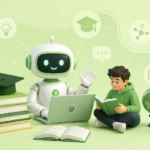
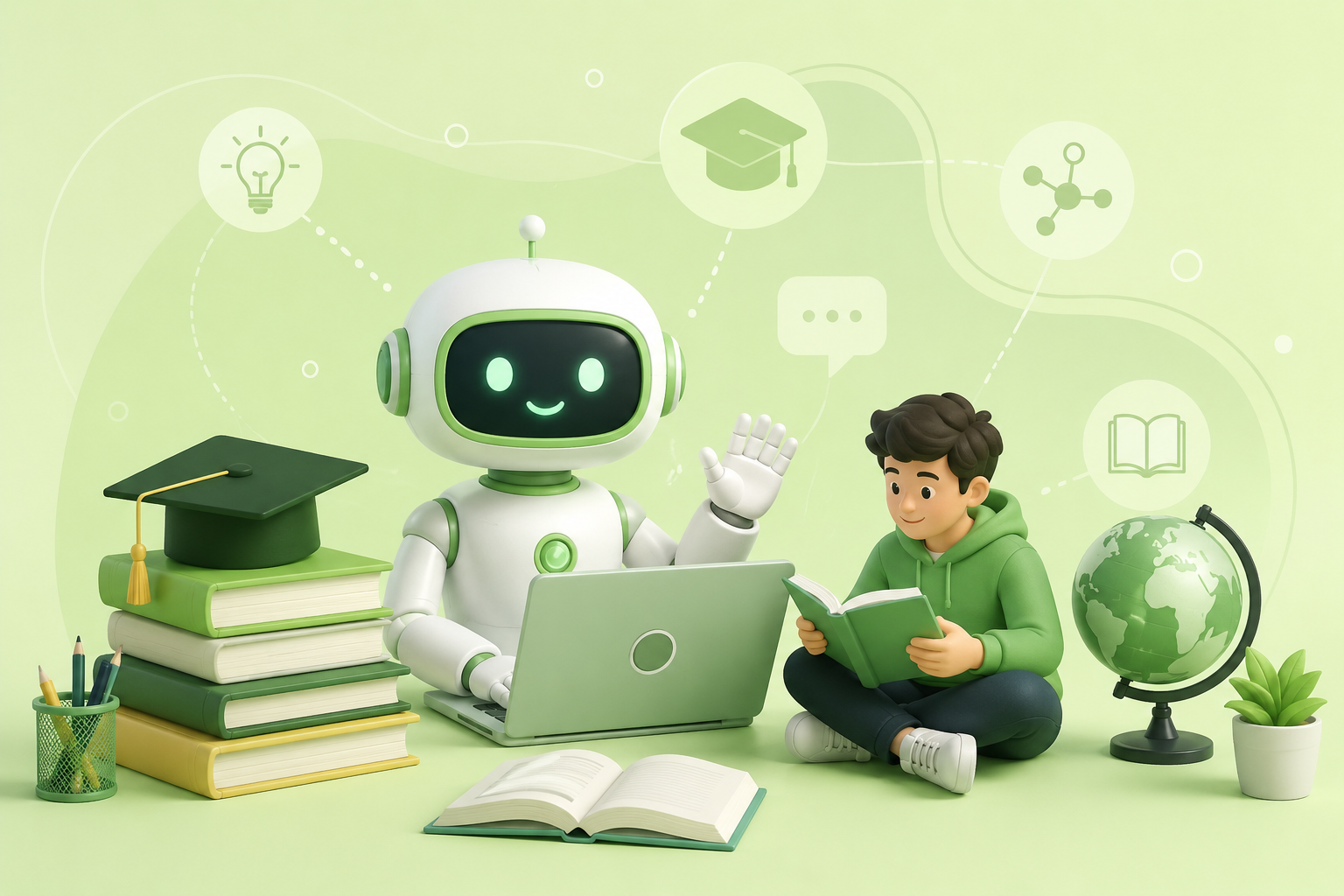

Discover how an Education Chatbot transforms learning experiences, improves student engagement, and automates academic support with AI-powered solutions for modern institutions.
Introduction
In today’s fast-evolving digital landscape, education is no longer confined to traditional classrooms. Institutions, educators, and learners are increasingly adopting advanced technologies to enhance accessibility, engagement, and efficiency. One of the most impactful innovations driving this transformation is the Education Chatbot. These AI-powered assistants are redefining how students interact with educational content, institutions, and support systems.
At its core, an education chatbot leverages artificial intelligence and natural language processing to provide instant, accurate, and personalized responses to student queries. Whether it’s answering admission questions, assisting with coursework, or guiding learners through complex topics, chatbots are becoming indispensable in modern education ecosystems. As a result, educational institutions can scale their support services without increasing operational costs.
For platforms like Chattbotz, implementing intelligent chatbot solutions is not just about automation—it’s about creating meaningful learning experiences. By bridging communication gaps and delivering real-time assistance, education chatbots empower students to learn at their own pace while enabling institutions to maintain high standards of support and engagement.
What Is an Education Chatbot?
An Education Chatbot is an AI-driven virtual assistant designed specifically to support students, educators, and administrative staff within the education sector. These chatbots use advanced technologies such as machine learning and natural language processing to simulate human-like conversations. As a result, they can understand user intent, respond intelligently, and continuously improve through interactions.
Unlike traditional customer support tools, education chatbots are built to handle a wide range of academic and administrative tasks. For example, they can provide course recommendations, answer frequently asked questions, assist with assignments, and even deliver personalized learning paths. This versatility makes them a powerful tool for institutions aiming to modernize their digital infrastructure.
Moreover, education chatbots are available 24/7, ensuring that students receive support whenever they need it. This is particularly valuable for online learners and international students who may be in different time zones. By integrating chatbots into learning management systems and websites, institutions can significantly enhance accessibility and user experience.
Why Education Chatbots Are Transforming Learning
The rise of digital education has created a demand for scalable, efficient, and personalized learning solutions. Education chatbots address these needs by offering instant communication and tailored support. As a result, they are transforming how knowledge is delivered and consumed.
One of the key benefits of education chatbots is their ability to provide immediate responses. Students no longer need to wait for email replies or office hours to get answers. Instead, they can access information instantly, which improves learning continuity and reduces frustration. This real-time interaction fosters a more engaging and responsive educational environment.
Additionally, chatbots enable personalized learning experiences. By analyzing user behavior and preferences, they can recommend relevant courses, resources, and study materials. This level of customization enhances student engagement and improves learning outcomes. Consequently, institutions can deliver more effective education while maintaining operational efficiency.
Key Features of an Effective Education Chatbot
An effective education chatbot is more than just a question-answering tool. It incorporates a range of features designed to enhance usability, accuracy, and engagement. Understanding these features is essential for institutions looking to implement a successful chatbot solution.
First, natural language understanding (NLU) is a critical component. It allows the chatbot to interpret user queries accurately and respond in a conversational manner. This ensures that interactions feel natural and intuitive, which improves user satisfaction. Additionally, machine learning capabilities enable the chatbot to learn from past interactions and continuously improve its performance.
Another important feature is multi-platform integration. Education chatbots should be accessible across websites, mobile apps, and learning management systems. This ensures a seamless user experience across different channels. Furthermore, advanced analytics and reporting tools help institutions track performance, identify trends, and optimize their chatbot strategies.
Benefits of Education Chatbots for Students
Education chatbots offer numerous advantages for students, making learning more accessible, efficient, and engaging. These benefits go beyond simple convenience and significantly impact academic success.
One major benefit is instant access to information. Students can quickly find answers to their questions without navigating complex websites or waiting for responses. This saves time and allows them to focus on their studies. Additionally, chatbots can provide step-by-step guidance on assignments and concepts, which enhances understanding.
Another key advantage is personalized learning support. Chatbots can analyze student behavior and recommend tailored resources, quizzes, and study plans. This helps students learn at their own pace and address their unique challenges. As a result, they are more likely to achieve better academic outcomes and stay motivated throughout their learning journey.
Benefits of Education Chatbots for Institutions
Educational institutions also gain significant advantages from implementing chatbot solutions. These benefits include improved efficiency, cost savings, and enhanced student satisfaction.
One of the primary benefits is automation of administrative tasks. Chatbots can handle repetitive queries related to admissions, schedules, and policies. This reduces the workload on staff and allows them to focus on more complex tasks. Consequently, institutions can operate more efficiently without increasing resources.
Additionally, chatbots improve student engagement and retention. By providing timely support and personalized interactions, they create a positive learning experience. This leads to higher satisfaction rates and better retention. Furthermore, data collected by chatbots can be used to improve services and make informed decisions.
Use Cases of Education Chatbots
Education chatbots can be applied across various scenarios, making them a versatile tool for modern institutions. These use cases demonstrate their ability to enhance both academic and administrative processes.
One common use case is admissions support. Chatbots can guide prospective students through application processes, answer eligibility questions, and provide important deadlines. This simplifies the admissions journey and improves conversion rates. Additionally, chatbots can assist with onboarding by providing orientation materials and campus information.
Another important use case is academic assistance. Chatbots can help students with coursework, provide explanations, and recommend resources. They can also conduct quizzes and assessments to reinforce learning. This makes them a valuable tool for both students and educators.
How AI Powers Education Chatbots
Artificial intelligence is the backbone of modern education chatbots. It enables them to understand, learn, and respond effectively to user interactions. Without AI, chatbots would be limited to predefined responses and lack the ability to adapt.
One of the key AI technologies used is natural language processing (NLP). This allows chatbots to interpret human language and respond accurately. For more details on NLP best practices. By leveraging NLP, chatbots can handle complex queries and provide meaningful responses.
Machine learning also plays a crucial role. It enables chatbots to learn from interactions and improve over time. As a result, they become more accurate and efficient. This continuous improvement ensures that chatbots remain relevant and effective in dynamic educational environments.
Integration with Learning Management Systems
Integrating education chatbots with learning management systems (LMS) enhances their functionality and usability. This integration allows chatbots to access course data, student information, and learning resources.
One major advantage is seamless access to learning materials. Students can use chatbots to find lectures, assignments, and resources directly within the LMS. This reduces navigation time and improves efficiency. Additionally, chatbots can send reminders about deadlines and upcoming exams.
Furthermore, integration enables data-driven insights. Institutions can analyze chatbot interactions to understand student needs and improve course content. This leads to better learning outcomes and more effective teaching strategies.
Personalization in Education Chatbots

Personalization is a key factor in the success of education chatbots. By tailoring interactions to individual users, chatbots can provide a more engaging and effective learning experience.
One way chatbots achieve personalization is through data analysis. They track user behavior, preferences, and performance to deliver relevant content. For example, a chatbot can recommend specific topics based on a student’s weak areas. This targeted approach enhances learning efficiency.
Additionally, personalization improves user engagement. When students feel that the chatbot understands their needs, they are more likely to interact with it regularly. This consistent engagement leads to better retention and academic success.
Security and Data Privacy in Education Chatbots
Security and data privacy are critical considerations when implementing education chatbots. Institutions must ensure that student data is protected and handled responsibly.
One important aspect is data encryption. Chatbots should use secure protocols to protect information during transmission. For best practices on securing applications. This ensures that sensitive data remains confidential.
Another key factor is compliance with regulations. Institutions must adhere to data protection laws and guidelines. This includes obtaining user consent and implementing proper data management practices. By prioritizing security, institutions can build trust and ensure the safe use of chatbot technology.
Advanced Analytics and Performance Tracking
Education chatbots are not just communication tools—they are powerful data engines that provide deep insights into student behavior, engagement patterns, and institutional performance. By leveraging advanced analytics, educational organizations can make informed decisions that improve both learning outcomes and operational efficiency. This is especially important in today’s data-driven education environment, where understanding user behavior is key to success.
One of the primary advantages of chatbot analytics is the ability to track user interactions in real time. Institutions can monitor how students engage with the chatbot, what questions they ask most frequently, and where they encounter difficulties. This data helps identify knowledge gaps and areas where additional support or content is needed. For example, if many students repeatedly ask about a specific topic, it may indicate that the course material needs improvement or clarification.
Additionally, performance tracking enables continuous optimization of the chatbot. Metrics such as response accuracy, conversation completion rates, and user satisfaction scores provide valuable insights into how well the chatbot is performing. By analyzing these metrics, institutions can refine their chatbot strategies and improve overall effectiveness. For guidance on analytics best practices, refer to Google Analytics 4, which offers detailed insights into tracking and measuring user interactions effectively.
Multilingual Capabilities in Education Chatbots
As education becomes increasingly global, the need for multilingual support is more important than ever. Education chatbots equipped with multilingual capabilities can communicate with students from diverse linguistic backgrounds, ensuring inclusivity and accessibility. This is particularly beneficial for international institutions and online learning platforms that serve a global audience.
Multilingual chatbots use advanced language models to understand and respond in multiple languages. This allows students to interact in their preferred language, which improves comprehension and engagement. For instance, a student who is not fluent in English can still access educational resources and support without barriers. This inclusivity enhances the overall learning experience and ensures that no student is left behind.
Moreover, multilingual support helps institutions expand their reach. By catering to a wider audience, they can attract students from different regions and increase enrollment. This not only boosts revenue but also enhances the institution’s global reputation. As a result, multilingual education chatbots are becoming a critical component of modern digital education strategies.
Voice-Enabled Education Chatbots
Voice technology is rapidly gaining popularity, and its integration into education chatbots is transforming how users interact with digital systems. Voice-enabled chatbots allow students to communicate using natural speech, making interactions more intuitive and accessible. This is especially useful for younger learners and individuals with disabilities who may find text-based interfaces challenging.
One of the key benefits of voice-enabled chatbots is hands-free interaction. Students can ask questions, receive explanations, and navigate learning materials without typing. This makes learning more convenient and engaging, particularly in mobile or on-the-go scenarios. Additionally, voice interactions can improve comprehension, as students can hear explanations rather than just reading them.
Furthermore, voice technology enhances accessibility. It supports students with visual impairments or learning difficulties, ensuring that education is inclusive for all. By incorporating voice capabilities, institutions can create a more user-friendly and engaging learning environment. As voice technology continues to evolve, it is expected to play an even greater role in the future of education chatbots.
Challenges in Implementing Education Chatbots
While education chatbots offer numerous benefits, their implementation is not without challenges. Understanding these challenges is essential for developing effective strategies and ensuring successful deployment. Institutions must address technical, operational, and user-related issues to maximize the potential of chatbot technology.
One common challenge is ensuring response accuracy. Chatbots rely on data and algorithms to generate responses, and inaccuracies can lead to confusion or misinformation. To overcome this, institutions must continuously train and update their chatbots with accurate and relevant data. Regular testing and monitoring are also crucial to maintain high performance.
Another challenge is user adoption. Some students and staff may be hesitant to use chatbot technology due to unfamiliarity or skepticism. To address this, institutions should provide clear guidance and demonstrate the benefits of chatbots. Additionally, integrating chatbots seamlessly into existing systems can improve usability and encourage adoption. By addressing these challenges proactively, institutions can ensure a smooth implementation process.
Future Trends in Education Chatbots
The future of education chatbots is filled with exciting possibilities. As technology continues to advance, chatbots are expected to become even more intelligent, personalized, and integrated into the learning ecosystem. Staying ahead of these trends is essential for institutions looking to remain competitive in the digital education space.
One major trend is the use of AI-driven personalization. Future chatbots will be able to analyze vast amounts of data to deliver highly customized learning experiences. This includes adaptive learning paths, real-time feedback, and predictive analytics. As a result, students will receive more targeted support and achieve better outcomes.
Another emerging trend is integration with immersive technologies such as virtual reality (VR) and augmented reality (AR). Chatbots can act as guides within virtual environments, helping students navigate and interact with digital content. This creates a more engaging and interactive learning experience. As these technologies evolve, education chatbots will play a central role in shaping the future of education.
Common Mistakes to Avoid
Despite their advantages, many institutions make critical mistakes when implementing education chatbots. Avoiding these pitfalls is essential to ensure success and maximize return on investment.
One common mistake is lack of clear objectives. Without defined goals, chatbot implementation can become unfocused and ineffective. Institutions should identify specific use cases and desired outcomes before deployment. This ensures that the chatbot delivers real value and aligns with organizational goals.
Another mistake is over-automation. While automation is beneficial, relying too heavily on chatbots can reduce the human touch. It is important to maintain a balance between automation and human interaction. Providing an option to connect with a human representative ensures that complex issues are handled effectively. By avoiding these mistakes, institutions can create a more effective and user-friendly chatbot experience.
Best Practices for Education Chatbots

Implementing best practices is crucial for maximizing the effectiveness of education chatbots. These practices ensure that chatbots deliver accurate, relevant, and engaging interactions.
First, focus on user-centric design. The chatbot should be easy to use, intuitive, and responsive. Clear navigation and simple language improve user experience and encourage interaction. Additionally, continuous testing and optimization help maintain high performance.
Second, prioritize data quality and security. Accurate data ensures reliable responses, while strong security measures protect user information. For technical performance optimization, refer to Google PageSpeed Insights to ensure fast and efficient chatbot performance. By following these best practices, institutions can create a robust and effective chatbot solution.
FAQs About Education Chatbots
1. What is an education chatbot?
An education chatbot is an AI-powered virtual assistant designed to support students and educators by providing instant responses, guidance, and personalized learning experiences.
2. How do education chatbots improve learning?
They provide real-time assistance, personalized recommendations, and interactive learning support, which improves student engagement and understanding significantly.
3. Are education chatbots secure?
Yes, when implemented with proper encryption and compliance measures, chatbots can securely handle sensitive student data.
4. Can chatbots replace teachers?
No, chatbots are designed to support educators, not replace them. They handle routine tasks, allowing teachers to focus on more complex and meaningful interactions.
5. Do education chatbots work 24/7?
Yes, one of their main advantages is 24/7 availability, ensuring students receive support anytime.
6. Are chatbots expensive to implement?
Costs vary depending on complexity, but they often reduce long-term operational expenses by automating repetitive tasks.
7. Can chatbots integrate with existing systems?
Yes, modern chatbots can integrate with LMS platforms, websites, and mobile apps for seamless functionality.
8. What industries benefit from education chatbots?
Schools, universities, e-learning platforms, and corporate training programs all benefit from chatbot technology.
Best Practices Summary
Education chatbots are transforming the way institutions deliver learning and support services. By combining artificial intelligence, automation, and personalization, they create a more efficient and engaging educational experience. However, successful implementation requires careful planning, continuous optimization, and adherence to best practices.
To achieve the best results, institutions should focus on user needs, maintain data quality, and ensure strong security measures. Additionally, leveraging analytics and staying updated with emerging trends can help institutions remain competitive. By avoiding common mistakes and following proven strategies, education chatbots can deliver significant value and long-term success.
Conclusion
The adoption of education chatbots marks a significant step forward in the evolution of digital learning. These intelligent systems not only streamline communication but also enhance the overall learning experience through personalization and real-time support. As technology continues to advance, chatbots will play an increasingly important role in shaping the future of education.
For Chattbotz, embracing education chatbot solutions means empowering institutions to deliver smarter, faster, and more effective learning experiences. By leveraging AI-driven technology, educational organizations can meet the demands of modern learners while maintaining high standards of quality and efficiency.
Want to Implement This Easily?
Prompt:
You are an expert consultant. Based on the blog post titled “(Education Chatbot)”, provide a step-by-step, practical implementation guide. Include tools, best practices, common mistakes to avoid, and advanced tips. Assume the reader wants to implement everything discussed in this article effectively.
Call to Action:
Want our help implementing this? Just reach out to us via our website contact form: https://appledew.co.uk/cb/contact-us/