
Property Maintenance Chatbot – Discover how AI-powered property maintenance chatbots streamline repairs, automate tenant communication, reduce costs, and improve efficiency in property management.
Introduction
In today’s fast-evolving digital landscape, property management is undergoing a major transformation. Traditional systems that relied on manual reporting, phone calls, and delayed responses are quickly becoming obsolete. The emergence of AI-powered solutions—especially property maintenance chatbots—has reshaped how landlords, property managers, and real estate businesses handle maintenance operations. These intelligent systems offer real-time assistance, automate repetitive tasks, and significantly enhance tenant satisfaction.
A Property Maintenance Chatbot is an AI-driven virtual assistant designed to handle maintenance requests, schedule repairs, communicate with tenants, and provide instant support. Instead of waiting hours or even days for responses, tenants can now report issues instantly and receive updates in real time. This shift not only improves operational efficiency but also builds trust between tenants and property managers.
At ChattBotz, innovative chatbot solutions are designed to help property managers automate workflows, reduce costs, and deliver exceptional tenant experiences. This guide explores everything you need to know about property maintenance chatbots, from benefits and features to implementation strategies and best practices—all aligned with modern SEO and Google quality standards.
What is a Property Maintenance Chatbot?
A Property Maintenance Chatbot is a specialized AI tool designed to streamline communication between tenants and property managers regarding maintenance issues. It uses natural language processing (NLP) and machine learning to understand user queries, categorize issues, and provide automated responses or escalate requests when necessary. Unlike traditional ticketing systems, chatbots offer conversational interfaces that feel intuitive and human-like.
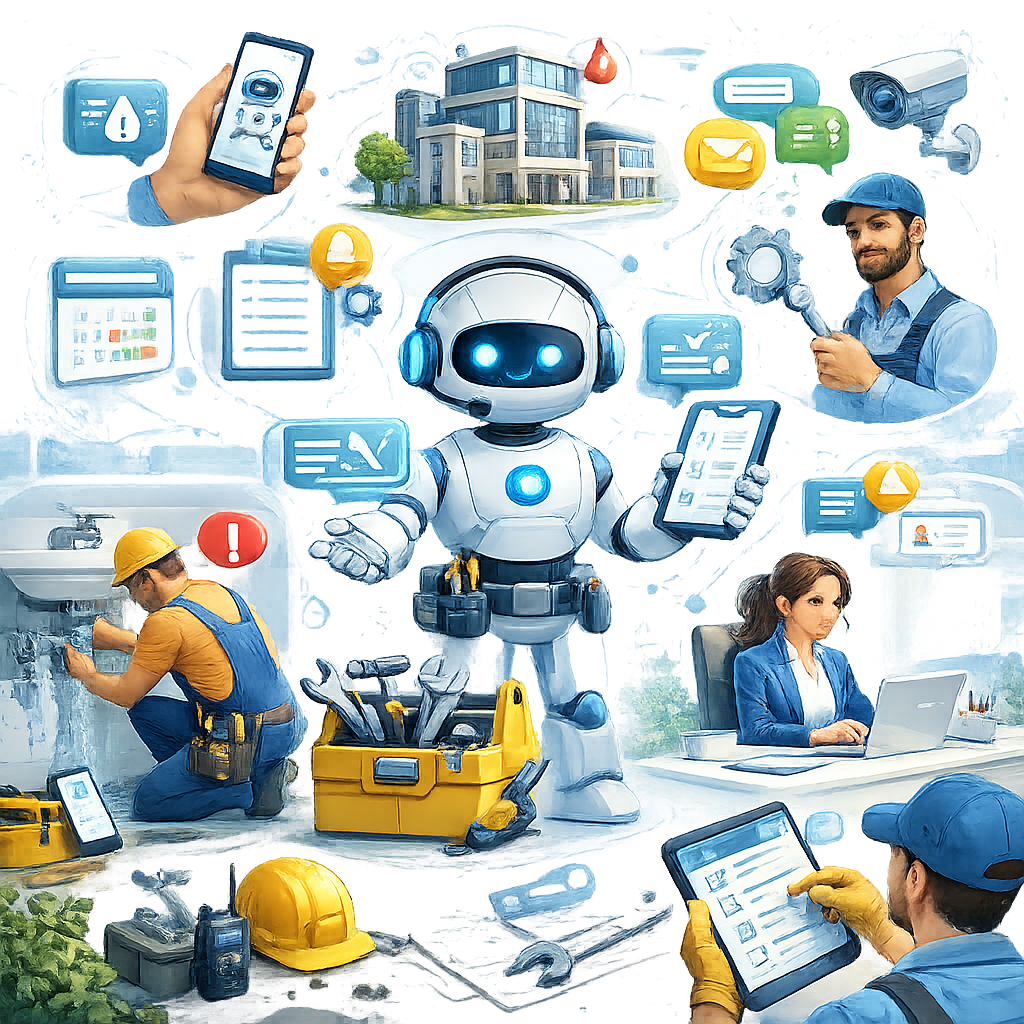
These chatbots can operate across multiple platforms, including websites, mobile apps, and messaging services. Tenants can report issues such as plumbing leaks, electrical faults, or HVAC problems at any time. The chatbot collects relevant details, assigns priority levels, and routes the request to the appropriate maintenance team. This ensures that no request is lost or delayed.
From a technical perspective, property maintenance chatbots integrate with property management systems, CRM tools, and scheduling software. According to Google’s AI Principles, AI solutions should be socially beneficial and reliable—something these chatbots achieve by improving service quality and response time. Their ability to learn from past interactions makes them increasingly accurate and efficient over time.
Why Property Management Needs Automation
Property management involves a wide range of tasks, from tenant communication and rent collection to maintenance coordination. Managing these responsibilities manually can be overwhelming, especially for large property portfolios. Automation is no longer optional—it is essential for scalability and efficiency.
One of the biggest challenges in property management is handling maintenance requests promptly. Delays can lead to tenant dissatisfaction, property damage, and increased operational costs. A chatbot eliminates these issues by providing instant responses and automated workflows. It ensures that requests are logged, tracked, and resolved efficiently without human intervention at every step.
Automation also reduces human error and improves data accuracy. By leveraging AI tools aligned with Google Search Central guidelines, businesses can create systems that prioritize user experience and reliability. Property maintenance chatbots help achieve this by offering consistent, accurate, and timely communication—something manual systems often fail to deliver.
Key Features of a Property Maintenance Chatbot
A well-designed property maintenance chatbot comes equipped with a variety of features that enhance both efficiency and user experience. One of the most important features is 24/7 availability. Tenants can report issues anytime, without being restricted by office hours. This ensures that urgent problems are addressed immediately.
Another critical feature is automated ticket creation and tracking. The chatbot collects essential details such as issue type, location, and urgency level. It then generates a ticket and assigns it to the relevant maintenance team. This eliminates the need for manual data entry and reduces the risk of missed requests.
Advanced chatbots also include AI-driven analytics and reporting. These insights help property managers identify recurring issues, optimize maintenance schedules, and improve overall efficiency. According to Google Page Experience guidelines, user satisfaction is a key ranking factor—making these features essential for modern digital solutions.
Benefits of Using a Property Maintenance Chatbot
The benefits of implementing a property maintenance chatbot are significant and far-reaching. One of the most noticeable advantages is improved response time. Tenants no longer need to wait for office hours or callbacks. Instead, they receive instant acknowledgment and updates on their requests.
Cost reduction is another major benefit. By automating repetitive tasks, property managers can reduce the need for large support teams. This leads to lower operational costs while maintaining high service quality. Additionally, chatbots minimize errors, which can otherwise lead to costly repairs or miscommunication.
Enhanced tenant satisfaction is perhaps the most valuable benefit. A seamless communication experience builds trust and loyalty. According to Google’s helpful content system, content and services should prioritize user needs—and property maintenance chatbots do exactly that by focusing on convenience and efficiency.
How AI Improves Maintenance Workflows
Artificial Intelligence plays a crucial role in optimizing maintenance workflows. Traditional systems often rely on manual processes, which are time-consuming and prone to errors. AI-powered chatbots automate these workflows, ensuring faster and more accurate results.
One way AI improves workflows is through predictive maintenance. By analyzing historical data, chatbots can identify patterns and predict potential issues before they occur. This allows property managers to take proactive measures, reducing downtime and repair costs.
AI also enhances decision-making by providing actionable insights. For example, it can prioritize urgent requests, allocate resources efficiently, and optimize scheduling. According to Google Cloud AI solutions, AI-driven systems improve operational efficiency by automating complex tasks—making them ideal for property maintenance management.
Tenant Experience and Satisfaction

Tenant experience is a critical factor in property management success. A poor maintenance experience can lead to negative reviews, higher turnover rates, and lost revenue. Property maintenance chatbots address these challenges by providing a seamless and efficient communication channel.
With instant responses and real-time updates, tenants feel valued and heard. They can track the status of their requests, receive notifications, and communicate easily with property managers. This level of transparency builds trust and improves overall satisfaction.
Moreover, chatbots can personalize interactions based on tenant history and preferences. According to Google UX design principles, user-centric design is essential for digital success. Property maintenance chatbots align with these principles by delivering intuitive and personalized experiences.
Integration with Property Management Systems
A property maintenance chatbot becomes significantly more powerful when integrated with existing property management systems. These integrations allow seamless data flow between platforms, ensuring that all information is accurate and up to date.
For example, when a tenant reports an issue, the chatbot can automatically update the property management software, assign tasks, and notify the maintenance team. This eliminates the need for manual coordination and reduces delays. Integration also enables centralized data management, making it easier to track performance and generate reports.
From a technical standpoint, APIs and cloud-based solutions make integration straightforward. According to Google Cloud architecture best practices, scalable and secure integrations are essential for modern applications. Property maintenance chatbots leverage these technologies to deliver efficient and reliable solutions.
Cost Savings and ROI
Investing in a property maintenance chatbot may seem like a significant upfront cost, but the long-term savings and return on investment (ROI) are substantial. By automating routine tasks, businesses can reduce labor costs and improve operational efficiency.
One of the key areas of cost savings is reduced response time. Faster issue resolution prevents minor problems from escalating into major repairs. This not only saves money but also extends the lifespan of property assets. Additionally, chatbots reduce administrative overhead by automating data entry and communication.
ROI is further enhanced by improved tenant retention. Satisfied tenants are more likely to renew leases and recommend properties to others. According to Google Analytics insights, data-driven decision-making is crucial for business growth—and chatbots provide valuable insights that support this approach.
Security and Data Protection
Security is a top priority when implementing any digital solution, especially one that handles sensitive tenant information. Property maintenance chatbots must comply with data protection standards and ensure that all interactions are secure.
Encryption, secure APIs, and access controls are essential components of a secure chatbot system. These measures protect data from unauthorized access and ensure compliance with regulations. According to Google security best practices, robust security frameworks are critical for maintaining user trust.
In addition to technical measures, transparency is also important. Tenants should be informed about how their data is collected and used. This builds trust and ensures compliance with privacy standards. A secure and transparent system not only protects users but also enhances the credibility of the property management business.
Customization and Scalability
Every property management business has unique requirements, and a one-size-fits-all solution is rarely effective. Property maintenance chatbots offer a high level of customization, allowing businesses to tailor features and workflows to their specific needs.
Customization options include language preferences, workflow automation, and integration with existing tools. This flexibility ensures that the chatbot aligns with business goals and operational processes. Additionally, chatbots can be trained to handle specific types of queries, improving accuracy and efficiency.
Scalability is another key advantage. As the business grows, the chatbot can handle increased workloads without compromising performance. According to Google scalability guidelines, scalable systems are essential for long-term success. Property maintenance chatbots are designed to grow with your business, making them a future-proof investment.
Advanced Use Cases of Property Maintenance Chatbots
As property management continues to evolve, property maintenance chatbots are no longer limited to basic ticket handling. They now support advanced use cases that significantly improve operational efficiency and tenant engagement. One such use case is multi-property management, where a single chatbot can handle maintenance requests across multiple buildings or locations. This centralized approach ensures consistency in service delivery and simplifies management for large portfolios.
Another advanced application is voice-enabled maintenance support. With the rise of voice assistants, tenants can report issues using voice commands instead of typing messages. This is particularly useful for elderly tenants or those who prefer hands-free interaction. By leveraging technologies aligned with Google Assistant development standards, property managers can create more accessible and user-friendly systems.
Chatbots are also being used for vendor coordination and automation. Once a maintenance request is logged, the chatbot can automatically notify vendors, schedule appointments, and track progress. This eliminates the need for manual follow-ups and ensures timely resolution. These advanced capabilities demonstrate how AI is transforming property maintenance into a highly efficient, automated ecosystem.
Real-World Examples and Industry Applications
The adoption of property maintenance chatbots is growing across residential, commercial, and industrial sectors. In residential properties, chatbots are used to handle common issues such as plumbing leaks, appliance repairs, and general maintenance requests. Tenants can easily report problems and receive updates, improving their overall living experience.
In commercial real estate, chatbots play a crucial role in managing large office spaces and facilities. They help coordinate maintenance tasks, manage service requests, and ensure minimal disruption to business operations. For example, a chatbot can prioritize urgent issues like electrical failures or HVAC breakdowns, ensuring quick resolution.
Industrial properties also benefit from chatbot implementation. Maintenance in these environments often involves complex machinery and safety protocols. Chatbots can streamline communication, ensure compliance, and provide real-time updates. According to Google industry solutions, AI-driven tools are essential for optimizing operations across industries, making chatbots a valuable asset in property management.
Common Mistakes to Avoid
While property maintenance chatbots offer numerous benefits, improper implementation can lead to inefficiencies and poor user experience. One common mistake is over-automation without human fallback. While automation is powerful, some issues require human intervention. Failing to provide an option for escalation can frustrate tenants and reduce satisfaction.
Another mistake is lack of proper training and data input. A chatbot is only as good as the data it is trained on. Incomplete or inaccurate data can lead to गलत responses and misclassification of issues. Regular updates and continuous learning are essential to maintain accuracy and relevance.
Ignoring user experience design is another critical error. A complicated or unintuitive interface can discourage tenants from using the chatbot. According to Google usability guidelines, simplicity and clarity are key to effective digital solutions. Avoiding these common mistakes ensures that your chatbot delivers maximum value.
FAQs
1. What is a property maintenance chatbot?
A property maintenance chatbot is an AI-powered tool that automates maintenance requests, tenant communication, and workflow management in property management.
2. How does a chatbot improve maintenance efficiency?
It automates ticket creation, prioritizes requests, and provides real-time updates, reducing delays and manual effort.
3. Is a property maintenance chatbot secure?
Yes, when implemented with proper encryption and security measures following Google security standards, it ensures data protection and privacy.
4. Can chatbots handle complex maintenance issues?
They can categorize and escalate complex issues to human agents, ensuring proper handling.
5. Do chatbots work for small property businesses?
Absolutely. They are scalable and can be customized for businesses of all sizes.
6. What platforms can a chatbot integrate with?
They can integrate with CRM systems, property management software, and messaging platforms.
7. How much does it cost to implement a chatbot?
Costs vary depending on features and customization, but the ROI is generally high due to cost savings and efficiency improvements.
8. Can chatbots support multiple languages?
Yes, most advanced chatbots offer multilingual support to cater to diverse tenants.
Best Practices for Implementing Property Maintenance Chatbots

Implementing a property maintenance chatbot requires a strategic approach to ensure success. One of the most important best practices is to define clear objectives. Whether it’s reducing response time, improving tenant satisfaction, or lowering costs, having clear goals helps guide the implementation process.
Another best practice is to focus on user experience. The chatbot should be easy to use, intuitive, and responsive. Regular testing and feedback collection are essential to identify areas for improvement. According to Google helpful content guidelines, user-focused solutions are more likely to succeed and rank well.
Continuous monitoring and optimization are also crucial. Analyze performance metrics, update workflows, and train the chatbot regularly. This ensures that it remains effective and aligned with changing user needs. By following these best practices, property managers can maximize the benefits of their chatbot investment.
Common Mistakes (Expanded Real-World Insights)
Many property managers underestimate the importance of ongoing maintenance and updates for their chatbot systems. A chatbot is not a one-time setup; it requires continuous improvement to stay relevant. Ignoring updates can lead to outdated responses and reduced effectiveness.
Another frequent mistake is failing to integrate the chatbot with existing systems. Without integration, the chatbot operates in isolation, limiting its functionality. Proper integration ensures seamless data flow and enhances efficiency.
Lastly, lack of staff training can hinder adoption. Employees should understand how the chatbot works and how to manage escalations. Providing proper training ensures smooth implementation and better results.
Best Practices Summary
To successfully implement a property maintenance chatbot, focus on the following key points:
- Prioritize user experience and simplicity
- Ensure strong security and data protection measures
- Integrate with existing property management systems
- Continuously monitor and optimize performance
- Provide human fallback options for complex issues
- Train staff and educate tenants on chatbot usage
Following these best practices ensures long-term success and maximum ROI.
Conclusion
Property maintenance chatbots are revolutionizing the way property managers handle maintenance operations. By automating workflows, improving communication, and enhancing tenant satisfaction, these AI-powered tools offer a competitive advantage in today’s digital landscape.
At ChattBotz, advanced chatbot solutions are designed to help property managers streamline operations, reduce costs, and deliver exceptional service. By adopting these technologies and following best practices, businesses can stay ahead of the competition and meet the evolving needs of modern tenants.
Want to Implement This Easily?
Prompt:
You are an expert consultant. Based on the blog post titled “(Property Maintenance Chatbot)”, provide a step-by-step, practical implementation guide. Include tools, best practices, common mistakes to avoid, and advanced tips. Assume the reader wants to implement everything discussed in this article effectively.
Call to Action:
Want our help implementing this? Just reach out to us via our website contact form: https://appledew.co.uk/cb/contact-us/