
Discover how an Automotive Chatbot enhances customer experience, boosts sales, and automates dealership operations. Learn benefits, features, and best practices.
Introduction
The automotive industry is rapidly evolving. Today, digital transformation is no longer optional—it is essential. Customers expect fast, personalized, and seamless interactions at every stage of their journey. This is where an Automotive Chatbot becomes a powerful solution. It bridges the gap between customer expectations and dealership capabilities.
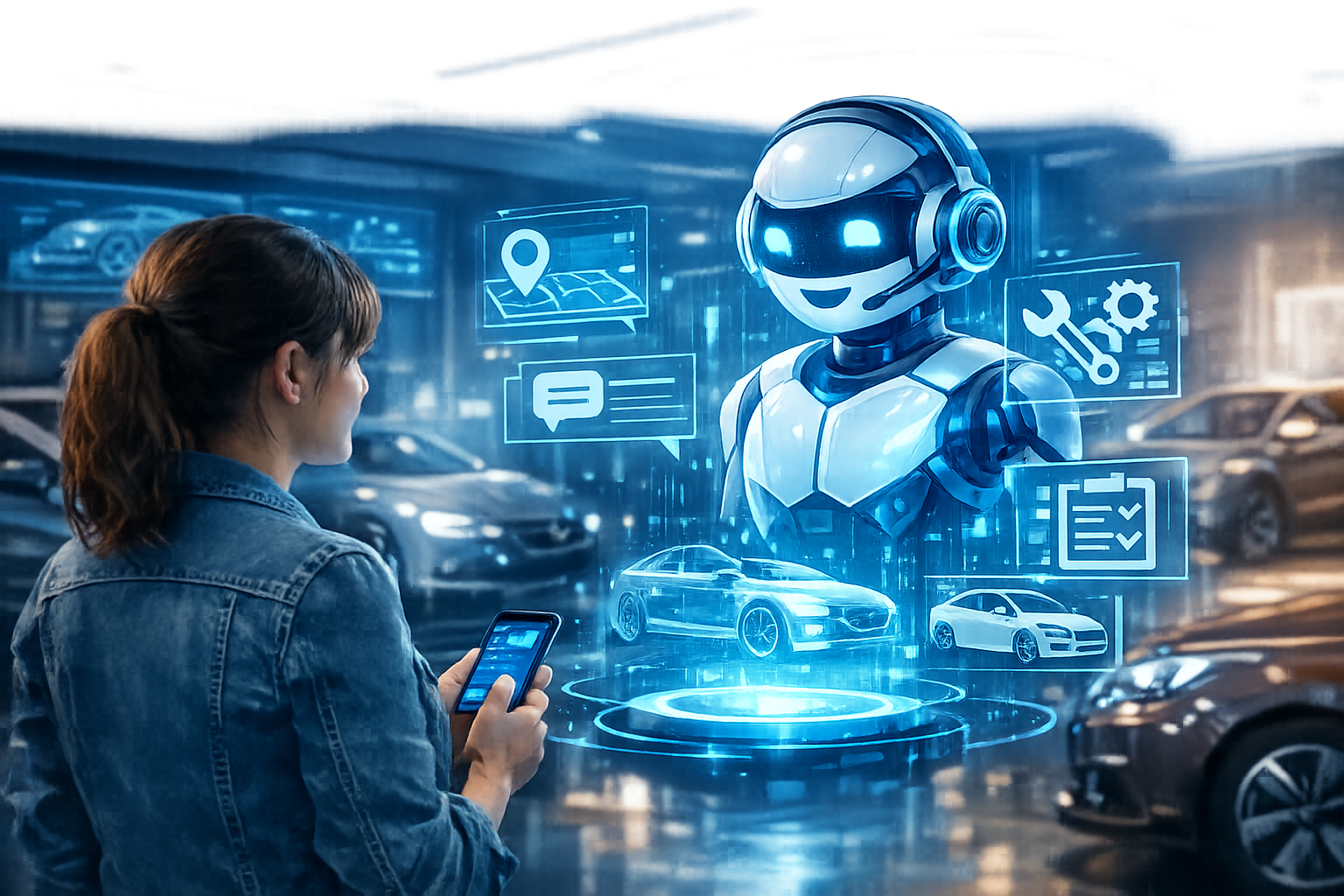
An automotive chatbot is an AI-powered tool designed to handle customer interactions automatically. It can answer queries, schedule test drives, recommend vehicles, and even assist with financing options. As a result, businesses can improve customer satisfaction while reducing operational costs.
At the same time, Chattbotz is helping automotive businesses implement intelligent chatbot solutions tailored to their needs. These tools not only enhance user engagement but also streamline workflows. Therefore, investing in chatbot technology is no longer a trend—it is a strategic necessity.
What is an Automotive Chatbot?
An Automotive Chatbot is an advanced conversational AI system built specifically for the automotive industry. It interacts with customers through websites, messaging apps, or mobile platforms. Unlike traditional customer support systems, chatbots operate 24/7 without delays.
These chatbots use technologies such as Natural Language Processing (NLP) and Machine Learning (ML). Because of this, they can understand user intent and provide accurate responses. For instance, if a customer asks about fuel efficiency or pricing, the chatbot can instantly deliver relevant information.
Moreover, automotive chatbots can be integrated with CRM systems. This allows them to access customer history and provide personalized recommendations. As a result, businesses can deliver a more tailored experience. In addition, automation reduces human workload, allowing staff to focus on high-value tasks.
Why Automotive Businesses Need Chatbots Today
The modern customer demands instant responses. Waiting for email replies or phone calls is no longer acceptable. Therefore, automotive businesses must adopt technologies that offer real-time communication.
Automotive chatbots solve this problem effectively. They provide immediate responses to customer inquiries. Whether it is midnight or a holiday, the chatbot remains active. This ensures that no potential lead is lost due to delayed responses.
Furthermore, chatbots significantly improve lead generation. They engage visitors proactively and collect valuable information. For example, they can ask users about their preferred car type, budget, and location. This data helps sales teams close deals faster. In addition, automation reduces operational costs, making chatbots a cost-effective solution.
Key Features of an Automotive Chatbot
An effective automotive chatbot comes with a wide range of features. These features are designed to improve both customer experience and business efficiency.
First, 24/7 customer support is a core feature. Customers can get answers anytime without waiting. Second, vehicle recommendations allow chatbots to suggest cars based on user preferences. This creates a personalized experience that builds trust.
Another important feature is test drive scheduling. Chatbots can automatically book appointments based on available slots. Additionally, lead capture and qualification help businesses gather valuable customer data. Finally, integration with systems like CRM and analytics tools ensures smooth operations and better insights.
How Automotive Chatbots Improve Customer Experience
Customer experience plays a crucial role in the automotive industry. A positive experience can lead to higher sales and brand loyalty. Automotive chatbots are designed to enhance this experience in multiple ways.
Firstly, chatbots provide instant responses. Customers no longer need to wait for support agents. This reduces frustration and improves satisfaction. Secondly, chatbots offer personalized recommendations. By analyzing user preferences, they suggest the most suitable vehicles.
Moreover, chatbots ensure consistent communication. Unlike human agents, they do not make errors or forget details. This builds trust among customers. In addition, multilingual support allows businesses to serve a global audience effectively. As a result, automotive chatbots create a seamless and enjoyable customer journey.
Role of AI and NLP in Automotive Chatbots
Artificial Intelligence (AI) and Natural Language Processing (NLP) are the backbone of modern chatbots. These technologies enable chatbots to understand and respond to human language effectively.
AI allows chatbots to learn from interactions. Over time, they become more accurate and efficient. For example, if users frequently ask about financing options, the chatbot improves its responses based on past interactions.
NLP, on the other hand, helps chatbots understand context and intent. This means they can interpret complex queries and provide relevant answers. For example, a user asking “Which SUV is best for family trips?” will receive tailored suggestions. Therefore, AI and NLP make automotive chatbots smarter and more user-friendly.
Automotive Chatbots for Lead Generation
Lead generation is one of the biggest challenges in the automotive industry. Traditional methods often fail to capture user interest effectively. However, automotive chatbots offer a modern solution.
Chatbots engage visitors as soon as they land on a website. They ask relevant questions and guide users through the buying journey. This proactive approach increases conversion rates significantly. For instance, a chatbot can suggest vehicles based on user preferences and encourage test drive bookings.
Additionally, chatbots collect valuable customer data. This includes contact details, preferences, and purchase intent. Sales teams can use this information to follow up with qualified leads. As a result, businesses can improve their sales performance and ROI.
Integration with CRM and Marketing Tools
Integration is a key factor in maximizing the effectiveness of automotive chatbots. When connected with CRM systems, chatbots can access customer data and provide personalized interactions.
For example, if a returning customer visits the website, the chatbot can greet them by name. It can also suggest vehicles based on previous interactions. This creates a more engaging experience.
Furthermore, integration with marketing tools allows businesses to run targeted campaigns. Chatbots can send promotional messages, offers, and reminders. They can also track user behavior and provide insights for future strategies. Therefore, integration enhances both customer engagement and business performance.
Automotive Chatbots for Sales Automation

Sales automation is becoming increasingly important in the automotive industry. Automotive chatbots play a crucial role in this process by handling repetitive tasks.
For instance, chatbots can answer common queries about pricing, features, and availability. This reduces the workload on sales teams. In addition, chatbots can guide customers through the buying process, from initial inquiry to final purchase.
Moreover, chatbots can upsell and cross-sell products. For example, they can recommend accessories or insurance plans based on customer preferences. This increases revenue opportunities. As a result, automotive chatbots streamline sales processes and improve efficiency.
Enhancing After-Sales Support with Chatbots
After-sales support is essential for maintaining customer relationships. Automotive chatbots can significantly improve this aspect of the business.
Chatbots can handle service bookings, maintenance reminders, and warranty inquiries. This ensures that customers receive timely support. For example, a chatbot can remind users about upcoming service appointments.
Additionally, chatbots can provide troubleshooting assistance. Customers can get quick solutions without visiting service centers. This saves time and enhances convenience. Therefore, automotive chatbots play a vital role in improving after-sales service.
Automotive Chatbots and Data Security
Data security is a major concern for businesses and customers alike. Automotive chatbots must ensure that user data is protected at all times.
Implementing secure protocols such as HTTPS is essential. According to Google Helpful Content Guidelines, secure and trustworthy systems are crucial for user trust. Therefore, businesses must prioritize data protection.
Additionally, chatbots should comply with data privacy regulations. This includes secure storage and handling of customer information. Regular updates and monitoring are also necessary to prevent security breaches. As a result, strong security measures build trust and credibility.
Cost Benefits of Automotive Chatbots
One of the biggest advantages of automotive chatbots is cost efficiency. Traditional customer support systems require large teams and resources. However, chatbots can handle multiple queries simultaneously.
This reduces the need for additional staff. As a result, businesses can save on operational costs. Furthermore, chatbots work 24/7 without breaks. This ensures continuous customer engagement.
In addition, chatbots improve efficiency. They handle repetitive tasks quickly and accurately. This allows human agents to focus on complex issues. Therefore, automotive chatbots provide significant cost benefits while improving overall performance.
Customization and Scalability of Chatbots
Every automotive business has unique requirements. Therefore, customization is a key feature of modern chatbots.
Businesses can tailor chatbots to match their brand voice and goals. For example, dealerships can design chatbots to reflect their tone and customer approach. This creates a consistent brand experience.
Scalability is another important factor. As businesses grow, chatbots can handle increased traffic without additional costs. This makes them a future-proof solution. Therefore, customization and scalability ensure long-term success.
Future Trends of Automotive Chatbots
The future of the automotive industry is deeply connected with artificial intelligence and automation. Automotive chatbots are evolving rapidly, becoming smarter and more intuitive. As customer expectations continue to rise, businesses must stay ahead by adopting advanced chatbot technologies.
One major trend is the use of voice-enabled chatbots. Customers will increasingly interact with chatbots through voice commands rather than typing. This makes the experience more natural and convenient, especially for users browsing on mobile devices. In addition, integration with smart assistants will further enhance accessibility.
Another emerging trend is predictive analytics. Chatbots will analyze customer behavior and predict their needs before they even ask. For example, if a user frequently searches for SUVs, the chatbot will proactively recommend new SUV models or deals. Therefore, the future of automotive chatbots lies in deeper personalization and smarter automation.
Common Mistakes to Avoid When Using Automotive Chatbots
While automotive chatbots offer numerous benefits, businesses often make critical mistakes during implementation. These mistakes can reduce effectiveness and negatively impact customer experience. Therefore, understanding and avoiding them is essential.
One common mistake is over-automation. Businesses sometimes rely too much on chatbots and remove human support entirely. However, complex queries still require human intervention. A balanced approach ensures better customer satisfaction. Another mistake is poor chatbot training. If the chatbot is not trained properly, it may provide inaccurate or irrelevant responses.
Additionally, ignoring user experience can be harmful. A chatbot with complicated navigation or slow responses can frustrate users. Businesses should focus on simplicity and clarity. Regular updates and performance monitoring are also crucial. Without them, chatbots can become outdated. Avoiding these mistakes ensures better results and long-term success.
Best Practices for Automotive Chatbot Implementation
Implementing an automotive chatbot requires careful planning and strategy. Following best practices ensures optimal performance and maximum return on investment. Businesses should focus on creating a seamless and user-friendly experience.
First, define clear goals. Whether it is lead generation, customer support, or sales automation, having a clear objective is essential. Second, design conversational flows that are simple and intuitive. Users should be able to navigate easily without confusion.
Another important practice is continuous optimization. Chatbots should be regularly updated based on user interactions and feedback. According to Google SEO Starter Guide, improving user experience is key to better performance and visibility. Therefore, ongoing improvement is necessary. Finally, ensure proper integration with existing systems to maximize efficiency.
Automotive Chatbots and SEO Benefits
Automotive chatbots not only improve customer engagement but also contribute to SEO performance. Search engines prioritize websites that offer better user experiences. Chatbots play a significant role in achieving this.
Firstly, chatbots reduce bounce rates. When users receive instant assistance, they are more likely to stay on the website longer. This sends positive signals to search engines. Secondly, chatbots improve engagement metrics such as session duration and interaction rate.
Moreover, chatbots help in collecting user data and insights. This information can be used to optimize content and marketing strategies. According to Google Helpful Content Guidelines, helpful and user-focused content is essential for ranking. Therefore, automotive chatbots indirectly support SEO efforts by enhancing user experience and engagement.
Real-World Use Cases of Automotive Chatbots
Automotive chatbots are being widely used across the industry for various purposes. These real-world applications demonstrate their effectiveness and versatility.
One common use case is vehicle recommendation systems. Chatbots analyze user preferences and suggest suitable cars. This simplifies the decision-making process for customers. Another use case is appointment scheduling. Customers can book test drives or service appointments instantly without human assistance.
Additionally, chatbots are used for customer support. They handle queries related to pricing, features, and availability. Some businesses also use chatbots for post-purchase engagement, such as sending maintenance reminders and service updates. These use cases highlight how automotive chatbots improve efficiency and customer satisfaction.
How to Choose the Right Automotive Chatbot Solution
Choosing the right chatbot solution is crucial for success. With many options available, businesses must evaluate their needs carefully. The right choice depends on several factors, including features, scalability, and integration capabilities.
First, consider the chatbot’s AI capabilities. A good chatbot should understand user intent accurately and provide relevant responses. Second, check for integration options. The chatbot should work seamlessly with CRM systems, marketing tools, and other platforms.
Another important factor is customization. Businesses should be able to tailor the chatbot according to their brand and requirements. Additionally, scalability is essential for future growth. Therefore, selecting a flexible and reliable solution ensures long-term success.
Measuring the Success of Automotive Chatbots

Measuring performance is essential to understand the effectiveness of an automotive chatbot. Businesses should track key metrics to evaluate success and identify areas for improvement.
One important metric is conversion rate. This measures how many users take desired actions, such as booking a test drive. Another metric is customer satisfaction score (CSAT), which reflects user experience.
Additionally, businesses should track engagement metrics such as session duration and interaction rate. These metrics provide insights into user behavior. Regular analysis helps in optimizing chatbot performance. Therefore, data-driven decision-making is key to achieving better results.
FAQs
1. What is an Automotive Chatbot?
An automotive chatbot is an AI-powered tool that interacts with customers, answers queries, and automates tasks such as scheduling and lead generation.
2. How do automotive chatbots improve customer experience?
They provide instant responses, personalized recommendations, and 24/7 support, ensuring a seamless user experience.
3. Can chatbots replace human agents?
No, chatbots handle routine tasks, but human agents are still needed for complex queries and personalized assistance.
4. Are automotive chatbots secure?
Yes, when implemented with proper security protocols like HTTPS and data encryption, they ensure data safety.
5. How do chatbots help in lead generation?
They engage users, collect data, and qualify leads, making it easier for sales teams to convert prospects.
6. Can chatbots integrate with existing systems?
Yes, most modern chatbots integrate with CRM, marketing tools, and analytics platforms.
7. What industries can benefit from automotive chatbots?
Car dealerships, rental services, repair centers, and automotive marketplaces can all benefit from chatbots.
8. How much does an automotive chatbot cost?
The cost varies depending on features, customization, and scale, but it is generally more cost-effective than traditional support systems.
Best Practices Summary
To successfully implement an automotive chatbot, businesses must follow proven strategies. First, focus on user experience by creating simple and intuitive conversational flows. Second, ensure proper integration with existing systems to maximize efficiency.
Additionally, continuous optimization is essential. Regular updates based on user feedback improve chatbot performance. Security should also be a priority to build trust and credibility.
Finally, maintain a balance between automation and human support. While chatbots handle routine tasks, human agents provide personalized assistance when needed. Following these best practices ensures long-term success and better ROI.
Conclusion
Automotive chatbots are transforming the way businesses interact with customers. They provide instant support, improve engagement, and streamline operations. As a result, they play a crucial role in modern digital strategies.
Businesses that adopt chatbot technology gain a competitive advantage. They can deliver better customer experiences while reducing costs. At the same time, platforms like Chattbotz make it easier to implement advanced chatbot solutions tailored to specific needs.
Therefore, investing in an automotive chatbot is a smart decision for any business looking to grow and succeed in the digital era. The future of customer engagement is here—and it is powered by intelligent automation.
Want to Implement This Easily?
Prompt:
You are an expert consultant. Based on the blog post titled “(Automotive Chatbot)”, provide a step-by-step, practical implementation guide. Include tools, best practices, common mistakes to avoid, and advanced tips. Assume the reader wants to implement everything discussed in this article effectively.
Call to Action:
Want our help implementing this? Just reach out to us via our website contact form: https://appledew.co.uk/cb/contact-us/