
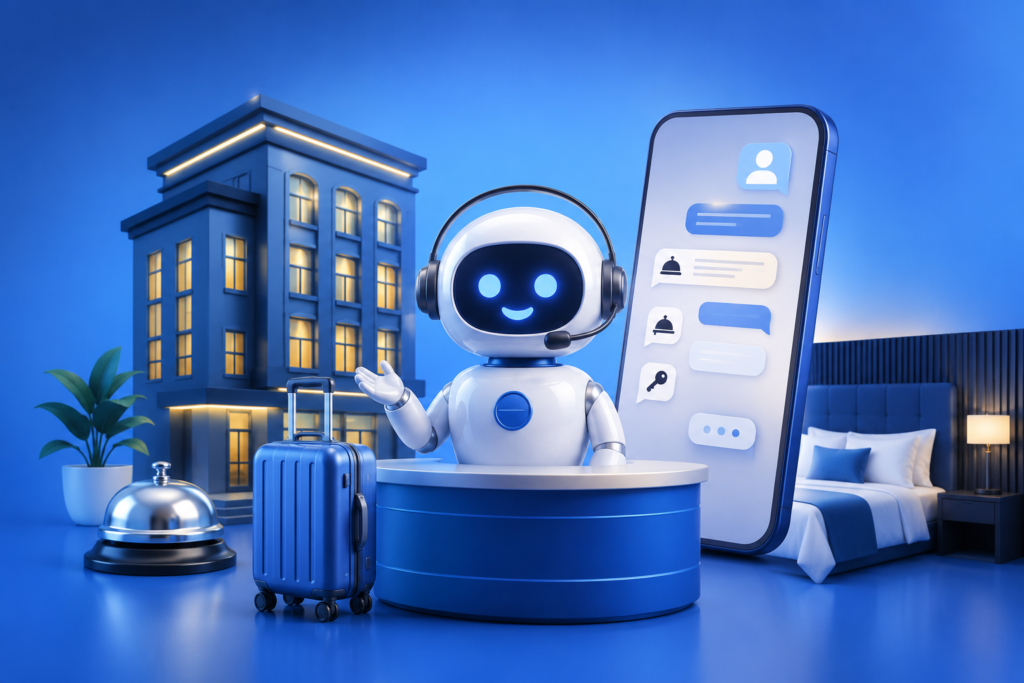
Discover how AI-powered hotel chatbots transform guest experience, automate bookings, improve customer service, and increase hotel revenue with smart automation.
Introduction
In today’s highly competitive hospitality industry, guest expectations are evolving rapidly. Travelers now demand instant responses, personalized service, and seamless booking experiences across multiple platforms. This is where hotel chatbots are reshaping the way hotels interact with their guests. By combining artificial intelligence, natural language processing, and automation, chatbots enable hotels to deliver faster, smarter, and more efficient services.
A hotel chatbot is not just a digital assistant—it acts as a 24/7 virtual concierge that can handle reservations, answer queries, provide recommendations, and support guests before, during, and after their stay. As a result, hotels can significantly reduce operational workload while improving customer satisfaction and loyalty. Moreover, automation ensures consistency in service quality, which is critical for maintaining a strong brand reputation.
At Chattbotz, businesses are leveraging advanced chatbot solutions to streamline hotel operations and enhance guest engagement. As technology continues to evolve, implementing a hotel chatbot is no longer optional—it has become a strategic necessity for hotels aiming to stay ahead in the digital era.
What Is a Hotel Chatbot and How Does It Work?
A hotel chatbot is an AI-powered conversational tool designed to simulate human interaction and assist hotel guests in real time. It operates through messaging platforms, websites, and mobile applications, allowing users to communicate using natural language. These chatbots rely on advanced technologies such as machine learning and natural language processing to understand queries and provide relevant responses instantly.
The working mechanism of a hotel chatbot involves several layers of technology. First, it processes user input using NLP algorithms to interpret intent and context. Then, it retrieves relevant data from integrated systems such as property management systems (PMS), booking engines, and customer databases. Finally, it generates accurate and helpful responses in real time. This seamless process ensures that guests receive immediate assistance without human intervention.
Additionally, hotel chatbots continuously improve through machine learning. They analyze past interactions, identify patterns, and refine responses over time. This means that the chatbot becomes more intelligent and efficient with each interaction. As a result, hotels can provide highly personalized experiences while maintaining operational efficiency and reducing costs.
Why Hotel Chatbots Are Essential for Modern Hospitality
The hospitality industry has undergone a digital transformation, and customer expectations have shifted significantly. Guests now expect instant communication, quick problem resolution, and personalized recommendations. Hotel chatbots address these demands effectively by offering real-time support and intelligent automation.
One of the key reasons chatbots are essential is their ability to provide 24/7 availability. Unlike human staff, chatbots do not require breaks or shifts. This ensures that guests can receive assistance at any time, regardless of their location or time zone. Consequently, hotels can enhance customer satisfaction and build stronger relationships with their guests.
Furthermore, chatbots help reduce operational costs by automating repetitive tasks such as booking confirmations, FAQs, and service requests. This allows hotel staff to focus on more complex and high-value activities. As a result, businesses can optimize resources while maintaining high service standards. In an increasingly competitive market, adopting chatbot technology provides a significant advantage for hotels aiming to deliver exceptional guest experiences.
Key Features of an Advanced Hotel Chatbot
Modern hotel chatbots come equipped with a wide range of features designed to improve efficiency and guest satisfaction. These features enable hotels to automate processes, provide personalized services, and enhance overall user experience.
One of the most important features is automated booking and reservation management. Chatbots can handle room availability inquiries, process bookings, and send confirmations instantly. This eliminates the need for manual intervention and reduces the chances of errors. Additionally, chatbots can integrate with hotel systems to provide real-time updates on availability and pricing.
Another critical feature is multi-language support, which allows hotels to cater to international guests. By communicating in different languages, chatbots break down communication barriers and ensure a seamless experience for travelers from around the world. Moreover, chatbots can provide personalized recommendations based on guest preferences, such as dining options, local attractions, and room upgrades.
Security and data protection are also essential features of advanced chatbots. Hotels must ensure that guest data is handled securely and complies with global standards. Following guidelines such as Google Helpful Content Guidelines helps maintain trust and ensures high-quality, user-focused interactions. By incorporating these features, hotel chatbots deliver both efficiency and reliability.
How Hotel Chatbots Improve Guest Experience
Guest experience is the cornerstone of the hospitality industry, and hotel chatbots play a crucial role in enhancing it. By providing instant responses and personalized interactions, chatbots ensure that guests feel valued and supported throughout their journey.
One of the primary ways chatbots improve guest experience is through instant communication. Guests can ask questions, make requests, or resolve issues without waiting in long queues or on hold. This reduces frustration and creates a smoother experience. Additionally, chatbots can proactively engage with guests by sending reminders, updates, and personalized offers.
Another significant benefit is personalization. Chatbots can analyze guest data and preferences to provide tailored recommendations. For example, they can suggest nearby attractions, dining options, or special promotions based on previous interactions. This level of personalization enhances guest satisfaction and encourages repeat bookings.
Moreover, chatbots ensure consistency in service quality. Unlike human staff, chatbots deliver accurate and standardized responses every time. This reduces the risk of miscommunication and ensures that guests receive reliable information. As a result, hotels can build trust and maintain a strong reputation in the industry.
The Role of AI and Machine Learning in Hotel Chatbots
Artificial intelligence and machine learning are the driving forces behind modern hotel chatbots. These technologies enable chatbots to understand user intent, learn from interactions, and deliver intelligent responses.
AI-powered chatbots use natural language processing to interpret human language. This allows them to understand complex queries and provide relevant answers. Machine learning algorithms further enhance this capability by analyzing past interactions and improving response accuracy over time. As a result, chatbots become more efficient and effective with continuous use.
Another important aspect is predictive analytics. AI enables chatbots to anticipate guest needs and provide proactive solutions. For instance, a chatbot can recommend room upgrades, suggest services, or notify guests about special offers based on their preferences. This not only improves user experience but also increases revenue opportunities for hotels.
Additionally, AI ensures scalability. Chatbots can handle multiple interactions simultaneously without compromising performance. This is particularly beneficial during peak seasons when hotels experience high volumes of inquiries. By leveraging AI and machine learning, hotels can deliver exceptional service while maintaining operational efficiency.
Hotel Chatbots for Booking and Reservation Automation
Booking and reservation management is one of the most critical aspects of hotel operations. Hotel chatbots streamline this process by automating interactions and providing real-time assistance to guests.
Chatbots can handle the entire booking journey, from initial inquiry to final confirmation. Guests can check room availability, compare prices, and complete reservations directly through the chatbot interface. This eliminates the need for multiple steps and simplifies the booking process. As a result, hotels can reduce booking abandonment rates and increase conversions.
Moreover, chatbots can integrate with booking engines and property management systems to provide accurate and up-to-date information. This ensures that guests receive reliable data and prevents issues such as overbooking. Additionally, chatbots can send automated confirmations, reminders, and updates, keeping guests informed at every stage.
Another advantage is the ability to upsell and cross-sell services. Chatbots can recommend room upgrades, add-ons, and special packages based on guest preferences. This not only enhances the guest experience but also increases revenue for hotels. By automating booking and reservation processes, hotel chatbots deliver efficiency, accuracy, and convenience.
Multi-Channel Integration: Websites, Apps, and Messaging Platforms
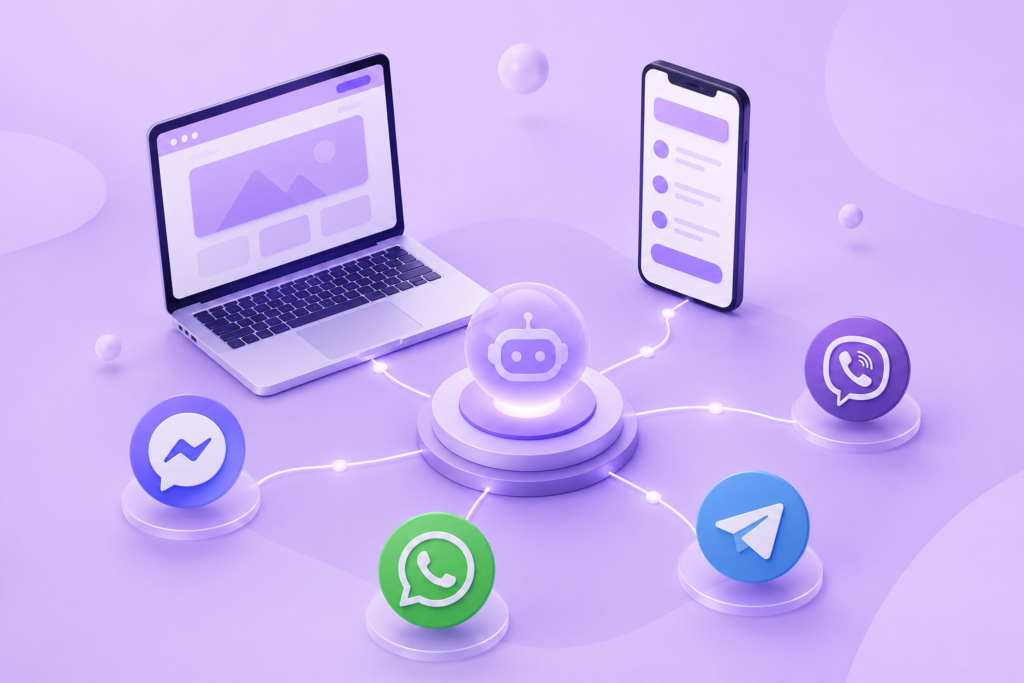
In today’s digital landscape, guests interact with hotels through multiple channels, including websites, mobile apps, and messaging platforms. Hotel chatbots ensure a seamless experience by integrating across all these channels.
Multi-channel integration allows guests to communicate with the chatbot using their preferred platform. Whether it is a website chat widget, a mobile app, or a messaging service, the chatbot provides consistent and reliable responses. This ensures a unified experience and enhances customer satisfaction.
Furthermore, integration with messaging platforms enables hotels to reach a wider audience. Guests can interact with the chatbot using familiar interfaces, making communication more convenient. Additionally, chatbots can synchronize data across channels, ensuring that guest information and interactions are consistent.
Another benefit is improved accessibility. Guests can access chatbot services anytime and from anywhere. This is particularly important for international travelers who may need assistance outside regular business hours. By integrating chatbots across multiple channels, hotels can deliver a seamless and efficient communication experience.
Enhancing Customer Support with 24/7 Availability
Customer support is a critical component of the hospitality industry, and hotel chatbots significantly enhance it by providing round-the-clock assistance. Unlike traditional support systems, chatbots are always available to address guest queries and concerns.
One of the key advantages of 24/7 availability is immediate response time. Guests no longer need to wait for support agents to become available. Instead, they receive instant assistance, which improves satisfaction and reduces frustration. This is especially important for handling urgent requests and resolving issues quickly.
Additionally, chatbots can handle a large volume of inquiries simultaneously. This ensures that all guests receive timely responses, even during peak periods. By automating routine queries, chatbots free up human staff to focus on more complex tasks. This improves overall efficiency and service quality.
Moreover, continuous availability enhances guest trust and loyalty. Guests feel confident knowing that support is always accessible. This positive experience encourages repeat visits and strengthens brand reputation. By providing 24/7 customer support, hotel chatbots deliver both convenience and reliability.
Data Security and Privacy in Hotel Chatbots
As hotels increasingly rely on digital tools, data security and privacy have become critical concerns. Hotel chatbots handle sensitive guest information such as personal details, payment data, and booking history. Therefore, implementing strong security measures is essential to protect user data and maintain trust.
One of the most important aspects of chatbot security is data encryption. All communication between the chatbot and users should be encrypted to prevent unauthorized access. Secure APIs and authentication protocols ensure that only verified systems can access guest data. Following best practices outlined in <u>https://developers.google.com/search/docs/advanced/security/secure-sites</u> helps maintain a safe and trustworthy digital environment.
Additionally, compliance with global data protection regulations is crucial. Hotels must ensure that their chatbot systems adhere to standards such as GDPR and other privacy laws. Transparent data usage policies and clear consent mechanisms also build trust with users. By prioritizing security and privacy, hotels can confidently implement chatbot solutions while safeguarding guest information.
SEO Benefits of Implementing a Hotel Chatbot
A hotel chatbot is not just a customer service tool—it also plays a significant role in improving search engine visibility. By enhancing user engagement and reducing bounce rates, chatbots contribute positively to SEO performance. Search engines prioritize websites that deliver valuable and interactive user experiences.
One of the key SEO benefits is improved dwell time. When users interact with a chatbot, they spend more time on the website. This signals to search engines that the content is relevant and engaging. Additionally, chatbots can guide users to important pages, increasing internal linking opportunities and improving site navigation.
Another advantage is voice search optimization. Many chatbots are designed to handle conversational queries, which align with how users perform voice searches. By understanding natural language, chatbots help websites rank for long-tail keywords and conversational phrases. Following guidelines from Google SEO Starter Guide ensures that chatbot integration supports overall SEO strategy effectively.
Personalization and Customer Engagement Strategies
Personalization is a key factor in delivering exceptional guest experiences, and hotel chatbots excel in this area. By analyzing guest data and preferences, chatbots can provide tailored recommendations and interactions that make guests feel valued.
One effective strategy is behavior-based personalization. Chatbots can track user behavior, such as browsing history and previous bookings, to offer relevant suggestions. For example, a returning guest might receive personalized room recommendations or exclusive offers. This level of customization enhances satisfaction and encourages repeat bookings.
Another strategy involves proactive engagement. Chatbots can initiate conversations by offering assistance, sharing promotions, or providing updates. This creates a more interactive experience and keeps guests engaged throughout their journey. Personalized communication not only improves user experience but also strengthens brand loyalty.
Integration with Hotel Management Systems (PMS & CRM)
For a hotel chatbot to deliver maximum value, it must integrate seamlessly with existing systems such as property management systems (PMS) and customer relationship management (CRM) platforms. These integrations enable chatbots to access real-time data and provide accurate information to guests.
Integration with PMS allows chatbots to check room availability, update bookings, and manage reservations efficiently. This ensures that guests receive up-to-date information and eliminates the risk of errors such as double bookings. Additionally, chatbots can automate tasks such as check-in and check-out processes, improving operational efficiency.
CRM integration enhances personalization by providing access to guest profiles and preferences. Chatbots can use this data to deliver customized experiences and targeted offers. By connecting with essential hotel systems, chatbots become a powerful tool for both customer engagement and operational management.
Common Mistakes Hotels Make When Using Chatbots
Despite the benefits, many hotels fail to maximize the potential of chatbots due to common mistakes. One of the most frequent issues is lack of clear objectives. Without a defined purpose, chatbots may deliver inconsistent or irrelevant responses, leading to poor user experience.
Another mistake is over-automation. While chatbots are effective for handling routine tasks, relying on them for complex issues can frustrate guests. Hotels should ensure a smooth transition to human support when needed. Balancing automation with human interaction is key to maintaining service quality.
Additionally, poor chatbot training can result in inaccurate responses. Chatbots must be regularly updated and trained using real data to improve performance. Ignoring user feedback and failing to optimize the chatbot can lead to inefficiencies. Avoiding these mistakes ensures that chatbots deliver maximum value.
Future Trends in Hotel Chatbots and AI in Hospitality
The future of hotel chatbots is driven by advancements in artificial intelligence and emerging technologies. As AI continues to evolve, chatbots will become more intelligent, intuitive, and capable of delivering highly personalized experiences.
One major trend is the integration of voice assistants. Guests will increasingly interact with chatbots using voice commands, making communication more natural and convenient. Additionally, advancements in AI will enable chatbots to understand emotions and sentiment, allowing for more empathetic interactions.
Another trend is the use of predictive analytics. Chatbots will anticipate guest needs and provide proactive solutions, such as recommending services or offering upgrades. Integration with technologies like IoT will further enhance automation, enabling smart room controls and personalized environments. These innovations will redefine the hospitality experience.
Best Practices for Implementing a Hotel Chatbot
Implementing a hotel chatbot successfully requires careful planning and adherence to best practices. One of the most important steps is defining clear goals. Hotels should identify specific use cases, such as booking automation or customer support, to ensure focused implementation.
Another best practice is continuous optimization. Chatbots should be regularly updated based on user feedback and performance data. This ensures that they remain accurate, relevant, and effective. Monitoring key metrics such as response time and user satisfaction helps improve performance.
Additionally, maintaining a balance between automation and human interaction is essential. Chatbots should handle routine tasks while allowing seamless escalation to human agents when needed. Following guidelines from Google Helpful Content Guidelines ensures that chatbot interactions remain user-focused and valuable.
FAQs
1. What is a hotel chatbot?
A hotel chatbot is an AI-powered tool that interacts with guests, answers queries, and automates hotel services such as bookings and customer support.
2. How do hotel chatbots improve guest experience?
They provide instant responses, personalized recommendations, and 24/7 support, ensuring a seamless and efficient experience.
3. Are hotel chatbots secure?
Yes, when implemented correctly with encryption and compliance standards, chatbots ensure data security and privacy.
4. Can chatbots handle bookings?
Yes, advanced chatbots can manage reservations, check availability, and process bookings in real time.
5. Do chatbots replace human staff?
No, they complement human staff by handling routine tasks, allowing employees to focus on complex interactions.
6. How do chatbots help increase revenue?
They improve booking conversions, enable upselling, and enhance customer engagement.
7. Are chatbots suitable for small hotels?
Yes, chatbots are scalable and can benefit hotels of all sizes by improving efficiency and reducing costs.
8. What platforms can chatbots integrate with?
They can integrate with websites, mobile apps, messaging platforms, PMS, and CRM systems.
Conclusion
Hotel chatbots are transforming the hospitality industry by delivering faster, smarter, and more personalized guest experiences. From automating bookings to enhancing customer support, these AI-powered tools provide significant advantages for modern hotels. As technology continues to evolve, chatbots will play an even greater role in shaping the future of hospitality.
Businesses that adopt chatbot solutions early gain a competitive edge by improving efficiency, reducing costs, and increasing customer satisfaction. Platforms like Chattbotz demonstrate how innovative chatbot technology can streamline operations and drive growth. By implementing best practices and focusing on user experience, hotels can unlock the full potential of chatbot solutions.
Want to Implement This Easily?
Prompt:
You are an expert consultant. Based on the blog post titled “Hotel Chatbot”, provide a step-by-step, practical implementation guide. Include tools, best practices, common mistakes to avoid, and advanced tips. Assume the reader wants to implement everything discussed in this article effectively.
Call to Action:
Want our help implementing this? Just reach out to us via our website contact form: https://chattbotz.com/contact-us/