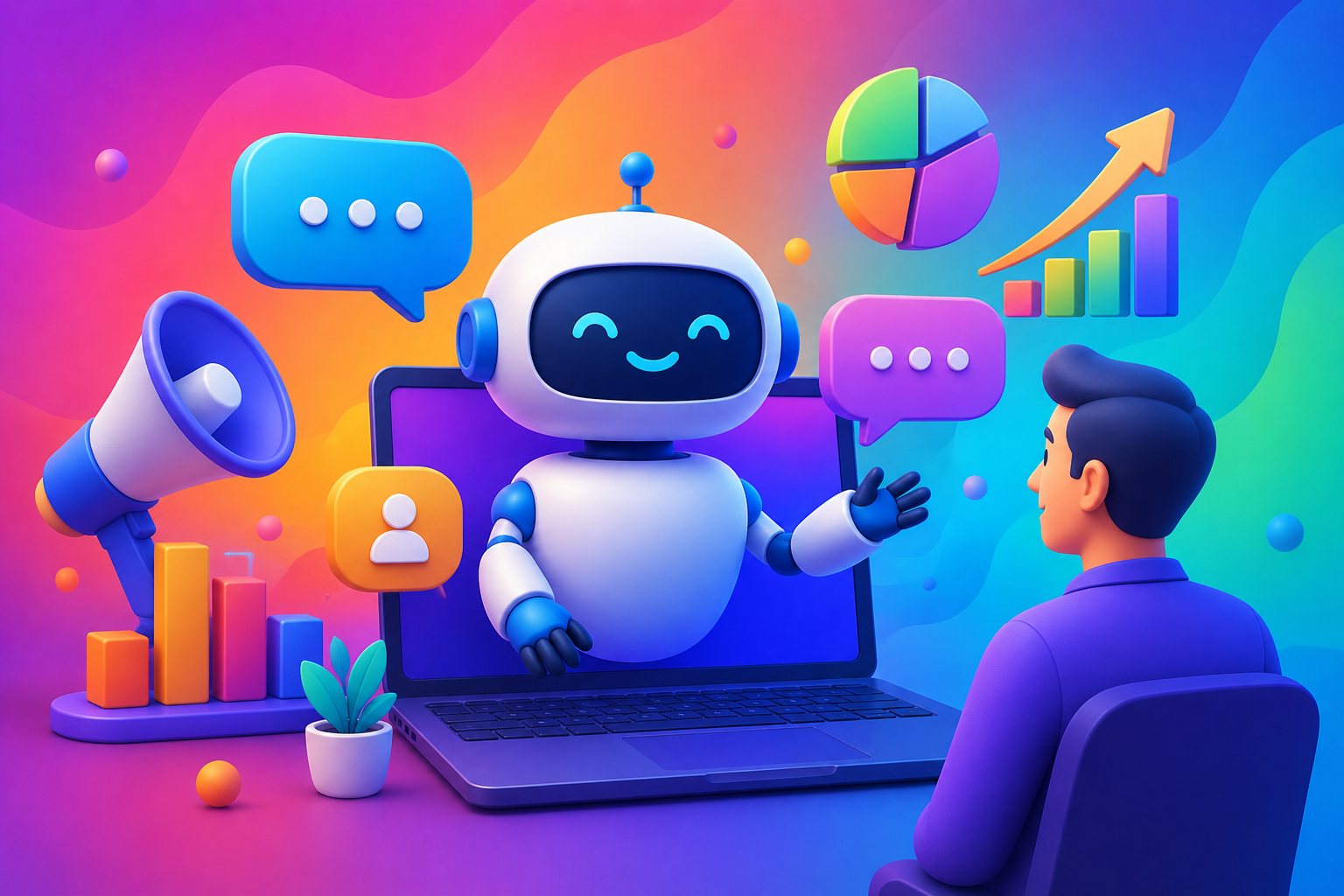

Boost your business with an advanced Agency Chatbot. Learn how AI-powered chatbot solutions transform agencies, automate workflows, increase leads, and improve customer experience.
Introduction to Agency Chatbots and Their Growing Importance
In today’s digital-first economy, agencies are under constant pressure to deliver faster, smarter, and more personalized services. This is where the concept of an Agency Chatbot becomes not just relevant, but essential. An agency chatbot is an AI-powered conversational tool designed to automate communication, streamline operations, and enhance client engagement for marketing, design, development, and consulting agencies. These intelligent systems can handle everything from lead generation to customer support, freeing up valuable human resources.
The rise of artificial intelligence and machine learning has significantly accelerated chatbot adoption. Agencies are increasingly leveraging conversational AI to provide real-time responses, improve customer satisfaction, and maintain a competitive edge. Unlike traditional tools, chatbots offer 24/7 availability, consistent messaging, and scalability—making them indispensable for agencies managing multiple clients simultaneously.
At ChattBotz, the focus is on helping agencies harness the full potential of chatbot technology. By integrating smart automation into daily workflows, agencies can reduce operational costs, improve efficiency, and deliver superior results. As businesses continue to shift toward automation and personalization, agency chatbots are no longer optional—they are a core component of modern agency infrastructure.
How Agency Chatbots Work: Technology Behind the Scenes
Understanding how an agency chatbot works is crucial for implementing it effectively. At its core, a chatbot relies on technologies like Natural Language Processing (NLP), Machine Learning (ML), and AI-driven algorithms. NLP enables the chatbot to understand user input, while ML helps it learn from interactions and improve over time. Together, these technologies create a dynamic system capable of handling complex conversations.
Modern agency chatbots are often integrated with Customer Relationship Management (CRM) systems, analytics tools, and marketing platforms. This integration allows the chatbot to access customer data, personalize responses, and automate workflows such as email follow-ups, appointment scheduling, and lead qualification. The result is a seamless experience for both the agency and its clients.
Another critical component is chatbot training. Agencies must continuously refine their chatbot’s responses using real-world data. This ensures accuracy, relevance, and effectiveness in communication. With advancements in AI, chatbots are becoming increasingly human-like, capable of understanding context, sentiment, and intent. This evolution is transforming how agencies interact with clients and prospects.
Key Benefits of Using an Agency Chatbot
The adoption of an agency chatbot offers a wide range of benefits that directly impact business growth and efficiency. One of the most significant advantages is automation. By automating repetitive tasks such as answering FAQs, scheduling meetings, and collecting client information, agencies can focus on high-value activities that require human expertise.
Another major benefit is improved customer engagement. Chatbots provide instant responses, reducing wait times and enhancing user satisfaction. In a competitive market, quick and accurate communication can make the difference between winning and losing a client. Additionally, chatbots ensure consistent messaging, which is crucial for maintaining brand identity across multiple channels.
Cost efficiency is another compelling reason to invest in agency chatbots. By reducing the need for large support teams, agencies can significantly lower operational expenses. Moreover, chatbots can handle multiple conversations simultaneously, making them highly scalable. This combination of efficiency, scalability, and improved user experience makes agency chatbots a powerful tool for modern businesses.
Types of Agency Chatbots for Different Business Needs
Not all agency chatbots are created equal. Depending on the specific needs of an agency, different types of chatbots can be deployed. The most common type is the rule-based chatbot, which follows predefined scripts and workflows. These chatbots are ideal for handling simple queries and structured interactions.
On the other hand, AI-powered chatbots offer more advanced capabilities. These chatbots use machine learning to understand user intent and provide dynamic responses. They are particularly useful for agencies that require complex interactions, such as lead qualification, customer support, and personalized recommendations.
There are also hybrid chatbots, which combine rule-based logic with AI capabilities. This approach provides the best of both worlds—structured workflows for efficiency and AI-driven responses for flexibility. Agencies can choose the type of chatbot that aligns with their goals, budget, and technical requirements. By selecting the right type, agencies can maximize the effectiveness of their chatbot strategy.
Use Cases of Agency Chatbots in Digital Marketing
Agency chatbots have become a cornerstone of modern digital marketing strategies. One of the most popular use cases is lead generation. Chatbots can engage website visitors, ask qualifying questions, and capture contact information—all in real time. This ensures that no potential lead is missed, even outside business hours.
Another important application is customer support. Chatbots can handle common queries, provide instant solutions, and escalate complex issues to human agents when necessary. This not only improves response times but also enhances customer satisfaction. Additionally, chatbots can be used for email marketing automation, sending personalized messages based on user behavior and preferences.
Social media integration is another powerful feature. Chatbots can be deployed on platforms like Facebook Messenger and WhatsApp to engage users directly. This enables agencies to reach their audience where they are most active. By leveraging these use cases, agencies can create more effective and engaging marketing campaigns.
Role of AI and Machine Learning in Agency Chatbots
Artificial Intelligence and Machine Learning are the driving forces behind modern agency chatbots. AI enables chatbots to understand natural language, recognize patterns, and make decisions based on data. Machine Learning, on the other hand, allows chatbots to improve over time by learning from interactions.
One of the key advantages of AI-powered chatbots is their ability to provide personalized experiences. By analyzing user data, chatbots can tailor responses, recommend products or services, and anticipate customer needs. This level of personalization is essential for building strong client relationships and increasing conversion rates.
Furthermore, AI and ML enable predictive analytics. Chatbots can identify trends, forecast customer behavior, and provide actionable insights. This helps agencies make data-driven decisions and optimize their strategies. As AI technology continues to evolve, the capabilities of agency chatbots will only expand, making them even more valuable.
Integrating Agency Chatbots with Existing Tools and Platforms
Integration is a critical aspect of implementing an agency chatbot. To maximize its effectiveness, the chatbot must be connected to existing tools and platforms such as CRM systems, marketing automation software, and analytics tools. This ensures a seamless flow of data and enhances overall efficiency.
For example, integrating a chatbot with a CRM system allows it to access customer data and provide personalized responses. It also enables automatic data entry, reducing manual work and minimizing errors. Similarly, integration with marketing platforms allows chatbots to trigger campaigns, send follow-up emails, and track user behavior.
Another important integration is with analytics tools. By analyzing chatbot interactions, agencies can gain valuable insights into customer preferences, pain points, and behavior. This information can be used to optimize marketing strategies and improve overall performance. Proper integration ensures that the chatbot becomes a central component of the agency’s digital ecosystem.
Designing an Effective Agency Chatbot Strategy

Creating a successful agency chatbot requires a well-defined strategy. The first step is to identify the أهداف and objectives of the chatbot. Whether it is lead generation, customer support, or sales automation, having clear goals ensures that the chatbot delivers measurable results.
Next, agencies must design the conversation flow. This involves mapping out user journeys, defining responses, and creating engaging interactions. A well-designed chatbot should be intuitive, user-friendly, and capable of handling مختلف scenarios. It should also include fallback options for handling unexpected queries.
Testing and optimization are equally important. Agencies should continuously monitor chatbot performance, analyze user interactions, and make improvements based on data. This iterative approach ensures that the chatbot remains effective and relevant. By following a structured strategy, agencies can maximize the impact of their chatbot implementation.
Agency Chatbots for Lead Generation and Conversion Optimization
One of the most powerful applications of an Agency Chatbot is its ability to drive high-quality lead generation and significantly improve conversion rates. Traditional lead capture methods such as static forms often fail to engage users effectively. In contrast, chatbots create interactive, real-time conversations that guide visitors through a personalized journey, making the process more engaging and intuitive.
Chatbots can qualify leads by asking targeted questions based on user behavior, preferences, and intent. This ensures that agencies collect meaningful data rather than generic information. For example, a chatbot can ask about budget, project timeline, and service requirements, helping agencies identify high-value prospects quickly. This automated qualification process reduces manual effort and improves sales efficiency.
Moreover, chatbots play a crucial role in conversion rate optimization. By providing instant responses, addressing objections, and offering relevant solutions, chatbots help users move through the sales funnel seamlessly. They can also trigger personalized offers, schedule consultations, and follow up with potential clients. This proactive engagement ensures that no opportunity is missed, ultimately boosting revenue and business growth.
Personalization and Customer Experience with Agency Chatbots
In today’s competitive landscape, personalization is no longer a luxury—it is an expectation. Agency chatbots excel at delivering highly personalized experiences by leveraging user data and behavioral insights. By analyzing past interactions, preferences, and demographics, chatbots can tailor responses that resonate with individual users.
Personalized communication enhances customer experience by making interactions more relevant and meaningful. For instance, a returning visitor can be greeted by name and offered solutions based on previous inquiries. This level of customization builds trust and strengthens relationships, which is essential for long-term client retention.
Additionally, chatbots can provide consistent and seamless experiences across multiple channels, including websites, social media, and messaging platforms. This omnichannel approach ensures that users receive the same level of service regardless of where they interact with the agency. By prioritizing personalization and customer experience, agencies can differentiate themselves and create lasting impressions.
Security, Privacy, and Compliance in Agency Chatbots
Security and privacy are critical considerations when implementing an agency chatbot. Since chatbots often handle sensitive customer data, agencies must ensure that their systems comply with industry standards and regulations. This includes data encryption, secure storage, and access control mechanisms.
Following guidelines such as Google Search Essentials helps ensure that chatbot implementations align with best practices for user trust and transparency. Agencies should also adopt secure authentication methods and regularly update their systems to protect against vulnerabilities.
Another important aspect is user consent and data handling. Agencies must clearly communicate how user data is collected, stored, and used. Providing opt-in options and maintaining transparency builds trust and enhances credibility. By prioritizing security and compliance, agencies can protect their clients and maintain a strong reputation in the market.
Measuring Success: KPIs and Performance Metrics
To ensure the effectiveness of an agency chatbot, it is essential to track key performance indicators (KPIs) and metrics. These metrics provide valuable insights into how well the chatbot is performing and where improvements are needed. Common KPIs include response time, engagement rate, lead conversion rate, and customer satisfaction.
Analytics tools play a crucial role in measuring chatbot performance. By analyzing user interactions, agencies can identify patterns, trends, and areas for optimization. For example, a high drop-off rate may indicate issues with conversation flow or user experience. Addressing these issues can significantly improve performance.
Additionally, agencies should set clear أهداف and benchmarks to measure success. Regular monitoring and reporting ensure that the chatbot continues to deliver value. By leveraging data-driven insights, agencies can refine their strategies and achieve better results over time.
Future Trends in Agency Chatbots and Conversational AI
The future of agency chatbots is shaped by rapid advancements in AI and conversational technologies. One of the most exciting trends is the integration of voice-based interactions. Voice-enabled chatbots allow users to communicate naturally, enhancing accessibility and convenience.
Another emerging trend is the use of advanced AI models that understand context and эмоции. These chatbots can detect user sentiment and respond accordingly, creating more empathetic and human-like interactions. This capability is particularly valuable for customer support and relationship management.
Additionally, the integration of augmented reality (AR) and virtual reality (VR) is expected to revolutionize chatbot experiences. These technologies will enable immersive interactions, allowing users to explore products and services in new ways. As these trends continue to evolve, agency chatbots will become even more sophisticated and impactful.
Common Mistakes Agencies Make with Chatbots
Despite the benefits, many agencies make critical mistakes when implementing chatbots. One common error is over-automation. Relying too heavily on automation without human oversight can lead to poor user experiences, especially when handling complex queries.
Another mistake is poor conversation design. Chatbots that lack clear structure or fail to understand user intent can frustrate users and lead to high drop-off rates. Agencies must invest time in designing intuitive and engaging conversation flows.
Ignoring data and analytics is another major pitfall. Without analyzing performance metrics, agencies cannot identify areas for improvement. Additionally, failing to update and train the chatbot regularly can result in outdated and inaccurate responses. Avoiding these mistakes is crucial for maximizing the effectiveness of an agency chatbot.
Best Practices for Building a High-Performing Agency Chatbot

Building a successful agency chatbot requires a combination of strategy, technology, and continuous optimization. One of the most important best practices is to focus on user experience. The chatbot should be easy to use, responsive, and capable of handling a wide range of queries.
Another key practice is continuous improvement. Agencies should regularly update their chatbot based on user feedback and performance data. This ensures that the chatbot remains relevant and effective. Leveraging insights from authoritative resources like Google Search Quality Guidelines can further enhance quality and trustworthiness.
Integration and scalability are also critical. A high-performing chatbot should seamlessly integrate with existing systems and be capable of handling increasing volumes of interactions. By following these best practices, agencies can build chatbots that deliver real value and drive business success.
FAQs
1. What is an agency chatbot?
An agency chatbot is an AI-powered tool designed to automate communication, improve customer engagement, and streamline workflows for agencies.
2. How do agency chatbots generate leads?
They engage visitors in real-time, ask qualifying questions, and capture contact information, ensuring no potential lead is missed.
3. Are agency chatbots expensive to implement?
Costs vary depending on features and complexity, but they often reduce long-term operational expenses.
4. Can chatbots replace human agents?
No, they complement human agents by handling repetitive tasks while humans focus on complex interactions.
5. How secure are agency chatbots?
When implemented correctly with encryption and compliance standards, they are highly secure.
6. Do chatbots work on social media platforms?
Yes, they can be integrated with platforms like Facebook Messenger and WhatsApp.
7. How long does it take to build a chatbot?
It depends on complexity, but basic chatbots can be deployed within days, while advanced ones may take weeks.
8. Can small agencies benefit from chatbots?
Absolutely. Chatbots help small agencies scale operations and compete with larger firms.
Best Practices Summary
- Focus on clear objectives and defined goals
- Design user-friendly and engaging conversation flows
- Continuously monitor and optimize performance
- Integrate with CRM and marketing tools
- Ensure data security and compliance
- Use personalization to enhance user experience
- Avoid over-automation and maintain human oversight
Conclusion
Agency chatbots have become a transformative force in the digital landscape, enabling agencies to automate processes, enhance customer engagement, and drive business growth. From lead generation to personalized communication, these intelligent tools offer unparalleled efficiency and scalability.
By adopting best practices, avoiding common mistakes, and leveraging advanced technologies, agencies can unlock the full potential of chatbot solutions. As the demand for automation and personalization continues to grow, agency chatbots will play an increasingly vital role in shaping the future of digital services.
At ChattBotz, the mission is to empower agencies with cutting-edge chatbot solutions that deliver real results. Whether you are just starting or looking to optimize your existing systems, investing in an agency chatbot is a strategic decision that can drive long-term success.
Want to Implement This Easily?
Prompt
You are an expert consultant. Based on the blog post titled “(Agency Chatbot)”, provide a step-by-step, practical implementation guide. Include tools, best practices, common mistakes to avoid, and advanced tips. Assume the reader wants to implement everything discussed in this article effectively.
Call to Action
Want our help implementing this? Just reach out to us via our website contact form: https://appledew.co.uk/cb/contact-us/