
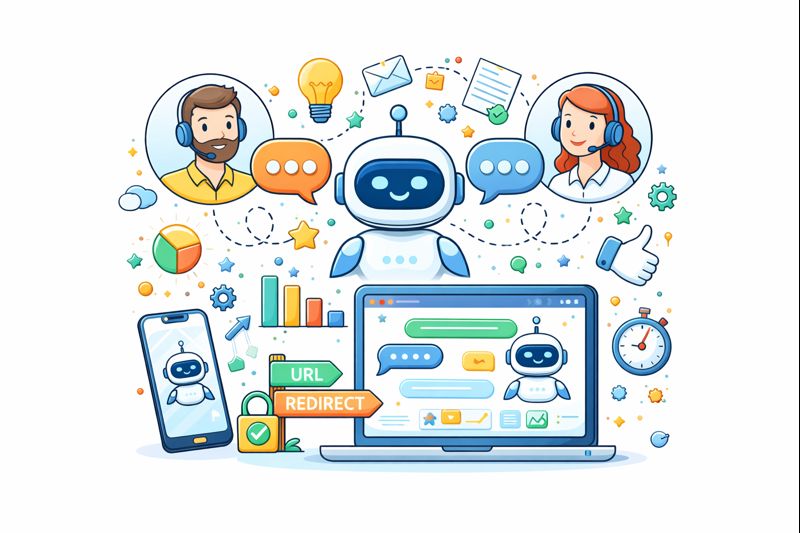
In today’s fast-paced digital landscape, businesses and marketing agencies are constantly looking for innovative ways to enhance client communication, automate repetitive tasks, and boost efficiency. One solution that has rapidly gained popularity is the Agency Chatbot. These AI-driven tools provide seamless interactions, personalized customer experiences, and measurable performance insights. Whether it’s managing client inquiries, generating leads, or streamlining project workflows, agency chatbots are becoming indispensable in modern business operations.
Introduction
At Chattbotz, we understand the immense value an effective Agency Chatbot can bring to your business. Not only does it simplify communication between agencies and clients, but it also reduces operational workload, enhances user experience, and ensures consistent brand messaging. By leveraging AI and machine learning, chatbots can adapt to user behavior, provide instant responses, and even anticipate client needs before they arise. This blog explores the world of agency chatbots, their benefits, applications, common mistakes to avoid, and how businesses can integrate them efficiently.
What is an Agency Chatbot?
An Agency Chatbot is an AI-powered virtual assistant specifically designed to serve marketing, creative, or service-based agencies. Unlike generic chatbots, these are tailored to handle complex client requirements, manage multiple projects, and maintain personalized communication for different clients. They integrate with CRM systems, project management tools, and communication platforms to deliver seamless experiences.
The primary advantage of an agency chatbot is its ability to automate repetitive tasks such as client follow-ups, lead qualification, appointment scheduling, and reporting. This not only improves productivity but also ensures that clients receive timely and accurate responses, increasing satisfaction and trust. According to Forbes, agencies implementing AI chatbots have reported up to a 40% increase in efficiency and faster response times for client queries.
Key Benefits of Agency Chatbots
Implementing an agency chatbot offers numerous benefits, making it a strategic investment for modern agencies:
- 24/7 Availability: Chatbots can interact with clients around the clock, providing instant responses and reducing wait times.
- Lead Generation: Advanced chatbots can qualify leads, capture essential information, and route prospects to the right team members.
- Personalization: AI chatbots analyze user behavior to deliver tailored recommendations and solutions.
- Operational Efficiency: Automating repetitive tasks allows agency teams to focus on high-value strategic work.
- Data Insights: Chatbots collect interaction data that agencies can use to improve services, track performance, and optimize campaigns.
Agencies using chatbots see not only operational improvements but also a noticeable increase in client retention and engagement. As HubSpot notes, integrating chatbots can enhance lead conversion rates by up to 30%, making them a valuable tool for scaling agency operations.
Types of Agency Chatbots
Agency chatbots can be categorized based on their functionality:
- Customer Support Chatbots: Focus on handling client inquiries, troubleshooting issues, and providing instant assistance.
- Lead Generation Chatbots: Designed to capture potential client data, qualify leads, and schedule consultations.
- Sales & Marketing Chatbots: Engage visitors, suggest services, and drive conversions for agency offerings.
- Project Management Chatbots: Assist in tracking project timelines, updating clients, and notifying team members of milestones.
Each type can be further customized to suit an agency’s niche or client base. For example, a digital marketing agency may focus heavily on lead generation chatbots, whereas a design agency might prioritize project management bots. Integrating chatbots with platforms like Salesforce or Slack ensures seamless workflow management and enhances team productivity.
How Agency Chatbots Improve Client Communication
Effective communication is the backbone of every successful agency. An agency chatbot enhances client communication by:
- Instant Response: Reduces response time significantly compared to traditional email or phone communication.
- Consistency: Ensures accurate information delivery, preventing misunderstandings and miscommunication.
- Multi-Channel Support: Chatbots can operate across websites, social media, and messaging apps.
- Interactive Experience: Engages clients through quizzes, surveys, or personalized suggestions, improving engagement.
Research from MIT Technology Review emphasizes that companies implementing AI chatbots in client communication report higher satisfaction scores and more efficient resolution of queries. For agencies managing multiple clients, these tools maintain consistent communication while saving valuable human resources.
Integrating AI and Machine Learning
Modern agency chatbots leverage AI and machine learning to become more adaptive and intelligent over time. By analyzing client interactions, chatbots can:
- Predict client needs and offer relevant suggestions.
- Identify frequently asked questions and automate answers.
- Learn from past interactions to improve response quality.
- Optimize lead scoring and routing for faster conversions.
Integration with AI platforms such as OpenAI or Dialogflow allows agencies to create dynamic conversational experiences. This level of personalization not only improves client satisfaction but also demonstrates agency expertise, reinforcing trust and credibility.
Applications of Agency Chatbots

Agency chatbots have versatile applications across multiple areas:
- Marketing Campaigns: Automate engagement, nurture leads, and track campaign performance.
- Client Onboarding: Guide new clients through processes, gather essential information, and provide resources.
- Customer Support: Resolve queries quickly, reduce wait times, and escalate complex issues to human agents.
- Internal Team Support: Assist teams with project updates, task reminders, and knowledge base queries.
Agencies can implement chatbots for niche-specific purposes as well, such as social media management, SEO audits, or e-commerce support. As per Gartner, businesses integrating chatbots see up to 25% reduction in operational costs, making them highly cost-effective.
Choosing the Right Platform
Selecting the right platform is critical for maximizing the efficiency of an agency chatbot. Factors to consider include:
- Integration Capabilities: Ensure it can connect with existing CRMs, project management, and communication tools.
- AI Intelligence: Advanced NLP (Natural Language Processing) capabilities for understanding complex client queries.
- Customization Options: Ability to tailor responses, workflows, and user experience.
- Analytics: Track performance, client interactions, and identify areas for improvement.
Popular platforms include ManyChat, Tidio, and Intercom. Each offers unique features suitable for different agency requirements. Choosing the right solution ensures long-term scalability and efficiency.
Designing Conversational Workflows
A successful agency chatbot requires well-designed conversational workflows. This involves:
- Mapping client journeys to understand touchpoints.
- Creating intuitive conversation flows that guide users naturally.
- Incorporating fallback mechanisms for queries the bot cannot handle.
- Personalizing interactions using client data to increase engagement.
Effective conversational design ensures clients feel understood, valued, and supported. According to UX Collective, chatbots with clear, empathetic, and structured workflows result in higher engagement and conversion rates.
Personalization and Client Experience
Personalization is a cornerstone of modern agency operations, and an agency chatbot can significantly enhance client experience. By analyzing client data, browsing behavior, and previous interactions, chatbots can tailor responses, provide relevant recommendations, and anticipate client needs.
For example, a marketing agency chatbot can offer personalized campaign tips based on a client’s industry, or a design agency bot can suggest templates and resources suited to the client’s brand. This level of personalization strengthens client relationships, increases satisfaction, and encourages repeat business.
According to Salesforce, companies that integrate AI-driven personalization experience up to a 20% increase in customer engagement. Chatbots also collect valuable data that agencies can analyze for refining services, optimizing strategies, and delivering more targeted campaigns, ultimately demonstrating agency expertise and reliability.
Multilingual Capabilities
Global agencies often work with clients across different regions. Multilingual agency chatbots allow seamless communication in multiple languages, improving accessibility and client experience.
By integrating NLP technologies like Google Cloud Translation, chatbots can detect user language and respond appropriately, ensuring no client feels left out due to language barriers. Multilingual chatbots are particularly beneficial for international campaigns, cross-border projects, and agencies targeting diverse markets.
High-quality multilingual chatbots increase brand credibility and reduce communication errors, ensuring consistent messaging and a smooth workflow for agencies operating in different countries.
Automation of Repetitive Tasks
One of the most valuable features of an agency chatbot is task automation. Tasks such as appointment scheduling, follow-up emails, reporting, and FAQ handling can be automated, freeing agency teams to focus on strategic activities.
Platforms like Zapier allow chatbots to integrate with multiple tools, creating automated workflows that connect client communication, CRM updates, and project management tasks. Automation ensures that no lead is missed, no client query goes unanswered, and operational efficiency is maximized, reducing human error and response delays.
Lead Generation and Qualification
Lead generation is critical for agencies aiming to grow their client base. Agency chatbots can capture lead information, qualify prospects based on predefined criteria, and route them to the appropriate team member for follow-up.
For instance, a chatbot on a digital marketing agency’s website can ask potential clients about their budget, campaign goals, and timeline. Based on the responses, it can score leads and prioritize high-value prospects. According to HubSpot, using AI chatbots can increase lead conversion rates by up to 30%, proving their strategic value in client acquisition.
Integration with Existing Tools
For maximum efficiency, agency chatbots must integrate seamlessly with existing tools. This includes:
- CRMs: Salesforce, HubSpot, Zoho
- Project Management: Trello, Asana, Monday.com
- Communication Tools: Slack, Microsoft Teams, WhatsApp Business
Integration ensures smooth workflows, reduces duplicate work, and allows teams to access all client interactions from a centralized platform. Tools like Zapier and Integromat make these integrations simple, allowing chatbots to become a fully automated assistant for agency teams.
Measuring Chatbot Performance
To understand the effectiveness of an agency chatbot, agencies should track key performance metrics, such as:
- Response time
- Lead conversion rates
- Client satisfaction scores
- Chatbot resolution success rate
Analytics dashboards provided by platforms like Intercom and Drift offer detailed insights, helping agencies optimize their bots, improve client interactions, and make data-driven decisions. Regular monitoring ensures that the chatbot continues to meet agency objectives and deliver measurable ROI.
Scalability for Growing Agencies
As agencies expand, their client communication demands increase. Agency chatbots provide scalability by handling multiple interactions simultaneously, ensuring consistent responses regardless of client volume.
Unlike human teams, chatbots can manage unlimited client queries, freeing agency staff to focus on high-level strategy. Platforms like ManyChat and Tidio allow agencies to scale operations efficiently without additional headcount, making them ideal for growing businesses.
Future of Agency Chatbots

The future of agency chatbots is promising. Advancements in AI, natural language processing, and machine learning will make chatbots more intuitive, empathetic, and capable of handling complex tasks.
Emerging features may include:
- Sentiment analysis for understanding client emotions
- Predictive analytics for anticipating client needs
- Voice-based interactions for enhanced accessibility
According to Gartner, chatbots will continue to transform client experience, making agencies more efficient, client-centric, and competitive. Investing in these technologies today prepares agencies for a future driven by AI-powered client communication.
Common Mistakes to Avoid with Agency Chatbots
Even the best chatbots can underperform if mismanaged. Common mistakes include:
- Ignoring Personalization: Sending generic responses reduces client engagement. Always tailor interactions using client data.
- Poor Conversational Design: Confusing or rigid workflows frustrate users; map journeys carefully.
- Lack of Human Escalation: Some queries need human attention; ensure easy escalation.
- Neglecting Analytics: Without tracking performance, it’s impossible to optimize or measure ROI.
- Overcomplicating Tasks: Chatbots should simplify tasks, not add complexity. Keep workflows intuitive and user-friendly.
Avoiding these mistakes ensures your agency chatbot remains effective, scalable, and client-focused.
FAQs
Q1: Can agency chatbots handle multiple clients at once?
Yes, chatbots can manage unlimited concurrent interactions, ensuring fast responses without additional staff.
Q2: Are agency chatbots expensive to implement?
Costs vary by platform and customization. However, ROI is often high due to efficiency gains and lead conversions.
Q3: Do chatbots replace human staff?
No, chatbots assist staff by handling repetitive tasks, allowing humans to focus on strategic work.
Q4: Can chatbots be integrated with CRM systems?
Absolutely. Most chatbots integrate with popular CRMs like Salesforce, HubSpot, and Zoho.
Q5: How do chatbots improve lead generation?
They qualify leads, capture essential data, and route prospects to the right team member, increasing conversion rates.
Q6: Are chatbots secure for client data?
Yes, reputable chatbot platforms follow strict security protocols and comply with GDPR and other data protection laws.
Q7: Can chatbots be multilingual?
Yes, AI-powered chatbots can communicate in multiple languages, catering to international clients.
Q8: How do I measure chatbot performance?
Metrics include response time, lead conversions, client satisfaction, and resolution rates, often available via platform dashboards.
Q9: What is the best way to train a chatbot?
Provide FAQs, scripts, and historical client interactions to ensure the bot understands your business and client needs.
Q10: Are chatbots suitable for small agencies?
Yes, even small agencies benefit from automation, improved client communication, and lead generation.
Conclusion
Agency chatbots are no longer optional; they are essential tools for modern agencies aiming to enhance client communication, increase operational efficiency, and boost lead conversion rates. By integrating AI, leveraging personalization, automating repetitive tasks, and measuring performance, agencies can scale seamlessly while maintaining exceptional client experiences.
At Chattbotz, we provide expert guidance on implementing and optimizing agency chatbots to ensure your business stays competitive, future-ready, and client-focused. Investing in a chatbot today is not just an efficiency choice—it’s a strategic move toward sustainable growth and enhanced client satisfaction.