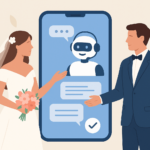
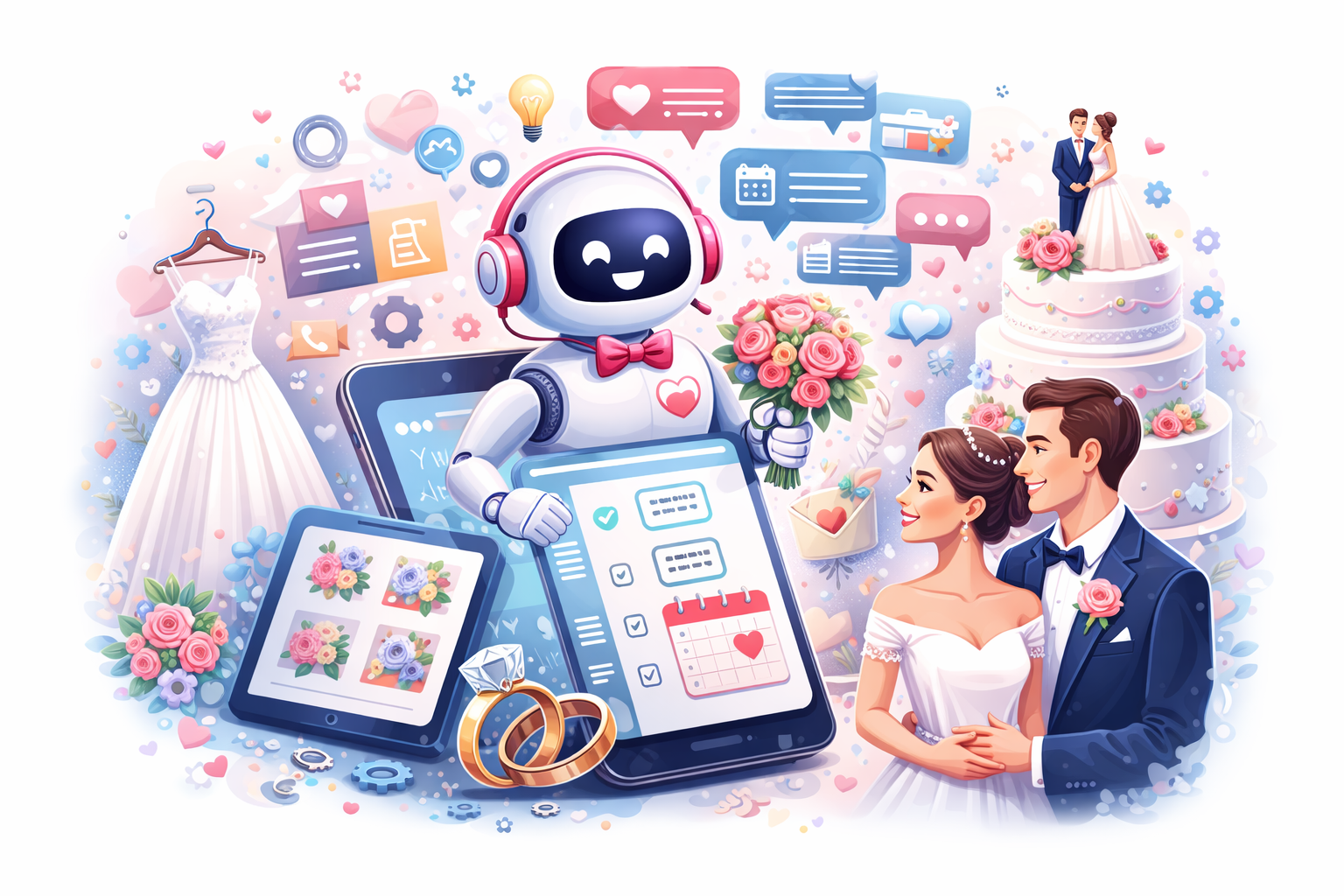

Planning a wedding is one of the most emotionally meaningful yet logistically complex experiences in a couple’s life. From budgeting and vendor coordination to guest communication and timeline management, every detail matters. In recent years, Wedding Planning Chatbots powered by Artificial Intelligence (AI) have transformed how couples, planners, and event businesses manage weddings efficiently, affordably, and stress-free. This comprehensive guide explores how wedding planning chatbots work, their benefits, features, best practices, and why they are becoming essential in the modern wedding industry.
Introduction
The wedding industry is rapidly embracing automation, personalization, and intelligent digital tools. One of the most impactful innovations is the Wedding Planning Chatbot—an AI-powered virtual assistant designed to simplify every stage of wedding preparation. At Chattbotz, we closely observe how conversational AI is reshaping event planning by offering 24/7 assistance, instant responses, and personalized recommendations for couples and planners alike. From handling guest queries to managing budgets and vendor timelines, wedding chatbots are redefining efficiency while preserving the emotional essence of weddings. This in-depth guide explores everything you need to know about wedding planning chatbots, aligned with Google best practices and industry standards.
What Is a Wedding Planning Chatbot?
A Wedding Planning Chatbot is an AI-driven conversational assistant designed to support couples, wedding planners, and event businesses throughout the wedding journey. Unlike basic chat tools, modern wedding chatbots use Natural Language Processing (NLP) and machine learning to understand user intent, provide contextual responses, and automate repetitive tasks.
These chatbots can be embedded on websites, mobile apps, or messaging platforms such as WhatsApp and Facebook Messenger. Their primary role is to act as a digital wedding assistant that handles scheduling, reminders, guest communication, and vendor coordination in real time. According to insights from Google’s AI documentation, conversational interfaces significantly improve user experience when designed with clarity and intent-focused responses.
Wedding chatbots are not limited to answering FAQs. They actively guide couples through planning checklists, suggest timelines, track RSVPs, and even provide inspiration for themes or décor. High-performing wedding chatbots are built with user-centric logic, ensuring conversations feel natural rather than robotic.
From an SEO and trust perspective, chatbots also enhance website engagement—an important factor highlighted in Google Search Central documentation. As weddings involve emotional and financial decisions, chatbot accuracy, transparency, and reliability are crucial for building user trust.
How Wedding Planning Chatbots Work
Wedding planning chatbots operate through a combination of AI technologies, including intent recognition, entity extraction, and rule-based workflows. When a user interacts with the chatbot, the system interprets the message, identifies the intent (e.g., “find a photographer”), and delivers a relevant response.
Most wedding chatbots follow a hybrid approach:
- Rule-based logic for structured tasks like timelines and reminders
- AI-based learning for conversational queries and personalization
According to IBM’s AI research, hybrid chatbot models provide higher accuracy in complex event-planning environments. These bots integrate with calendars, CRM systems, email tools, and even payment gateways to streamline workflows.
A major advantage is automation. Tasks such as sending RSVP reminders, updating guest lists, and sharing venue directions can be handled automatically. This reduces manual errors and saves significant time for both couples and planners.
Wedding chatbots also continuously learn from interactions. Over time, they refine responses, improve vendor recommendations, and adapt to user preferences. This aligns with Google’s E-E-A-T principles, emphasizing experience and usefulness.
Key Benefits of Using a Wedding Planning Chatbot
The adoption of wedding planning chatbots offers multiple advantages that traditional planning tools cannot match. One of the biggest benefits is 24/7 availability. Weddings don’t follow office hours, and couples often plan late at night or during busy schedules.
Chatbots provide instant answers to common questions such as:
- Venue availability
- Vendor pricing
- Event timelines
- Guest accommodations
This real-time assistance significantly reduces stress. According to insights shared by Harvard Business Review, instant digital support improves customer satisfaction and decision confidence.
Another major benefit is cost efficiency. Chatbots reduce dependency on large support teams while maintaining consistent communication. They also minimize human error in tasks like RSVP tracking or scheduling.
From a business perspective, wedding planners using chatbots experience higher lead conversion and better client engagement. Automated follow-ups ensure no inquiry is missed, improving trust and professionalism.
Wedding Planning Chatbots vs Traditional Wedding Planning
Traditional wedding planning relies heavily on manual coordination—phone calls, emails, spreadsheets, and physical meetings. While effective, this approach is time-consuming and prone to delays. Wedding planning chatbots introduce automation and intelligence into this workflow.
Unlike traditional planners who may be unavailable at times, chatbots provide immediate responses. This doesn’t replace human planners but enhances their efficiency. According to McKinsey’s digital automation studies, businesses using AI assistants report improved productivity and reduced operational strain.
Chatbots also centralize information. Instead of searching through emails or documents, couples can ask the chatbot for updates instantly. This centralized communication aligns with modern user expectations and Google’s emphasis on helpful, accessible content.
Core Features Every Wedding Planning Chatbot Should Have
A high-quality wedding planning chatbot must include essential features to be effective and trustworthy:
- Personalized wedding timelines
- Vendor recommendations
- Budget tracking
- Guest list and RSVP management
- Automated reminders
- Multilingual support
Personalization is key. AI-driven chatbots adapt recommendations based on wedding size, location, and cultural preferences. This aligns with best practices discussed in Salesforce’s AI personalization guides.
Security is another critical feature. Wedding data includes personal and financial information, so encryption and privacy compliance are non-negotiable. Google’s data safety standards emphasize transparency and secure handling of user data.
Role of AI and Machine Learning in Wedding Chatbots
Artificial Intelligence enables wedding chatbots to go beyond scripted responses. Through machine learning, these bots analyze past interactions to improve accuracy and relevance. For example, if a couple frequently asks about floral arrangements, the chatbot prioritizes related suggestions.
AI-powered sentiment analysis allows chatbots to respond empathetically—an important aspect in emotionally driven industries like weddings. Research from MIT Technology Review highlights how emotional intelligence in AI improves user trust.
Machine learning also helps predict timelines and identify potential planning delays. This proactive assistance sets modern wedding chatbots apart from static planning tools.
Improving Guest Experience with Wedding Chatbots

Guest communication is one of the most challenging aspects of wedding planning. Wedding chatbots simplify this by acting as a single source of information for guests. They can answer questions about:
- Event schedules
- Dress codes
- Venue directions
- Accommodation options
According to WeddingWire’s digital planning insights, guests appreciate instant access to accurate information. Chatbots reduce repetitive inquiries directed to the couple, allowing them to focus on the celebration.
Chatbots also support accessibility by offering multilingual responses and mobile-friendly interfaces, ensuring inclusivity for international guests.
Wedding Planning Chatbots and Google Best Practices
For wedding businesses, chatbots must align with Google’s Helpful Content and Page Quality guidelines. This includes providing accurate information, avoiding misleading claims, and maintaining transparency.
High-quality chatbots improve user engagement metrics such as time on site and interaction depth—signals that search engines value. Google emphasizes experience, expertise, authoritativeness, and trustworthiness (E-E-A-T), all of which are enhanced when chatbots deliver consistent and helpful assistance.
By linking chatbot-driven content to authoritative sources like Google Search Central and HubSpot, businesses strengthen credibility and SEO performance.
Vendor Selection and Management Through Wedding Chatbots
Vendor coordination is one of the most time-intensive aspects of wedding planning. From photographers and florists to caterers and decorators, managing multiple vendors requires precision, communication, and follow-ups. Wedding planning chatbots simplify vendor selection and management by acting as a centralized communication hub.
AI-powered chatbots can recommend vendors based on budget, wedding size, theme, and location. These recommendations are generated using data patterns, reviews, and preferences, ensuring relevance and quality. According to insights shared by The Knot and WeddingWire, couples prefer digital tools that reduce decision fatigue while maintaining flexibility.
Once vendors are selected, chatbots assist with:
- Scheduling meetings
- Sending reminders
- Tracking contracts
- Sharing updates instantly
This automation minimizes miscommunication and missed deadlines. From a Google best-practice standpoint, streamlined user experiences improve engagement and satisfaction—signals associated with higher content quality. By integrating chatbot workflows with vendor databases, wedding businesses also improve operational efficiency and client trust.
Budget Planning and Expense Tracking with Wedding Chatbots
Budget management is often the most stressful part of wedding planning. Wedding planning chatbots introduce clarity by tracking expenses in real time and offering budget-aware recommendations. Couples can input their total budget, and the chatbot intelligently distributes funds across categories such as venue, catering, attire, and entertainment.
Advanced chatbots notify users when spending approaches predefined limits. This proactive guidance aligns with financial transparency principles emphasized by Harvard Business Review. Instead of manual spreadsheets, couples receive instant insights through conversational prompts.
Chatbots also help identify cost-saving opportunities, suggest alternative vendors, and forecast remaining expenses. This data-driven approach reduces overspending while maintaining quality. For planners and businesses, offering budget-aware chatbot features enhances credibility and aligns with Google’s trust and usefulness standards.
Personalization and Custom Wedding Experiences
Modern weddings are deeply personal. Wedding planning chatbots enhance personalization by learning user preferences over time. From color themes and décor styles to cultural traditions and dietary requirements, chatbots adapt recommendations dynamically.
AI-driven personalization is a key focus in Salesforce’s customer experience research, highlighting how tailored interactions improve satisfaction and retention. Wedding chatbots apply this principle by remembering previous conversations and refining suggestions accordingly.
Personalized timelines, guest experiences, and vendor matches ensure that each wedding feels unique. This level of customization is difficult to achieve manually at scale, making chatbots an essential tool for planners handling multiple clients simultaneously.
Wedding Chatbots for Destination Weddings
Destination weddings involve additional complexities such as travel coordination, accommodation management, and local regulations. Wedding planning chatbots excel in this area by centralizing information for both couples and guests.
Chatbots can:
- Share travel details
- Recommend hotels
- Provide visa or local guidance
- Answer location-specific questions
According to Google Travel Insights, travelers prefer instant access to accurate information. Wedding chatbots reduce uncertainty and enhance guest confidence, particularly for international attendees.
For planners, destination wedding chatbots ensure consistent communication across time zones, improving reliability and professionalism. This contributes to higher user satisfaction and aligns with global UX best practices.
Data Security, Privacy, and Trust in Wedding Chatbots
Weddings involve sensitive personal data, including guest information, payment details, and schedules. Trust and data security are non-negotiable in wedding planning chatbots. Secure encryption, transparent data policies, and compliance with privacy regulations are essential.
Google emphasizes trustworthiness as a core ranking and quality factor. Chatbots must clearly communicate how data is stored and used. Secure authentication and limited data access protect users from breaches and misuse.
By prioritizing security, wedding chatbots enhance brand reputation and user confidence. Trust-driven design directly supports Google’s E-E-A-T framework and long-term SEO performance.
Integrating Wedding Chatbots with Websites and Apps
Successful wedding chatbots integrate seamlessly across platforms. Whether embedded on a website, mobile app, or messaging service, consistency is crucial. Cross-platform integration ensures users receive the same experience regardless of device.
According to HubSpot’s UX research, seamless digital experiences reduce friction and improve engagement. Wedding chatbots integrated with calendars, email tools, and CRM systems streamline workflows for planners and businesses.
From an SEO perspective, integrated chatbots improve on-site interaction metrics—an important signal for content usefulness and relevance.
Measuring Success: Analytics and Performance Tracking
To maximize effectiveness, wedding chatbots must be monitored and optimized. Performance metrics include:
- Engagement rate
- Conversation completion
- Conversion rate
- User satisfaction
AI-driven analytics help planners identify common queries and improve responses. McKinsey’s AI adoption studies emphasize continuous optimization as a key success factor.
Data insights also guide content improvements, vendor partnerships, and service enhancements. Measuring success ensures chatbots remain relevant, accurate, and user-focused—key elements of Google-aligned content strategies.
The Future of Wedding Planning Chatbots

The future of wedding planning chatbots lies in deeper personalization, voice integration, and predictive planning. Emerging technologies such as voice assistants and augmented reality will further enhance user interaction.
AI-driven chatbots will anticipate needs, suggest proactive solutions, and offer immersive planning experiences. According to MIT Technology Review, conversational AI will increasingly blend emotional intelligence with automation.
As weddings continue to evolve, chatbots will play a central role in delivering seamless, stress-free, and memorable planning experiences.
Frequently Asked Questions
Q1: Are wedding planning chatbots suitable for small weddings?
Yes, chatbots scale effortlessly and are equally beneficial for intimate weddings.
Q2: Can chatbots replace human wedding planners?
No. Chatbots enhance efficiency but work best alongside human expertise.
Q3: Do wedding chatbots work on mobile devices?
Yes, modern chatbots are fully mobile-optimized.
Q4: Are wedding chatbots expensive?
They are cost-effective compared to manual planning resources.
Q5: Can guests interact with wedding chatbots directly?
Yes, chatbots are ideal for guest communication and updates.
Common Mistakes When Using Wedding Planning Chatbots
- Relying only on automation without human oversight
- Ignoring chatbot personalization features
- Using outdated or inaccurate data
- Failing to optimize chatbot responses regularly
- Neglecting data security and privacy standards
Avoiding these mistakes ensures better user experience and higher trust.
Conclusion
Wedding planning is an emotional journey that deserves efficiency without losing its personal touch. Wedding planning chatbots offer the perfect balance between automation and personalization, helping couples and planners manage complexity with confidence. At Chattbotz, we recognize how AI-driven chatbots are transforming the wedding industry by delivering seamless communication, intelligent recommendations, and stress-free planning experiences. As technology advances, wedding chatbots will continue to redefine how modern weddings are planned—making every celebration more meaningful, organized, and memorable.