
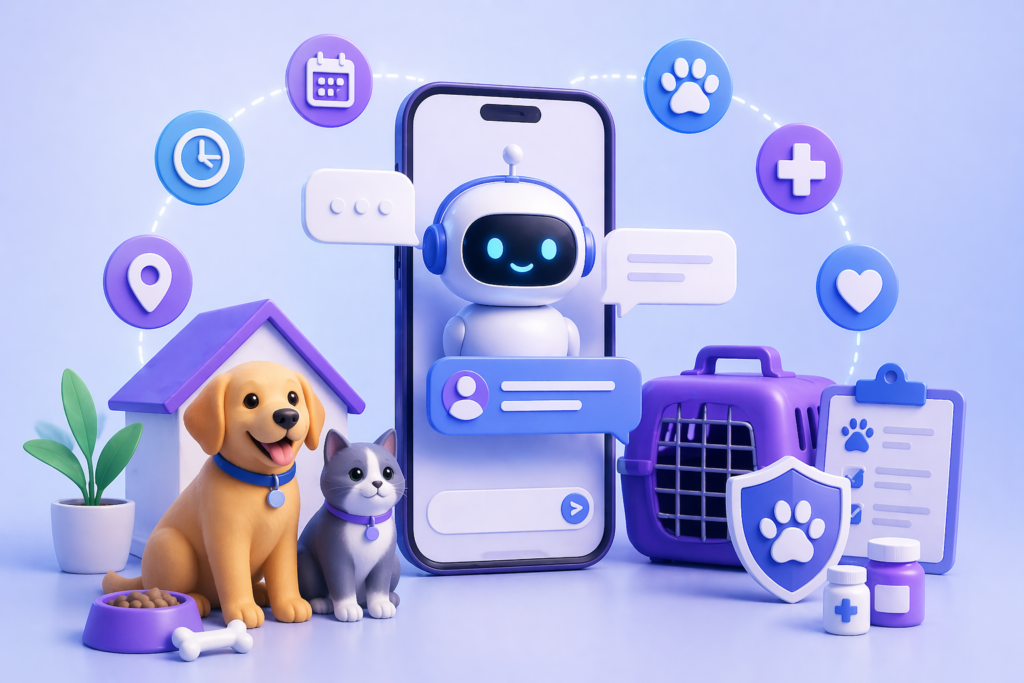
Pet Care Chatbot solutions are transforming modern pet services by automating customer support, appointment scheduling, pet health reminders, and personalized care guidance—helping businesses improve efficiency, engagement, and customer satisfaction.
Introduction
In today’s fast-moving digital world, pet owners expect fast responses, personalized recommendations, and reliable communication when caring for their beloved animals. Traditional customer service channels such as phone calls and emails often struggle to keep pace with modern expectations. This gap has led to the growing adoption of Pet Care Chatbot technology—an intelligent solution designed to deliver instant support, automate repetitive tasks, and provide accurate information whenever pet owners need assistance.
Businesses across veterinary clinics, grooming services, pet boarding facilities, and pet product retailers are embracing chatbot solutions to streamline operations and enhance customer satisfaction. These automated assistants work around the clock, ensuring that customers receive quick responses to questions about pet care, scheduling, pricing, and services. Platforms like Chattbotz are helping organizations deploy smart conversational systems that not only improve efficiency but also create meaningful, consistent communication experiences.
Beyond operational efficiency, chatbots also improve the quality of care pets receive. By sending reminders for vaccinations, medication schedules, and grooming appointments, they support responsible pet ownership. With increasing demand for personalized digital services, chatbot technology is becoming an essential part of the future of pet care. Businesses that adopt these tools early position themselves as modern, reliable, and customer-focused service providers.
Understanding What a Pet Care Chatbot Is and How It Works
A Pet Care Chatbot is an intelligent software application designed to simulate human conversation and provide automated assistance to pet owners and service providers. These chatbots operate using advanced technologies such as natural language processing (NLP), machine learning, and structured decision trees. By interpreting user messages and responding with relevant information, chatbots eliminate delays and provide consistent support across multiple communication channels.
At the core of chatbot functionality lies conversational AI technology. When a pet owner asks a question—such as how often to groom a dog or when to schedule vaccinations—the chatbot processes the input, identifies keywords, and retrieves the most accurate response from its knowledge base. Over time, machine learning algorithms allow chatbots to improve their responses based on user interactions. This continuous learning ensures that the chatbot becomes more accurate and helpful with each interaction.
Businesses benefit from chatbot automation because it reduces the burden on human staff while maintaining a high level of service quality. Tasks such as appointment scheduling, service inquiries, and basic pet care guidance can be handled instantly without human intervention. According to guidance found in the Search Engine Optimization (SEO) Starter Guide from Google, providing helpful and user-focused digital experiences improves engagement and trust—two factors that also apply strongly to conversational interfaces. By offering immediate, helpful responses, pet care chatbots enhance customer confidence and satisfaction.
Why Pet Businesses Are Rapidly Adopting Chatbot Technology
Pet businesses are increasingly adopting chatbot technology because customer expectations have changed dramatically. Pet owners today expect immediate responses to questions, flexible booking options, and personalized communication. Businesses that fail to meet these expectations risk losing customers to competitors who offer faster and more convenient services.
One of the primary reasons for chatbot adoption is efficiency. Customer service teams often spend significant time answering repetitive questions such as pricing details, appointment availability, and service descriptions. A chatbot automates these routine tasks, allowing staff members to focus on more complex responsibilities such as providing personalized care advice or handling emergency inquiries. This shift improves operational productivity while reducing costs associated with manual support.
Another factor driving chatbot adoption is the demand for omnichannel communication. Customers interact with businesses through websites, social media platforms, and messaging applications. Chatbots ensure consistent communication across all these channels. Guidance from the Mobile-Friendly Test documentation by Google emphasizes that mobile accessibility is essential for modern digital experiences. Chatbots designed for mobile compatibility ensure that pet owners receive assistance wherever they are—whether at home, traveling, or visiting a veterinary clinic.
Key Features That Make Pet Care Chatbots Highly Effective
Successful chatbot systems include several essential features that enhance performance and usability. These features transform simple automated tools into intelligent digital assistants capable of delivering real value to businesses and customers alike.
One of the most important features is 24/7 availability. Pet emergencies and inquiries can occur at any time, and customers appreciate immediate responses. A chatbot ensures that customers receive assistance even outside business hours. Another valuable feature is automated appointment scheduling, which allows users to book grooming sessions, veterinary visits, or boarding services directly through the chat interface. This functionality reduces administrative workload while improving booking efficiency.
Personalization capabilities also play a significant role in chatbot effectiveness. By storing user preferences and pet profiles, chatbots can provide tailored recommendations such as diet suggestions, grooming schedules, and vaccination reminders. According to PageSpeed Insights guidelines published by Google, fast-loading digital interfaces significantly improve user experience. Optimized chatbot systems ensure quick responses and seamless navigation, reducing frustration and improving satisfaction.
How Pet Care Chatbots Improve Customer Engagement and Loyalty
Customer engagement is essential for long-term business success, and chatbots play a crucial role in strengthening relationships with pet owners. By offering immediate assistance and personalized communication, chatbots create positive user experiences that encourage repeat interactions.
One way chatbots enhance engagement is through proactive communication. Instead of waiting for customers to initiate conversations, chatbots can send reminders for grooming appointments, vaccination schedules, or special promotions. These proactive messages demonstrate that the business values customer convenience and cares about pet well-being. Regular communication builds familiarity and trust, which are key factors in customer loyalty.
Chatbots also enable interactive experiences such as quizzes, product recommendations, and educational content. For example, a chatbot might ask a series of questions about a pet’s breed, age, and health conditions before suggesting suitable grooming or nutrition options. This interactive approach makes customers feel understood and supported. According to Google’s official guidance on Core Web Vitals, performance, responsiveness, and visual stability are crucial elements of user experience. Well-designed chatbot systems contribute to these factors by delivering smooth, reliable interactions.
The Role of Artificial Intelligence in Enhancing Pet Care Chatbots
Artificial Intelligence (AI) is the foundation of modern chatbot technology. It enables chatbots to understand natural language, analyze user behavior, and deliver intelligent responses tailored to individual needs. Without AI, chatbot systems would rely solely on predefined scripts, limiting their flexibility and effectiveness.
Machine learning algorithms allow chatbots to learn from past interactions. For example, if multiple customers frequently ask about flea treatment schedules, the chatbot recognizes this pattern and prioritizes relevant responses. Over time, this continuous learning improves response accuracy and reduces the need for human intervention. AI-driven analytics also provide valuable insights into customer preferences and behavior, enabling businesses to refine their services and marketing strategies.
AI-powered chatbots also support voice recognition and multilingual capabilities, making them accessible to diverse audiences. According to Google’s Keyword Planning Best Practices</u>, understanding user intent is essential for delivering relevant content. AI enables chatbots to interpret context, tone, and intent, ensuring that responses align with customer needs. This level of intelligence transforms chatbots into reliable digital assistants capable of supporting both businesses and pet owners effectively.
Streamlining Appointment Scheduling and Booking with Chatbots
Appointment scheduling is one of the most time-consuming tasks for pet service providers. Manual booking systems often lead to errors, double bookings, and missed appointments. Chatbots simplify this process by automating scheduling and providing real-time availability updates.
When a customer interacts with a chatbot, they can view available time slots, select preferred dates, and confirm bookings instantly. The chatbot integrates with calendars and management systems to ensure accurate scheduling. Automated reminders further reduce the likelihood of missed appointments. This streamlined process improves efficiency for businesses while providing convenience for customers.
Chatbots also support rescheduling and cancellations without requiring human assistance. Customers can modify appointments at any time, ensuring flexibility and reducing frustration. According to Google’s Web Security Guidelines, secure data handling is essential for protecting user information. Reliable chatbot systems use encryption and authentication protocols to ensure that booking data remains safe and confidential.
Personalized Pet Care Recommendations Through Intelligent Chatbots
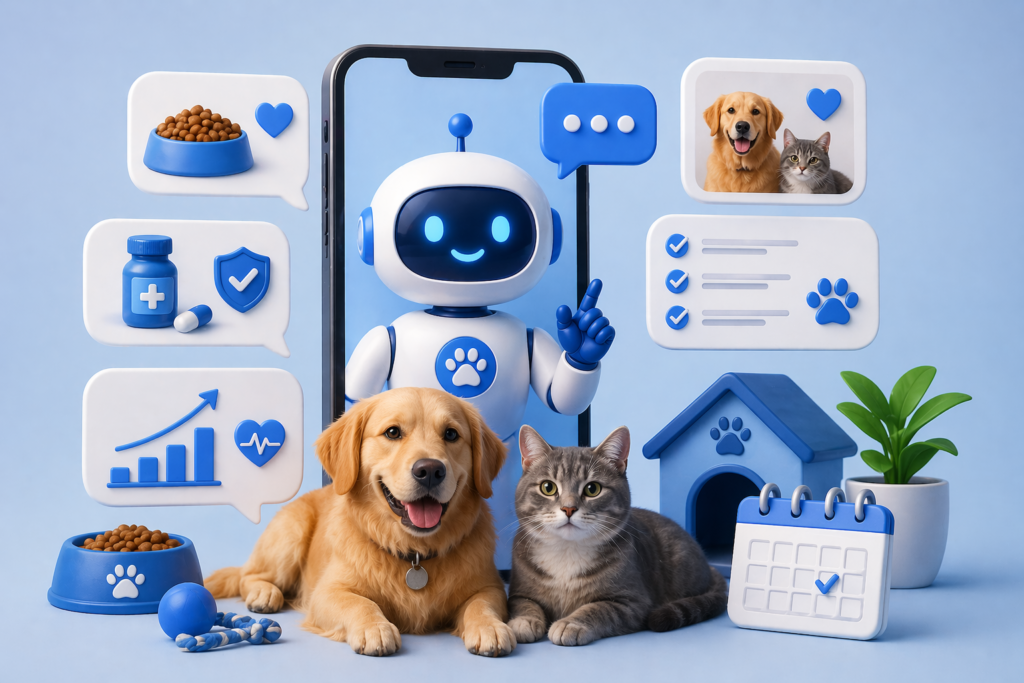
Personalization is a defining feature of advanced chatbot systems. By collecting information about pets—such as breed, age, weight, and medical history—chatbots can provide customized recommendations tailored to individual needs.
For instance, a chatbot might suggest specific dietary plans based on a pet’s age and activity level. It can also recommend grooming intervals or vaccination schedules based on veterinary guidelines. Personalized care recommendations improve the overall well-being of pets while demonstrating the expertise of the service provider. This level of customization enhances trust and strengthens relationships with customers.
Another benefit of personalized chatbots is predictive care management. By analyzing historical data, chatbots can anticipate future needs and send reminders before issues arise. For example, a chatbot might notify pet owners when it is time for annual checkups or parasite prevention treatments. According to Google’s Image Optimization Best Practices, delivering relevant and helpful information improves user satisfaction and engagement. Personalized chatbot recommendations align with this principle by providing timely, meaningful insights.
Integrating Pet Care Chatbots with Veterinary and Pet Service Systems
Integration is one of the most important elements in maximizing the effectiveness of a Pet Care Chatbot. A standalone chatbot can provide general information, but a fully integrated system becomes a powerful operational hub. By connecting chatbots with veterinary management software, CRM tools, inventory systems, and payment gateways, businesses can deliver seamless digital experiences that improve workflow efficiency and customer satisfaction.
When integrated with veterinary practice management systems, chatbots can access appointment calendars, patient records, and treatment histories. This allows pet owners to schedule visits, review medical recommendations, and receive reminders for follow-ups without requiring manual staff intervention. Integration also reduces the risk of data duplication and human errors. According to the Google’s Web Security Guidelines from Google, secure data synchronization and proper authentication methods are essential when connecting multiple digital systems. This principle ensures customer data remains protected and compliant with privacy standards.
Additionally, integration supports payment processing and order management. For example, a chatbot can help customers purchase pet food, book grooming sessions, or pay consultation fees directly within the chat interface. These connected workflows create a smooth and convenient customer journey. Businesses that invest in integrated chatbot ecosystems often experience increased operational efficiency and stronger customer retention due to consistent and reliable digital services.
Enhancing Pet Health Monitoring with Automated Reminders
Pet health management requires consistency, timing, and attention to detail. Missed vaccinations, delayed medication, or forgotten grooming sessions can negatively impact pet health. A Pet Care Chatbot plays a crucial role in preventing these issues by delivering automated reminders that help pet owners stay organized and proactive.
Automated reminders can include vaccination schedules, medication times, deworming treatments, grooming appointments, and regular checkups. These notifications ensure pet owners never overlook essential health activities. Reminders can be customized based on individual pet profiles, allowing chatbots to deliver relevant messages at the right time. According to Google’s official guidance on Core Web Vitals from Google, reliability and responsiveness are key components of a positive user experience. Consistent reminders reflect reliability and strengthen customer trust.
Another benefit of reminder automation is improved compliance with veterinary recommendations. Many pet owners struggle to maintain long-term treatment plans, especially for chronic conditions. Chatbots can provide step-by-step medication instructions and follow-up prompts, ensuring that treatment schedules remain consistent. This proactive approach not only improves pet health outcomes but also enhances the reputation of service providers who prioritize preventive care.
Using Pet Care Chatbots for Customer Support and FAQs
Customer support is one of the most resource-intensive areas in pet care businesses. Many customer inquiries revolve around similar topics such as service pricing, operating hours, pet care guidelines, and appointment availability. A Pet Care Chatbot significantly reduces response time by providing instant answers to frequently asked questions.
Chatbots can maintain an extensive FAQ knowledge base that includes pet nutrition tips, grooming recommendations, emergency instructions, and product details. When customers ask questions, the chatbot retrieves accurate responses instantly. This efficiency reduces customer frustration and ensures consistent communication. According to the Search Engine Optimization (SEO) Starter Guide from Google, providing helpful and clearly structured content improves usability and trust—principles that apply directly to chatbot-based support systems.
Beyond answering common questions, chatbots can escalate complex inquiries to human agents when necessary. This hybrid support model ensures customers receive the right level of assistance without overwhelming staff. By combining automation with human expertise, businesses achieve both efficiency and quality service delivery.
Improving Marketing Campaigns with Chatbot Automation
Marketing automation is another area where Pet Care Chatbots provide significant value. Traditional marketing methods often rely on manual outreach, which can be time-consuming and inconsistent. Chatbots automate marketing interactions, allowing businesses to engage customers at the right time with relevant messages.
For example, chatbots can send promotional offers for seasonal grooming packages or discounts on pet food products. These messages can be targeted based on customer behavior and pet preferences. Personalized marketing campaigns improve engagement and increase conversion rates. According to Google’s Keyword Planning Best Practices</u> from Google, understanding user intent is critical for delivering meaningful content. Chatbots analyze customer interactions to identify preferences and deliver highly relevant marketing messages.
Chatbots also support lead generation by collecting customer information and guiding users through service inquiries. They can recommend packages, suggest add-on services, and encourage repeat purchases. This automated marketing approach reduces manual workload while increasing revenue opportunities.
Data Analytics and Insights Provided by Pet Care Chatbots
Modern chatbots do more than respond to messages—they generate valuable data insights that help businesses make informed decisions. Every interaction provides information about customer preferences, frequently asked questions, and service demand patterns. These insights allow businesses to refine their operations and marketing strategies.
Analytics dashboards provide detailed reports on user interactions, response times, and conversion rates. Businesses can identify peak booking hours, popular services, and customer satisfaction trends. By analyzing this data, organizations can optimize staffing schedules and improve service offerings. According to Google’s PageSpeed Insights guidelines from Google, performance monitoring is essential for maintaining efficient digital platforms. Similarly, chatbot analytics help maintain high performance and service quality.
Another advantage of data insights is predictive analysis. Chatbots can identify patterns that indicate future demand, allowing businesses to prepare resources accordingly. For instance, increased inquiries about grooming services before holidays may indicate the need for extended operating hours. This proactive planning ensures businesses remain responsive to customer needs.
Ensuring Data Privacy and Security in Pet Care Chatbots
Data privacy and security are critical considerations when implementing chatbot technology. Pet care businesses often handle sensitive customer information, including contact details, payment data, and pet medical records. Protecting this data is essential for maintaining trust and complying with industry regulations.
Secure chatbot systems use encryption protocols, authentication methods, and secure hosting environments to safeguard data. Businesses must also implement role-based access controls to ensure only authorized personnel can view sensitive information. According to Google’s Web Security Guidelines from Google, implementing secure communication protocols such as HTTPS is fundamental to protecting user data.
Regular security audits and software updates further enhance system reliability. These measures help identify vulnerabilities and prevent unauthorized access. Businesses that prioritize data security demonstrate professionalism and responsibility, strengthening customer confidence in their services.
Future Trends Shaping the Evolution of Pet Care Chatbots
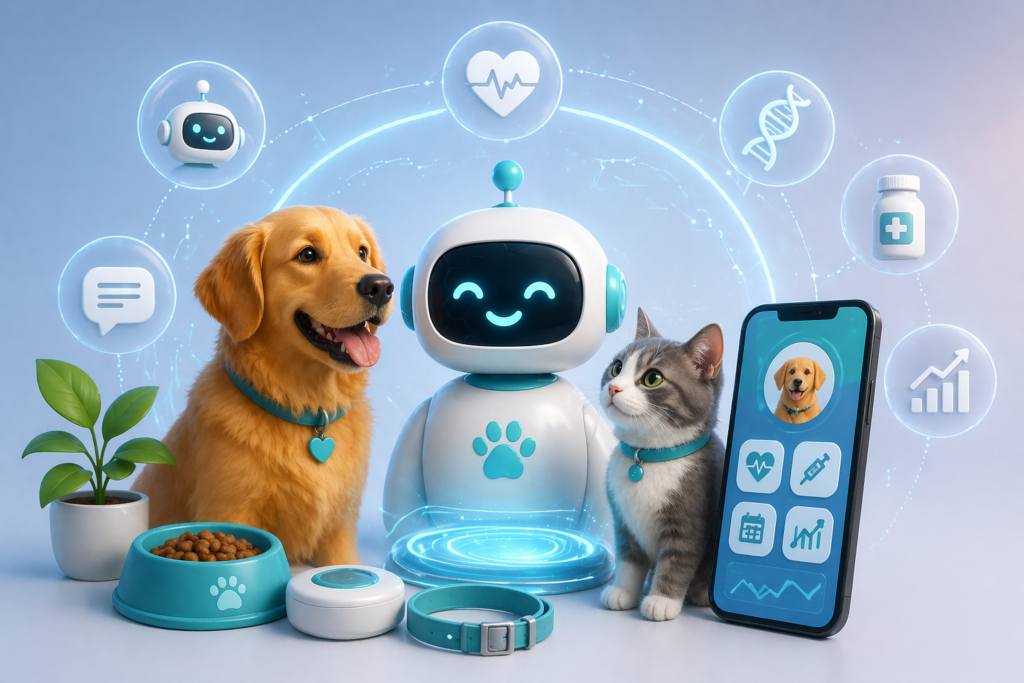
The future of Pet Care Chatbots is closely linked to advancements in artificial intelligence and automation technologies. As these technologies evolve, chatbots will become more intuitive, capable, and personalized. Businesses that adopt emerging trends early will gain a competitive advantage in the rapidly growing pet care industry.
One major trend is the integration of voice-enabled chatbot interfaces. Pet owners will soon be able to interact with chatbots using voice commands, making communication faster and more convenient. Another trend is the use of predictive analytics, where chatbots analyze behavioral patterns to recommend preventive health measures. According to Google’s official guidance on Core Web Vitals from Google, delivering fast and responsive user experiences remains a priority as digital technologies evolve.
Additionally, augmented reality (AR) and wearable device integration may transform how pet owners monitor health conditions. Chatbots could analyze data from wearable collars to detect changes in activity levels or health indicators. These innovations will redefine pet care services, making them more proactive and data-driven.
Common Mistakes Businesses Make When Implementing Pet Care Chatbots
Despite the benefits of chatbot technology, many businesses make avoidable mistakes during implementation. One common mistake is deploying chatbots without clear objectives. Without defined goals, businesses struggle to measure performance and achieve meaningful results. Setting clear expectations ensures that chatbot functionality aligns with business needs.
Another frequent mistake is neglecting user experience design. Poorly structured conversation flows can confuse customers and reduce satisfaction. Businesses must design intuitive interfaces that guide users naturally through interactions. Additionally, failing to update chatbot knowledge bases regularly results in outdated information and inaccurate responses.
Ignoring security measures is another critical mistake. Businesses that overlook encryption and authentication protocols risk exposing sensitive data. This not only damages reputation but also leads to legal consequences. Avoiding these mistakes requires careful planning, testing, and ongoing maintenance.
Frequently Asked Questions
1. What is a Pet Care Chatbot and why is it useful?
A Pet Care Chatbot is an automated digital assistant designed to help pet owners manage appointments, access pet care advice, and receive reminders. It is useful because it provides instant support, reduces manual workload, and improves communication efficiency.
2. Can chatbots handle emergency pet situations?
While chatbots can provide basic emergency guidance and direct users to appropriate services, they should not replace professional veterinary care. They are best used for providing immediate instructions until professional help is available.
3. Are Pet Care Chatbots suitable for small businesses?
Yes, chatbot technology is scalable and can be customized to suit small businesses. Even basic chatbot solutions can improve customer support and reduce operational workload.
4. How secure is customer data in chatbot systems?
Security depends on implementation quality. Chatbots that use encryption, secure hosting, and authentication protocols provide strong data protection.
5. Can chatbots integrate with existing software?
Most modern chatbot platforms support integration with CRM systems, payment gateways, and scheduling tools, allowing seamless workflow management.
6. How long does it take to implement a chatbot?
Implementation timelines vary based on complexity, but many basic systems can be deployed within a few weeks.
7. Do chatbots require constant monitoring?
While chatbots operate automatically, periodic monitoring and updates are necessary to maintain accuracy and performance.
8. Can chatbots improve customer loyalty?
Yes, personalized communication and proactive reminders enhance customer satisfaction, leading to stronger loyalty and repeat business.
Best Practices Summary for Successful Pet Care Chatbot Deployment
Successful chatbot deployment requires strategic planning and continuous improvement. Businesses should begin by identifying key customer needs and designing chatbot features that address these requirements. Clear objectives ensure measurable outcomes and improved efficiency.
Another best practice is focusing on user experience. Chatbots should provide clear instructions, simple navigation, and accurate responses. Regular testing helps identify potential issues and maintain consistent performance. Additionally, integrating chatbots with existing systems enhances operational efficiency and data accuracy.
Continuous monitoring and updates are essential for long-term success. Businesses must analyze chatbot performance metrics and refine responses based on user feedback. By following these best practices, organizations can maximize the benefits of chatbot technology and maintain high service standards.
Conclusion
The adoption of Pet Care Chatbot technology is rapidly transforming how pet service businesses operate. From appointment scheduling and health reminders to personalized recommendations and marketing automation, chatbots deliver measurable improvements in efficiency, customer engagement, and service quality. Businesses that implement chatbot systems gain a competitive advantage by offering fast, reliable, and accessible digital support.
As digital transformation continues, organizations must prioritize innovation and customer-centric solutions. Platforms like Chattbotz provide businesses with the tools needed to implement intelligent chatbot systems that enhance operations and strengthen customer relationships. By embracing chatbot technology today, pet care providers can build a future-ready service model that supports both business growth and pet well-being.
Want to Implement This Easily?
Prompt Text:
You are an expert consultant. Based on the blog post titled “Pet Care Chatbot”, provide a step-by-step, practical implementation guide. Include tools, best practices, common mistakes to avoid, and advanced tips. Assume the reader wants to implement everything discussed in this article effectively.
Call to Action:
Want our help implementing this? Just reach out to us via our website contact form:
https://chattbotz.com/contact-us/