
In a world where technology continuously shapes the way we live, artificial intelligence has taken a front seat in transforming industries across the board — and the pet care sector is no exception. The introduction of AI-driven Pet Care Chatbots has brought a revolution to the way veterinarians, pet clinics, and pet care service providers interact with clients. These intelligent virtual assistants are not only enhancing operational efficiency but are also delivering personalized support, faster responses, and seamless communication between pet owners and service providers. This digital innovation marks a significant milestone in the evolution of customer experience within the pet industry, merging compassion with technology.
Introduction
The pet care industry has always been centered around trust, compassion, and timely support. However, as businesses grow and customer demands increase, maintaining consistent engagement becomes a challenge. This is where Pet Care Chatbots come into play. These AI-powered conversational assistants offer round-the-clock availability, instant responses, and intelligent automation, ensuring that every pet owner receives the care and guidance they need—whenever they need it.
At Chattbotz, we understand the power of conversational AI and its ability to revolutionize communication in specialized sectors like pet care. By combining data-driven intelligence with natural language understanding, chatbots can provide personalized assistance for scheduling vet appointments, answering pet health queries, managing records, and even offering product recommendations. This seamless integration of technology and empathy is redefining how pet care businesses operate in the digital era.
Understanding the Concept of Pet Care Chatbots
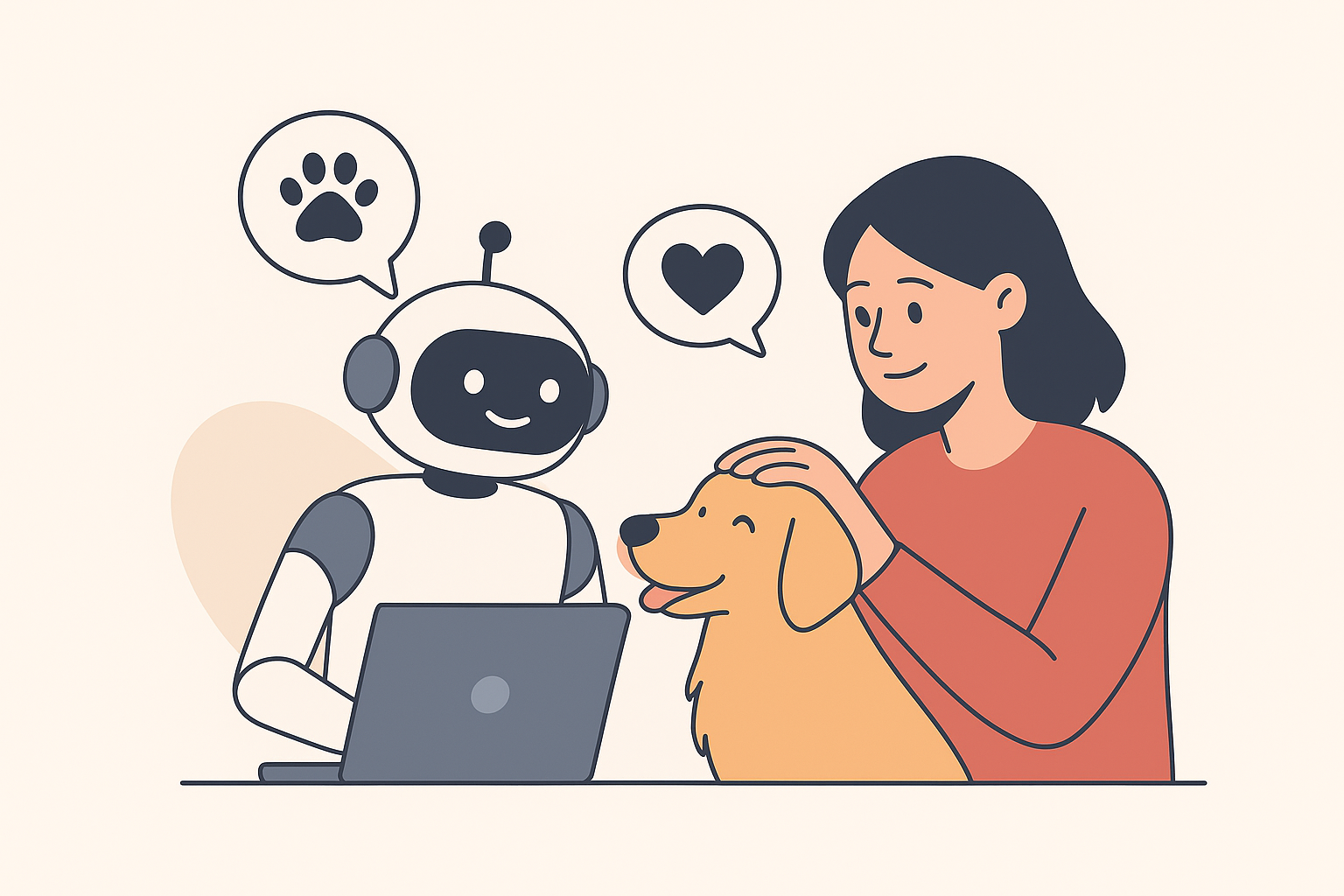
A Pet Care Chatbot is an AI-powered virtual assistant designed to interact with pet owners through messaging interfaces, websites, or apps. It uses natural language processing (NLP) to understand user queries and respond with relevant information. The chatbot can assist with scheduling veterinary appointments, providing pet health advice, tracking vaccination reminders, and offering nutrition or grooming recommendations.
The main goal of these chatbots is to enhance the customer experience by offering immediate assistance without requiring human intervention. In the pet care industry, timing is crucial—especially when pet health or emergencies are involved. Having a digital assistant that can provide reliable information instantly can be the difference between stress and reassurance for a pet owner.
Businesses in the pet care domain, such as veterinary clinics, grooming salons, and pet supply stores, are increasingly adopting chatbots to manage their digital interactions. These systems allow professionals to save time, reduce manual workload, and improve communication accuracy. As AI technology continues to advance, pet care chatbots are evolving from simple query handlers to intelligent assistants capable of understanding emotions, tone, and context.
The Evolution of AI in the Pet Care Industry
The pet care industry has seen significant technological advancement over the past decade. What began as online appointment scheduling and e-commerce for pet supplies has now evolved into fully automated systems powered by artificial intelligence. Chatbots are one of the most remarkable innovations in this transformation, offering businesses the opportunity to deliver faster, smarter, and more engaging services.
Initially, chatbot technology was limited to scripted responses. However, with the advancement of machine learning and natural language processing, modern AI chatbots have become capable of understanding complex sentences and responding with contextual awareness. For the pet care industry, this means that chatbots can provide pet-specific insights, such as identifying symptoms based on a pet’s breed or offering nutritional advice tailored to an animal’s age and activity level.
This evolution has been driven by consumer demand for convenience and personalized care. Pet owners now expect businesses to be available 24/7, and AI technology bridges that gap by offering human-like support around the clock. As we move forward, Pet Care Chatbots will continue to play a crucial role in improving service quality, efficiency, and customer satisfaction across the global pet care ecosystem.
Why Pet Care Businesses Need Chatbots
Modern pet care businesses face intense competition, demanding customers, and the need for immediate engagement. Traditional customer service channels—such as phone calls and emails—can no longer keep up with the pace of digital communication. A Pet Care Chatbot addresses these challenges by offering a scalable solution that reduces workload while improving client satisfaction.
Chatbots provide businesses with the ability to respond to hundreds of queries simultaneously without compromising quality. This means veterinary clinics can handle appointment requests, grooming centers can manage bookings, and pet stores can guide customers to products—all through automated conversations.
In addition, these chatbots collect valuable data about customer behavior and preferences, which can be analyzed to improve marketing strategies and operational processes. By understanding what customers ask most often, businesses can refine their offerings to better meet demand. In short, adopting a chatbot is no longer an option—it’s a competitive necessity in today’s fast-paced, customer-centric pet care market.
Features of an Effective Pet Care Chatbot
An effective Pet Care Chatbot must combine functionality with empathy. It should be designed not just to respond but to understand. Key features include natural language processing, multilingual support, intelligent query routing, appointment management, personalized recommendations, and integration with CRM systems.
The chatbot should recognize specific terms related to pet care, such as breeds, symptoms, medications, and dietary requirements. For example, when a pet owner types, “My dog is scratching a lot,” the chatbot should be able to interpret that as a possible skin issue and provide relevant advice or suggest scheduling a vet visit.
Beyond technical abilities, the chatbot’s tone and personality play a crucial role in creating trust. Pet owners are emotionally connected to their animals, and an empathetic conversational tone helps strengthen relationships between the business and its clients. The best chatbots balance automation with compassion—offering efficient responses while maintaining a human-like touch.
Enhancing Customer Engagement through Pet Care Chatbots
Customer engagement is one of the most critical factors in business success, and in the pet care industry, it plays an even greater role due to the emotional bond between pets and their owners. A Pet Care Chatbot helps bridge the communication gap by providing an interactive, conversational experience that keeps users engaged and satisfied. Unlike traditional websites where customers must navigate manually to find answers, chatbots allow instant, natural interaction, ensuring users receive the right information quickly.
When a pet owner reaches out for advice, whether about a dog’s diet, a vaccination schedule, or a grooming service, the chatbot delivers personalized assistance based on their query. This creates a seamless digital journey where users feel supported at every step. By automating responses, businesses maintain continuous engagement without overloading their staff.
Moreover, these chatbots can proactively reach out to users—sending reminders about upcoming vet visits, follow-ups after appointments, or promotional offers for pet care products. This proactive communication strengthens customer loyalty and demonstrates the business’s commitment to ongoing pet well-being.
Ultimately, chatbots create an engaging, interactive experience that goes beyond customer service—it builds long-term relationships based on trust and reliability. In today’s digital marketplace, engagement is no longer optional—it’s essential, and AI chatbots are the most efficient tools to deliver it consistently.
How AI Improves Efficiency in Pet Care Operations
In a busy veterinary clinic or pet grooming center, managing daily tasks manually can be overwhelming. Staff often struggle to balance customer communication, scheduling, and patient management—all while ensuring top-quality service. This is where AI-driven Pet Care Chatbots bring real value.
By automating repetitive administrative tasks, these chatbots free human staff to focus on essential care and client relationships. Appointment scheduling, reminders, follow-up notifications, and FAQ handling can all be managed automatically, ensuring smooth operations without delays. For example, if a customer messages late at night to book an appointment, the chatbot can instantly confirm availability, send reminders, and update the business calendar—no human intervention required.
Efficiency goes beyond speed; it also involves accuracy and reliability. Chatbots reduce the risk of human error by consistently delivering correct information. They can even cross-reference customer records and pet details to ensure that every message aligns with previous interactions. Over time, this consistency builds professional credibility and improves overall productivity.
In the modern business landscape, efficiency equals profitability. By adopting AI chatbots, pet care providers not only optimize their workflow but also reduce costs, enhance accuracy, and deliver superior client experiences—all of which contribute to long-term business sustainability.
24/7 Availability: The Ultimate Advantage for Pet Care Businesses

In pet care, emergencies don’t wait for business hours. A sudden illness, behavioral change, or injury can occur anytime, and pet owners expect immediate guidance. 24/7 availability through chatbots ensures that customers always have access to assistance, regardless of time zones or schedules.
A Pet Care Chatbot can instantly respond to inquiries, offering helpful information or connecting users to emergency services when necessary. This kind of constant support boosts customer satisfaction and sets a business apart from competitors who operate within limited hours.
Imagine a pet owner whose cat stops eating late at night. Instead of waiting until morning, they can message the chatbot to get preliminary advice, track symptoms, or find a nearby 24-hour veterinary clinic. This quick and reliable response not only reassures the owner but also strengthens brand trust.
From a business standpoint, round-the-clock availability increases retention and conversion rates. Customers who know they can depend on your service anytime are more likely to return and recommend your business to others. In essence, chatbots eliminate downtime and create a continuous, responsive communication loop—a major advantage in the competitive world of pet care.
Personalization in Pet Care Chatbots
Personalization has become a key factor in modern digital communication. Pet owners don’t want generic answers—they want solutions that recognize their pets’ individual needs. AI-driven Pet Care Chatbots make this possible by analyzing data such as pet breed, age, health history, and previous interactions to deliver tailored responses.
For instance, if a pet owner has previously asked about nutrition for a golden retriever puppy, the chatbot can remember this detail and provide updated feeding recommendations as the dog grows. This level of personalization mirrors the service provided by experienced veterinarians and strengthens customer loyalty.
Machine learning algorithms help chatbots refine their responses over time, learning from every conversation to improve accuracy and relevance. The result is a highly intelligent system capable of adapting to each user’s preferences and behaviors.
Personalization also extends to marketing. Chatbots can suggest relevant pet care products, grooming services, or health check-ups based on user activity. This not only increases sales but also ensures the customer feels understood and valued. In an age where consumers expect businesses to “know them,” personalization is no longer optional—it’s a core strategy for success.
Data Collection and Insights from Pet Care Chatbots
Every interaction with a chatbot generates valuable data. For pet care businesses, this data is a goldmine of insights that can guide decision-making, marketing, and service improvement. When integrated with analytics platforms, Pet Care Chatbots can provide detailed reports about customer behavior, most frequently asked questions, appointment trends, and product preferences.
By studying these patterns, businesses can identify customer needs and pain points more effectively. For example, if the chatbot consistently receives queries about pet allergies, the company might decide to introduce new allergy-friendly food options or publish educational content on the topic.
Data-driven insights help businesses anticipate customer needs before they arise. This proactive approach not only improves satisfaction but also boosts profitability by aligning offerings with actual demand.
Additionally, data collected through chatbots can be used to segment customers based on their pets’ profiles, enabling more targeted communication and promotions. The ability to harness and interpret this data gives pet care businesses a competitive advantage, transforming ordinary customer interactions into powerful strategic tools for growth and innovation.
Integration of Chatbots with Pet Care Platforms
To maximize efficiency, Pet Care Chatbots can integrate seamlessly with other digital tools such as appointment systems, CRM software, payment gateways, and health management platforms. This integration enables a unified system where all processes—communication, booking, payment, and follow-up—operate automatically.
When integrated properly, chatbots can check available slots in a vet’s calendar, process payments securely, and send digital receipts—all within a single conversation. This convenience reduces friction for customers and eliminates the need for manual coordination between systems.
Moreover, integration enhances data synchronization, ensuring that all team members have access to up-to-date information. For example, if a chatbot books an appointment, the data instantly updates in the clinic’s CRM and staff dashboard. This automation saves time, minimizes human error, and maintains consistency across departments.
For pet care providers, integration means efficiency; for customers, it means simplicity. Together, they create a seamless digital experience that boosts trust and satisfaction. In an increasingly tech-driven world, integration is not just an upgrade—it’s a necessity for sustainable success.
Building Trust with AI Chatbots in the Pet Care Sector
Trust is the foundation of any relationship in the pet care industry. Pet owners need reassurance that their companions are receiving the best possible care. An AI-powered Pet Care Chatbot plays a vital role in establishing and maintaining that trust. By providing accurate, timely, and compassionate communication, these systems help customers feel valued and supported.
When a user interacts with a chatbot that responds with empathy and understanding, it creates a positive impression that strengthens their confidence in the brand. This sense of reliability is crucial for service providers such as veterinarians, grooming centers, and pet stores, where emotional connection plays a significant role in client decisions.
Moreover, consistent communication fosters transparency. A chatbot that shares accurate health tips, appointment reminders, and real-time updates ensures customers remain informed and involved in their pets’ well-being. This transparency, combined with the chatbot’s dependability, promotes long-term loyalty.
In an era where businesses must balance automation with personal touch, AI chatbots bridge that gap effectively. They don’t just answer questions—they nurture relationships, provide care-driven experiences, and reinforce the idea that technology can coexist with compassion in the pet care industry.
The Role of Natural Language Processing (NLP) in Pet Care Chatbots
The power behind any intelligent chatbot lies in its ability to understand human language, and this is made possible by Natural Language Processing (NLP). In pet care, where conversations may include emotionally charged or urgent language, NLP ensures that the chatbot interprets context accurately.
A well-trained NLP model can recognize when a user is expressing concern, asking for advice, or seeking reassurance. For example, when a customer types, “My dog is limping suddenly,” the chatbot can detect the urgency and provide relevant guidance, such as suggesting an immediate vet visit.
NLP also allows the chatbot to handle slang, abbreviations, or even typos—creating smooth and human-like interactions. Over time, as the chatbot engages with more users, its NLP capabilities improve, allowing it to respond with greater precision and empathy.
For pet care businesses, investing in advanced NLP ensures a superior customer experience. It allows chatbots to go beyond robotic responses and provide emotionally aware communication. By doing so, businesses strengthen their connection with clients while showcasing innovation and technical expertise in the digital pet care landscape.
The Economic Benefits of Implementing Pet Care Chatbots
From a financial standpoint, adopting Pet Care Chatbots delivers measurable advantages. Operating costs in the pet care industry can be high due to staff requirements, customer support, and administrative tasks. Chatbots help reduce these expenses by automating routine interactions and minimizing human workload.
For instance, a chatbot can handle appointment scheduling, reminders, and follow-ups—tasks that typically consume hours of staff time each week. This allows businesses to reallocate their human resources toward specialized care and higher-value services.
Additionally, chatbots enhance customer retention through consistent engagement and timely communication. A returning customer base is often more profitable than new client acquisition, and chatbots help maintain these long-term relationships by offering convenience and reliability.
The initial investment in chatbot technology quickly pays off through improved efficiency, lower operational costs, and increased conversions. In the long run, AI-driven communication systems generate both financial and reputational returns, making them an indispensable part of modern pet care businesses.
How Chatbots Improve Client Retention and Loyalty
In the pet care industry, loyalty is built through consistent communication and exceptional service. Pet Care Chatbots contribute directly to both. By maintaining 24/7 accessibility and offering proactive engagement, chatbots ensure that clients never feel neglected or ignored.
A loyal customer is one who feels understood and cared for. When a chatbot remembers past interactions—like a pet’s vaccination date or dietary needs—it personalizes each future conversation, making the user feel valued. This emotional connection builds loyalty far more effectively than traditional advertising.
Moreover, chatbots can send post-service messages thanking customers or checking in on their pets, creating a thoughtful, ongoing relationship. Such gestures enhance trust and encourage clients to continue using the business’s services.
Retention is not just about keeping clients—it’s about giving them reasons to return. Through intelligent communication, consistency, and personalization, chatbots transform ordinary users into long-term advocates who actively promote the brand to other pet owners.
Chatbots and Telemedicine in Pet Care

Telemedicine has rapidly become an essential service in the veterinary world. With AI integration, Pet Care Chatbots can now complement telemedicine by serving as the first point of contact for pet owners seeking medical advice.
A chatbot can triage queries by gathering basic information—such as symptoms, duration, and severity—before connecting the customer with a veterinarian. This saves valuable time, ensures the vet is prepared, and improves diagnostic efficiency.
Additionally, chatbots can guide users through pre-consultation steps, share forms, and follow up with post-consultation care instructions. This automation creates a smooth, end-to-end telemedicine experience that benefits both clients and providers.
In emergencies, chatbots can identify high-risk symptoms and recommend immediate action or local clinics. While they do not replace professional medical advice, they enhance accessibility and efficiency within the telehealth ecosystem. The synergy between AI chatbots and telemedicine is reshaping how pet healthcare is delivered—faster, smarter, and more conveniently than ever before.
Data Privacy and Security in Pet Care Chatbots
As chatbots collect personal data, privacy and security become top priorities. Pet owners often share sensitive information about their pets, contact details, and payment data. It is crucial that Pet Care Chatbots adhere to strict data protection standards such as GDPR compliance and secure encryption protocols.
A professionally designed chatbot must store and transmit data safely to prevent unauthorized access. Encryption, tokenization, and regular audits ensure that every transaction remains protected. Additionally, users should always be informed about how their data is used, stored, and shared.
Maintaining transparency builds confidence among customers. When clients trust that their data and their pets’ records are safe, they are more likely to continue using chatbot services. Businesses must also provide options for users to delete or review their data at any time to reinforce ethical standards.
In the digital age, trust in data security equals trust in the brand. Pet care providers who prioritize privacy not only comply with regulations but also demonstrate their commitment to ethical technology practices.
The Future of AI in the Pet Care Industry
The future of AI in pet care promises even greater innovation and automation. Emerging technologies such as predictive analytics, computer vision, and advanced voice recognition will enhance chatbot capabilities, making them even more intuitive and responsive.
For example, future chatbots may use image recognition to analyze pet photos for early signs of illness or discomfort. Integration with wearable devices could allow real-time monitoring of a pet’s activity, heart rate, and diet, enabling chatbots to provide proactive health insights.
These advancements will not only make pet care more efficient but also more personalized. Businesses that adopt such innovations early will gain a strong competitive advantage. The evolution of AI is not about replacing human touch—it’s about enhancing it.
The next generation of Pet Care Chatbots will combine emotional intelligence with data-driven precision, ensuring every pet receives the attention and support it deserves while helping businesses thrive in a digital-first world.
Implementing a Pet Care Chatbot: Steps for Success
Introducing a chatbot into a business requires careful planning and execution. Success depends on identifying clear goals, selecting the right platform, and ensuring seamless integration with existing systems. Businesses must begin by analyzing customer pain points and defining what they want the chatbot to accomplish—be it appointment management, customer engagement, or product support.
Next, the chatbot must be designed with both intelligence and empathy. The language should reflect the brand’s personality, and its responses should balance professionalism with warmth. Continuous training using real conversation data helps the chatbot evolve and improve accuracy over time.
Testing is crucial before full deployment. Businesses should simulate real scenarios to ensure smooth performance under various conditions. After launch, regular monitoring and updates are necessary to keep the chatbot relevant and effective.
Ultimately, the success of a Pet Care Chatbot lies in how well it enhances the user experience. By focusing on value, personalization, and reliability, businesses can ensure that their chatbot becomes an indispensable part of their operations.
Conclusion
In the fast-evolving world of pet care, adopting AI technology is no longer a futuristic idea—it is a present-day necessity. Pet Care Chatbots offer businesses an opportunity to blend compassion with innovation, creating experiences that prioritize both convenience and care. They not only streamline operations but also strengthen customer relationships through consistent communication, empathy, and intelligence.
At Chattbotz, our mission is to empower pet care providers with cutting-edge conversational AI solutions that redefine how businesses interact with their customers. By implementing intelligent, secure, and personalized chatbots, pet care businesses can ensure they stay ahead of the curve—delivering unmatched service to the pet owners who trust them most.
The future belongs to those who embrace technology while staying true to the heart of their industry—caring for the companions who bring love and joy to millions of lives around the world.