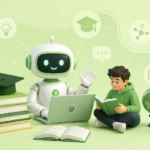
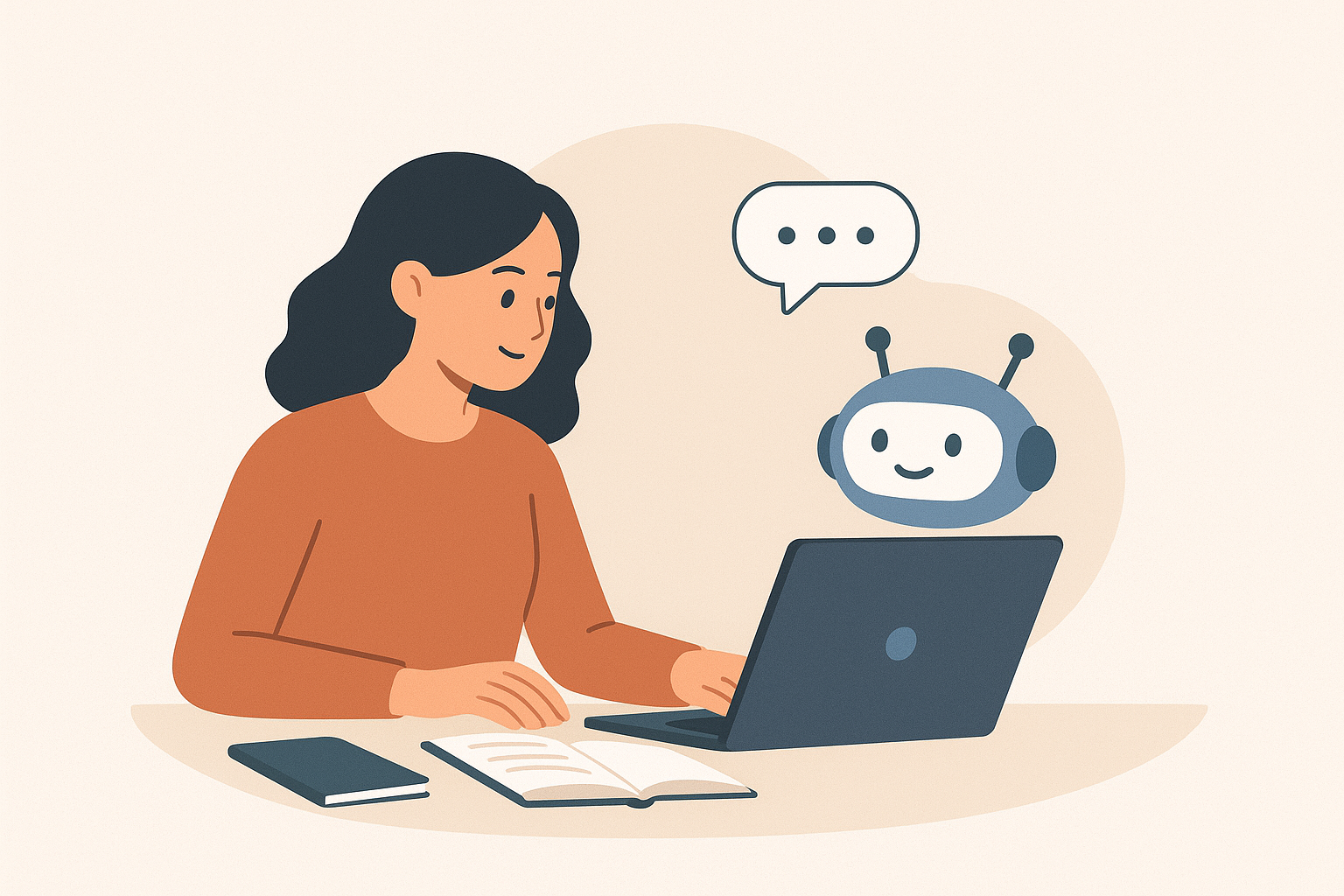

In today’s fast-evolving digital landscape, AI-powered chatbots are redefining how we approach education. From personalized tutoring to 24/7 academic assistance, these intelligent systems are making learning more accessible, engaging, and effective. Educational institutions across the world are adopting chatbot technology to enhance student interaction, streamline administrative tasks, and improve learning outcomes. In this in-depth article, we’ll explore how education chatbots are reshaping the future of teaching and learning — and why this innovation is here to stay.
Introduction
The integration of artificial intelligence (AI) into education has opened doors to endless opportunities. Among these innovations, education chatbots stand out as one of the most transformative tools reshaping the modern classroom. Platforms like Chattbotz are leading this digital revolution by offering intelligent solutions that bridge the gap between students and institutions. These chatbots not only simplify communication but also make learning interactive, accessible, and personalized.
In traditional classrooms, teachers face the constant challenge of addressing the individual needs of every student. However, with the help of AI-driven chatbots, personalized education has become achievable on a massive scale. They provide instant feedback, guide students through assignments, and ensure no learner is left behind. This blend of technology and education is not just a passing trend — it’s the beginning of a new era of smart learning.
The Evolution of Education Technology
The journey of education technology has been remarkable. From chalkboards to tablets, and now to AI-powered chatbots, the progression demonstrates how technology continues to enhance learning efficiency. Initially, online platforms focused on digital content delivery. Then came interactive learning through videos, forums, and gamified apps. The next natural step was communication — and that’s where chatbots emerged as game changers.
These virtual assistants can simulate human conversation, answer academic questions, schedule study sessions, and even motivate students. As technology evolves, so does the intelligence of these chatbots, enabling them to adapt to diverse learning environments. The future of education technology lies not only in delivering knowledge but also in understanding student behavior and providing adaptive support, something chatbots excel at doing.
What Is an Education Chatbot?
An education chatbot is an AI-driven software program designed to communicate with students, educators, and parents through natural language processing. Its goal is to facilitate learning, provide guidance, and offer real-time academic assistance. Whether a student needs help with homework or a parent wants information about school events, chatbots respond instantly — anytime, anywhere.
Unlike traditional apps, chatbots use machine learning to become smarter with each interaction. They can understand user intent, predict needs, and personalize responses. In educational contexts, this means that students get a customized experience tailored to their learning speed, preferences, and performance history. This personalized learning environment promotes engagement and retention, helping students learn better and faster.
How Chatbots Enhance Learning Experiences
The core strength of chatbots lies in their ability to make learning interactive. Instead of passively consuming information, students engage in two-way conversations that stimulate curiosity and reinforce understanding. A chatbot can quiz students, explain difficult topics, or provide summaries after lessons. It can even identify weak areas and suggest additional materials.
For educators, chatbots act as intelligent assistants that handle routine tasks like grading quizzes or sending reminders. This frees up teachers’ time, allowing them to focus more on creative instruction and mentorship. By reducing administrative burdens and improving learning engagement, education chatbots have become indispensable tools in modern classrooms.
The Role of AI and NLP in Education Chatbots
Artificial Intelligence (AI) and Natural Language Processing (NLP) form the foundation of chatbot functionality. AI allows the chatbot to analyze data, recognize patterns, and make informed decisions, while NLP enables it to understand and respond in human language. Together, these technologies create seamless communication between humans and machines.
The advancement of NLP has been critical for education chatbots. It ensures that students can ask questions naturally — just as they would with a human tutor — and still receive accurate, relevant answers. Over time, the chatbot learns from these interactions, refining its language understanding and expanding its knowledge base. This makes it a continuously improving learning companion that adapts to the unique style of each student.
Benefits of Using Chatbots in Education
The advantages of education chatbots extend beyond mere convenience. They contribute to better engagement, faster response times, and more efficient learning outcomes. Chatbots offer instant academic support, ensuring that students never feel stuck or isolated. For teachers, they act as time-saving tools that automate repetitive administrative processes.
Moreover, institutions benefit from improved communication flow. Students can easily access course materials, track deadlines, and get reminders about upcoming tests or events. This automated yet personalized experience enhances satisfaction for both students and educators. Ultimately, chatbots empower institutions to deliver quality education efficiently while fostering a connected learning community.
Chatbots for Personalized Tutoring
One of the most revolutionary applications of chatbots in education is personalized tutoring. Unlike traditional one-size-fits-all teaching methods, AI-powered chatbots tailor content according to individual learning speeds and preferences. They can assess a student’s progress, identify weak points, and recommend targeted exercises or lessons.
This personalized approach ensures that each learner receives the attention they deserve. For instance, a student struggling with math can get step-by-step assistance, while another excelling in the subject can explore advanced topics. This adaptability keeps students motivated and encourages continuous improvement — key elements for effective learning.
24/7 Academic Assistance
Unlike human tutors who have limited availability, chatbots operate 24/7, offering uninterrupted academic support. Students can seek help with assignments, clarify doubts, or review lessons anytime — whether it’s late at night or during holidays. This flexibility is especially valuable for online learners across different time zones.
With round-the-clock assistance, chatbots bridge the gap between traditional and modern education systems. They promote self-paced learning by allowing students to study whenever they’re most comfortable. This always-available support creates a more inclusive learning environment where every learner, regardless of schedule or location, can thrive.
Automating Administrative Tasks

Educational institutions face an overwhelming number of administrative tasks daily — admissions inquiries, attendance tracking, event notifications, and feedback collection. Chatbots simplify this by automating these processes. They can handle thousands of queries simultaneously, ensuring that no question goes unanswered.
For universities and schools, automation means better time management and cost savings. Chatbots can also integrate with learning management systems (LMS) to update grades, share course details, or even manage virtual classrooms. This reduces human error and enhances the overall efficiency of academic operations.
Chatbots in Virtual Classrooms
The rise of online learning platforms has made virtual classrooms an essential part of education. However, the biggest challenge remains maintaining real-time engagement and effective communication. That’s where education chatbots make a remarkable difference. These intelligent virtual assistants help manage classroom discussions, answer queries during lectures, and provide post-class summaries.
In a virtual setting, chatbots act as digital teaching assistants. They ensure every student feels involved, even in large online classes. A chatbot can instantly respond to doubts, moderate chat discussions, and share learning resources without interrupting the flow of teaching. Moreover, they collect valuable data on participation levels, student engagement, and performance, enabling teachers to adapt their methods accordingly.
This integration of AI in virtual classrooms helps replicate the interactive environment of physical schools. It bridges the communication gap often experienced in online education and makes digital learning more natural and productive. As institutions continue to adopt hybrid learning models, chatbots will remain central to enhancing classroom efficiency and maintaining consistent learning quality across diverse environments.
Improving Student Engagement Through Gamification
Engagement is one of the biggest factors influencing a student’s learning success. With short attention spans and growing digital distractions, educators are turning to gamified chatbots to make lessons more interactive. Gamification involves using rewards, progress bars, and quizzes to create a fun, motivating environment — and chatbots make it effortless.
An education chatbot can conduct mini-quizzes, award points for correct answers, and provide badges or progress updates. This approach transforms studying from a passive activity into an exciting challenge. The competitive element keeps learners motivated, while instant feedback helps them track improvement.
Teachers can also use chatbot analytics to see which games or tasks students engage with most. This insight helps educators fine-tune their strategies for better participation. As a result, the learning process becomes immersive, personal, and effective. When learning feels like play, students naturally absorb more information. Gamified education chatbots are redefining engagement in digital learning, ensuring students stay focused and inspired.
Chatbots for Teacher Support
While education chatbots primarily assist students, they also play a vital role in supporting teachers. From managing class schedules to grading quizzes, chatbots handle routine responsibilities that often consume educators’ valuable time. Teachers can simply instruct the chatbot to organize lessons, send reminders, or provide attendance reports.
This automation helps teachers concentrate on creative lesson planning and student mentorship rather than administrative duties. Additionally, chatbots offer real-time insights into student progress, making it easier to identify those who need additional help. Some advanced AI chatbots even suggest personalized teaching strategies based on student data.
By integrating chatbot technology, teachers gain a dependable assistant that simplifies daily operations and improves classroom productivity. The result is a balanced educational environment where both instructors and students benefit from the power of automation. Chatbots, therefore, are not replacements for teachers but rather invaluable collaborators in the teaching process.
Enhancing Accessibility and Inclusion
One of the greatest contributions of education chatbots is their role in promoting accessibility and inclusion. Many students face learning barriers due to disabilities, language differences, or geographical limitations. AI-powered chatbots overcome these challenges by offering adaptive learning methods and multilingual support.
For example, a student with visual impairment can use voice-enabled chatbots to access lessons, while multilingual students can interact in their preferred language. This ensures equal opportunities for all learners. Furthermore, chatbots make education accessible in remote regions where traditional teaching resources are scarce.
By providing personalized assistance to every student, regardless of background or ability, chatbots create a more inclusive educational ecosystem. Institutions that embrace this technology demonstrate their commitment to equality and innovation. In the future, chatbots will play an even bigger role in ensuring education is universally accessible, empowering millions of learners worldwide.
Data Analytics and Learning Insights
Data is one of the most powerful assets in modern education. Chatbots excel at collecting and analyzing large amounts of student interaction data — from learning habits to question patterns. This information provides institutions with deep learning insights that can be used to improve academic strategies and outcomes.
Educators can analyze chatbot-generated data to identify where students struggle most, which topics generate the most engagement, and how learning behaviors evolve over time. This data-driven approach allows schools and universities to make informed decisions and design customized curriculums.
Moreover, chatbots use predictive analytics to anticipate future learning needs, suggesting relevant materials before students even ask. This proactive system transforms the educational experience from reactive teaching to intelligent, forward-thinking learning. By leveraging data analytics, chatbots empower educators to continuously refine the educational journey and improve learning efficiency.
Integration of Chatbots with LMS Platforms
The seamless integration of chatbots with Learning Management Systems (LMS) has revolutionized digital education. Instead of switching between different applications, students and teachers can now access all learning resources through a single conversational interface. Chatbots integrated with LMS platforms automate communication, grading, and reporting, making the learning experience smoother and more efficient.
Students can ask questions like “What’s my next assignment?” or “When is the quiz due?” and receive instant, accurate responses. This saves time and reduces confusion. Educators benefit as well, since the chatbot can automatically sync grades, upload results, and manage student attendance.
Such integration creates a unified educational system where communication, assessment, and learning coexist effortlessly. As institutions adopt more sophisticated AI tools, LMS-integrated chatbots will become a standard feature in digital classrooms, ensuring that learning remains organized, interactive, and personalized.
The Future of Education Chatbots

The future of education chatbots is incredibly promising. With advancements in artificial intelligence, machine learning, and emotional recognition, future chatbots will not only understand what students ask but also how they feel. These emotionally intelligent chatbots will be capable of detecting frustration, confusion, or enthusiasm and responding appropriately.
Additionally, chatbots will become central to lifelong learning. From early education to professional development, they’ll serve as continuous learning companions that evolve alongside users. Institutions will also employ more AI-driven adaptive learning models to ensure personalized experiences for every learner.
As AI continues to grow, education chatbots will shift from being simple assistants to becoming trusted mentors. The world of learning will become more engaging, data-driven, and student-centered — redefining what education truly means in the digital era.
Challenges and Ethical Considerations
While chatbots bring numerous benefits, there are also challenges and ethical issues to address. Privacy concerns, data security, and over-reliance on automation are major topics of discussion. Institutions must ensure that student information is protected and that chatbots comply with data protection regulations.
There’s also the concern of replacing human interaction with technology. Education is deeply human, and no AI can replicate the empathy, creativity, and mentorship that teachers provide. Hence, the best approach is to use chatbots as supportive educational tools, not as substitutes for educators.
Ensuring transparency, ethical AI usage, and inclusivity should remain top priorities for all institutions implementing chatbot technology. When managed responsibly, chatbots can complement human instruction, not compete with it.
Conclusion
In conclusion, education chatbots are reshaping how knowledge is delivered, accessed, and experienced. They bring a new level of interaction, efficiency, and personalization to modern learning environments. From helping teachers automate tasks to guiding students through complex subjects, chatbots are the silent revolutionaries driving the future of education.
For institutions and learners alike, embracing chatbot technology is no longer optional — it’s essential. As platforms like Chattbotz continue to innovate, the bridge between technology and education grows stronger, creating smarter, more engaging learning experiences for all. The integration of AI-powered chatbots marks a new chapter in global education — one where learning is not limited by time, place, or resources.