
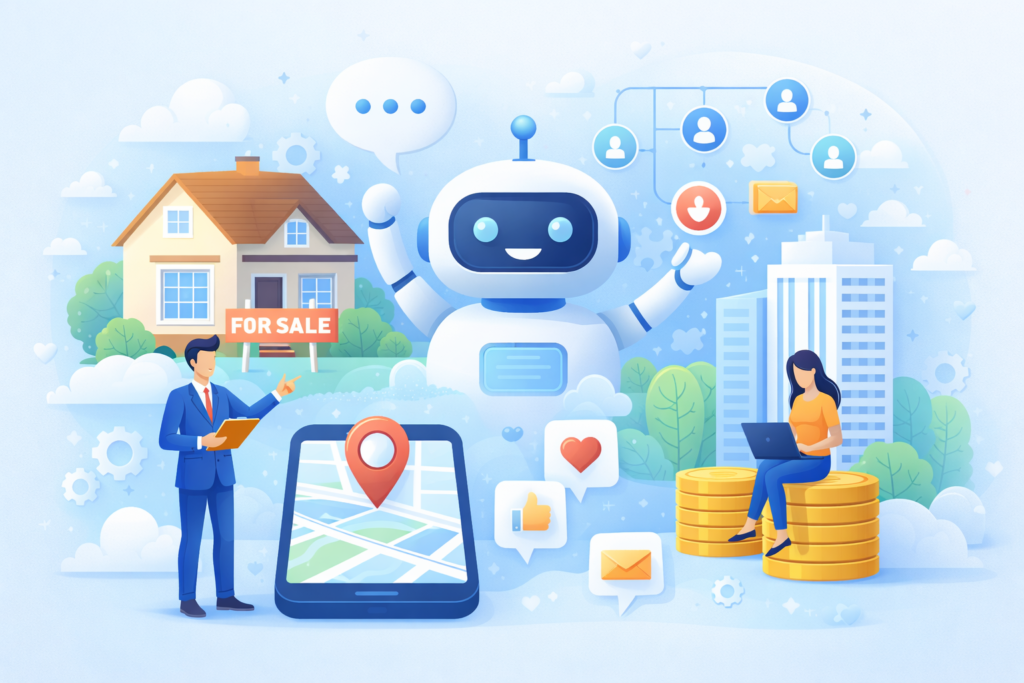
In the rapidly evolving world of real estate technology, one innovation stands above the rest: Real Estate Chatbots. These advanced AI‑driven assistants are transforming how realtors engage with clients, manage leads, and streamline property inquiries—all while delivering a personalized, 24/7 customer experience. As the competition in the real estate sector intensifies, staying ahead with cutting‑edge digital tools is no longer optional. Real estate professionals are turning to automated conversational agents to boost engagement, reduce response times, and close sales more efficiently. This comprehensive guide delves into everything you need to know about real estate chatbots—from foundational principles and real‑world benefits to implementation strategies, SEO for real estate chatbots, common mistakes, and frequently asked questions.
Introduction
Welcome to the definitive guide on Real Estate Chatbots—digital tools that are changing the landscape of how buyers and sellers interact with real estate agents and property platforms online. At Chattbotz, we understand the value of innovation in creating seamless customer experiences. Real estate chatbots harness the power of artificial intelligence (AI) to respond instantly to inquiries, qualify leads, and guide prospects through available listings at any time of day or night. As we explore this topic, you’ll learn why chatbots are no longer just an option but a necessity for real estate professionals who want to thrive in a competitive market.
What Is a Real Estate Chatbot?
A real estate chatbot is an AI‑powered digital assistant designed specifically to interact with users in real estate contexts. Unlike basic customer support bots, real estate chatbots are tailored to understand and respond to queries about property listings, scheduling viewings, mortgage information, and neighborhood amenities. These systems use advanced natural language processing (NLP) to interpret user intent and provide relevant answers instantly.
At their core, real estate chatbots serve as both customer service agents and lead generation tools. They can be deployed on websites, mobile apps, social media pages, and messaging platforms, allowing potential buyers or renters to interact at their convenience. When someone asks questions like “What’s the price of this property?” or “Can I schedule a tour?”, the chatbot interprets the query and responds with accurate information stored in the database or directs the user to a human agent.
Modern chatbots go beyond scripted replies; they learn from interactions to improve responses over time. Some advanced systems even integrate with CRM platforms and multiple listing services (MLS) — enabling them to pull up‑to‑date property data and customer records instantly. This seamless integration enhances the efficiency of real estate operations while offering a high level of convenience to users.
Including a chatbot on your real estate platform not only boosts engagement but also adds a professional touch to client interactions. For an example of how real‑time AI systems work technically, you can explore the OpenAI API documentation.
Why Real Estate Agents Are Embracing Chatbots
The real estate industry thrives on communication. Traditional methods like phone calls and emails are no longer sufficient to meet client expectations of instant answers and personalized interaction. That’s where chatbots come in—transforming the way agents interact with prospects and existing clients.
24/7 Availability
One of the biggest advantages of chatbot technology is availability. Real estate inquiries don’t follow a 9‑to‑5 schedule. Prospective buyers can come from different time zones or browse listings late at night. Chatbots ensure every message is answered promptly, reducing the risk of lost leads due to slow response times.
Lead Qualification and Conversion
Advanced chatbots can qualify leads by asking pre‑defined questions and assessing user intent. For example, a bot may ask:
- What type of property are you interested in?
- What’s your budget range?
- Are you looking to buy or rent?
Based on responses, the chatbot assigns a lead score. High‑quality leads can be routed to real agents automatically, improving conversion rates.
Cost Savings and Efficiency
Managing multiple inquiries manually demands time, effort, and money. Chatbots automate repetitive tasks, allowing agents to focus on high‑value activities such as closing deals. According to data from the Harvard Business Review, companies that integrate automation intelligently see measurable improvements in response rates and client satisfaction.
Scalability
As your real estate business grows, handling a surge of inquiries becomes challenging. Chatbots scale effortlessly—serving hundreds or thousands of users simultaneously, without extra staffing costs.
Key Features of an Effective Real Estate Chatbot
Not all chatbots are created equal. A powerful real estate chatbot should include several core features that elevate user experience and maximize business ROI.
Natural Language Processing (NLP)
This enables the bot to understand context and respond intelligently. Tools like the Google Cloud Natural Language API help enhance conversational accuracy.
Dynamic Responses
Rather than relying on static scripts, advanced bots adapt their responses based on user intent and data. For example, if a user asks about “latest property listings in downtown,” the bot should dynamically pull current listings rather than display generic information.
Seamless CRM Integration
For real estate professionals, integrating the bot with Customer Relationship Management (CRM) platforms like Salesforce or HubSpot ensures that every interaction becomes part of the lead profile—making follow‑ups more personalized and effective.
Appointment Scheduling
Real estate chatbots should be able to schedule tours automatically by syncing with calendar apps like Google Calendar.
Multilingual Support
Real estate markets often cross linguistic boundaries. Offering support in multiple languages enhances accessibility and broadens your audience.
Analytics and Reporting
A chatbot must track interactions, lead scoring, and user engagement metrics to help refine follow‑up strategies.
These features work together to make chatbots far more than just automated responders—they become powerful business development tools.
How Chatbots Improve Customer Engagement in Real Estate
Customer engagement is crucial in real estate marketing. Prospective buyers and tenants expect timely, personalized interaction. Chatbots fill that expectation gap with proactive communication that keeps users interested and nurtures them toward conversion.
Instant Answers
According to research by Statista, 79% of customers prefer live chat because of immediacy. Real estate chatbots deliver real‑time responses, helping users find relevant information without delays.
Personalization Scripts
Chatbots can be programmed with personalized response strategies—greeting returning visitors by name, offering suggestions based on prior activity, and following up with tailored recommendations.
Interactive Property Discovery
Rather than passively browsing listings, users can engage in interactive search dialogs: “Show me 3‑bedroom apartments under $300,000 near school districts.” This conversational search enhances user experience and leads to higher engagement rates.
Follow‑Up Sequences
Automated follow‑ups through email or messaging platforms help maintain contact and nurture leads. These sequences can be triggered based on chatbot interactions, improving conversion pipelines.
Reduced Bounce Rates
If visitors receive slow responses or poor navigation, they often leave within seconds. Chatbots keep users engaged, help them explore listings, and reduce bounce rates on your site.
Implementation Strategies: Building Your Real Estate Chatbot
Implementing a real estate chatbot requires careful planning and a clear strategy. Here’s how to build and deploy one successfully:
Define Clear Goals
Start with specific objectives—lead generation, appointment scheduling, mortgage assistance, etc. Knowing what you want your chatbot to achieve helps streamline development.
Choose the Right Platform
You can build chatbots using platforms like Dialogflow, Microsoft Bot Framework, or third‑party real estate chatbot services.
Integrate with Existing Systems
Connect your chatbot with your MLS, CRM, calendar tools, and database to ensure seamless data transfer and accurate responses.
Design Conversational Flows
Map out how interactions should progress. Consider common user questions and design fluid conversational paths to accommodate them.
Train the Bot with Relevant Data
Upload FAQs, past chat logs, and property details so the bot can learn context and provide up‑to‑date answers.
Test Thoroughly Before Launch
Use beta tests with real users to identify gaps or errors. Test across devices to ensure consistency.
Monitor and Refine
Analytics help you understand user behaviors. Continuously update the bot with new responses and capabilities based on feedback.
Integrating AI With Real Estate Chatbots

Artificial intelligence (AI) is the backbone of modern real estate chatbots. Unlike rule-based systems, AI chatbots understand user intent, analyze queries, and provide personalized responses in real time. The integration of AI enables chatbots to handle complex interactions like mortgage calculations, investment advice, or comparative property analysis.
For example, AI-powered chatbots can predict user preferences based on previous searches or interactions, offering relevant property suggestions automatically. Platforms such as IBM Watson Assistant are widely used in the industry because they provide advanced machine learning models that continuously improve response accuracy.
Moreover, AI integration ensures scalability. Whether your website receives hundreds or thousands of inquiries daily, an AI chatbot can handle all interactions without lag. This makes it particularly valuable for large real estate agencies managing multiple listings across regions.
By leveraging AI, chatbots also improve lead qualification. They can categorize users based on readiness to buy, budget constraints, and location preferences, passing high-quality leads to agents while automating lower-priority inquiries. This intelligent filtering saves time and increases overall conversion rates.
Finally, AI integration enhances analytics. Chatbots can track user behavior, common queries, and property trends, providing actionable insights for marketing strategies. For more on AI in customer engagement, check Forrester AI Research.
Mobile and Social Media Integration
A real estate chatbot is most effective when it meets users where they are—on mobile devices and social media platforms. Many property searches begin on mobile, with potential buyers browsing listings during commutes or lunch breaks. By integrating your chatbot into Facebook Messenger, WhatsApp, and Instagram, you reach users instantly.
Social media integration also allows chatbots to respond to ad campaigns in real-time. For example, if a paid campaign promotes a luxury apartment, the chatbot can automatically engage users who comment or click the ad link, answering questions about pricing, availability, or virtual tours.
Mobile-first chatbots improve engagement rates since users don’t need to switch platforms to communicate. They can schedule viewings, request documents, or receive follow-ups—all without leaving the app. Platforms like ManyChat specialize in creating chatbot flows for social media, streamlining this process.
Additionally, mobile and social media integration enables multi-channel analytics, allowing real estate businesses to track user behavior across platforms. This helps in refining messaging strategies and improving overall ROI.
Enhancing Lead Generation With Chatbots
Real estate success heavily depends on lead generation. Chatbots streamline this by interacting with potential clients instantly, capturing vital information, and nurturing leads without human intervention.
A chatbot can collect user details—such as name, budget, property type, and location preferences—while engaging prospects in a conversational manner. Unlike static forms, this approach feels natural and increases completion rates. Research by HubSpot shows that conversational marketing tools like chatbots boost lead conversion rates significantly.
Moreover, chatbots can prioritize high-quality leads based on scoring algorithms. Qualified leads are routed to agents for follow-ups, ensuring that human resources are used efficiently.
Chatbots also track user engagement and provide insights into lead behavior. For instance, if a user repeatedly searches for two-bedroom apartments in a specific area, the chatbot can proactively send matching listings or schedule a viewing.
Ultimately, leveraging chatbots for lead generation results in higher engagement, faster response times, and increased revenue.
Personalization Strategies in Real Estate Chatbots
Personalization is a key factor in enhancing user experience. Real estate chatbots can offer tailored property recommendations based on user preferences, browsing history, and past interactions.
For example, if a user previously showed interest in waterfront properties, the chatbot can prioritize showing similar listings. It can also customize messages by including user names, preferred price ranges, and location-specific tips. This level of personalization builds trust and increases the likelihood of conversion.
Advanced chatbots can analyze demographic and behavioral data to send targeted property updates, newsletters, or promotional messages. This strategy aligns with insights from Salesforce Real Estate Trends.
Personalization also extends to communication style. Chatbots can adjust tone and complexity based on the user profile, whether they are first-time buyers, seasoned investors, or renters.
Virtual Tours and Chatbot Assistance
Virtual property tours are becoming standard in real estate. Chatbots can enhance these tours by guiding users through interactive experiences. For example, a chatbot can provide detailed descriptions of rooms, amenities, and floor plans, answer questions in real-time, and even schedule live virtual walkthroughs with agents.
Integration with platforms like Matterport allows chatbots to embed virtual tour links directly in conversations, creating a seamless property viewing experience. This approach not only reduces scheduling conflicts but also improves user engagement and lead conversion.
Automating Property Listings Updates
Maintaining accurate property information is critical. Chatbots can automate updates, ensuring users always access current listings, prices, and availability. For agencies with extensive inventories, manual updates are prone to errors and delays. Automating this process increases user trust and reduces potential misunderstandings.
Integrating Mortgage and Financing Information
A chatbot can provide users with mortgage calculators, financing advice, and eligibility assessments. This is particularly useful for first-time buyers or those comparing different financing options. Tools like Zillow Mortgage API can be integrated to provide real-time data, making the chatbot a one-stop resource for property and financial queries.
SEO Benefits of Real Estate Chatbots
Integrating a chatbot on your real estate website does more than improve user experience—it can boost your SEO performance significantly. Search engines, like Google, evaluate websites based on engagement metrics, including average session duration, bounce rate, and return visits. A well-implemented chatbot encourages users to stay longer by answering questions, guiding property searches, and assisting with forms or scheduling viewings.
For example, instead of leaving your site because they cannot find details on a specific property, users can interact with a chatbot, which keeps them engaged. This increased dwell time sends a positive signal to search engines about your site’s relevance and user-friendliness. Additionally, chatbot conversations can generate dynamic content, such as FAQs, guides, or property recommendations, which can be indexed by search engines and enhance your site’s keyword coverage.
Real estate chatbots also allow you to optimize internal linking naturally. When a user inquires about specific neighborhoods or property types, the chatbot can link them to related listings or blog posts, distributing link equity and improving SEO authority.
Another key advantage is structured data enhancement. By integrating property information and chatbot responses with Schema.org structured data, search engines can better understand your content, increasing the likelihood of rich snippets in search results.
For more insights on conversational AI and SEO, you can explore Search Engine Journal. Implementing a chatbot strategically ensures that your real estate platform ranks higher, attracts qualified leads, and delivers measurable business results.
Compliance and Data Privacy Considerations
Handling sensitive user data is a critical responsibility for any real estate chatbot. Chatbots often collect personal and financial information, including names, phone numbers, emails, and mortgage-related details. Ensuring compliance with privacy regulations like GDPR, CCPA, and local data laws is essential to protect users and your business.
A non-compliant chatbot can lead to fines, reputational damage, and loss of trust. To mitigate risks, implement encrypted communications, secure storage solutions, and clearly communicate how user data is collected, stored, and used. Transparency in privacy policies enhances user confidence and encourages interaction.
Moreover, consider role-based access control for sensitive data. Only authorized personnel should access user records or chatbot conversation logs. Regular audits of your chatbot system and updates to privacy protocols help maintain compliance as regulations evolve.
Integrating trusted third-party security tools, like Microsoft Azure Security, can further strengthen data protection. A secure, compliant chatbot demonstrates professionalism, builds credibility, and ensures that users feel safe engaging with your real estate platform.
Analytics and Performance Monitoring
Tracking chatbot performance is essential for maximizing ROI and improving user experience. Effective analytics reveal how users interact, which questions are most common, and where engagement drops. Metrics like response time, lead conversion rate, session length, and user satisfaction scores provide actionable insights.
Real estate professionals can use these insights to refine conversational flows. For instance, if many users drop off while inquiring about mortgage options, you can simplify the process or provide clearer instructions. Chatbots can also integrate with platforms like Google Analytics or CRM systems to consolidate performance metrics with other marketing data.
Monitoring analytics helps identify high-performing leads, understand seasonal trends in property inquiries, and measure the effectiveness of automated follow-ups. Over time, these insights allow for continuous optimization, ensuring that your chatbot remains a valuable asset for lead generation, customer engagement, and operational efficiency.
Future of Real Estate Chatbots

The future of real estate chatbots is both exciting and transformative. With advancements in AI, machine learning, and natural language processing, chatbots will become more predictive, interactive, and personalized than ever before.
Future chatbots may proactively suggest properties based on market trends, user behavior, and predictive analytics, reducing the need for manual searches. Integration with augmented reality (AR) and virtual reality (VR) will allow users to take immersive property tours directly through chatbot interactions.
Additionally, AI will enhance hyper-personalized communication, adjusting tone, recommendations, and marketing messages based on individual user profiles. Chatbots will also become fully multilingual, capable of handling international clients seamlessly.
The adoption of voice-activated assistants and IoT integration may allow users to interact with chatbots through smart home devices, creating a seamless ecosystem for property exploration and client engagement. For a deep dive into AI trends, explore Forbes AI in Real Estate.
Ultimately, chatbots are set to become indispensable for real estate businesses, providing 24/7 engagement, personalized guidance, and strategic insights that drive conversions and build lasting client relationships.
Common Mistakes in Real Estate Chatbot Implementation
- Lack of Personalization – Generic responses reduce engagement.
- Ignoring Mobile Users – Most searches occur on mobile devices.
- Poor Integration with CRM or MLS – Leads to inaccurate information.
- Not Updating Property Data – Causes user frustration.
- Neglecting Analytics – Missed opportunities to improve interactions.
- Overcomplicating Conversations – Confuses users and reduces response completion rates.
FAQs
- What is a real estate chatbot?
An AI-powered assistant that automates property inquiries, lead qualification, and client engagement. - How do chatbots benefit real estate agents?
By automating responses, qualifying leads, and providing 24/7 engagement, they save time and increase conversions. - Can chatbots schedule property tours?
Yes, many integrate with calendars to schedule live or virtual tours. - Are chatbots secure for personal data?
Yes, with proper encryption and compliance with GDPR/CCPA. - Do chatbots improve website SEO?
Indirectly, by increasing engagement, reducing bounce rates, and generating dynamic content. - What platforms support real estate chatbots?
Facebook Messenger, WhatsApp, Instagram, web chat widgets, and mobile apps. - Can chatbots handle mortgage queries?
Yes, integrating APIs like Zillow can allow chatbots to calculate and suggest financing options. - Are AI chatbots better than rule-based bots?
Yes, AI chatbots understand intent, learn from interactions, and offer dynamic responses. - Do chatbots work in multiple languages?
Advanced chatbots offer multilingual support to cater to global users. - How do I track chatbot performance?
Using metrics like engagement rates, lead scores, conversion rates, and integrated analytics dashboards.
Conclusion
In conclusion, real estate chatbots are transforming how real estate businesses interact with clients, generate leads, and provide personalized experiences. By automating tasks, integrating AI, and ensuring 24/7 availability, chatbots empower agents to focus on closing deals while enhancing customer satisfaction. Implementing a real estate chatbot not only boosts efficiency but also strengthens your digital presence, improves SEO, and ensures your business stays competitive in an evolving market. At Chattbotz, we specialize in creating advanced chatbot solutions tailored for the real estate industry—helping agencies and agents harness AI to grow their business and delight clients around the clock.