
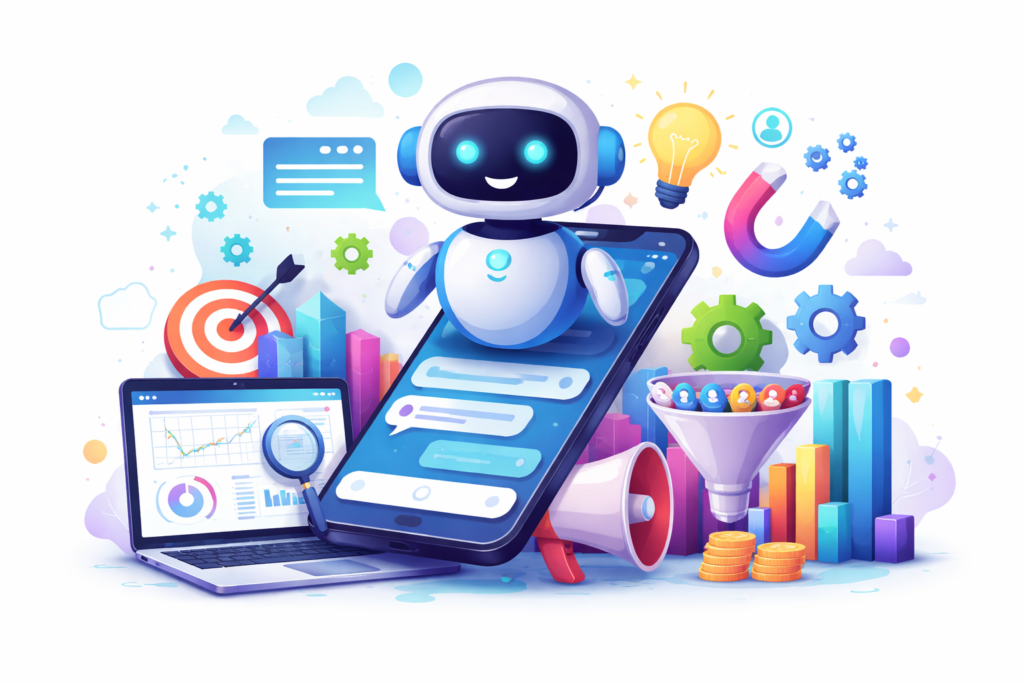
Design chatbot solutions that boost engagement, automate support, and increase conversions with advanced UX, AI-driven personalization, and scalable automation strategies.
Introduction
In today’s digital-first environment, chatbot design has evolved from a simple automation tool into a powerful customer experience engine. Businesses that invest in well-structured conversational interfaces are seeing measurable improvements in engagement, lead generation, and customer satisfaction. A thoughtfully designed chatbot is no longer optional—it is a core component of modern digital strategy.
At Chattbotz, the focus is on crafting chatbot experiences that feel intuitive, human-like, and purpose-driven. Rather than relying on rigid scripts, modern chatbot systems leverage artificial intelligence, natural language processing, and behavioral insights to deliver meaningful interactions. This shift allows brands to build stronger relationships with their audiences while streamlining operations.
This guide explores everything you need to know about chatbot design—from foundational principles to advanced optimization strategies. Whether you’re designing your first chatbot or refining an existing one, this comprehensive resource will help you create conversational experiences that deliver real business results.
Understanding the Fundamentals of Chatbot Design
Chatbot design begins with understanding the purpose behind the interaction. A chatbot is not just a tool for answering questions—it is a digital extension of your brand. Every conversation should align with user intent while guiding visitors toward a clear goal, whether that’s making a purchase, booking a service, or gathering information.
The foundation of effective chatbot design lies in user-centric thinking. This means identifying the needs, behaviors, and expectations of your target audience. Instead of forcing users into predefined paths, a well-designed chatbot adapts to user input and provides relevant responses. This flexibility is what differentiates a high-performing chatbot from a basic automated responder.
Another key aspect is conversation flow architecture. Designers must map out possible user journeys, including entry points, decision nodes, and exit scenarios. By structuring conversations logically, you reduce friction and create a seamless experience. The goal is to make interactions feel natural, not mechanical, ensuring users remain engaged throughout the journey.
Defining Clear Goals and Objectives for Your Chatbot
Before building a chatbot, it is essential to define its primary objectives. Without clear goals, even the most technically advanced chatbot can fail to deliver value. Objectives should be specific, measurable, and aligned with broader business strategies, such as increasing conversions, reducing support workload, or improving customer retention.
Each goal should translate into actionable chatbot features. For example, a chatbot designed for lead generation should include qualification questions, data capture forms, and integration with CRM systems. On the other hand, a support-focused chatbot should prioritize quick responses, knowledge base integration, and escalation to human agents when necessary.
Clarity in objectives also helps in performance measurement. Metrics such as engagement rate, completion rate, and customer satisfaction scores provide insights into how well the chatbot is achieving its purpose. By continuously analyzing these metrics, businesses can refine their chatbot strategy and ensure ongoing improvement.
User Experience (UX) Principles in Chatbot Design
User experience is at the heart of successful chatbot design. A chatbot must be easy to use, intuitive, and responsive to user needs. Poor UX can lead to frustration, causing users to abandon the interaction altogether. Therefore, simplicity and clarity should always be prioritized.
One of the most important UX principles is minimizing cognitive load. Users should not have to think too hard about what to say or do next. Providing quick reply options, suggested actions, and clear prompts can guide users effectively. This reduces confusion and ensures smoother interactions.
Consistency is another critical factor. The chatbot’s tone, language, and behavior should remain consistent throughout the conversation. This builds trust and makes the interaction feel more professional. Additionally, designing for accessibility ensures that all users, including those with disabilities, can interact with the chatbot comfortably.
Crafting Natural and Engaging Conversations
A chatbot’s effectiveness largely depends on how natural its conversations feel. Users expect interactions to mimic human communication, which requires careful attention to tone, phrasing, and context. Robotic or overly formal responses can quickly disengage users.
To create engaging conversations, designers should focus on conversational language. This includes using simple sentences, contractions, and a friendly tone. Personalization also plays a key role—addressing users by name and referencing previous interactions can significantly enhance engagement.
Another important element is context awareness. A chatbot should remember previous inputs within a session and respond accordingly. This creates a sense of continuity and prevents repetitive questioning. By combining natural language with contextual understanding, chatbots can deliver a more human-like experience.
Choosing the Right Chatbot Type: Rule-Based vs AI-Powered
Selecting the appropriate type of chatbot is a critical decision that impacts functionality and scalability. Rule-based chatbots operate on predefined scripts and decision trees. They are ideal for handling simple, repetitive tasks where user inputs are predictable.
AI-powered chatbots, on the other hand, use machine learning and natural language processing to understand user intent. These chatbots can handle complex queries, learn from interactions, and improve over time. While they require more resources to develop, they offer greater flexibility and long-term value.
In many cases, a hybrid approach works best. Combining rule-based logic with AI capabilities allows businesses to maintain control over critical interactions while benefiting from intelligent automation. This approach ensures both reliability and adaptability.
Designing Conversational Flow and User Journeys
A well-structured conversational flow is essential for guiding users toward desired outcomes. This involves mapping out all possible interaction paths, including user inputs, chatbot responses, and decision points. A clear flow ensures that users do not feel lost or overwhelmed.
Designers should start by identifying key user intents and creating pathways for each scenario. These pathways should be interconnected, allowing users to switch topics or revisit previous steps بسهولة. Flexibility is crucial, as users rarely follow a linear path.
Testing and iteration are also important in flow design. By analyzing user behavior and feedback, designers can identify bottlenecks and optimize the conversation structure. Continuous refinement ensures that the chatbot remains effective and user-friendly.
Personalization Strategies for Chatbots
Personalization is a powerful tool for enhancing chatbot interactions. By tailoring responses based on user data, preferences, and behavior, chatbots can create more meaningful and relevant experiences. This not only improves engagement but also increases conversion rates.
One approach to personalization is using user data such as location, browsing history, and past interactions. For example, a chatbot can recommend products based on previous purchases or suggest content that aligns with user interests. This level of customization makes interactions feel more valuable.
Another strategy is dynamic content delivery. Instead of static responses, chatbots can adjust their messaging based on real-time inputs. This adaptability ensures that users receive the most relevant information at the right time, improving overall satisfaction.
Integrating Chatbots with Business Systems
Integration is a key factor in maximizing the effectiveness of a chatbot. By connecting the chatbot with existing business systems such as CRM, email marketing platforms, and analytics tools, businesses can create a unified ecosystem.
For example, integrating with a CRM system allows the chatbot to capture and store user data automatically. This data can then be used for lead nurturing and follow-up campaigns. Similarly, integration with support systems enables seamless escalation to human agents when needed.
Automation is another benefit of integration. Tasks such as appointment scheduling, order tracking, and payment processing can be handled directly within the chatbot. This reduces manual workload and improves efficiency.
Chatbot Design for Lead Generation
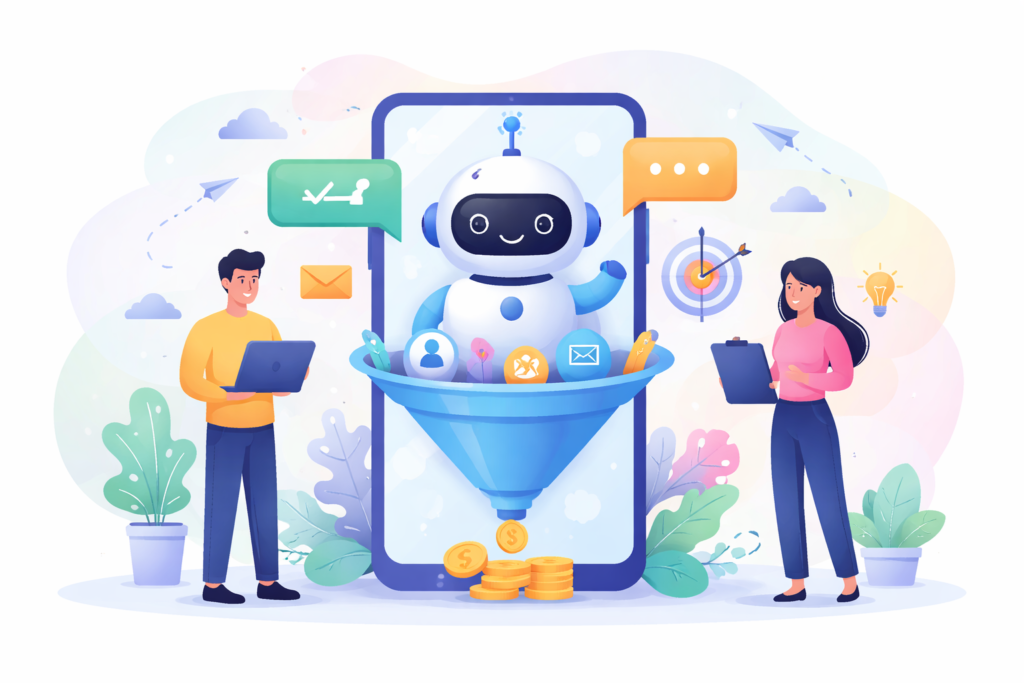
Chatbots are highly effective tools for lead generation when designed strategically. By engaging users in real-time conversations, chatbots can capture valuable information and qualify leads more efficiently than traditional forms.
The key to successful lead generation is asking the right questions. These questions should be concise, relevant, and aligned with user intent. Providing incentives such as discounts or exclusive content can also encourage users to share their information.
Another important aspect is timing. Chatbots should initiate conversations at the right moment, such as when a user spends a certain amount of time on a page or shows exit intent. This ensures that interactions are timely and relevant.
Enhancing Customer Support with Chatbots
Customer support is one of the most common applications of chatbots. By handling routine inquiries, chatbots can significantly reduce response times and improve efficiency. This allows human agents to focus on more complex issues.
A well-designed support chatbot should have access to a comprehensive knowledge base. This enables it to provide accurate and helpful responses to user queries. Additionally, implementing fallback mechanisms ensures that unresolved issues are escalated appropriately.
User satisfaction should always be a priority. Providing clear answers, maintaining a friendly tone, and offering quick resolutions can enhance the overall support experience. By continuously updating the chatbot’s knowledge base, businesses can ensure that it remains effective over time.
Optimizing Chatbot Performance for Conversions
Designing a chatbot is only the beginning; continuous optimization is what transforms it into a high-performing conversion engine. A chatbot should not remain static—it must evolve based on user behavior, analytics, and business goals. Optimization ensures that the chatbot consistently delivers value while improving key performance metrics.
One of the most effective optimization techniques is A/B testing. By testing different conversation flows, greetings, and call-to-action prompts, businesses can identify what resonates best with users. For example, a simple change in wording or button placement can significantly impact conversion rates. Data-driven decisions eliminate guesswork and provide clear direction for improvements.
Another critical aspect is analyzing user drop-off points. If users abandon the conversation at a specific stage, it indicates friction or confusion. By identifying and addressing these issues, businesses can create smoother interactions. Continuous monitoring and refinement ensure that the chatbot remains aligned with user expectations and business objectives.
SEO Benefits of Chatbot Integration
Chatbots can play a significant role in enhancing SEO performance when implemented strategically. While they do not directly impact search engine rankings, they influence key behavioral metrics such as dwell time, bounce rate, and user engagement—all of which are important signals for search engines.
According to Google Search Central guidelines, creating helpful, user-focused content is essential for ranking success. Chatbots contribute to this by providing instant answers, guiding users to relevant pages, and improving overall site usability. This leads to longer session durations and higher satisfaction.
Additionally, chatbots can assist in content discovery. By recommending blog posts, services, or products based on user queries, they help users navigate the website more effectively. This not only improves user experience but also increases the visibility of important pages, contributing to better SEO outcomes.
Security and Data Privacy in Chatbot Design
Security and data privacy are critical considerations in chatbot design, especially when handling sensitive user information. Businesses must ensure that their chatbots comply with industry standards and regulations to build trust and avoid legal issues.
One of the key best practices is implementing secure data transmission using HTTPS. As outlined in Google HTTPS best practices, secure connections protect user data and enhance trustworthiness. Encryption ensures that information shared during conversations remains confidential.
Another important aspect is data minimization. Chatbots should only collect the information necessary for their intended purpose. Clear privacy policies and user consent mechanisms should be in place to inform users about how their data is being used. Transparency builds trust and strengthens brand credibility.
Common Mistakes to Avoid in Chatbot Design
Despite the growing popularity of chatbots, many businesses make avoidable mistakes that limit their effectiveness. One common issue is overcomplicating the conversation flow. When users are presented with too many options or unclear instructions, they may become overwhelmed and abandon the interaction.
Another frequent mistake is neglecting fallback responses. A chatbot that cannot handle unexpected inputs can frustrate users. It is essential to design fallback mechanisms that guide users back on track or offer the option to connect with a human agent. This ensures a seamless experience even in challenging scenarios.
Lack of personalization is also a major drawback. Generic responses fail to engage users and reduce the overall impact of the chatbot. By leveraging user data and context, businesses can create more meaningful interactions. Avoiding these common pitfalls can significantly improve chatbot performance.
Future Trends in Chatbot Design and AI Automation
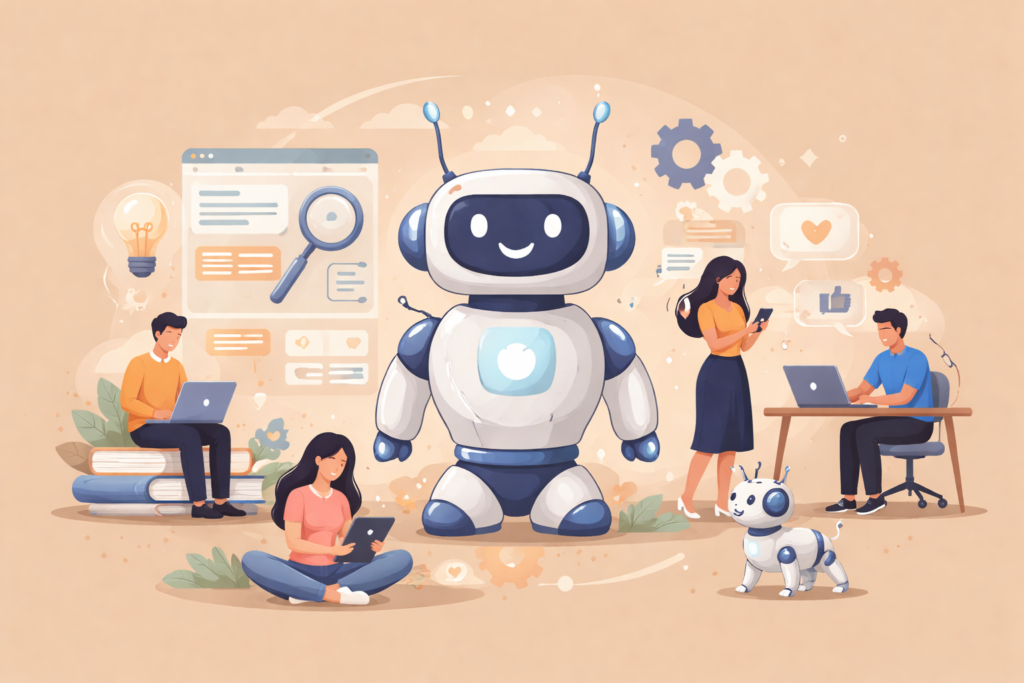
The future of chatbot design is driven by advancements in artificial intelligence and user expectations. As technology evolves, chatbots are becoming more sophisticated, capable of handling complex interactions and delivering highly personalized experiences.
One emerging trend is the use of voice-enabled chatbots. With the rise of voice assistants, users are increasingly comfortable interacting through speech. Integrating voice capabilities can enhance accessibility and provide a more natural interaction experience.
Another trend is the integration of chatbots with omnichannel strategies. Modern users interact with brands across multiple platforms, including websites, social media, and messaging apps. A unified chatbot experience across these channels ensures consistency and improves user satisfaction.
AI-driven analytics is also shaping the future of chatbot design. By analyzing user behavior in real-time, chatbots can adapt their responses dynamically, providing more relevant and effective interactions. This level of intelligence will continue to redefine how businesses engage with their audiences.
Frequently Asked Questions
1. What is chatbot design?
Chatbot design involves creating conversational interfaces that enable users to interact with digital systems through text or voice. It includes planning conversation flows, defining user intents, and optimizing interactions for usability and engagement.
2. How does a chatbot improve conversions?
Chatbots engage users in real-time, provide instant responses, and guide them toward desired actions. This reduces friction in the user journey and increases the likelihood of conversions.
3. What is the difference between AI and rule-based chatbots?
Rule-based chatbots follow predefined scripts, while AI chatbots use machine learning to understand and respond to user input dynamically. AI chatbots offer greater flexibility and scalability.
4. Are chatbots good for SEO?
Yes, chatbots improve user engagement metrics such as dwell time and bounce rate, which indirectly support SEO performance.
5. How secure are chatbots?
Chatbots can be highly secure when implemented with proper encryption, data protection measures, and compliance with industry standards.
6. Can chatbots replace human support agents?
Chatbots can handle routine tasks, but human agents are still essential for complex and sensitive interactions.
7. What industries benefit most from chatbots?
Industries such as e-commerce, healthcare, finance, and customer service benefit significantly from chatbot implementation.
8. How do I measure chatbot success?
Key metrics include engagement rate, completion rate, customer satisfaction, and conversion rate.
Best Practices Summary
Designing an effective chatbot requires a combination of strategy, technology, and user-centric thinking. Businesses should focus on clarity, simplicity, and personalization to create meaningful interactions. Continuous optimization based on data insights ensures long-term success.
Integration with existing systems enhances functionality and efficiency, while adherence to security standards builds trust. By aligning chatbot design with business objectives, companies can maximize their return on investment and deliver exceptional user experiences.
Ultimately, a successful chatbot is one that evolves with user needs. Regular updates, testing, and innovation are essential for staying competitive in a rapidly changing digital landscape.
Conclusion
Chatbot design is a powerful tool for transforming how businesses interact with their customers. By combining thoughtful design, advanced technology, and continuous optimization, companies can create conversational experiences that drive engagement and conversions.
At Chattbotz, the focus is on delivering intelligent, user-friendly chatbot solutions that align with modern digital strategies. By implementing the principles outlined in this guide, businesses can unlock the full potential of chatbot technology and achieve sustainable growth.
Want to Implement This Easily?
Prompt:
You are an expert consultant. Based on the blog post titled “(Design Chatbot)”, provide a step-by-step, practical implementation guide. Include tools, best practices, common mistakes to avoid, and advanced tips. Assume the reader wants to implement everything discussed in this article effectively.
Call to Action:
Want our help implementing this? Just reach out to us via our website contact form: https://chattbotz.com/contact-us/