
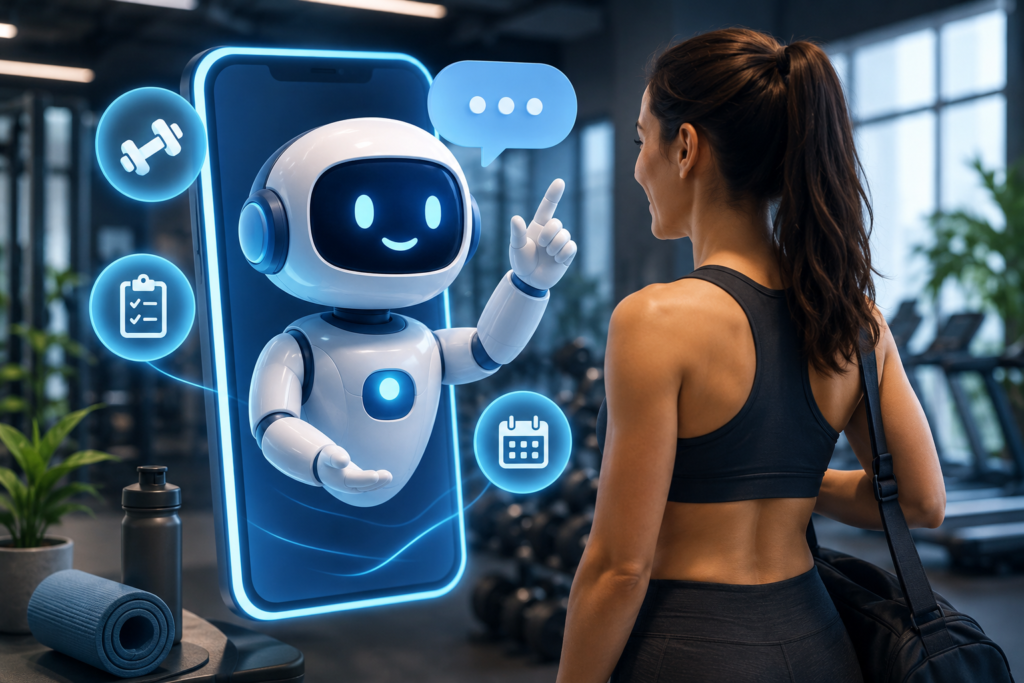
Fitness & Leisure Chatbot solutions help gyms, wellness brands, sports centers, and recreational businesses automate customer support, improve bookings, personalize fitness guidance, and increase member engagement with AI-powered conversations.
Introduction
The fitness and leisure industry has transformed dramatically in recent years. Customers now expect instant responses, personalized experiences, seamless booking systems, and around-the-clock support from gyms, wellness centers, sports clubs, yoga studios, fitness trainers, and recreational businesses. Traditional communication methods often struggle to meet these growing expectations, which creates missed opportunities and lower customer satisfaction.
This is where Fitness & Leisure Chatbot technology becomes a powerful business asset. AI-powered chatbot solutions are helping fitness businesses automate customer communication, streamline appointment scheduling, recommend personalized wellness plans, answer frequently asked questions, and improve member retention. Instead of relying entirely on manual customer support, businesses can now provide intelligent, instant, and scalable assistance that improves the overall member experience.
At ChattBotz, businesses are increasingly exploring advanced chatbot solutions to improve customer interactions and simplify operations. Whether you run a gym, wellness center, fitness studio, sports academy, or leisure facility, understanding how chatbot automation works can help improve efficiency, increase customer satisfaction, and support long-term business growth.
What Is a Fitness & Leisure Chatbot and Why Does It Matter?
A Fitness & Leisure Chatbot is an AI-powered virtual assistant designed specifically for fitness centers, gyms, wellness brands, sports organizations, recreational businesses, and leisure facilities. These chatbots communicate with customers through websites, mobile applications, social media channels, or messaging platforms. Their primary role is to automate communication, provide personalized recommendations, answer inquiries, and improve customer convenience.
Unlike traditional customer service systems that rely on office hours or human availability, chatbot systems operate continuously. This means gym members can ask questions about membership fees, workout schedules, trainer availability, or wellness programs at any time of day. The ability to provide instant responses significantly improves user satisfaction and reduces frustration caused by delayed communication.
Modern fitness businesses face increasing pressure to deliver personalized customer experiences. According to <u>Google Search Essentials</u>, websites that provide valuable, user-focused experiences tend to perform better in digital visibility and engagement. You can explore these recommendations through Google Search Essentials. Fitness chatbots align with this approach by offering users fast, relevant, and personalized support while improving business responsiveness.
Another reason these chatbots matter is scalability. During busy hours, customer service teams can become overwhelmed with repetitive inquiries. Chatbots reduce this burden by automatically answering common questions about pricing, opening hours, memberships, cancellations, class schedules, and trainer availability. This allows staff to focus on higher-value interactions while maintaining excellent customer support standards.
Businesses also gain valuable insights from chatbot interactions. Customer questions reveal common concerns, preferences, and behavioral patterns, which can guide service improvements and marketing decisions. In competitive industries such as health, fitness, and recreation, these insights create a major strategic advantage.
Ultimately, fitness and leisure chatbots matter because they improve communication efficiency, reduce operational friction, and help businesses create stronger relationships with customers while maintaining a consistent user experience.
How Fitness Chatbots Are Transforming Customer Experiences
Customer expectations have changed significantly in the fitness industry. Members no longer want delayed responses, confusing booking systems, or generic communication. They want personalized experiences that align with their goals, schedules, and interests. Fitness chatbots are helping businesses meet these expectations through smart automation and real-time engagement.
One of the biggest transformations comes from instant accessibility. Customers often have urgent questions before joining a gym or wellness program. They may want information about pricing packages, available trainers, yoga sessions, class timings, or dietary consultation services. Instead of waiting for business hours, chatbot systems provide immediate answers that reduce friction during the decision-making process.
Another important shift involves personalization. Modern AI-powered fitness assistants can recommend workout programs, suggest wellness plans, provide class reminders, and even offer motivational interactions based on user preferences. For example, if a member regularly attends yoga sessions, the chatbot may recommend advanced classes or wellness workshops that match their interests.
Chatbots also improve member retention strategies. One of the biggest challenges fitness businesses face is losing members after the initial enrollment period. Automated engagement systems help solve this problem by sending reminders, encouraging participation, sharing motivational content, and promoting relevant programs. Consistent communication increases customer involvement and reduces inactivity.
According to Google’s guidance on creating people-first content, user experience and relevance are essential for maintaining trust and engagement. Businesses can learn more through Google Helpful Content Guidelines. Fitness chatbot systems contribute to a positive user experience by simplifying communication and reducing customer frustration.
Additionally, multilingual support can improve accessibility for diverse audiences. Many fitness brands serve customers from different linguistic backgrounds. AI chatbots can provide responses in multiple languages, improving convenience and making services more inclusive.
The transformation goes beyond convenience. Chatbots create smoother experiences that feel responsive, personalized, and customer-focused. In an increasingly digital world, this type of engagement is becoming an expectation rather than a luxury.
Benefits of Using a Fitness & Leisure Chatbot for Business Growth
Businesses in the fitness and leisure sector constantly search for ways to improve efficiency while maintaining exceptional customer experiences. Implementing a chatbot system delivers multiple business advantages that directly support growth, scalability, and operational performance.
The first major benefit is 24/7 customer support automation. Customers may browse fitness services outside business hours, especially during evenings or weekends. Chatbots ensure inquiries are answered instantly, reducing the risk of losing potential members due to delayed responses. Faster communication often translates into higher conversion rates and improved lead generation.
Another major advantage is better lead qualification. Instead of manually collecting information from potential members, chatbots can automatically ask relevant questions regarding goals, fitness interests, budgets, preferred schedules, or membership preferences. This data allows businesses to deliver more relevant offers and recommendations.
Chatbots also support cost efficiency. Hiring large customer support teams can become expensive, especially for growing fitness brands. Automated systems reduce repetitive workloads while allowing human teams to focus on high-priority interactions that require empathy or expertise.
Operational efficiency improves as well. Many fitness facilities struggle with appointment scheduling, trainer coordination, and membership management. Chatbots streamline these processes by integrating with booking systems, sending reminders, and managing recurring communication. Businesses that optimize performance often align with recommendations from Google Page Experience Guidelines to improve digital usability and customer engagement.
From a marketing perspective, chatbots increase customer retention and upselling opportunities. Existing members can receive personalized recommendations for nutrition plans, premium training sessions, wellness classes, or leisure activities. These intelligent recommendations increase revenue opportunities without aggressive sales tactics.
Another overlooked benefit involves data-driven decision-making. Chatbot analytics reveal common customer concerns, service demand trends, and frequently requested programs. Business owners can use these insights to improve services, launch new offerings, or optimize marketing campaigns.
Most importantly, chatbots help businesses scale without compromising service quality. Whether handling ten inquiries or thousands, automated systems maintain consistency and responsiveness, which strengthens brand trust and customer loyalty.
Key Features Every Fitness & Leisure Chatbot Should Have
Not all chatbot systems are equally effective. Fitness and leisure businesses require specialized features that improve user experiences while supporting operational goals. Selecting the right chatbot functionality can significantly influence customer satisfaction and long-term business performance.
One essential feature is smart appointment booking. Members should be able to reserve classes, personal training sessions, wellness appointments, or sports activities directly through the chatbot. Automated scheduling reduces administrative work while improving customer convenience.
Another critical feature is membership support automation. Customers frequently ask questions regarding pricing, membership plans, upgrades, cancellations, freezing accounts, or payment methods. A well-designed chatbot should instantly handle these inquiries to eliminate unnecessary delays.
Personalized recommendations are another important feature. Fitness customers appreciate customized guidance. AI chatbots should recommend exercise plans, wellness programs, classes, or leisure activities based on member preferences and fitness goals. Personalization improves engagement while increasing participation rates.
Businesses should also prioritize multi-platform integration. A chatbot should work across websites, mobile apps, social media channels, and messaging services to maintain consistent communication everywhere customers interact.
Security is equally important. Since chatbots may collect customer information, businesses should follow trusted digital security principles such as those recommended by Google Security Best Practices. Data privacy and secure handling of user information improve customer trust and regulatory compliance.
Another valuable feature is real-time notifications and reminders. Chatbots can remind members about upcoming classes, trainer appointments, wellness sessions, subscription renewals, or promotions. Automated reminders reduce no-shows and improve customer consistency.
Finally, chatbot analytics help businesses measure performance. Understanding user behavior, engagement patterns, conversion rates, and common support issues enables continuous optimization. Businesses that regularly refine chatbot performance often experience stronger long-term results.
Fitness chatbots work best when they combine automation, personalization, convenience, and intelligent insights into one seamless experience.
Why Personalization Matters in Fitness Chatbot Experiences
Personalization has become one of the strongest competitive advantages in the health and wellness sector. Customers no longer want generic interactions; they expect businesses to understand their goals, preferences, schedules, and motivations. A fitness chatbot designed around personalization can significantly improve engagement and member satisfaction.
For example, someone focused on weight loss may receive completely different recommendations than a person training for athletic performance or rehabilitation. Personalized chatbot systems can recommend workout programs, nutrition content, class schedules, and progress reminders based on individual interests.
Behavioral personalization also improves customer engagement. If a member stops attending scheduled fitness sessions, the chatbot can automatically send motivational messages, alternative class recommendations, or wellness reminders. These interactions encourage consistency and reduce membership cancellations.
Personalized communication supports trust-building as well. Members feel more valued when businesses understand their needs and provide relevant recommendations rather than generic promotions. This improves customer relationships and increases long-term loyalty.
Research from Google Consumer Insights emphasizes the importance of delivering relevant and customer-centered experiences. In the fitness industry, chatbot personalization directly supports this goal by creating meaningful and practical interactions.
Businesses can also personalize offers based on customer behavior. For instance, regular yoga attendees may receive promotions for mindfulness workshops, while strength-training members might see premium coaching opportunities. These tailored recommendations improve upselling without harming customer trust.
As customer expectations continue evolving, personalization will likely become a baseline expectation instead of a premium feature. Fitness brands that invest in intelligent chatbot personalization now are better positioned for long-term competitive success.
The Role of AI in Modern Fitness and Leisure Chatbots
Artificial intelligence has completely reshaped how fitness businesses interact with customers. Traditional automated systems relied on scripted answers, but modern AI-powered chatbot technology enables dynamic, context-aware, and conversational experiences.
AI chatbots can interpret customer intent more accurately than older rule-based systems. Instead of responding to exact keywords only, AI understands variations in language and context. This makes conversations feel smoother and more natural for users seeking fitness advice, membership support, or booking assistance.
Machine learning also improves chatbot performance over time. The more users interact with the system, the better it becomes at identifying patterns, answering questions, and improving recommendations. This creates smarter experiences that adapt to user needs.
Another valuable advantage is predictive assistance. AI systems can analyze member behavior and anticipate future needs. For example, if a customer consistently books evening classes, the chatbot may proactively recommend similar sessions or remind them about upcoming schedules.
AI-powered fitness chatbots are also improving wellness coaching experiences. Members increasingly seek digital accountability and guidance, and chatbot systems can provide progress reminders, hydration tips, motivational messages, and workout tracking assistance.
The role of AI extends beyond communication. Businesses use AI analytics to improve customer segmentation, predict churn risk, optimize marketing efforts, and strengthen service delivery. Intelligent automation is quickly becoming an essential competitive advantage in the modern fitness ecosystem.
How Fitness & Leisure Chatbots Improve Membership Management
Managing memberships efficiently is one of the biggest challenges for fitness centers, gyms, wellness clubs, and recreational businesses. Manual membership systems often lead to delays, missed renewals, poor communication, and administrative overload. A Fitness & Leisure Chatbot helps simplify these processes while improving customer satisfaction and operational efficiency.
One of the most valuable ways chatbots improve membership management is through instant account support. Members frequently need help with subscription plans, renewal dates, membership freezes, billing concerns, cancellations, or upgrades. Instead of waiting for staff assistance, a chatbot can instantly answer questions and guide users through the required steps. This reduces frustration while improving customer trust.
Automated renewal reminders are another major advantage. Many fitness businesses lose revenue simply because customers forget renewal dates. AI chatbot systems can send timely reminders about expiring memberships, payment due dates, and promotional upgrade opportunities. Personalized renewal communication often improves customer retention rates and reduces membership drop-offs.
Chatbots also improve customer onboarding. New members often feel overwhelmed during the first few weeks of joining a gym or wellness facility. A chatbot can guide users through membership benefits, explain schedules, recommend classes, and answer common beginner questions. This supportive onboarding experience helps members feel more confident and engaged.
In addition, chatbot automation improves operational efficiency for staff members. Instead of answering repetitive questions throughout the day, employees can focus on higher-priority tasks such as personal coaching, customer relationship building, and in-person service delivery.
As businesses continue to prioritize digital convenience, chatbot-powered membership systems are becoming increasingly valuable for improving member experiences while reducing administrative complexity.
How Chatbots Increase Customer Engagement in Fitness Businesses
Customer engagement directly affects business growth in the fitness and leisure industry. Members who actively participate in classes, communicate regularly, and feel connected to a brand are more likely to remain loyal customers. A well-designed chatbot system helps increase engagement through personalized, proactive, and consistent communication.
One powerful engagement strategy involves automated reminders. Fitness members often struggle with consistency, especially when balancing work, family, and personal commitments. Chatbots can send workout reminders, wellness tips, class notifications, and motivational messages that encourage members to stay active and committed to their goals.
Another important engagement feature is interactive fitness guidance. Customers increasingly expect personalized support rather than generic communication. Chatbots can recommend training plans, suggest leisure activities, and offer wellness advice based on individual interests. This creates a more customized experience that feels valuable to users.
Gamification can also increase engagement. Some fitness chatbot systems reward participation with digital badges, milestone celebrations, or challenge reminders. These small interactions motivate members to remain active and involved with fitness programs.
According to <u>Google’s user-focused content principles</u>, businesses that prioritize meaningful user experiences often create stronger trust and long-term engagement. You can review these principles through Google Helpful Content System. Personalized chatbot engagement strongly aligns with these recommendations because it focuses on real customer needs and practical support.
Engagement is no longer limited to in-person experiences. Digital communication has become a major factor in customer retention, and chatbots allow businesses to stay connected with members beyond physical visits. This continuous relationship-building creates stronger loyalty and improved customer lifetime value.
Fitness Chatbots for Appointment Scheduling and Booking Automation
Appointment scheduling is often one of the most time-consuming operational tasks for fitness and leisure businesses. Whether customers want to reserve yoga sessions, personal training appointments, wellness consultations, or recreational activities, scheduling problems can create frustration and reduce conversions. Chatbots solve these challenges by automating the booking process.
Instead of requiring customers to call or manually navigate complicated booking systems, chatbot interfaces make reservations simple and conversational. Users can ask questions, browse available schedules, select preferred trainers, and confirm appointments instantly. This convenience significantly improves customer experiences.
Automated scheduling also reduces human error. Double bookings, missed appointments, or scheduling conflicts can damage trust and create unnecessary confusion. AI chatbot systems streamline calendar management while sending automated confirmations and reminders to reduce no-shows.
Another major benefit is availability transparency. Customers can instantly see class openings, trainer schedules, or wellness appointment availability without contacting customer support. Faster access to information improves satisfaction and increases booking completion rates.
Businesses can further improve efficiency by integrating chatbot scheduling systems with calendars, customer databases, and payment systems. This creates a seamless experience where customers can book, pay, and receive confirmations without interruptions.
As digital convenience becomes increasingly important, automated scheduling is quickly becoming a competitive requirement for fitness businesses rather than an optional feature.
Common Mistakes Businesses Make When Implementing Fitness Chatbots
Although chatbot systems offer substantial benefits, many businesses make avoidable mistakes during implementation. These mistakes can reduce effectiveness, frustrate customers, and weaken trust if not addressed properly.
One of the most common mistakes is over-automation without human support. While chatbots handle repetitive questions effectively, customers occasionally need personal assistance. Businesses that remove human interaction entirely often create frustrating experiences. The best chatbot systems combine automation with smooth transitions to live support when needed.
Another major mistake involves poor personalization. Generic chatbot responses reduce engagement and make interactions feel robotic. Fitness businesses should personalize recommendations, reminders, and wellness suggestions based on user behavior and preferences. Personalized experiences increase customer satisfaction and long-term retention.
Some businesses also fail to optimize chatbot usability. Complicated interfaces, confusing navigation, or unclear responses create friction. Customers expect fast, simple, and helpful communication. Testing chatbot workflows regularly helps identify issues before they negatively affect users.
Another overlooked problem is ignoring customer feedback. Businesses that fail to analyze chatbot conversations miss valuable opportunities for improvement. User questions reveal important insights about pain points, popular services, and communication gaps.
Security mistakes can also damage trust. Since chatbots may process sensitive customer information, businesses should follow trusted digital safety standards such as those discussed in Google Security Guidelines. Secure handling of user data helps protect business reputation and customer confidence.
Avoiding these common mistakes helps businesses maximize chatbot effectiveness while improving customer experiences.
Best Practices for Building a Successful Fitness & Leisure Chatbot
Creating an effective chatbot requires more than basic automation. Successful systems prioritize customer convenience, personalization, accuracy, and continuous improvement. Businesses that follow best practices are more likely to achieve stronger engagement and operational success.
The first best practice is focusing on user experience. Customers should receive fast, clear, and relevant responses without unnecessary complexity. Conversations should feel intuitive, helpful, and easy to navigate.
Another important practice is personalizing communication. Generic interactions rarely create strong engagement. Businesses should tailor recommendations, reminders, promotions, and responses according to user preferences, fitness goals, and past interactions.
Continuous optimization is equally important. Chatbot performance should be monitored regularly to identify weak areas, misunderstood questions, or missed opportunities. Analytics help businesses refine workflows and improve response quality over time.
Businesses should also maintain transparency. Users should know when they are communicating with an AI assistant and understand when human support is available. Clear communication builds trust and improves satisfaction.
Multi-channel integration is another valuable strategy. Customers interact across websites, social media, mobile apps, and messaging platforms. Maintaining a consistent chatbot experience across channels improves accessibility and convenience.
Finally, businesses should prioritize trust and credibility by following recognized digital quality principles. Learning from resources such as Google Search Quality Guidelines helps businesses create more reliable and customer-focused experiences.
The Future of Fitness & Leisure Chatbot Technology
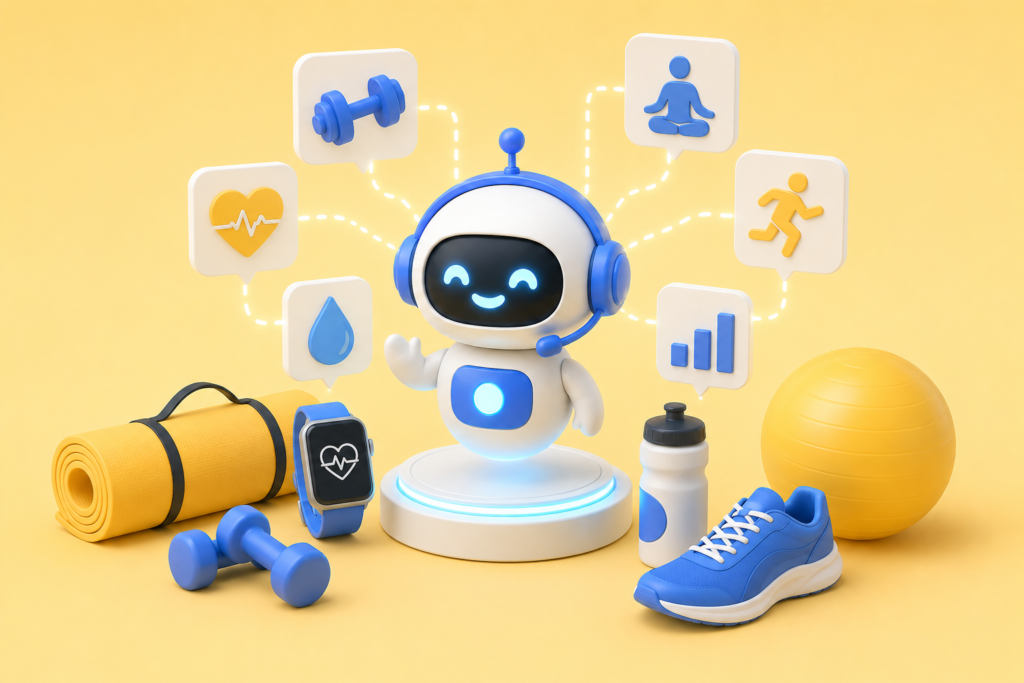
The future of fitness and leisure chatbot technology looks highly promising as artificial intelligence continues evolving. Businesses are increasingly adopting advanced automation systems to meet rising customer expectations and improve operational performance.
One major trend is hyper-personalization. Future chatbot systems will likely provide even more tailored recommendations based on user behavior, health goals, fitness progress, and personal preferences. Customers may receive intelligent workout plans, adaptive wellness programs, and real-time coaching support.
Voice-enabled chatbot experiences are also expected to grow. Instead of typing messages, users may interact with fitness assistants through voice conversations for scheduling, guidance, or wellness support. This could create even more natural user experiences.
Predictive analytics will become increasingly important. Advanced AI systems may identify customer inactivity risks, predict cancellations, and proactively recommend solutions to improve retention. Businesses will gain deeper insights into customer behavior and engagement patterns.
Integration with wearable devices may also expand significantly. Fitness chatbots could connect with smartwatches and activity trackers to provide personalized suggestions based on health metrics, exercise routines, or wellness performance.
As AI technology becomes more sophisticated, chatbot systems will likely become essential digital assistants for fitness brands seeking long-term growth, stronger engagement, and improved operational efficiency.
Frequently Asked Questions
1. What is a Fitness & Leisure Chatbot?
A Fitness & Leisure Chatbot is an AI-powered virtual assistant designed to automate communication for gyms, fitness studios, wellness centers, sports facilities, and leisure businesses. It helps with customer support, bookings, membership questions, and personalized recommendations.
2. How can a chatbot improve gym membership retention?
Chatbots improve retention by sending reminders, personalized recommendations, motivational messages, wellness tips, and automated renewal notifications. Consistent engagement encourages members to stay active and connected.
3. Can fitness chatbots handle appointment scheduling?
Yes. Most modern fitness chatbot systems automate booking management, trainer appointments, class reservations, reminders, and scheduling updates to improve convenience and reduce no-shows.
4. Are fitness chatbots suitable for small businesses?
Absolutely. Small gyms, yoga studios, and wellness businesses can benefit significantly from chatbot automation because it reduces manual work while improving customer responsiveness.
5. Do chatbot systems replace human customer support?
No. Chatbots are designed to support—not completely replace—human teams. They handle repetitive questions while staff members focus on personalized customer interactions.
6. Are chatbot conversations secure?
Security depends on implementation quality. Businesses should follow trusted data protection and cybersecurity practices to ensure safe customer interactions.
7. Can fitness chatbots increase sales?
Yes. Personalized upselling, targeted recommendations, automated follow-ups, and improved customer engagement can increase membership upgrades and additional service purchases.
8. Why is personalization important in fitness chatbots?
Personalization improves user experiences by offering relevant fitness plans, wellness programs, reminders, and recommendations that align with individual customer goals.
Best Practices Summary
To achieve the best results with a Fitness & Leisure Chatbot, businesses should:
- Focus on customer-first experiences
- Use personalized communication
- Offer instant appointment scheduling
- Combine AI automation with human support
- Monitor chatbot analytics regularly
- Improve security and data privacy
- Optimize engagement through reminders and wellness content
- Continuously test and refine chatbot performance
Following these best practices helps businesses improve customer satisfaction, strengthen trust, and support long-term growth.
Conclusion
The fitness and leisure industry is rapidly evolving, and businesses that embrace digital transformation are better positioned for long-term success. A Fitness & Leisure Chatbot provides more than simple automation—it creates personalized experiences, improves customer engagement, streamlines scheduling, simplifies membership management, and strengthens customer relationships.
As expectations continue rising, customers increasingly value convenience, speed, and personalized support. AI-powered chatbot systems help businesses meet these expectations while improving operational efficiency and reducing repetitive workloads.
At ChattBotz, businesses are exploring smarter chatbot solutions to create stronger customer experiences and support sustainable growth. Whether you operate a gym, wellness center, sports facility, or leisure business, investing in chatbot technology can help you remain competitive while delivering better service to modern customers.
Want to Implement This Easily?
Prompt Text:
You are an expert consultant. Based on the blog post titled “Fitness & Leisure Chatbot”, provide a step-by-step, practical implementation guide. Include tools, best practices, common mistakes to avoid, and advanced tips. Assume the reader wants to implement everything discussed in this article effectively.
Call to Action:
Want our help implementing this? Just reach out to us via our website contact form:
ChattBotz Contact Us