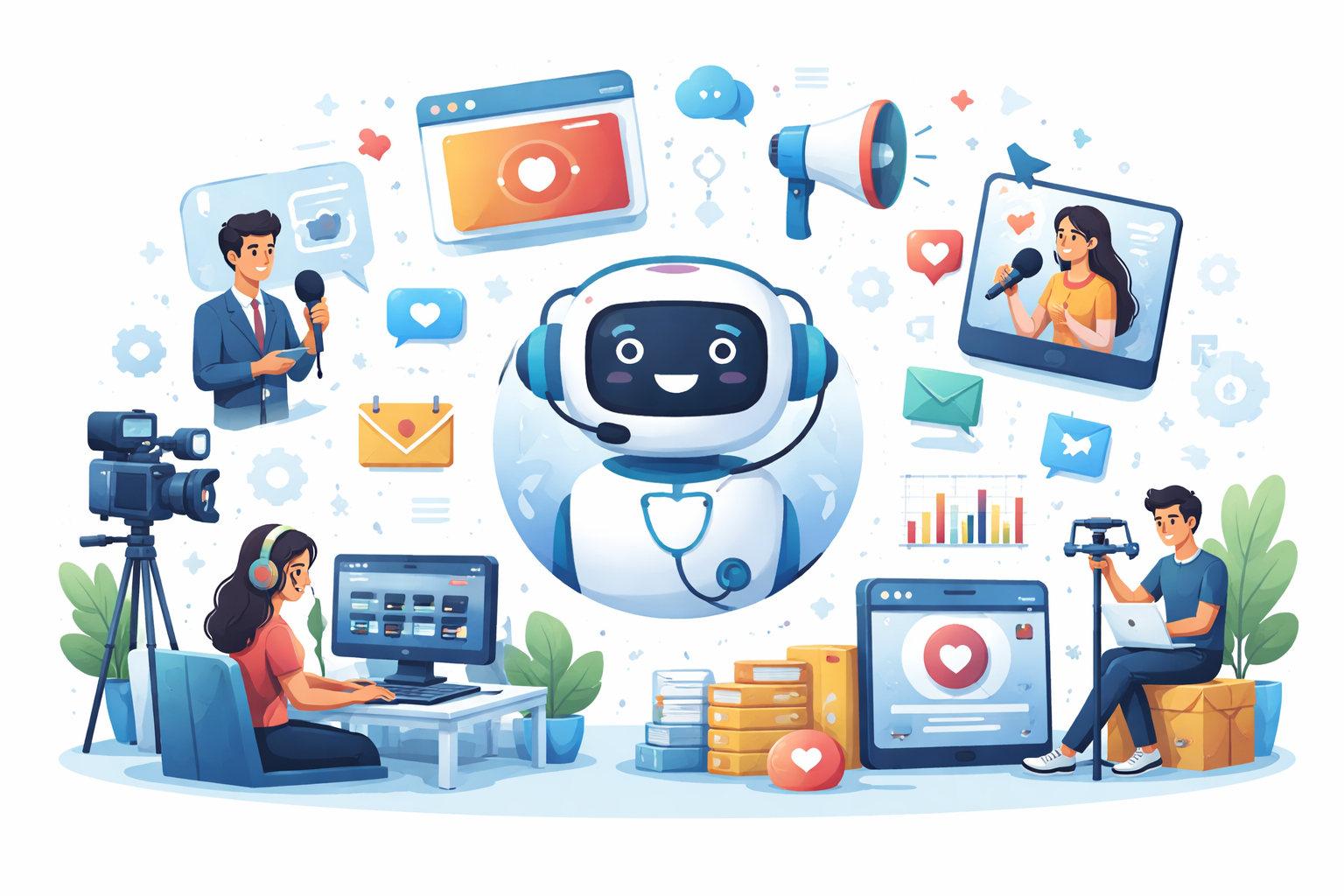

Media Chatbot solutions are transforming digital engagement by automating conversations, improving audience interaction, and driving real-time content delivery across media platforms.
Introduction
In today’s fast-paced digital ecosystem, audiences demand instant, personalized, and interactive experiences. Media companies—ranging from news publishers to entertainment platforms—are under constant pressure to deliver real-time updates while maintaining high engagement levels. This is where Media Chatbots step in as a game-changing solution.
A media chatbot is an AI-powered conversational tool designed specifically for media organizations. It can deliver breaking news, recommend content, answer audience queries, and even guide users through complex media libraries. Unlike traditional communication channels, chatbots offer a two-way, interactive experience that keeps users engaged longer.
For businesses looking to scale audience interaction without increasing operational costs, platforms like Chattbotz provide advanced chatbot solutions tailored for the media industry. These tools not only streamline communication but also unlock powerful insights into user behavior.
What is a Media Chatbot and Why It Matters
A Media Chatbot is a specialized AI-driven assistant designed to interact with users across media platforms such as websites, mobile apps, and messaging services. It leverages technologies like Natural Language Processing (NLP) and machine learning to understand user queries and respond intelligently. Unlike generic chatbots, media chatbots are optimized for content delivery, storytelling, and audience engagement.
The importance of media chatbots lies in their ability to provide real-time, personalized content experiences. For example, a news chatbot can instantly deliver breaking updates based on a user’s interests, while an entertainment chatbot can recommend movies, music, or shows tailored to individual preferences. This level of personalization significantly enhances user satisfaction and retention.
Moreover, media chatbots help organizations stay competitive in an era where attention spans are shrinking. By offering instant responses and curated content, they reduce bounce rates and increase session duration. This directly impacts SEO performance, as search engines prioritize websites that deliver strong user engagement metrics.
The Evolution of Chatbots in the Media Industry
The journey of chatbots in media began with simple rule-based systems that could answer basic FAQs. These early bots were limited in functionality and often failed to understand complex user queries. However, advancements in AI and NLP have transformed chatbots into highly sophisticated tools capable of delivering dynamic and context-aware responses.
Modern media chatbots can analyze user behavior, preferences, and engagement patterns to provide highly relevant content. For instance, a chatbot can track the type of articles a user reads and suggest similar topics in real time. This evolution has made chatbots an integral part of digital media strategies.
Another significant development is the integration of chatbots with multiple platforms, including social media, messaging apps, and voice assistants. This omnichannel presence ensures that users can interact with media brands seamlessly, regardless of the platform they choose. As a result, media companies can maintain consistent communication and strengthen their brand identity.
Key Features of a High-Performing Media Chatbot
A high-performing media chatbot is more than just a conversation tool—it is a comprehensive engagement engine. One of its most critical features is content personalization, which allows the bot to deliver tailored recommendations based on user behavior and preferences. This ensures that users receive relevant content, increasing their likelihood of returning.
Another essential feature is real-time content delivery. Whether it’s breaking news, live sports updates, or trending topics, a media chatbot must be able to provide instant information. This capability not only enhances user experience but also positions the media brand as a reliable source of timely updates.
Additionally, advanced media chatbots include analytics and reporting tools. These tools provide insights into user interactions, engagement rates, and content performance. By analyzing this data, media organizations can refine their strategies and improve overall performance. Features like multilingual support and voice interaction further enhance accessibility and reach.
Benefits of Media Chatbots for Digital Publishers
Digital publishers face numerous challenges, including declining attention spans and increasing competition. Media chatbots offer a powerful solution by enabling instant communication and personalized content delivery. This helps publishers retain readers and build stronger relationships with their audience.
One of the most significant benefits is cost efficiency. Chatbots can handle thousands of interactions simultaneously, reducing the need for large customer support teams. This allows publishers to allocate resources more effectively while maintaining high-quality service.
Furthermore, media chatbots contribute to improved SEO performance. By increasing user engagement and reducing bounce rates, they signal to search engines that the content is valuable and relevant. This can lead to higher rankings and increased organic traffic, making chatbots a valuable asset for any digital publisher.
How Media Chatbots Improve Audience Engagement

Audience engagement is the cornerstone of success in the media industry. Media chatbots enhance engagement by providing interactive and personalized experiences. Instead of passively consuming content, users can actively interact with the chatbot to explore topics of interest.
For example, a chatbot can ask users about their preferences and recommend articles, videos, or podcasts accordingly. This creates a more immersive experience that keeps users engaged for longer periods. Additionally, chatbots can send push notifications about trending topics, ensuring that users stay informed.
Another way chatbots improve engagement is through gamification and interactive storytelling. By incorporating quizzes, polls, and interactive narratives, chatbots make content consumption more enjoyable. This not only increases user satisfaction but also encourages sharing, further amplifying reach.
Role of AI and NLP in Media Chatbots
Artificial Intelligence and Natural Language Processing are the backbone of modern media chatbots. AI enables chatbots to learn from user interactions and improve over time, while NLP allows them to understand and respond to human language effectively.
One of the key advantages of NLP is its ability to interpret context and intent. This means that users can ask questions in natural language, and the chatbot can provide accurate and relevant responses. This level of understanding is crucial for delivering a seamless user experience.
AI also enables advanced features such as predictive analytics and content recommendations. By analyzing user behavior, chatbots can anticipate user needs and provide proactive suggestions. This not only enhances user satisfaction but also increases engagement and retention.
Use Cases of Media Chatbots Across Industries
Media chatbots are versatile tools that can be used across various industries. In the news sector, they provide real-time updates and personalized news feeds. In entertainment, they recommend movies, music, and shows based on user preferences.
In the sports industry, chatbots deliver live scores, match updates, and player statistics. They can also engage fans through interactive features such as polls and quizzes. This creates a more engaging and immersive experience for users.
Additionally, media chatbots are widely used in marketing and advertising. They can deliver targeted campaigns, collect user feedback, and analyze engagement data. This makes them a valuable tool for businesses looking to optimize their marketing strategies.
Media Chatbots and Content Personalization
Content personalization is one of the most powerful capabilities of media chatbots. By analyzing user behavior and preferences, chatbots can deliver highly relevant content that resonates with individual users.
For example, a chatbot can track the type of articles a user reads and suggest similar topics. This creates a personalized experience that keeps users engaged and encourages them to return. Personalization also increases the likelihood of content being shared, further expanding reach.
Moreover, personalized content delivery enhances user satisfaction and builds trust. When users feel that the content is tailored to their interests, they are more likely to engage with the brand. This not only improves retention but also strengthens brand loyalty.
Integration of Media Chatbots with Social Platforms
Social media platforms are a crucial channel for media distribution. Integrating media chatbots with platforms like messaging apps and social networks allows organizations to reach a broader audience and engage users in real time.
Chatbots can automate responses to user queries, deliver content updates, and even facilitate transactions. This makes them a valuable tool for managing social media interactions efficiently. Additionally, chatbots can provide insights into user behavior, helping organizations refine their strategies.
The integration of chatbots with social platforms also enables omnichannel communication. Users can interact with the chatbot across multiple platforms, ensuring a consistent experience. This not only enhances user satisfaction but also strengthens brand presence.
SEO Benefits of Using Media Chatbots
Media chatbots play a significant role in improving SEO performance. By enhancing user engagement and reducing bounce rates, they signal to search engines that the content is valuable and relevant.
According to Google Search Essentials, user experience is a critical factor in search rankings. Media chatbots contribute to a better user experience by providing instant responses and personalized content.
Additionally, chatbots can help generate long-tail keywords through user interactions. By analyzing the questions users ask, organizations can identify new keyword opportunities and optimize their content accordingly. This can lead to higher rankings and increased organic traffic.
Advanced Strategies for Media Chatbot Optimization
To truly unlock the potential of a Media Chatbot, businesses must go beyond basic implementation and focus on continuous optimization. One of the most effective strategies is leveraging behavioral data analysis. By tracking user interactions, click patterns, and engagement time, chatbots can refine their responses and deliver increasingly relevant content. This iterative learning process ensures that the chatbot evolves alongside user expectations.
Another advanced approach is implementing AI-driven segmentation. Instead of treating all users the same, chatbots can categorize audiences based on demographics, interests, and browsing behavior. This allows for hyper-personalized content delivery, which significantly boosts engagement and retention. For example, a chatbot can differentiate between a casual reader and a frequent visitor, offering tailored recommendations to each group.
Additionally, integrating chatbots with content management systems (CMS) enhances efficiency. This enables automatic content updates, ensuring users always receive the latest information. According to Google Search Central, maintaining fresh and relevant content is essential for SEO success, making this integration a critical optimization strategy.
Building a Scalable Media Chatbot Architecture
A scalable chatbot architecture is essential for handling growing user demands without compromising performance. The foundation of scalability lies in cloud-based infrastructure, which allows chatbots to process thousands of interactions simultaneously. This ensures consistent performance even during traffic spikes, such as breaking news events.
Another key component is modular design. By structuring the chatbot into independent modules—such as content delivery, user interaction, and analytics—developers can easily update or expand specific functionalities without affecting the entire system. This flexibility is crucial for adapting to changing business needs.
Security and data privacy are also critical considerations. Implementing robust encryption and compliance measures ensures that user data is protected. Following guidelines from OWASP helps mitigate security risks and build user trust, which is essential for long-term success.
Media Chatbots for Real-Time News and Content Delivery
In the media industry, speed is everything. Media chatbots excel in delivering real-time updates, ensuring users receive breaking news as it happens. This capability is particularly valuable for news organizations, where timely information can significantly impact audience engagement.
Chatbots can also curate content dynamically based on user preferences. For example, a user interested in technology news will receive updates tailored to that category. This personalized approach not only enhances user experience but also increases the likelihood of repeat visits.
Furthermore, real-time content delivery supports push notifications and alerts. These features keep users informed about important developments, even when they are not actively browsing. By maintaining constant communication, media chatbots help organizations stay top-of-mind for their audience.
Enhancing User Experience with Conversational Design
A well-designed conversational experience is at the heart of an effective media chatbot. This involves creating natural, intuitive interactions that mimic human conversation. Using clear language, contextual responses, and logical flow ensures that users can easily navigate the chatbot.
One important aspect of conversational design is intent recognition. By accurately understanding user queries, chatbots can provide precise and relevant responses. This reduces frustration and enhances overall satisfaction. Incorporating fallback mechanisms for unclear queries further improves the user experience.
Another critical factor is visual and interactive elements. Features such as quick reply buttons, carousels, and multimedia content make interactions more engaging. These elements not only improve usability but also encourage users to explore more content, increasing engagement metrics.
Data Analytics and Insights from Media Chatbots
Data is one of the most valuable assets generated by media chatbots. Every interaction provides insights into user preferences, behavior, and engagement patterns. By analyzing this data, organizations can make informed decisions and optimize their strategies.
Key metrics to track include engagement rate, session duration, and user retention. These metrics help identify areas for improvement and measure the effectiveness of the chatbot. Advanced analytics tools can also provide predictive insights, enabling organizations to anticipate user needs.
Moreover, chatbot data can inform content strategy. By understanding which topics resonate with users, media organizations can create more targeted and relevant content. This not only improves engagement but also enhances SEO performance by aligning content with user intent.
Common Mistakes to Avoid When Implementing Media Chatbots
Despite their benefits, many organizations fail to maximize the potential of media chatbots due to common mistakes. One of the most frequent errors is over-automation. While automation is essential, relying too heavily on it can result in impersonal interactions that frustrate users.
Another common mistake is neglecting user experience design. A poorly designed chatbot with confusing navigation and irrelevant responses can drive users away. Ensuring a seamless and intuitive experience is crucial for success.
Additionally, failing to update and optimize the chatbot regularly can lead to outdated content and reduced effectiveness. Continuous monitoring and improvement are essential to keep the chatbot relevant and valuable. Ignoring analytics and user feedback can significantly hinder performance.
Best Practices for Media Chatbot Success
To achieve optimal results, organizations should follow proven best practices. First, focus on user-centric design. Understanding the needs and preferences of your audience is key to creating a chatbot that delivers value.
Second, prioritize content quality and relevance. Ensuring that the chatbot provides accurate and up-to-date information builds trust and credibility. This aligns with Google’s Helpful Content Guidelines, which emphasize the importance of user-focused content.
Third, implement continuous optimization. Regularly analyzing performance data and making improvements ensures that the chatbot remains effective. This includes updating content, refining responses, and incorporating new features based on user feedback.
Future Trends in Media Chatbots

The future of media chatbots is shaped by rapid advancements in AI and technology. One emerging trend is the integration of voice-based interactions, allowing users to engage with chatbots through voice commands. This enhances accessibility and provides a more natural user experience.
Another trend is the use of generative AI for content creation. Chatbots can generate summaries, headlines, and even full articles, streamlining content production. This not only improves efficiency but also enables real-time content updates.
Additionally, the rise of multimodal interactions—combining text, voice, and visual elements—will further enhance user engagement. As technology continues to evolve, media chatbots will become even more sophisticated, offering richer and more immersive experiences.
FAQs
1. What is a media chatbot?
A media chatbot is an AI-powered tool designed to deliver content, interact with users, and enhance engagement across media platforms.
2. How do media chatbots improve SEO?
They increase user engagement, reduce bounce rates, and provide personalized content, all of which contribute to better search rankings.
3. Are media chatbots expensive to implement?
Costs vary depending on complexity, but they often reduce long-term operational expenses by automating interactions.
4. Can media chatbots handle multiple users simultaneously?
Yes, modern chatbots are designed to manage thousands of interactions at once.
5. What industries benefit from media chatbots?
News, entertainment, sports, marketing, and e-commerce industries all benefit from chatbot implementation.
6. How secure are media chatbots?
When built with proper security measures and compliance standards, they are highly secure.
7. Do media chatbots require constant updates?
Yes, regular updates are essential to maintain relevance and effectiveness.
8. Can chatbots replace human interaction?
They complement human interaction but do not completely replace it.
Best Practices Summary
Media chatbots have become an essential tool for modern digital engagement. They enable real-time communication, personalized content delivery, and data-driven decision-making. By implementing best practices such as user-centric design, continuous optimization, and high-quality content, organizations can maximize the benefits of chatbots.
It is also crucial to avoid common pitfalls, such as over-automation and neglecting user experience. By focusing on delivering value and maintaining trust, media chatbots can significantly enhance audience engagement and drive business growth.
In conclusion, businesses that invest in media chatbot technology today are better positioned to succeed in the competitive digital landscape. For those looking to implement advanced chatbot solutions, Chattbotz offers powerful tools and expertise to help you achieve your goals.
Want to Implement This Easily?
Prompt:
You are an expert consultant. Based on the blog post titled “(Media Chatbot)”, provide a step-by-step, practical implementation guide. Include tools, best practices, common mistakes to avoid, and advanced tips. Assume the reader wants to implement everything discussed in this article effectively.
Call to Action:
Want our help implementing this? Just reach out to us via our website contact form: https://appledew.co.uk/cb/contact-us/