
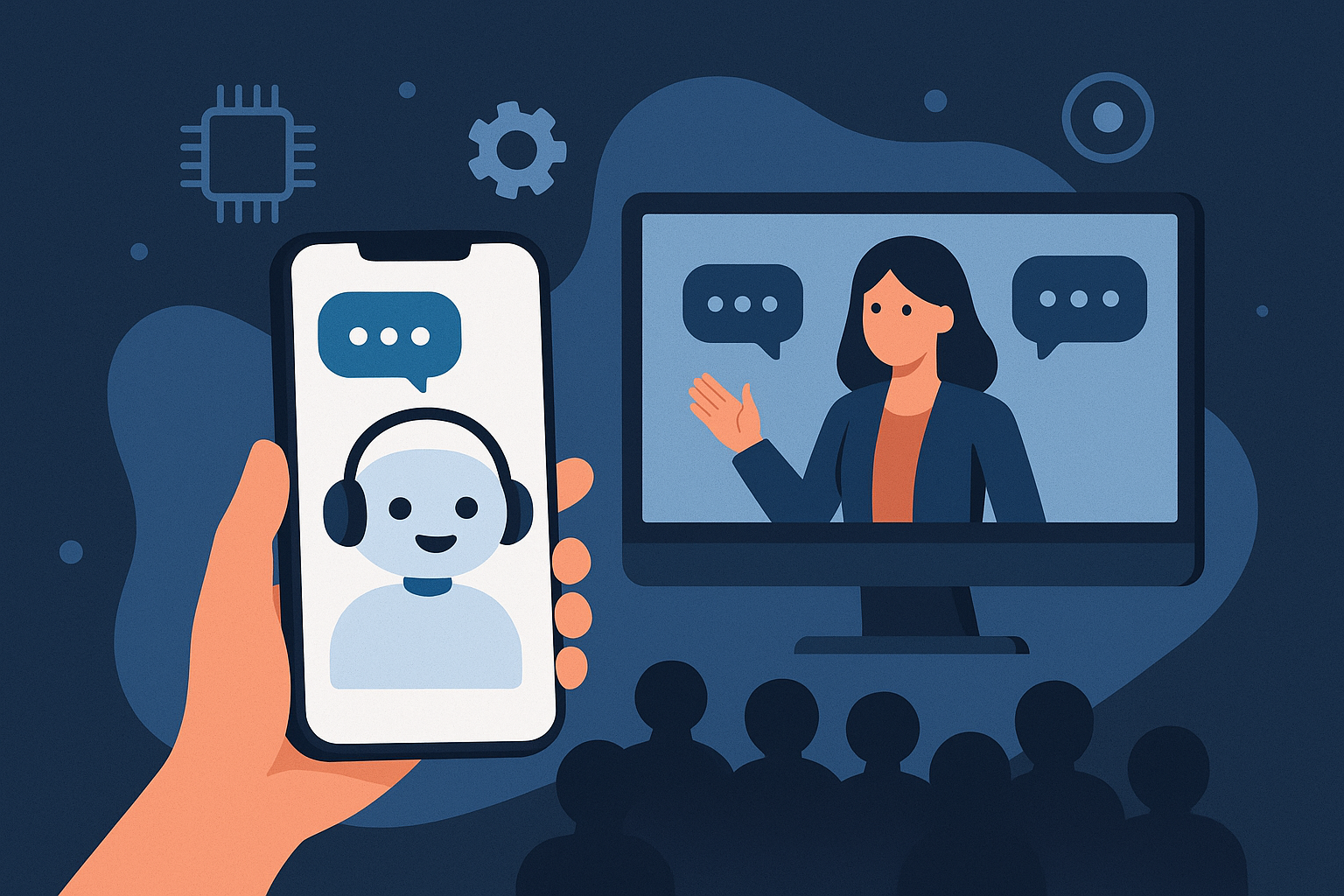
In a world where events and conferences are becoming larger, more complex, and increasingly hybrid, engagement has emerged as the central challenge. Attendees expect more than just presentations; they look for interactive experiences, seamless communication, and instant updates. Traditional methods such as printed brochures, call centers, or manual check-ins no longer suffice. The integration of AI-powered chatbots into event management systems has dramatically transformed the landscape. These intelligent assistants provide instant information, manage registrations, connect participants, and enhance the overall experience in ways that were once unimaginable.
The rise of Events & Conferences Chatbots represents a fundamental shift in how organizers connect with attendees. Instead of focusing only on logistics, organizers now have tools that enable personalized journeys, real-time support, and meaningful engagement before, during, and after the event. With conversational AI, events evolve into dynamic ecosystems where every participant feels valued, supported, and empowered.
Introduction to Events & Conferences Chatbots
Events and conferences have long been a vital platform for learning, networking, and professional growth. However, as the digital era continues to reshape industries, traditional event management practices often fall short of meeting modern expectations. Today’s participants demand instant access to schedules, session updates, and venue information without the frustration of waiting in lines or browsing through confusing websites. This is where chatbots play an essential role.
An Events & Conferences Chatbot serves as a virtual assistant available 24/7 to help attendees navigate every aspect of an event. From the moment they register until the post-event survey, chatbots ensure that participants enjoy a streamlined and highly interactive experience. By automating repetitive queries, they allow organizers to focus on improving content quality, speaker engagement, and sponsorship value.
For a platform like chattbotz, highlighting the role of conversational AI in events underlines its potential to revolutionize industries. By integrating advanced chatbot technology, event organizers can create memorable, personalized, and efficient gatherings that meet the ever-growing expectations of global audiences.
The Digital Shift in Event Engagement
The digital transformation of events is not just about offering virtual attendance options—it is about rethinking how people connect, learn, and engage. Gone are the days when attendees relied solely on printed schedules or staff assistance. Today, smartphones, apps, and conversational interfaces dominate the event experience.
Chatbots represent the natural evolution of this shift. They provide instant communication, removing the need for participants to search through endless documents or websites. Attendees simply type or speak a query and receive an instant, accurate response. This efficiency transforms the entire event into a more enjoyable experience while reducing pressure on support teams.
Furthermore, the digital shift allows events to reach wider audiences. Hybrid formats combine physical gatherings with online participation, enabling global access. Chatbots ensure both groups enjoy the same quality of assistance, bridging any gap between in-person and remote experiences. They personalize interactions, answer questions, and even provide post-event highlights, reinforcing the digital-first approach in modern engagement.
Why Events Require Chatbots Now More Than Ever
Modern events are increasingly complex. Beyond sessions and keynote speakers, they include networking lounges, sponsor showcases, live polls, and entertainment activities. Coordinating these elements while ensuring attendee satisfaction can be overwhelming. Chatbots offer the scalability and efficiency required to manage such diversity.
One of their greatest strengths is availability. Attendees often require support outside regular hours, particularly in international or hybrid events spanning multiple time zones. Chatbots remain active 24/7, providing information instantly. This constant accessibility eliminates frustration while fostering trust.
Organizers also benefit from real-time insights. By analyzing chatbot interactions, they can identify the most common questions, track user behavior, and discover opportunities for improvement. For instance, if a significant number of queries focus on Wi-Fi details or session timings, organizers can address these gaps proactively. Thus, chatbots not only improve engagement but also enhance operational intelligence.
Personalization: The Core of Event Chatbots
One of the most impactful benefits of event chatbots lies in their ability to deliver personalized experiences at scale. Personalization is no longer optional—it is a key expectation. Attendees want events tailored to their interests, whether it’s suggesting relevant sessions, connecting with like-minded professionals, or highlighting speakers aligned with their career goals.
Chatbots leverage artificial intelligence and data analytics to make this possible. By studying user preferences and interactions, they recommend sessions that match attendee interests. For example, if someone frequently asks about marketing-related talks, the chatbot can highlight similar events, ensuring a customized journey.
This level of personalization enhances engagement and satisfaction. Instead of feeling like just another participant, attendees experience events as if designed specifically for them. This builds loyalty, encourages active participation, and increases the likelihood of future attendance. Personalization transforms ordinary conferences into extraordinary experiences.
Streamlining Event Registrations
Event registration is often the first touchpoint between organizers and attendees, making it one of the most critical stages. Traditionally, registration involved long forms, confusing processes, or email exchanges. Chatbots streamline this step by offering conversational registration experiences that feel natural and intuitive.
Attendees can register by simply interacting with the chatbot, answering questions step by step rather than filling out overwhelming forms. The chatbot can confirm details, process payments, and even provide instant confirmations. This makes the process faster, smoother, and less stressful for participants.
From an organizer’s perspective, chatbots reduce errors and eliminate redundant administrative work. They integrate with event management platforms, ensuring data is stored accurately and securely. By automating the process, staff members can focus on higher-value activities like improving session quality or sponsor engagement. A seamless registration experience also sets a positive tone for the rest of the event.
Enhancing Networking Opportunities
Networking remains one of the primary reasons people attend conferences. Attendees hope to connect with industry peers, discover potential partners, and establish valuable relationships. However, finding the right connections in a crowded event can be challenging. Chatbots step in as intelligent matchmaking assistants.
By analyzing attendee profiles, chatbots suggest relevant connections based on shared interests, industries, or goals. For example, a professional interested in digital transformation might be matched with speakers, exhibitors, or fellow participants in that field. The chatbot can even facilitate introductions by recommending conversation starters or scheduling meetups.
This intelligent networking makes large conferences feel smaller and more meaningful. Instead of random interactions, attendees engage in targeted conversations that offer real value. Organizers benefit as well because effective networking encourages higher attendance, stronger feedback, and positive word-of-mouth for future events.
Real-Time Support for Attendees
During events, attendees often face immediate questions: “What time does the keynote start?” “Where is the breakout session located?” “How do I access the live stream?” Chatbots provide instant answers, ensuring attendees don’t waste time searching for staff or navigating confusing apps.
The advantage of real-time support lies in accessibility. Whether it’s day or night, chatbots remain available, resolving issues within seconds. This dramatically improves satisfaction levels and helps attendees focus on the actual event rather than logistical challenges.
Moreover, real-time support reduces pressure on event staff. Instead of fielding repetitive questions, staff can dedicate their energy to solving more complex problems or improving attendee experience. Chatbots, meanwhile, ensure consistency and accuracy in every response. This dual advantage ensures smooth operations while keeping participants engaged.
Hybrid and Virtual Events: Bridging the Gap

The rise of hybrid and virtual conferences has added new dimensions to event management. While these formats expand accessibility, they also present unique challenges—technical issues, timezone differences, and digital fatigue. Chatbots play a pivotal role in bridging the gap between physical and digital participation.
For virtual attendees, chatbots provide technical support, troubleshooting login issues, or offering instructions for using event platforms. They guide participants through virtual networking lounges, help access session recordings, and even share reminders about live discussions.
In hybrid setups, chatbots synchronize the experiences of in-person and remote attendees. For instance, while onsite participants might ask about venue maps, remote users may inquire about live streaming options. A single chatbot system can handle both seamlessly, ensuring inclusivity.
The ability to support hybrid and virtual events demonstrates the flexibility of chatbots in adapting to evolving formats. They ensure every attendee feels connected, regardless of how they choose to participate.
Boosting Sponsor and Exhibitor Visibility
Sponsorship is a cornerstone of most large-scale events, providing financial backing while offering exposure to brands. Chatbots enhance sponsor and exhibitor visibility by actively promoting their sessions, booths, or offers.
Instead of relying solely on banners or announcements, chatbots deliver personalized sponsor recommendations. For example, if an attendee shows interest in digital tools, the chatbot might suggest visiting a sponsor booth showcasing innovative software. This targeted approach benefits both attendees and sponsors.
Additionally, chatbots can push notifications about giveaways, product launches, or sponsored sessions. This proactive engagement ensures sponsors achieve better ROI, encouraging them to continue supporting future events. For organizers, this creates a sustainable model where both attendees and sponsors gain maximum value.
Gamification Through Chatbots
Gamification has become a powerful tool to keep attendees engaged throughout events. By incorporating game-like elements such as quizzes, scavenger hunts, or reward systems, organizers create excitement and encourage participation. Chatbots serve as excellent facilitators for these activities.
They can launch trivia questions related to sessions, provide clues for interactive challenges, or track leaderboards in real time. Attendees can engage with these features directly through the chatbot, making the experience simple and immersive.
Gamification not only entertains participants but also reinforces learning and networking. It encourages attendees to explore more sessions, visit sponsor booths, and connect with peers, ultimately maximizing the event’s impact. Chatbots ensure these activities are seamless, fun, and accessible to everyone.
Data-Driven Insights for Organizers
One of the most underutilized advantages of event chatbots is the vast amount of data they generate. Every interaction between an attendee and the chatbot creates valuable insights. These include the most common questions asked, peak times for engagement, session popularity, and even sentiment indicators based on user feedback.
Organizers can analyze this information to make informed decisions during and after the event. For example, if the chatbot records an unusually high number of queries about a particular workshop, organizers can allocate additional resources or highlight it more prominently. Similarly, identifying repeated pain points allows planners to eliminate bottlenecks for future events.
Data-driven insights also extend to measuring engagement levels. By tracking participation in networking activities, sponsor interactions, or gamification events, organizers can evaluate ROI and attendee satisfaction. This kind of actionable intelligence transforms chatbots from being mere support tools into strategic assets that shape the success of conferences.
Accessibility and Inclusivity
Accessibility is no longer just a compliance requirement—it is a fundamental expectation. Events attract diverse audiences, including individuals with disabilities, language barriers, or different learning preferences. Chatbots enhance inclusivity by providing equal access to information and support.
For attendees with hearing impairments, chatbots offer text-based assistance that eliminates the need for verbal communication. For those with vision impairments, voice-enabled chatbot interactions ensure smooth engagement. Multilingual capabilities further break down barriers, allowing international participants to receive responses in their native languages.
This inclusivity not only broadens participation but also enhances the event’s reputation. An accessible event is perceived as progressive, thoughtful, and genuinely committed to serving diverse audiences. By integrating inclusive chatbot features, organizers build stronger community trust and ensure no participant feels excluded.
Cost Efficiency in Event Management
Organizing large-scale conferences involves substantial costs, from venue management and staffing to printing materials and providing support. Chatbots significantly reduce expenses by automating repetitive tasks that would otherwise require additional staff.
Instead of hiring large teams for answering attendee queries or managing check-ins, organizers can rely on chatbots to handle thousands of inquiries simultaneously. This reduction in manpower needs translates to considerable savings without compromising service quality.
Moreover, digital communication through chatbots eliminates the need for physical materials such as brochures, maps, or printed schedules. Attendees simply ask the chatbot for the latest updates, ensuring real-time accuracy while reducing environmental impact. Cost efficiency allows organizers to reallocate resources toward creating richer content, better technology, and enhanced attendee experiences.
Integration with Event Technologies
Events today rely on a wide range of technologies—ticketing systems, mobile apps, CRM software, streaming platforms, and survey tools. Chatbots can integrate seamlessly with these platforms, creating a unified and efficient ecosystem.
For example, when integrated with ticketing systems, chatbots can confirm registrations, issue e-tickets, and send reminders. With CRM integration, they can personalize communication based on attendee history. Connection with live-streaming platforms allows chatbots to share direct session links or troubleshoot technical problems.
This interconnected ecosystem ensures attendees don’t have to navigate multiple platforms separately. Instead, they rely on the chatbot as their central hub, simplifying the event journey. Organizers also benefit from streamlined operations and more cohesive data management.
Building Engagement Before Events
Successful events begin long before the opening ceremony. Pre-event engagement is crucial to building anticipation, driving registrations, and creating awareness. Chatbots can play a critical role in this preparation phase by interacting with potential attendees even before they sign up.
They can answer FAQs about the event, highlight keynote speakers, share promotional material, and guide users through registration. Pre-event chatbots can also send reminders, updates about early-bird discounts, or notifications about agenda announcements.
This early interaction builds trust and excitement, ensuring participants arrive informed and motivated. By the time the event begins, attendees already feel connected, resulting in stronger engagement throughout the conference.
Keeping Attendees Engaged During Events
Engagement during the event is equally important. Even well-organized conferences can lose participant interest if they lack interactive elements. Chatbots help maintain energy and focus by providing live polls, quizzes, or Q&A sessions during talks.
For instance, instead of waiting for a microphone during a crowded session, attendees can submit questions directly through the chatbot. Moderators then pick the most relevant ones, making the discussion more inclusive and efficient. Chatbots also encourage attendees to explore exhibition booths, attend networking lounges, and participate in interactive activities.
This constant engagement ensures attendees remain active participants rather than passive observers, which enhances learning outcomes and overall satisfaction.
Post-Event Engagement and Feedback
The value of an event does not end when the last session concludes. Post-event engagement plays a critical role in building long-term relationships. Chatbots continue to deliver value by collecting feedback, sharing session recordings, and providing follow-up surveys.
Attendees can easily share their opinions on what they enjoyed, what needs improvement, and what they hope to see in future events. This feedback is invaluable for organizers, enabling them to refine strategies and deliver better experiences next time.
Chatbots can also nurture long-term engagement by sending updates about upcoming events, exclusive content, or networking opportunities. By maintaining this connection, events transform from one-time gatherings into continuous learning and networking ecosystems.
The Future of Events with AI Chatbots

As artificial intelligence continues to evolve, the future of events looks increasingly chatbot-driven. Advanced features such as natural language understanding, emotional recognition, and predictive recommendations will redefine how attendees interact with events.
Imagine a chatbot that not only answers questions but also anticipates attendee needs based on past behavior. For example, if a participant frequently attends marketing-related talks, the chatbot could proactively suggest upcoming marketing sessions or networking groups. Similarly, emotion-aware chatbots could adjust tone and recommendations depending on the user’s mood.
These innovations will push conferences toward hyper-personalization, making every experience unique and memorable. Organizers who embrace this future will enjoy competitive advantages in creating engaging, data-driven, and immersive events.
Challenges and Best Practices in Implementing Chatbots
While chatbots bring numerous advantages, successful implementation requires careful planning. Poorly designed chatbots can frustrate attendees, damage brand reputation, and hinder engagement. Challenges include ensuring natural language understanding, handling complex queries, and maintaining data privacy.
Best practices involve training chatbots with comprehensive FAQs, integrating them seamlessly with event technologies, and regularly testing their performance. Organizers should also maintain a balance between automation and human support. While chatbots handle most queries, providing a human backup option ensures that attendees with complex issues receive proper assistance.
Transparency is equally important. Attendees should be aware they are interacting with a chatbot while feeling confident that their queries will be addressed effectively. By following these best practices, event organizers can maximize chatbot effectiveness while minimizing risks.
Conclusion: Transforming Events with Chatbots
The integration of chatbots into events and conferences has fundamentally transformed how people connect, engage, and learn. From streamlining registrations and enabling personalized journeys to enhancing networking and offering real-time support, chatbots redefine what it means to participate in modern gatherings. They empower organizers with valuable data, improve accessibility, and reduce costs, creating a win-win scenario for everyone involved.
As technology continues to advance, the potential for chatbots will only grow stronger. They are not merely tools but strategic partners in creating meaningful experiences that leave lasting impressions.
For a platform like chattbotz, the mission is clear—equip organizers with intelligent solutions that elevate every aspect of event management. By embracing chatbot technology, conferences can move beyond logistical coordination to deliver personalized, inclusive, and engaging experiences that truly resonate with participants worldwide.