
Media Chatbot solutions are transforming digital communication, customer engagement, and content delivery. Discover how AI-powered media chatbots improve user experience, automate workflows, and drive growth in 2026.
Introduction
The rise of artificial intelligence has dramatically reshaped how businesses interact with audiences, especially in the media and entertainment industry. A Media Chatbot is an AI-powered conversational system designed specifically to deliver, recommend, and interact with multimedia content such as news, videos, podcasts, and live broadcasts. These intelligent systems are no longer limited to simple customer service; they now act as dynamic content assistants that personalize user experiences across platforms.
At ChattBotz, businesses are leveraging media chatbots to bridge the gap between content consumption and user engagement. Whether it’s a news platform delivering real-time updates or a streaming service recommending personalized shows, chatbots have become central to modern digital strategies. The ability to process user preferences and respond in real-time makes them a powerful tool for media companies aiming to retain and grow audiences.
From social media platforms to OTT streaming services, media chatbots are becoming a critical part of digital ecosystems. They enhance accessibility, streamline content discovery, and create immersive experiences. As AI technology continues to evolve, the capabilities of media chatbots are expanding rapidly, offering smarter, faster, and more intuitive interactions for users worldwide.
What is a Media Chatbot?
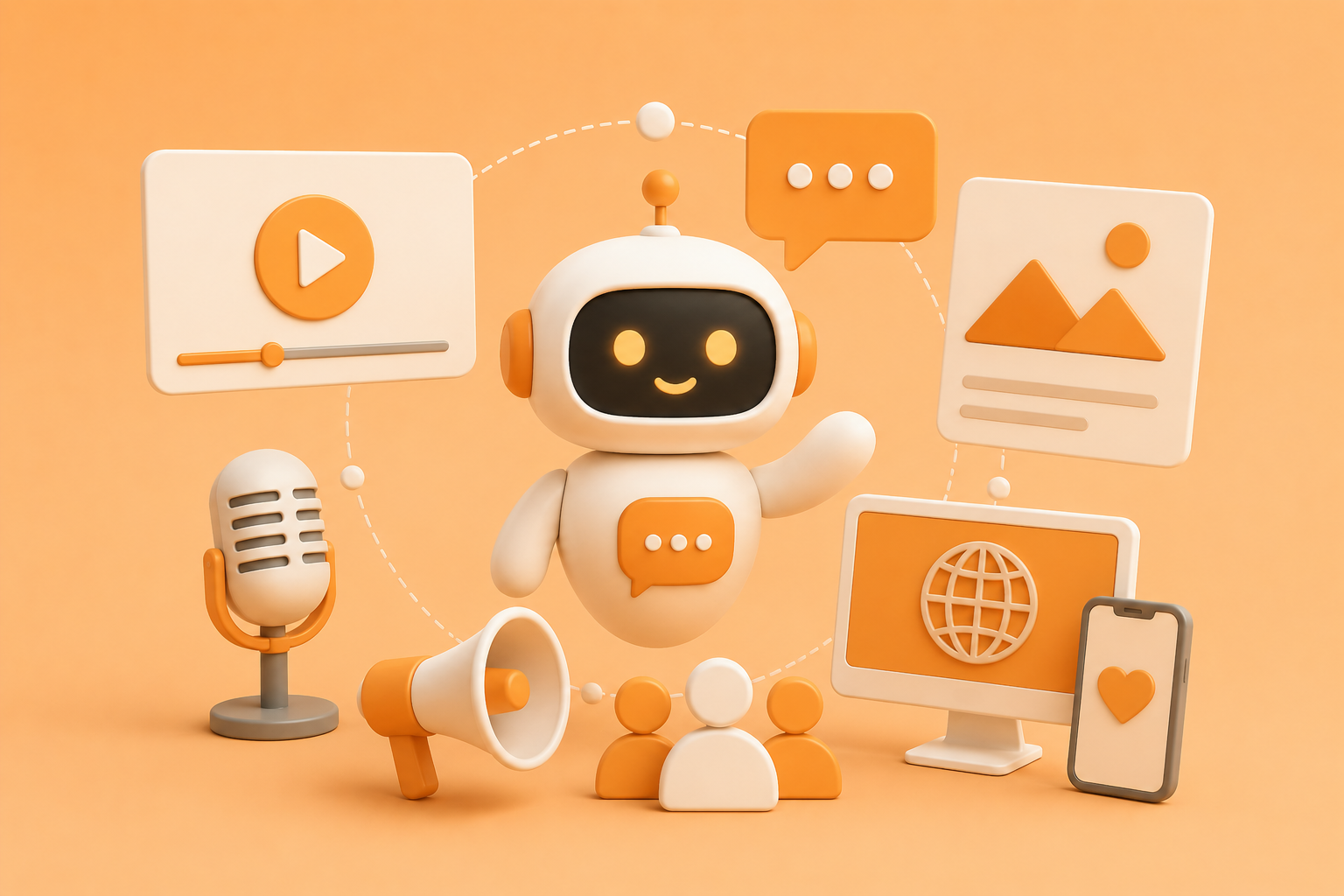
A Media Chatbot is a specialized AI-driven tool designed to interact with users while delivering media-rich content. Unlike traditional chatbots that focus solely on answering queries, media chatbots integrate text, audio, video, and interactive elements into conversations. This allows users to consume content seamlessly within messaging platforms, websites, or apps.
These chatbots use Natural Language Processing (NLP) and Machine Learning (ML) algorithms to understand user intent and provide relevant media content. For example, a user asking for the latest news about technology might receive curated articles, video summaries, and podcast recommendations in real time. This level of personalization enhances user satisfaction and keeps audiences engaged longer.
Additionally, media chatbots can be integrated across multiple platforms, including websites, mobile apps, and messaging services like WhatsApp and Facebook Messenger. This omnichannel capability ensures consistent user experiences, making it easier for businesses to maintain engagement across different touchpoints.
Evolution of Chatbots in the Media Industry
The journey of chatbots in the media industry has been transformative. Initially, chatbots were rule-based systems that provided predefined responses to user queries. These early bots lacked flexibility and were limited in their ability to handle complex interactions. However, with advancements in AI, chatbots have evolved into intelligent systems capable of understanding context and delivering personalized experiences.
The introduction of AI-powered chatbots marked a significant shift. Media companies began using them to distribute content, automate customer interactions, and provide real-time updates. For example, news organizations started deploying chatbots to deliver breaking news alerts directly to users via messaging platforms.
Today, media chatbots are powered by advanced AI technologies, enabling them to analyze user behavior, predict preferences, and recommend content proactively. This evolution has transformed how audiences consume media, making interactions more interactive, personalized, and engaging.
Key Features of Media Chatbots
Media chatbots come equipped with a wide range of features that enhance user interaction and content delivery. One of the most notable features is content personalization, which allows chatbots to recommend media based on user preferences, browsing history, and behavior patterns.
Another important feature is multimedia integration. Media chatbots can deliver text, images, videos, and audio within a single conversation. This creates a richer user experience and allows users to consume content without switching platforms. Additionally, chatbots support real-time updates, ensuring users receive the latest information instantly.
Automation is also a key feature. Media chatbots can handle repetitive tasks such as content distribution, user queries, and notifications. This reduces operational costs and allows businesses to focus on strategic initiatives. With AI-driven analytics, chatbots also provide valuable insights into user behavior, helping businesses refine their content strategies.
Benefits of Media Chatbots for Businesses
Media chatbots offer numerous benefits for businesses looking to enhance their digital presence. One of the primary advantages is improved user engagement. By providing personalized and interactive experiences, chatbots keep users engaged and encourage longer interaction times.
Cost efficiency is another significant benefit. Chatbots automate routine tasks, reducing the need for large customer support teams. This not only lowers operational costs but also improves response times, ensuring users receive instant assistance.
Media chatbots also enhance data collection and analysis. They gather valuable insights into user preferences, behavior, and engagement patterns. This data can be used to optimize content strategies, improve user experiences, and drive business growth. Furthermore, chatbots enable businesses to scale their operations efficiently, handling large volumes of interactions without compromising quality.
How Media Chatbots Improve User Engagement
User engagement is a critical factor in the success of any media platform, and media chatbots play a vital role in enhancing it. By delivering personalized content, chatbots ensure users receive information that aligns with their interests. This increases the likelihood of users interacting with the content and returning for more.
Interactive conversations are another way chatbots boost engagement. Instead of passively consuming content, users can actively interact with chatbots, ask questions, and receive tailored responses. This creates a more immersive experience and fosters a stronger connection between users and the platform.
Additionally, media chatbots provide real-time updates and notifications, keeping users informed about the latest content. This immediacy encourages frequent interactions and helps build a loyal user base. By combining personalization, interactivity, and real-time communication, media chatbots significantly enhance user engagement.
Role of AI and Machine Learning in Media Chatbots

Artificial Intelligence and Machine Learning are the backbone of modern media chatbots. These technologies enable chatbots to understand user intent, process natural language, and deliver relevant content. NLP algorithms allow chatbots to interpret user queries accurately, ensuring meaningful interactions.
Machine Learning enhances chatbot performance over time. By analyzing user interactions, chatbots learn from past experiences and improve their responses. This continuous learning process ensures that chatbots become more accurate and efficient with each interaction.
AI also enables predictive analytics, allowing chatbots to anticipate user needs and recommend content proactively. For example, a chatbot might suggest trending videos based on a user’s viewing history. This level of intelligence transforms chatbots into powerful tools for content discovery and user engagement.
Media Chatbots in Content Distribution
Content distribution is a key aspect of the media industry, and chatbots are revolutionizing this process. Instead of relying solely on traditional channels, media companies can use chatbots to deliver content directly to users through messaging platforms and apps.
Chatbots enable targeted content distribution by analyzing user preferences and behavior. This ensures that users receive content that is relevant to their interests, increasing engagement and satisfaction. Additionally, chatbots can distribute content in real time, ensuring users stay updated with the latest information.
Automation further enhances content distribution. Chatbots can schedule and deliver content automatically, reducing manual effort and improving efficiency. This allows media companies to focus on creating high-quality content while chatbots handle the distribution process.
Personalization and Recommendation Systems
Personalization is at the core of media chatbot functionality. By leveraging AI and data analytics, chatbots can deliver highly personalized content recommendations. This ensures users receive content that matches their interests, improving engagement and satisfaction.
Recommendation systems analyze user behavior, such as browsing history and interaction patterns, to suggest relevant content. For example, a user who frequently watches sports videos may receive recommendations for live matches or highlights. This targeted approach enhances the user experience and encourages repeat interactions.
Personalization also extends to communication. Chatbots can adapt their tone and style based on user preferences, creating a more natural and engaging conversation. This level of customization makes users feel valued and enhances their overall experience.
Integration with Social Media Platforms
Social media platforms are a key channel for media chatbots. By integrating with platforms like Facebook Messenger, WhatsApp, and Instagram, chatbots can reach a wider audience and provide seamless interactions.
These integrations allow chatbots to deliver content directly within social media apps, eliminating the need for users to switch platforms. This convenience enhances user experience and increases engagement. Additionally, chatbots can leverage social media data to personalize interactions and improve content recommendations.
Social media integration also enables businesses to automate responses, manage inquiries, and distribute content efficiently. This not only improves operational efficiency but also ensures consistent communication across different channels.
SEO and Media Chatbots
Media chatbots play a significant role in modern SEO strategies. By improving user engagement and reducing bounce rates, chatbots contribute to better search engine rankings. Search engines prioritize websites that offer valuable and engaging user experiences, and chatbots help achieve this.
According to Google Search Central Guidelines, creating helpful, user-focused content is essential for ranking. Media chatbots enhance this by delivering personalized and relevant content to users, aligning with Google’s best practices.
Chatbots also contribute to voice search optimization. With the rise of voice assistants, users increasingly rely on conversational queries. Media chatbots are designed to handle natural language interactions, making them ideal for optimizing content for voice search.
Security and Privacy Considerations
Security and privacy are critical aspects of media chatbot implementation. Chatbots handle sensitive user data, making it essential to ensure robust security measures are in place. This includes data encryption, secure APIs, and compliance with data protection regulations.
Following best practices outlined by Google Safety Guidelines helps ensure that user data is protected. Businesses must also implement authentication mechanisms to prevent unauthorized access and ensure secure interactions.
Transparency is another important factor. Users should be informed about how their data is collected and used. By prioritizing security and privacy, businesses can build trust and enhancing user confidence in their chatbot systems.
Challenges in Implementing Media Chatbots
Despite their numerous benefits, implementing media chatbots comes with challenges. One of the main challenges is ensuring accurate understanding of user intent. Natural language processing can sometimes misinterpret queries, leading to incorrect responses.
Another challenge is maintaining content relevance. With vast amounts of content available, ensuring that chatbots deliver the most relevant information can be difficult. This requires continuous optimization and updating of algorithms.
Integration with existing systems can also be complex. Businesses need to ensure that chatbots work seamlessly with their current infrastructure, including content management systems and databases. Overcoming these challenges requires careful planning, investment in technology, and ongoing improvement.
Future Trends in Media Chatbots
The future of media chatbots is promising, with advancements in AI and technology driving innovation. One of the key trends is the integration of voice and conversational AI, enabling more natural and intuitive interactions.
Another trend is the use of augmented reality (AR) and virtual reality (VR) in chatbot interactions. This will create immersive experiences, allowing users to interact with content in new and exciting ways.
AI-driven analytics will also play a significant role, providing deeper insights into user behavior and preferences. This will enable businesses to create more personalized and engaging experiences, ensuring the continued growth and evolution of media chatbots.
Advanced Use Cases of Media Chatbots in 2026
Media chatbots have evolved far beyond simple content delivery tools. In 2026, they are being used across a wide range of advanced applications that redefine how users interact with digital media. One of the most impactful use cases is in real-time news broadcasting, where chatbots deliver breaking news instantly, summarize complex stories, and even provide contextual background for better understanding. This ensures that users are not just informed but also educated in a highly engaging manner.
Another powerful use case is in interactive entertainment experiences. Streaming platforms now use media chatbots to create personalized watchlists, recommend shows based on mood, and even simulate conversations with fictional characters. This level of interactivity transforms passive content consumption into an immersive experience. Users can ask for “something exciting like a thriller with a strong female lead,” and the chatbot will deliver tailored suggestions instantly.
Media chatbots are also widely used in digital marketing and advertising. Brands leverage these bots to deliver targeted multimedia campaigns, engage users with interactive ads, and guide them through personalized content journeys. By analyzing user behavior, chatbots can recommend products, videos, or services that align perfectly with user interests, significantly improving conversion rates and customer satisfaction.
Media Chatbots for Customer Support and Automation
Customer support in the media industry has undergone a major transformation with the adoption of media chatbots. These intelligent systems handle a wide range of support queries, from subscription issues to content navigation, ensuring users receive instant assistance without long wait times. This not only improves customer satisfaction but also reduces operational costs for businesses.
Automation is a key advantage of media chatbots. They can handle repetitive tasks such as answering FAQs, processing requests, and sending notifications. This allows human agents to focus on more complex and strategic tasks. For example, a chatbot can automatically assist users in resetting passwords, updating account details, or finding specific content within seconds.
Moreover, media chatbots operate 24/7, ensuring uninterrupted support. This is especially important for global platforms with users across different time zones. By providing consistent and reliable assistance, chatbots enhance the overall user experience and build long-term trust with audiences.
Omnichannel Strategy and Media Chatbots
An effective omnichannel strategy is essential for modern media businesses, and media chatbots play a crucial role in achieving it. These chatbots can be integrated across multiple platforms, including websites, mobile apps, social media, and messaging services, ensuring a seamless user experience.
With omnichannel integration, users can start a conversation on one platform and continue it on another without losing context. For example, a user might begin interacting with a chatbot on a website and later continue the conversation on a mobile app. This continuity enhances convenience and improves user satisfaction.
Media chatbots also enable consistent branding and communication across channels. By maintaining a unified tone and delivering personalized content, businesses can create a cohesive brand experience. This not only strengthens brand identity but also increases user engagement and loyalty.
Analytics and Performance Tracking
Data-driven decision-making is at the heart of successful media strategies, and media chatbots provide valuable analytics to support this. These chatbots collect and analyze user interaction data, offering insights into user behavior, preferences, and engagement patterns.
Performance tracking is another key benefit. Businesses can monitor metrics such as response time, user satisfaction, and engagement rates to evaluate chatbot effectiveness. This data helps identify areas for improvement and optimize chatbot performance.
Advanced analytics also enable predictive insights. By analyzing historical data, chatbots can anticipate user needs and deliver proactive recommendations. This not only enhances user experience but also drives higher engagement and retention rates.
Content Monetization with Media Chatbots

Media chatbots are opening new avenues for content monetization. By delivering personalized recommendations, chatbots can promote premium content, subscriptions, and exclusive offers to users. This targeted approach increases the likelihood of conversions and boosts revenue.
Another monetization strategy is through interactive advertising. Chatbots can engage users with multimedia ads that are tailored to their interests. For example, a chatbot might recommend a product based on a user’s recent activity and provide a direct purchase link within the conversation.
Additionally, chatbots can facilitate in-app purchases and subscriptions. By guiding users through the purchasing process and answering queries in real time, chatbots simplify transactions and improve user experience. This seamless integration of content and commerce makes media chatbots a powerful tool for revenue generation.
FAQs
1. What is a media chatbot?
A media chatbot is an AI-powered tool designed to deliver and interact with multimedia content such as news, videos, and audio through conversational interfaces.
2. How do media chatbots improve user engagement?
They provide personalized content, real-time updates, and interactive experiences, making content consumption more engaging and dynamic.
3. Are media chatbots secure?
Yes, when implemented with proper security measures such as encryption and compliance with data protection standards, they are highly secure.
4. Can media chatbots replace human agents?
They can handle routine tasks but are best used alongside human agents for complex interactions.
5. What platforms support media chatbots?
They can be integrated into websites, mobile apps, and messaging platforms like WhatsApp and Facebook Messenger.
6. How do media chatbots help in SEO?
They improve user engagement, reduce bounce rates, and support conversational search optimization.
7. Are media chatbots expensive to implement?
Costs vary depending on complexity, but they often reduce long-term operational expenses.
8. What industries benefit most from media chatbots?
Media, entertainment, news, eCommerce, education, and marketing industries benefit significantly.
Common Mistakes to Avoid When Using Media Chatbots
One common mistake businesses make is over-automation. While automation is beneficial, relying too heavily on chatbots without human support can lead to poor user experiences, especially for complex queries. Striking the right balance between automation and human interaction is crucial.
Another mistake is lack of personalization. Generic responses and irrelevant recommendations can frustrate users and reduce engagement. Businesses must invest in AI and data analytics to ensure their chatbots deliver personalized experiences.
Ignoring regular updates and optimization is also a critical error. Chatbots need continuous improvement to stay relevant and effective. This includes updating content, refining algorithms, and analyzing performance metrics to identify areas for improvement.
Best Practices for Media Chatbot Success
To maximize the effectiveness of media chatbots, businesses should follow best practices. First, focus on user-centric design. Chatbots should be intuitive, easy to use, and capable of understanding natural language queries.
Second, prioritize data security and privacy. Implement robust security measures and follow guidelines from trusted sources like Google Privacy & Security Principles to protect user data and build trust.
Third, continuously monitor and optimize performance. Use analytics to track user interactions, identify trends, and improving chatbot functionality. Regular updates ensure that chatbots remain relevant and effective in meeting user needs.
Conclusion
Media chatbots are revolutionizing the way businesses interact with audiences, deliver content, and drive engagement. From personalized recommendations to real-time updates and advanced analytics, these AI-powered tools offer immense value across the media landscape.
At ChattBotz, the focus is on helping businesses harness the full potential of media chatbots to create meaningful and impactful user experiences. By adopting best practices, addressing challenges, and leveraging advanced technologies, businesses can stay ahead in the competitive digital landscape.
As the media industry continues to evolve, the role of chatbots will only become more significant. Investing in media chatbot solutions today is not just a trend but a strategic move toward future-ready digital transformation.
Want to Implement This Easily?
Prompt:
You are an expert consultant. Based on the blog post titled “(Media Chatbot)”, provide a step-by-step, practical implementation guide. Include tools, best practices, common mistakes to avoid, and advanced tips. Assume the reader wants to implement everything discussed in this article effectively.
Call to Action:
Want our help implementing this? Just reach out to us via our website contact form: https://appledew.co.uk/cb/contact-us/