
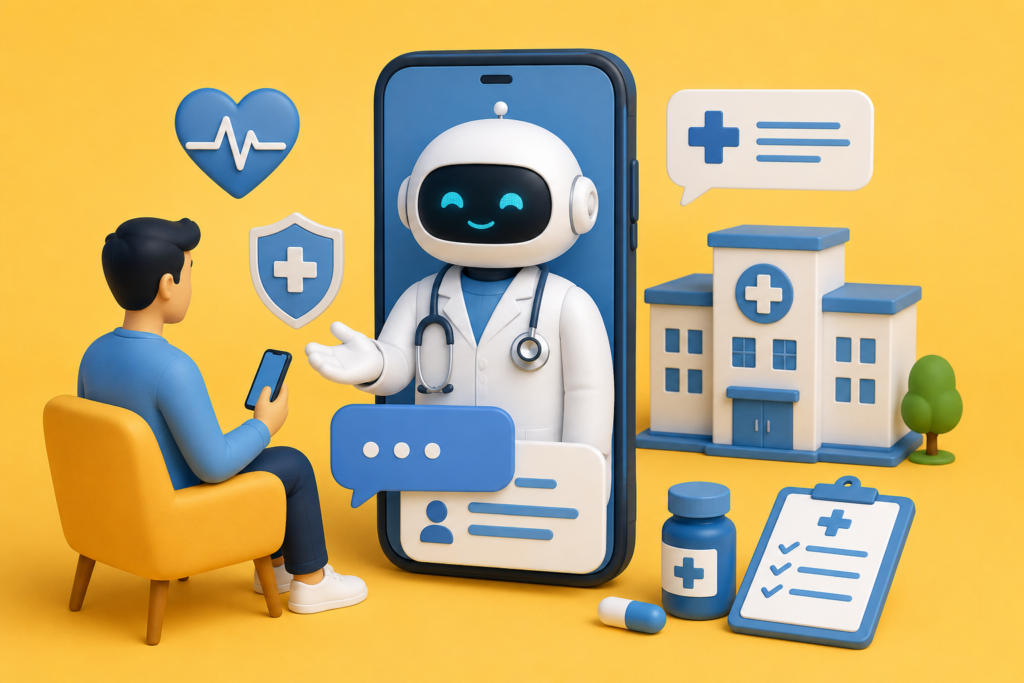
Discover how a Healthcare Chatbot transforms patient engagement, automates clinical workflows, enhances security, and improves healthcare delivery with AI-powered solutions.
Introduction
The rapid evolution of digital healthcare has introduced smarter ways to connect patients with providers. Among the most impactful innovations is the Healthcare Chatbot, a powerful AI-driven solution that enhances communication, automates repetitive tasks, and improves patient outcomes. As healthcare systems continue to face increasing demand, rising costs, and operational complexity, intelligent chatbots provide a scalable solution that supports both patients and medical professionals efficiently.
For businesses and organizations exploring digital transformation, platforms like Chattbotz highlight how chatbot technology can redefine patient experiences. From appointment scheduling to symptom checking and follow-up care, healthcare chatbots are becoming essential tools in modern medical ecosystems. They reduce administrative burden, improve accessibility, and ensure patients receive timely responses without delays.
In this comprehensive guide, we will explore everything you need to know about healthcare chatbots—from their core functionality and benefits to implementation strategies and best practices. This article is carefully crafted following Google E-E-A-T principles, ensuring it delivers trustworthy, authoritative, and experience-driven insights.
What is a Healthcare Chatbot?
A Healthcare Chatbot is an AI-powered virtual assistant designed specifically for the healthcare industry to simulate human conversation and assist users with medical-related queries and services. These chatbots use technologies like Natural Language Processing (NLP), machine learning, and automation to understand patient input and deliver accurate, relevant responses in real time.
Healthcare chatbots are typically integrated into websites, mobile applications, and messaging platforms. They serve a wide range of functions, including answering frequently asked questions, booking appointments, providing medication reminders, and even offering basic symptom analysis. Unlike traditional customer support systems, chatbots operate 24/7, ensuring patients always have access to support when needed.
From a technical perspective, modern healthcare chatbots rely on structured medical data, trained AI models, and secure APIs to deliver reliable outcomes. Their ability to learn from interactions makes them increasingly accurate over time. Additionally, they are designed with compliance standards such as HIPAA in mind, ensuring sensitive patient data is handled securely and responsibly.
Why Healthcare Chatbots Are Transforming the Industry
The healthcare industry is undergoing a significant transformation driven by digital innovation, and chatbots are at the forefront of this change. One of the primary reasons healthcare chatbots are gaining popularity is their ability to address inefficiencies in patient communication and administrative workflows.
Firstly, healthcare providers often struggle with high volumes of patient inquiries, leading to long wait times and decreased satisfaction. Chatbots solve this problem by instantly responding to common questions, reducing pressure on staff and improving response times. This not only enhances patient experience but also allows healthcare professionals to focus on more critical tasks.
Secondly, healthcare chatbots improve accessibility. Patients can interact with them anytime, from anywhere, without needing to visit a clinic physically. This is especially beneficial for individuals in remote areas or those with limited mobility. Additionally, chatbots can provide multilingual support, making healthcare more inclusive and accessible to diverse populations.
Lastly, chatbots contribute to cost efficiency. By automating repetitive tasks such as appointment scheduling and patient onboarding, healthcare organizations can significantly reduce operational expenses. This makes chatbots a valuable investment for both small clinics and large healthcare institutions aiming to scale their services.
Key Features of an Effective Healthcare Chatbot
An effective healthcare chatbot is not just about answering questions—it must deliver a seamless, secure, and user-friendly experience. One of the most critical features is Natural Language Processing (NLP), which allows the chatbot to understand user intent and provide contextually relevant responses. Without strong NLP capabilities, chatbot interactions can feel robotic and ineffective.
Another essential feature is secure data handling. Healthcare involves sensitive patient information, so chatbots must comply with strict security standards. Encryption, authentication protocols, and secure data storage are fundamental components that ensure patient trust and regulatory compliance.
Integration capabilities also play a crucial role. A high-quality healthcare chatbot should integrate with Electronic Health Records (EHR), appointment systems, and other healthcare platforms. This ensures seamless data flow and allows the chatbot to provide personalized responses based on patient history and preferences.
Finally, scalability and customization are key. Healthcare organizations have unique requirements, so chatbots must be adaptable to different workflows and use cases. Whether it’s a small clinic or a large hospital network, the chatbot should be able to scale efficiently while maintaining performance and accuracy.
How Healthcare Chatbots Improve Patient Engagement
Patient engagement is a cornerstone of effective healthcare delivery, and chatbots play a significant role in enhancing it. By providing instant responses and personalized interactions, healthcare chatbots create a more engaging and interactive experience for patients.
One of the primary ways chatbots improve engagement is through real-time communication. Patients no longer need to wait on hold or navigate complex phone systems. Instead, they can simply type their query and receive immediate assistance. This convenience significantly increases patient satisfaction and encourages proactive healthcare management.
Chatbots also enable personalized communication. By leveraging patient data and previous interactions, they can deliver tailored recommendations, reminders, and follow-ups. For example, a chatbot can remind a patient to take medication or schedule a follow-up appointment based on their medical history.
Additionally, healthcare chatbots support continuous engagement beyond clinic visits. They can provide educational content, wellness tips, and preventive care advice, helping patients stay informed and involved in their health journey. This ongoing interaction fosters stronger patient-provider relationships and leads to better health outcomes.
The Role of AI and Machine Learning in Healthcare Chatbots
Artificial Intelligence (AI) and Machine Learning (ML) are the driving forces behind the effectiveness of healthcare chatbots. These technologies enable chatbots to understand complex queries, learn from interactions, and improve over time.
AI-powered chatbots use Natural Language Understanding (NLU) to interpret user input accurately. This allows them to handle a wide range of queries, from simple appointment requests to more complex medical questions. Machine learning algorithms further enhance this capability by analyzing user interactions and refining responses based on patterns and feedback.
Another critical role of AI is predictive analytics. Healthcare chatbots can analyze patient data to identify potential health risks and provide proactive recommendations. For instance, a chatbot can alert a patient about possible symptoms or suggest preventive measures based on their health profile.
Moreover, AI ensures continuous improvement. Unlike static systems, healthcare chatbots evolve over time, becoming more accurate and efficient with each interaction. This adaptability makes them a powerful tool for healthcare providers aiming to deliver high-quality, data-driven care.
Use Cases of Healthcare Chatbots in Real-World Applications
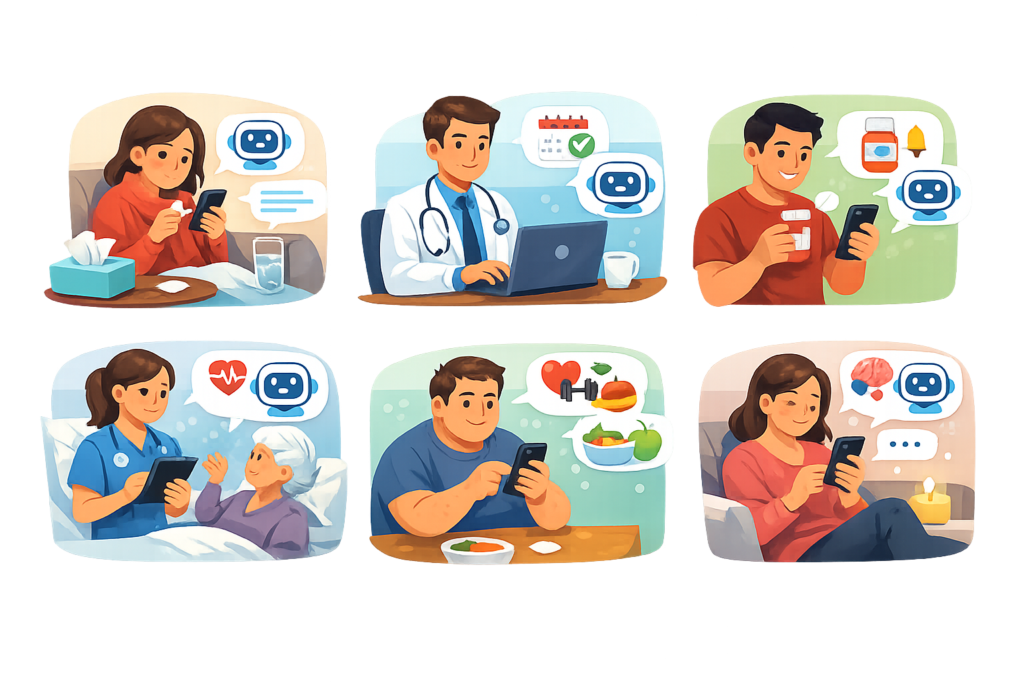
Healthcare chatbots are being used across various medical scenarios, demonstrating their versatility and effectiveness. One of the most common use cases is appointment scheduling, where chatbots streamline the booking process and reduce administrative workload.
Another important application is symptom checking. Chatbots can ask a series of questions and provide preliminary assessments based on user responses. While they do not replace medical professionals, they offer valuable guidance and help patients decide when to seek medical attention.
Healthcare chatbots are also widely used for medication reminders. Patients often forget to take their medications on time, leading to complications. Chatbots address this issue by sending timely reminders and ensuring adherence to treatment plans.
Additionally, chatbots support post-treatment care by providing follow-up instructions and monitoring patient progress. This ensures continuity of care and reduces the risk of complications, ultimately improving patient outcomes.
Benefits of Healthcare Chatbots for Providers and Patients
Healthcare chatbots offer numerous benefits for both providers and patients, making them a valuable addition to modern healthcare systems. For providers, one of the most significant advantages is operational efficiency. By automating routine tasks, chatbots free up staff time and reduce administrative burden.
From a patient perspective, chatbots provide convenience and accessibility. Patients can access information and support at any time, without the need for appointments or phone calls. This improves overall satisfaction and encourages proactive health management.
Another key benefit is cost reduction. Healthcare organizations can save on staffing and operational costs by leveraging chatbots for routine interactions. At the same time, patients benefit from reduced waiting times and improved service quality.
Finally, healthcare chatbots enhance data collection and analysis. They gather valuable insights from patient interactions, helping providers make informed decisions and improve service delivery. This data-driven approach contributes to better healthcare outcomes and continuous improvement.
Security and Compliance in Healthcare Chatbots
Security and compliance are critical considerations in the development and deployment of healthcare chatbots. Since these systems handle sensitive patient data, they must adhere to strict regulatory standards and best practices.
One of the primary requirements is data encryption. All patient information must be securely transmitted and stored to prevent unauthorized access. Encryption protocols ensure that data remains protected at all times, even during transmission.
Healthcare chatbots must also comply with regulations such as HIPAA (Health Insurance Portability and Accountability Act). These regulations define how patient data should be handled, stored, and shared. Compliance ensures that healthcare organizations maintain trust and avoid legal complications.
Additionally, secure authentication mechanisms are essential. Patients should be able to verify their identity before accessing sensitive information. Multi-factor authentication and secure login processes add an extra layer of protection, ensuring that only authorized users can access patient data.
For best practices on secure system design, refer to Google’s official guidance on security.
Advanced Integration of Healthcare Chatbots with Medical Systems
Healthcare chatbots reach their full potential when seamlessly integrated with existing medical systems. These integrations enable real-time data exchange, ensuring that patients and providers receive accurate and up-to-date information. One of the most critical integrations is with Electronic Health Records (EHR) systems, which allow chatbots to access patient histories, prescriptions, and previous diagnoses. This enables highly personalized interactions that improve both efficiency and care quality.
Another important integration is with appointment management systems. By connecting directly to scheduling software, chatbots can check availability, book appointments, send confirmations, and even manage cancellations. This reduces administrative workload while ensuring patients have a smooth booking experience. Furthermore, integration with billing systems allows chatbots to assist with payment queries, insurance verification, and invoice tracking, improving financial transparency.
From a technical standpoint, APIs and cloud-based platforms play a key role in enabling these integrations. Developers often rely on scalable infrastructure to ensure performance and reliability. For best practices on scalable cloud architecture, refer to Google Cloud Architecture Framework. Proper integration not only enhances chatbot capabilities but also ensures that healthcare organizations can deliver a unified and efficient patient experience.
Personalization and Patient-Centric Experiences
Personalization is a defining factor in the success of healthcare chatbots. Patients expect interactions that are relevant to their specific needs, and chatbots deliver this by leveraging data and intelligent algorithms. By analyzing user behavior, medical history, and preferences, chatbots can provide tailored responses that feel more human and supportive.
For example, a chatbot can remind a patient about upcoming appointments based on their schedule or suggest preventive measures based on their health conditions. This level of personalization improves patient engagement and encourages proactive health management. Additionally, chatbots can adapt their tone and communication style to match the user’s preferences, creating a more comfortable and relatable experience.
Another important aspect of personalization is accessibility. Healthcare chatbots can support multiple languages, voice interactions, and assistive technologies, ensuring that patients from diverse backgrounds can use them effectively. This inclusivity not only enhances user satisfaction but also aligns with global healthcare accessibility goals.
Omnichannel Deployment of Healthcare Chatbots
Modern patients interact with healthcare providers across multiple platforms, making omnichannel deployment essential. Healthcare chatbots can be deployed on websites, mobile apps, messaging platforms, and even voice assistants. This ensures that patients can access support wherever they feel most comfortable.
For instance, a patient might start a conversation on a hospital website and continue it later on a mobile app without losing context. This seamless experience is made possible through centralized data systems and synchronized communication channels. Omnichannel deployment also allows healthcare providers to reach a wider audience and improve engagement.
From a strategic perspective, omnichannel chatbots help maintain consistency in communication. Regardless of the platform, patients receive the same level of service and accurate information. This builds trust and strengthens the relationship between patients and healthcare providers.
Measuring the Performance of Healthcare Chatbots
To ensure continuous improvement, healthcare organizations must measure the performance of their chatbots using key metrics. One of the most important metrics is response accuracy, which determines how well the chatbot understands and answers user queries. High accuracy indicates effective training and reliable performance.
Another critical metric is user satisfaction. Feedback collected through surveys and ratings helps identify areas for improvement. Additionally, metrics such as response time, engagement rate, and task completion rate provide valuable insights into chatbot effectiveness.
Analytics tools play a vital role in tracking these metrics. By analyzing user interactions, healthcare providers can identify patterns, optimize workflows, and enhance chatbot functionality. For guidance on analytics best practices, refer to Google Analytics Help Center. Continuous monitoring and optimization ensure that healthcare chatbots remain effective and relevant.
Challenges and Limitations of Healthcare Chatbots
Despite their many advantages, healthcare chatbots also face certain challenges and limitations. One of the primary challenges is ensuring accuracy in medical information. While chatbots can provide general guidance, they must avoid giving incorrect or misleading advice, as this can have serious consequences.
Another limitation is the complexity of human language. Patients may use different terms, slang, or ambiguous phrases, making it difficult for chatbots to interpret their queries accurately. Advanced NLP models help address this issue, but continuous training is required to improve performance.
Privacy concerns also pose a challenge. Patients need assurance that their data is secure and handled responsibly. Healthcare organizations must implement robust security measures and comply with regulations to maintain trust. Addressing these challenges requires a combination of advanced technology, proper training, and strict compliance standards.
Common Mistakes to Avoid When Implementing Healthcare Chatbots
Many organizations make critical mistakes when deploying healthcare chatbots, which can limit their effectiveness. One common mistake is lack of clear objectives. Without defined goals, it becomes difficult to measure success or optimize performance.
Another frequent issue is overloading the chatbot with complex tasks. While chatbots are powerful, they should not replace human professionals entirely. Instead, they should complement existing systems by handling routine tasks and escalating complex cases to human experts.
Poor user experience is also a major mistake. Complicated interfaces, slow responses, and irrelevant answers can frustrate users and reduce adoption rates. Additionally, failing to update and train the chatbot regularly can lead to outdated or inaccurate responses. Avoiding these mistakes is essential for successful implementation.
Future Trends in Healthcare Chatbot Technology
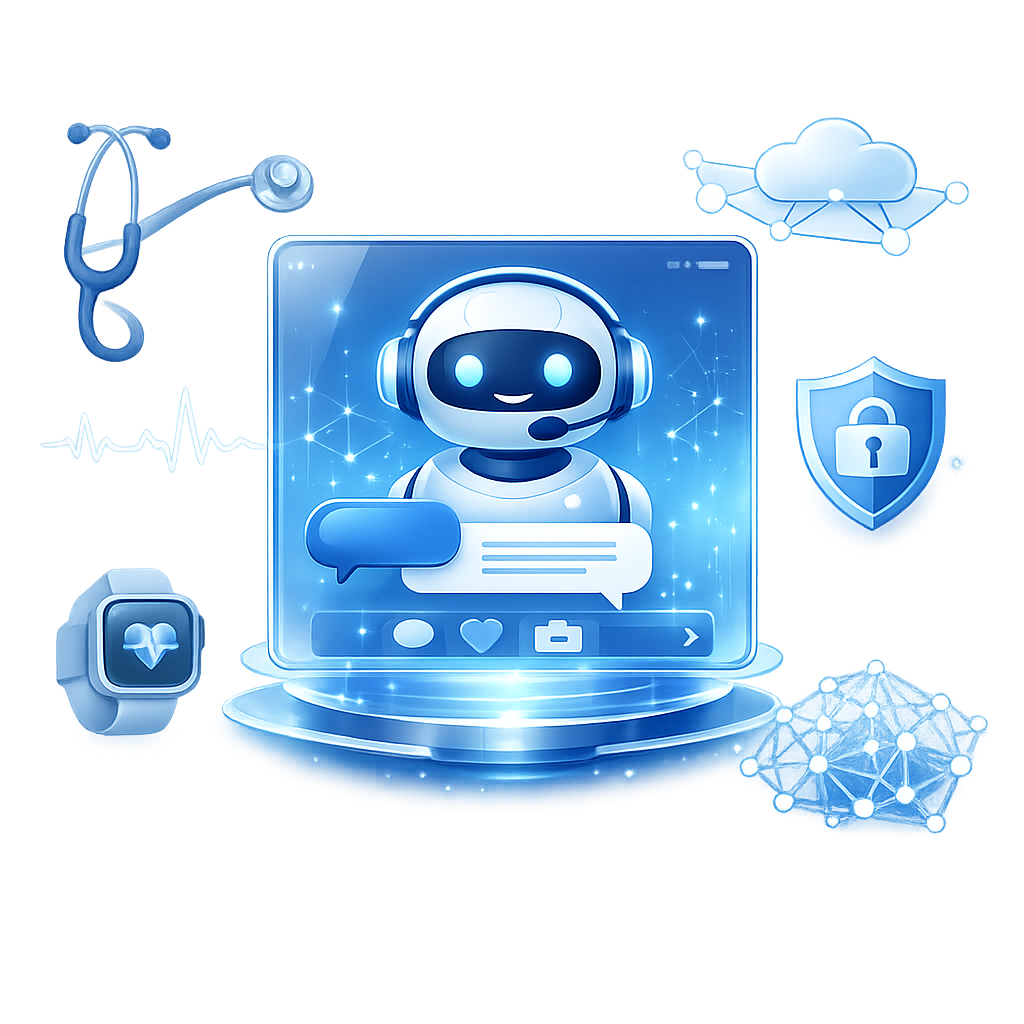
The future of healthcare chatbots is driven by continuous innovation in AI and digital health technologies. One emerging trend is the integration of voice assistants, allowing patients to interact with chatbots using natural speech. This enhances accessibility and makes interactions more intuitive.
Another significant trend is the use of predictive analytics. By analyzing large datasets, chatbots can identify potential health risks and provide proactive recommendations. This shifts healthcare from reactive to preventive, improving overall outcomes.
Additionally, advancements in AI-powered diagnostics are expanding the capabilities of chatbots. While they will not replace doctors, they can assist in early detection and provide valuable insights. As technology continues to evolve, healthcare chatbots will play an increasingly important role in shaping the future of medical care.
Best Practices for Building a Successful Healthcare Chatbot
Building a successful healthcare chatbot requires a strategic approach that combines technology, design, and compliance. One of the most important best practices is defining clear use cases. Organizations should identify specific problems they want the chatbot to solve, such as appointment scheduling or patient support.
Another key practice is ensuring data security and compliance. Implementing encryption, secure authentication, and regulatory compliance measures is essential for protecting patient data. For security best practices, refer to Google Security Best Practices.
User experience should also be a top priority. The chatbot should have a simple interface, clear responses, and intuitive navigation. Regular testing and updates are necessary to maintain performance and accuracy. By following these best practices, healthcare organizations can maximize the value of their chatbot solutions.
FAQs
1. What is a healthcare chatbot?
A healthcare chatbot is an AI-powered tool that assists patients with medical queries, appointment scheduling, and health-related information.
2. Are healthcare chatbots safe to use?
Yes, when designed with proper security measures and compliance standards, they are safe and reliable.
3. Can chatbots replace doctors?
No, chatbots are designed to support healthcare professionals, not replace them.
4. How do chatbots improve patient engagement?
They provide instant responses, personalized interactions, and continuous support.
5. What technologies power healthcare chatbots?
They use AI, machine learning, and natural language processing.
6. Are healthcare chatbots expensive to implement?
Costs vary, but they often reduce long-term operational expenses.
7. Can chatbots handle emergencies?
No, emergencies should always be handled by medical professionals.
8. How can I measure chatbot performance?
Through metrics like accuracy, user satisfaction, and engagement rates.
Best Practices Summary
Healthcare chatbots are transforming the way medical services are delivered, offering efficiency, accessibility, and improved patient engagement. To achieve the best results, organizations must focus on clear objectives, strong security measures, and continuous optimization. Personalization, integration, and user experience play a critical role in ensuring success.
At the same time, it is important to recognize the limitations of chatbots and use them as complementary tools rather than replacements for human professionals. By following industry best practices and leveraging advanced technologies, healthcare providers can unlock the full potential of chatbot solutions.
Conclusion
The adoption of healthcare chatbots marks a significant step forward in digital healthcare transformation. These intelligent systems streamline communication, automate workflows, and enhance patient experiences, making them an invaluable asset for modern healthcare organizations.
For businesses looking to implement cutting-edge solutions, Chattbotz provides innovative chatbot technologies tailored to healthcare needs. By embracing these advancements, organizations can improve efficiency, reduce costs, and deliver better patient outcomes.
As the healthcare landscape continues to evolve, chatbots will play an increasingly important role in shaping the future of patient care. Investing in this technology today ensures long-term success and sustainability in a competitive and rapidly changing industry.
Want to Implement This Easily?
Prompt:
You are an expert consultant. Based on the blog post titled “Healthcare Chatbot”, provide a step-by-step, practical implementation guide. Include tools, best practices, common mistakes to avoid, and advanced tips. Assume the reader wants to implement everything discussed in this article effectively.
Call to Action:
Want our help implementing this? Just reach out to us via our website contact form: https://chattbotz.com/contact-us/