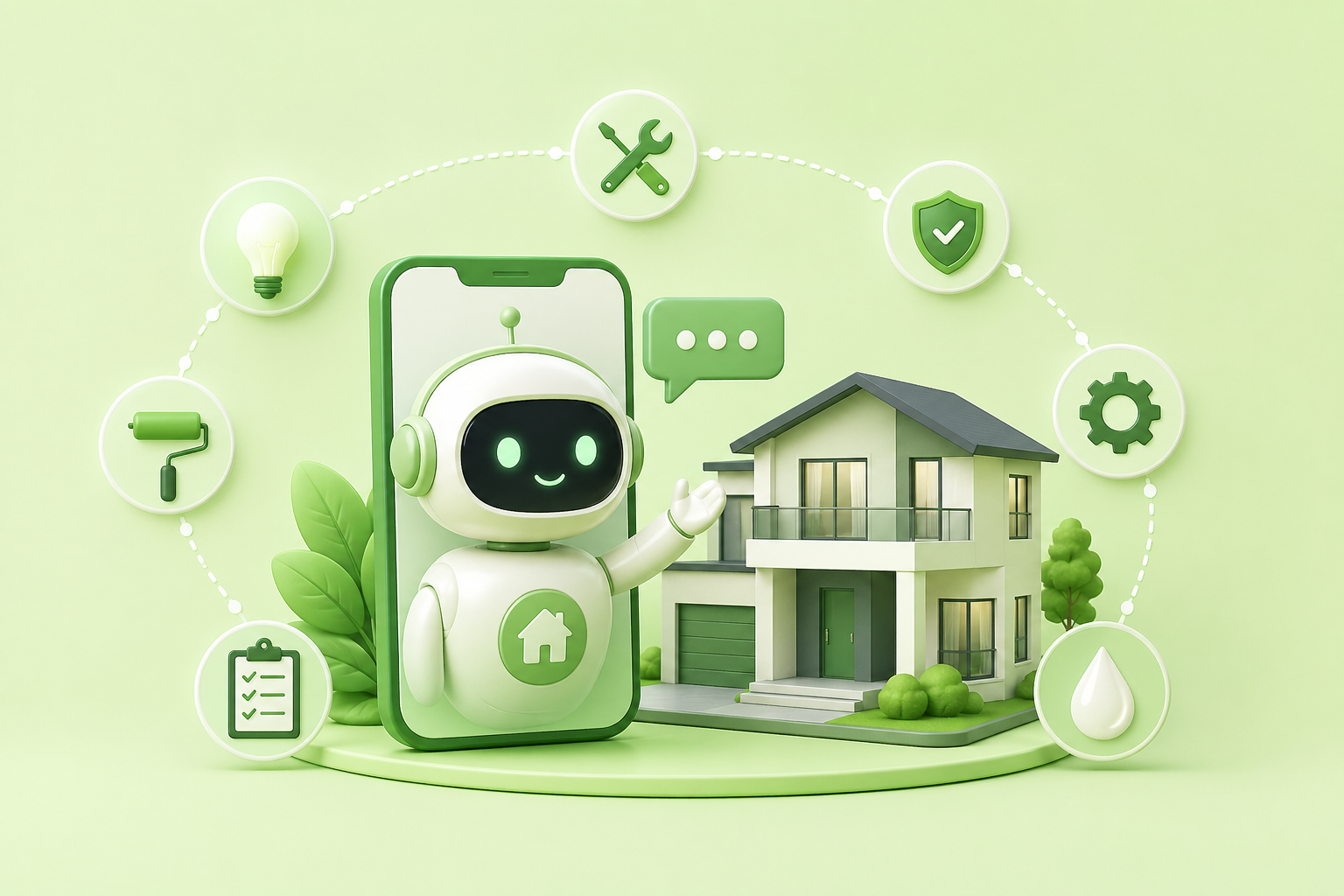

Property Maintenance Chatbot: Discover how AI-powered chatbots streamline property management, automate maintenance requests, reduce costs, and improve tenant satisfaction with smart, scalable solutions.
Introduction
In today’s fast-paced digital landscape, property managers and real estate professionals are constantly searching for smarter ways to handle maintenance operations efficiently. This is where the concept of a Property Maintenance Chatbot emerges as a transformative solution. By leveraging artificial intelligence, automation, and conversational interfaces, these chatbots simplify communication between tenants, landlords, and maintenance teams.
At its core, a property maintenance chatbot acts as a virtual assistant capable of receiving maintenance requests, categorizing issues, assigning tasks, and even following up on repairs—without human intervention. This not only improves response time but also ensures consistency and transparency across operations.
For businesses aiming to scale their property management services while maintaining high-quality tenant experiences, platforms like Chattbotz provide powerful chatbot solutions tailored for real estate and property maintenance needs. These systems are designed to align with modern user expectations, offering 24/7 support, instant responses, and intelligent workflows.
What is a Property Maintenance Chatbot?
A Property Maintenance Chatbot is an AI-driven conversational tool designed to automate and streamline maintenance-related interactions within property management systems. Unlike traditional customer service channels such as phone calls or emails, chatbots provide instant communication through websites, mobile apps, or messaging platforms.
These chatbots are programmed to understand tenant queries using natural language processing (NLP). When a tenant reports an issue—such as a leaking pipe or faulty electrical system—the chatbot can immediately log the complaint, categorize its urgency, and assign it to the appropriate maintenance team. This reduces manual effort and eliminates delays caused by human bottlenecks.
Another key advantage is scalability. Whether managing a small residential complex or a large commercial portfolio, chatbots can handle thousands of interactions simultaneously. This ensures that no maintenance request goes unnoticed, significantly improving operational efficiency and tenant satisfaction.
Why Property Maintenance Needs Automation
Property maintenance has traditionally been a labor-intensive process involving multiple stakeholders, manual tracking systems, and delayed responses. This outdated approach often leads to inefficiencies, tenant dissatisfaction, and increased operational costs.
Automation through chatbots transforms this landscape by introducing real-time responsiveness and data-driven decision-making. Instead of relying on manual logs or spreadsheets, chatbot systems automatically capture, organize, and prioritize maintenance requests. This ensures that urgent issues are addressed promptly while less critical tasks are scheduled efficiently.
Furthermore, automation reduces human error. Miscommunication, lost requests, and scheduling conflicts are common in manual systems. Chatbots eliminate these risks by maintaining a centralized, digital record of all interactions. This not only improves accountability but also provides valuable insights into recurring issues and maintenance trends.
Key Features of a Property Maintenance Chatbot
A robust property maintenance chatbot comes equipped with a range of features designed to optimize maintenance workflows. One of the most important features is automated ticket generation, which allows tenants to report issues instantly without waiting for office hours.
Another essential feature is intelligent categorization and prioritization. The chatbot can analyze the nature of a request and determine whether it is urgent, such as a water leak, or non-critical, like a minor repair. This ensures efficient resource allocation and faster resolution times.
Additionally, advanced chatbots offer integration capabilities with property management systems, CRM platforms, and scheduling tools. This seamless connectivity allows for real-time updates, automated notifications, and better coordination between teams. Features like photo uploads, status tracking, and multilingual support further enhance the user experience.
Benefits for Property Managers
For property managers, implementing a maintenance chatbot can significantly reduce workload while improving service quality. One of the most notable benefits is time savings. By automating routine tasks such as logging requests and sending updates, managers can focus on more strategic responsibilities.
Cost efficiency is another major advantage. Hiring and training customer support staff can be expensive, especially for large property portfolios. Chatbots provide a scalable solution that operates кругл the clock without additional labor costs. This leads to substantial savings in the long run.
Moreover, chatbots enhance data visibility and reporting. Managers gain access to detailed analytics, including response times, issue resolution rates, and tenant feedback. These insights enable better decision-making and continuous improvement of maintenance operations.
Enhancing Tenant Experience with Chatbots
Tenant satisfaction is a critical factor in property management success. A property maintenance chatbot plays a vital role in improving tenant experience by offering instant, reliable, and convenient communication.
Tenants no longer need to wait on hold or send multiple emails to report an issue. With a chatbot, they can simply type their concern and receive immediate acknowledgment. This responsiveness builds trust and demonstrates professionalism.
Additionally, chatbots provide transparency. Tenants can track the status of their maintenance requests in real time, receive updates, and even provide feedback once the issue is resolved. This level of visibility fosters a positive relationship between tenants and property managers, leading to higher retention rates.
AI and Machine Learning in Maintenance Chatbots
Artificial Intelligence (AI) and Machine Learning (ML) are the driving forces behind modern property maintenance chatbots. These technologies enable chatbots to learn from interactions, improve accuracy, and deliver personalized responses over time.
Machine learning algorithms analyze historical data to identify patterns and predict future maintenance needs. For example, if a particular property frequently experiences plumbing issues, the system can proactively schedule inspections or maintenance checks.
AI also enhances conversational capabilities. Advanced chatbots can understand context, recognize intent, and respond in a human-like manner. This creates a more engaging and efficient user experience, making interactions smoother and more intuitive.
Integration with Property Management Systems

One of the most powerful aspects of a property maintenance chatbot is its ability to integrate with existing property management systems. This ensures seamless data flow and eliminates the need for duplicate entries.
Integration allows chatbots to access tenant information, maintenance histories, and scheduling tools. When a tenant submits a request, the chatbot can automatically assign it to the appropriate technician based on availability and expertise.
Additionally, integration enables real-time updates and notifications. Property managers and tenants receive instant alerts progress, ensuring transparency and accountability. This interconnected ecosystem significantly enhances operational efficiency.
Real-Time Maintenance Tracking and Updates
Real-time tracking is a game-changer in property maintenance management. Chatbots provide tenants and managers with instant updates on the status of maintenance requests, from submission to completion.
This feature eliminates uncertainty and reduces the need for follow-up inquiries. Tenants can check the progress of their requests at any time, while managers can monitor performance metrics and ensure timely resolution.
Real-time updates also improve coordination بين maintenance teams. Technicians receive instant notifications, enabling them to respond and efficiently. This leads to faster turnaround times and improved service quality.
Reducing Operational Costs with Automation
One of the most compelling reasons to adopt a Property Maintenance Chatbot is its ability to significantly reduce operational costs without compromising service quality. Traditional property management relies heavily on manual processes, including call handling, ticket logging, and coordination between teams. These processes not only consume time but also require dedicated staff, increasing overhead expenses.
By automating repetitive tasks, chatbots eliminate the need for large customer support teams. Instead of hiring multiple agents to handle tenant requests, a single AI system can manage thousands of interactions simultaneously. This scalability ensures consistent service delivery while keeping operational costs under control.
Additionally, automation minimizes costly errors. Missed maintenance requests, scheduling conflicts, and delayed responses can lead to tenant dissatisfaction and expensive repairs. Chatbots prevent these issues by ensuring every request is logged, tracked, and addressed efficiently. Over time, this proactive approach leads to better resource allocation and long-term cost savings.
Security and Data Privacy Considerations
When implementing a chatbot for property maintenance, ensuring data security and privacy is critical. These systems often handle sensitive tenant information, including contact details, property data, and maintenance history. Therefore, adopting secure practices is non-negotiable.
According to Google’s helpful content guidelines, user-focused and trustworthy systems must prioritize transparency and data protection. Chatbots should be built with encryption protocols, secure APIs, and strict access controls to prevent unauthorized data access.
Moreover, compliance with data protection regulations is essential. Property managers must ensure that chatbot systems adhere to global standards such as GDPR or local privacy laws. Regular security audits, vulnerability testing, and software updates further strengthen the system, ensuring a safe and reliable user experience.
Customization and Scalability
Every property management business has unique requirements, which makes customization a crucial feature of maintenance chatbots. A well-designed chatbot can be tailored to align with specific workflows, branding, and communication styles.
Customization allows businesses to define how maintenance requests are handled, categorized, and assigned. For instance, high-priority issues can be escalated automatically, while routine tasks are scheduled for later. This flexibility ensures that the chatbot aligns perfectly with operational goals.
Scalability is equally important. As property portfolios grow, the chatbot must be capable of handling increased الطلب دون affecting performance. Modern AI systems are built to scale effortlessly, ensuring consistent performance regardless of workload. This makes them ideal for businesses aiming for long-term growth and expansion.
Multi-Channel Communication Capabilities
In today’s digital ecosystem, tenants expect seamless communication across multiple platforms. A property maintenance chatbot meets this expectation by operating across websites, mobile apps, and messaging platforms such as WhatsApp and Messenger.
Multi-channel communication ensures that tenants can report issues using their preferred platform. This convenience improves engagement and increases the likelihood of timely reporting. It also allows property managers to reach tenants more effectively through automated notifications and updates.
Furthermore, consistent communication across channels enhances brand reliability. Whether a tenant interacts a website chatbot or a mobile app, they receive the same level of service and accuracy. This unified experience strengthens trust and improves overall satisfaction.
Analytics and Performance Insights
Data is a powerful asset in property management, and chatbots play a key role in collecting and analyzing it. Every interaction generates valuable insights that can be used to improve maintenance operations.
Chatbots provide detailed analytics, including response times, resolution rates, and common maintenance issues. These insights help property managers identify trends and informed decisions. For example, recurring issues in a specific property may indicate the need for preventive maintenance.
Additionally, performance metrics enable continuous improvement. Managers can evaluate the efficiency of maintenance teams, identify bottlenecks, and optimize workflows. This data-driven approach ensures that operations remain efficient and customer-focused.
Future Trends in Property Maintenance Chatbots

The future of property maintenance chatbots is driven by advancements in AI, IoT, and automation technologies. As these innovations evolve, chatbots will become even more intelligent and proactive.
One emerging trend is the integration of Internet of Things (IoT) devices. Smart sensors can detect issues such as leaks or temperature changes and automatically notify the chatbot. This enables predictive maintenance, reducing the likelihood of major.
Another trend is the use of voice-enabled chatbots. With the rise of virtual assistants, tenants may soon report maintenance issues using voice commands. Additionally, advancements in AI will enable chatbots to provide more personalized and context-aware responses, further enhancing user experience.
Why Your Business Needs a Property Maintenance Chatbot
In a competitive property management market, adopting innovative solutions is essential for staying ahead. A property maintenance chatbot offers a strategic advantage by improving efficiency, reducing costs, and enhancing tenant satisfaction.
Businesses that embrace automation can deliver faster and more reliable services, which directly impacts tenant retention and brand reputation. In contrast, those relying on outdated systems risk falling behind due to inefficiencies and poor user experiences.
Ultimately, a property maintenance chatbot is not just a tool—it is a long-term investment in operational excellence. By leveraging AI-driven automation, property managers can proof their operations and achieve sustainable growth.
Common Mistakes to Avoid
One common mistake is implementing a chatbot without proper planning. Many businesses rush into automation without defining clear workflows or clear objectives, leading to inefficient systems that fail to deliver value.
Another issue is neglecting user experience. A poorly designed chatbot with limited understanding or confusing responses can frustrate tenants instead of helping them. Ensuring intuitive design and continuous optimization is essential.
Finally, ignoring integration capabilities can limit the effectiveness of a chatbot. Without proper integration with property management systems, the chatbot becomes an isolated tool rather than a powerful automation solution.
Best Practices Summary
To maximize the benefits of a property maintenance chatbot, businesses should focus on strategic implementation. Start by identifying key pain points and designing workflows that address them effectively.
Ensure that the chatbot is user-friendly, responsive, and capable of handling a wide range of queries. Regular updates and training improve performance and keep the system aligned with evolving needs.
Additionally, prioritize security, scalability, and integration. A well-implemented chatbot should seamlessly connect with existing systems while maintaining high standards of data protection and performance.
FAQs
1. What is a Property Maintenance Chatbot?
A Property Maintenance Chatbot is an AI-powered tool that automates maintenance requests, communication, and task management within property management systems.
2. How does a chatbot improve maintenance efficiency?
It automates request handling, reduces response times, and ensures proper tracking and prioritization of maintenance tasks.
3. Is a property maintenance chatbot expensive to implement?
While initial setup costs exist, the long-term savings from automation and reduced labor costs make it a cost-effective solution.
4. Can chatbots handle multiple properties?
Yes, modern chatbots are highly scalable and can manage multiple properties simultaneously without performance issues.
5. Are chatbots secure for handling tenant data?
Yes, when implemented with proper security measures such as encryption and compliance with data protection standards.
6. Can chatbots integrate with existing systems?
Absolutely. Most chatbots are designed to integrate seamlessly with property management software and CRM systems.
7. Do chatbots replace human staff?
No, they complement human teams by handling repetitive tasks, allowing staff to focus on complex issues.
8. What industries can benefit from maintenance chatbots?
Real estate, hospitality, commercial property management, and residential communities can all benefit from chatbot automation.
Conclusion
The adoption of a Property Maintenance Chatbot represents a significant خطوة forward in modern property management. By automating routine tasks, improving communication, and leveraging data-driven insights, these systems empower businesses to operate more efficiently and deliver exceptional tenant experiences.
As technology continues to evolve, the role of chatbots will only become more critical in shaping the future of property management. Businesses that invest in these solutions today position themselves for long-term success and конкурентное преимущество.
To explore advanced chatbot solutions tailored for property maintenance, visit Chattbotz and take the first step toward smarter, more efficient operations.
Want to Implement This Easily?
Prompt:
You are an expert consultant. Based on the blog post titled “(Property Maintenance Chatbot)”, provide a step-by-step, practical implementation guide. Include tools, best practices, common mistakes to avoid, and advanced tips. Assume the reader wants to implement everything discussed in this article effectively.
Call to Action:
Want our help implementing this? Just reach out to us via our website contact form: https://appledew.co.uk/cb/contact-us/