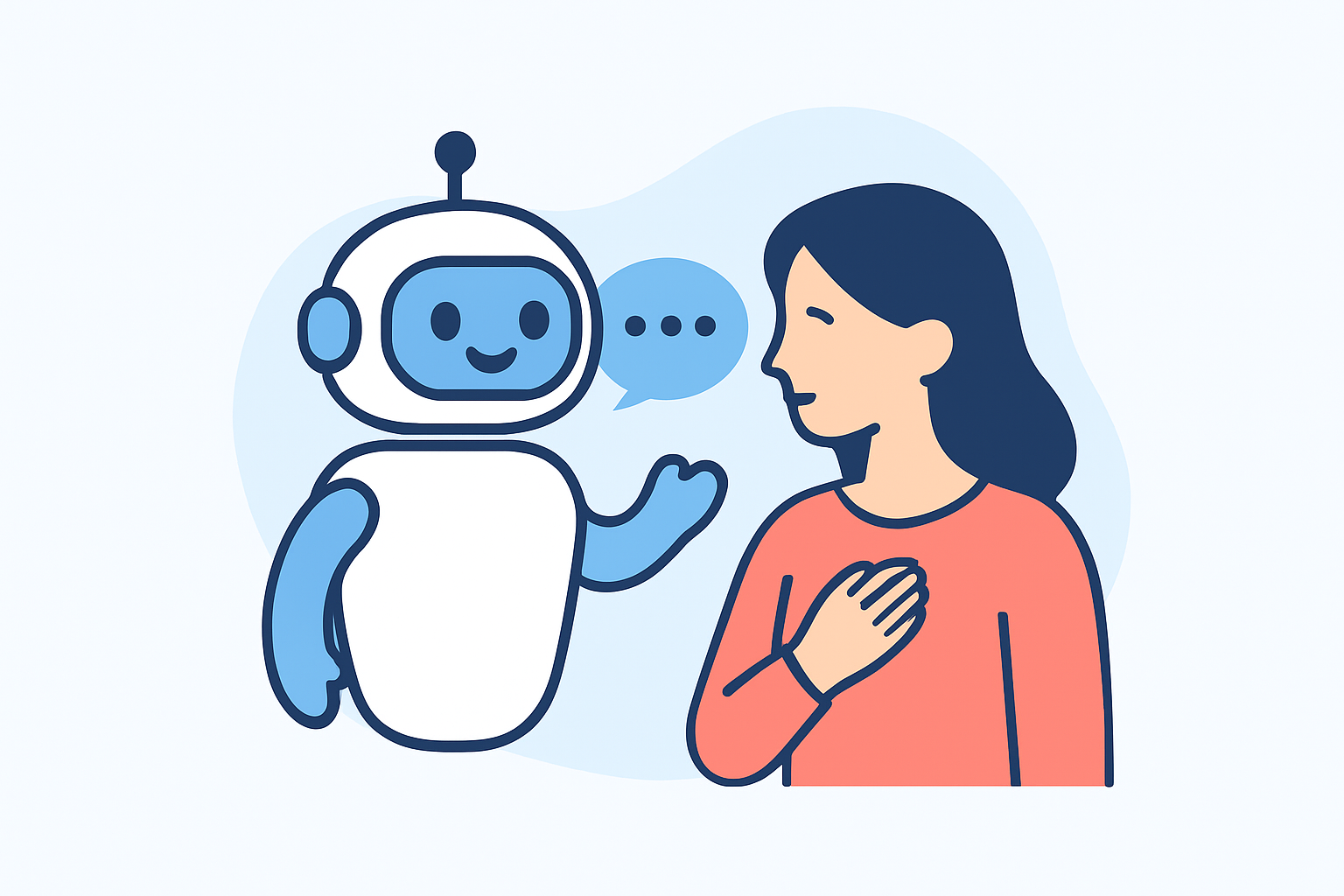

In today’s world, where technology is reshaping how we connect, work, and grow, one of the most profound innovations is the emergence of self help chatbots. These intelligent conversational agents are designed to provide guidance, motivation, and mental wellness support around the clock. Unlike traditional self-help resources that require reading books or waiting for therapy appointments, a chatbot can be available instantly, offering encouragement and strategies tailored to an individual’s emotional and psychological needs. The idea of blending technology with personal development has gained popularity because it allows people to find support in their daily struggles, whether those involve stress, anxiety, time management, or building positive habits. This modern tool is not only about solving problems but also about creating a pathway for individuals to live more balanced and empowered lives. As the demand for accessible mental health and self-improvement solutions grows, the role of self help chatbots becomes increasingly essential.
Introduction
Self help chatbots are revolutionizing the way individuals approach personal growth, mental wellness, and emotional resilience. By combining artificial intelligence with natural language processing, these digital assistants provide real-time guidance, thoughtful reminders, and empowering responses that help people tackle everyday challenges. Unlike traditional counseling or therapy, which might require scheduled sessions, chatbots are available anytime, making them a reliable companion for those who need quick access to support. Platforms like chattbotz emphasize this transformation by making such resources easy to use, practical, and adaptable to diverse user needs. As people struggle with balancing busy lives, seeking affordable therapy, or finding time for personal development, chatbots step in as an always-available solution that doesn’t replace professionals but complements them. This approach ensures that personal growth is not a privilege for the few but an accessible reality for anyone seeking it.
Understanding the Concept of Self Help Chatbots
Self help chatbots are digital tools that use artificial intelligence and natural language processing to engage in meaningful conversations with users, providing guidance, motivation, and problem-solving strategies. The central idea behind these chatbots is to create an easily accessible platform for people to seek advice, comfort, and encouragement without feeling judged or restricted by time or place. Unlike traditional self-help resources such as books, workshops, or even mobile apps that rely on passive consumption, chatbots offer active interaction. They can ask questions, respond with empathy, and even provide actionable steps tailored to the user’s situation.
The concept revolves around the idea that technology can serve as a personal companion in moments of stress or self-doubt. For instance, when someone is struggling with procrastination, a chatbot can instantly provide motivational techniques or break down tasks into manageable steps. Similarly, if a person feels anxious, the chatbot can guide them through breathing exercises, mindfulness practices, or offer calming affirmations. This immediate and interactive nature makes self help chatbots a unique blend of technology and psychology.
What makes them especially effective is their 24/7 availability. Traditional self-help often requires scheduling time, buying resources, or attending sessions, but with chatbots, help is always within reach. Furthermore, these tools continue to evolve, learning from user interactions to provide more personalized and accurate responses. At their core, self help chatbots embody the principle of support made simple—making personal development accessible to anyone, regardless of financial background, location, or time constraints.
The Evolution of Digital Self Help Tools
Self help as a concept has existed for centuries, with individuals seeking ways to improve themselves through literature, religious texts, or philosophical teachings. The digital age, however, transformed how self-help is consumed. It began with motivational blogs and e-books, then progressed to podcasts, YouTube channels, and specialized apps. While these tools offered significant improvements in accessibility, they remained largely one-directional, meaning users could only consume information without having meaningful interaction.
The rise of artificial intelligence changed this landscape drastically. With the introduction of chatbots, digital self-help evolved from passive learning into active, dynamic conversation. Instead of simply reading a motivational quote, users could now ask a chatbot to explain its meaning or apply it to their specific situation. This interactive capability has bridged the gap between information and application, allowing users to practice what they learn instantly.
Moreover, digital self help tools have expanded in their focus areas. They are no longer limited to generic motivational tips but now cover a wide range of topics including stress management, mental health awareness, emotional resilience, time management, and even workplace productivity. This expansion has made them an essential tool for personal growth in modern life.
The evolution also highlights the shift in user expectations. People now prefer on-demand help that is tailored to their unique circumstances rather than generic advice. Self help chatbots meet this expectation by using advanced algorithms to remember user patterns, recognize emotional tones, and adapt responses accordingly. As technology continues to advance, the role of digital self help tools is only set to grow, making personal development a part of everyday digital experiences.
How AI Powers Self Help Chatbots for Better Support
The power of self help chatbots lies in their AI-driven core. Artificial intelligence allows these bots to process natural language, detect intent, and respond in a way that feels conversational rather than robotic. This makes the interaction smooth, relatable, and encouraging for users. AI technologies such as natural language processing (NLP) and machine learning ensure that the chatbot not only understands words but also the context and emotions behind them.
For example, if a user types, “I feel overwhelmed today,” the chatbot can detect emotional cues in the word overwhelmed and respond with empathetic messages such as, “I understand how you’re feeling. Would you like me to guide you through a relaxation exercise or help you prioritize your tasks?” This ability to interpret emotional context differentiates AI-powered chatbots from simple automated systems that only provide scripted responses.
Another strength of AI in self help chatbots is continuous learning. As users interact, the chatbot gathers data (while maintaining privacy) to refine its responses over time. This makes the experience more personalized. The more someone engages with the chatbot, the better it becomes at predicting their needs and offering practical, relevant solutions.
AI also enables scalability. While human coaches or therapists can only assist a limited number of clients at a time, a chatbot can engage with thousands of users simultaneously without losing quality. This makes self-help accessible to a wider audience, including those who may not have the financial means or opportunity to seek professional help. In essence, AI transforms self help chatbots into intelligent, adaptive, and highly effective companions on the journey of personal growth.
Key Features That Make Self Help Chatbots Effective
The effectiveness of self help chatbots lies in a combination of features that make them not only practical but also engaging and reliable. One of the most important features is 24/7 availability, which ensures that users can access help whenever they need it, whether it’s late at night or during a stressful workday. This constant accessibility provides a sense of comfort, especially for individuals who may not feel ready to talk to another person about their struggles.
Another defining feature is personalization. Unlike traditional self-help books or generic advice articles, chatbots can tailor their responses to the user’s specific needs. For example, if someone often expresses feelings of anxiety, the chatbot can recommend mindfulness techniques or calming exercises. Over time, it learns patterns from user interactions, which allows it to provide more relevant suggestions. This adaptability is what makes it feel less like a machine and more like a supportive companion.
Additionally, self help chatbots are designed to incorporate motivational reinforcement. This means they often encourage users with positive affirmations, reminders of progress, and gentle nudges to stay on track with their goals. Such encouragement can be particularly helpful for people working on building habits or overcoming personal challenges.
Another valuable feature is confidentiality. Users often feel more comfortable sharing sensitive thoughts and emotions with a chatbot because they know there is no judgment or stigma involved. This makes chatbots an appealing option for people who might hesitate to reach out for professional help immediately.
Finally, the simplicity of use makes them effective. Most chatbots operate on platforms people already use daily, such as messaging apps or websites, making it easy to integrate personal development into everyday life. Collectively, these features make self help chatbots an indispensable tool for modern self-improvement.
Accessibility and Availability: Support Anytime, Anywhere
One of the greatest strengths of self help chatbots is their unmatched accessibility. Traditional self-help resources often require purchasing books, attending in-person workshops, or scheduling therapy sessions. While valuable, these methods demand both time and money, which many people may not have. A chatbot, however, breaks these barriers by being available at the touch of a button, often free or at a minimal cost. This means personal growth is no longer limited by geography, financial status, or scheduling conflicts.
Accessibility is not only about cost or time; it also relates to emotional readiness. Many individuals hesitate to seek professional help because of the stigma attached to mental health or the fear of being judged. A self help chatbot provides a private and non-judgmental environment where users can express themselves freely. The simple act of having someone—or in this case, something—listen can be incredibly powerful in reducing feelings of isolation.
The anytime, anywhere nature of chatbots ensures that support is not delayed. Imagine someone experiencing an anxiety episode late at night when therapists are unavailable. A chatbot can step in, offering grounding techniques, breathing exercises, or reassurance that the person is not alone. This immediacy can prevent negative thoughts from escalating and provide a sense of calm until further professional support can be sought if necessary.
Moreover, these chatbots are multilingual and platform-independent. They can function on websites, social media, and dedicated apps, making them accessible to a global audience. Whether you’re a student in need of motivation, a professional overwhelmed with deadlines, or someone simply looking for daily encouragement, self help chatbots are always just a message away, ensuring that personal development is inclusive and universal.
The Role of Emotional Intelligence in Chatbots
For self help chatbots to be truly effective, they must go beyond providing scripted responses. This is where emotional intelligence (EI) plays a crucial role. Emotional intelligence in chatbots involves the ability to recognize, interpret, and respond to human emotions in a way that feels authentic and empathetic. Instead of merely replying with pre-programmed text, an emotionally intelligent chatbot can detect the tone of a message and adapt its responses accordingly.
For example, if a user says, “I feel like giving up,” a simple chatbot might respond with generic advice. However, an emotionally intelligent self help chatbot would respond with empathy, perhaps saying, “I’m really sorry you’re feeling this way. It takes courage to share how you feel. Let’s talk about what’s troubling you and find some steps to ease your stress.” This type of response makes the interaction more meaningful and comforting for the user.
Emotional intelligence also involves active listening, which means acknowledging the user’s emotions before offering advice. By doing so, chatbots create a sense of connection, reducing feelings of isolation. This empathetic approach makes users more likely to engage regularly, which increases the long-term effectiveness of the chatbot.
Additionally, emotional intelligence helps chatbots deliver encouragement at the right time. For instance, after guiding a user through a stress-relief exercise, the chatbot might acknowledge their effort: “That was a great step you just took. Practicing this regularly can really help reduce stress.” Such affirmations boost motivation and confidence, reinforcing positive behavior.
In the context of self help, emotional intelligence is what transforms chatbots from simple tools into supportive companions. It bridges the gap between human warmth and technological efficiency, making users feel heard, valued, and empowered during their self-improvement journey.
Self Help Chatbots for Mental Health Awareness

The growing importance of mental health awareness has opened the door for innovative tools like self help chatbots to play a meaningful role in breaking barriers to support. Mental health challenges such as stress, anxiety, and depression are not always openly discussed, and many individuals suffer in silence due to stigma or lack of resources. Self help chatbots serve as an approachable entry point for people who might be hesitant to seek professional counseling or therapy.
One of the key contributions of these chatbots to mental health awareness is their ability to normalize conversations around emotions. By encouraging users to share how they feel, chatbots create a safe and judgment-free space where individuals can practice opening up about their struggles. Over time, this can reduce the hesitation many people feel about discussing mental health with others.
Additionally, these chatbots often include educational elements. They provide information about common mental health conditions, coping mechanisms, and the importance of seeking professional support when necessary. This information empowers users to recognize signs of mental distress in themselves or loved ones and take proactive steps.
Self help chatbots also help bridge the gap between awareness and action. For example, a chatbot might help someone recognize symptoms of anxiety, guide them through a calming exercise, and then encourage them to speak with a healthcare professional for long-term care. This makes them not a replacement for therapy but a supplement that fosters awareness and confidence in taking the next step.
By being available 24/7 and offering compassionate conversations, self help chatbots are making mental health awareness more accessible, relatable, and actionable. They represent a powerful blend of education, empathy, and accessibility in the global push to normalize mental wellness.
Breaking the Stigma Around Seeking Help Through Chatbots
Stigma remains one of the most significant obstacles to mental health care and personal development. Many individuals fear being judged, misunderstood, or perceived as weak when they admit they need help. Self help chatbots provide a powerful solution by offering a private, judgment-free environment where people can express themselves openly. This anonymity is often the first step toward breaking down the stigma surrounding mental health and self-improvement.
One of the reasons stigma persists is the belief that seeking help is a sign of failure or weakness. Chatbots flip this narrative by framing support-seeking as a proactive, empowering decision. They encourage users to take control of their well-being and make self-help a normal part of daily life. Because conversations with chatbots are confidential, individuals can engage with them freely without worrying about how others might perceive their actions.
Moreover, self help chatbots play an important role in changing cultural perceptions. In societies where discussing mental health is taboo, chatbots act as quiet yet influential advocates by continuously promoting the idea that emotional well-being is just as important as physical health. As more people engage with these tools, the normalization of self-help practices grows, reducing collective stigma.
Another way chatbots break stigma is through positive reinforcement. By validating a user’s feelings and providing encouraging feedback, they make individuals feel respected and supported. This can significantly reduce the shame often associated with acknowledging one’s struggles.
In the long run, self help chatbots contribute to cultural change by making help-seeking not only acceptable but also routine. They empower individuals to embrace personal growth without fear, proving that technology can be a catalyst in dismantling harmful stereotypes and fostering healthier communities.
The Difference Between Therapy and Self Help Chatbots
While self help chatbots are powerful tools for guidance and emotional support, it is important to understand how they differ from professional therapy. Therapy involves trained professionals who can diagnose, treat, and manage complex mental health conditions using evidence-based approaches. Chatbots, on the other hand, are designed primarily for support, awareness, and self-guided improvement rather than clinical treatment.
One of the biggest differences lies in depth of care. A therapist can explore the root causes of emotional struggles, provide tailored interventions, and create long-term treatment plans. Self help chatbots, however, work best for surface-level support such as stress reduction, motivation, and daily habit formation. They can provide coping mechanisms, mindfulness exercises, and positive reinforcement, but they cannot replace the depth of expertise and human empathy offered by professionals.
Another key distinction is accountability. Therapists can hold clients accountable through structured sessions, progress tracking, and feedback. Chatbots provide reminders and encouragement, but the accountability is self-driven. This makes chatbots ideal for those who are motivated and looking for daily support but not necessarily dealing with severe psychological conditions.
Despite these differences, chatbots complement therapy beautifully. For instance, someone seeing a therapist may use a self help chatbot between sessions to reinforce coping strategies, practice mindfulness, or log their emotions. This combination of professional care and AI-driven support creates a holistic system for personal growth and mental wellness.
In short, therapy and self help chatbots are not competitors but allies. While therapy addresses deep, long-term challenges, chatbots provide accessible, everyday support that encourages self-awareness, resilience, and consistency in the journey of self-improvement.
Building Healthy Habits Through Consistent Interaction
Developing healthy habits is one of the most effective ways to achieve long-term personal growth, yet it is also one of the most difficult tasks to sustain. This is where self help chatbots shine, as they provide consistent interaction and gentle reminders that make the process of habit-building less overwhelming. Whether the goal is exercising regularly, practicing mindfulness, journaling, or managing time effectively, chatbots act as supportive companions that keep users accountable.
Consistency is at the heart of habit formation. Many people start with strong motivation but struggle to maintain momentum when life gets busy or challenges arise. A self help chatbot solves this problem by sending timely check-ins, encouragement, and step-by-step strategies to keep users focused. For instance, a chatbot can remind someone to take a short walk every day, practice deep breathing, or reflect on three positive things before bedtime. These small nudges accumulate over time, gradually transforming short-term actions into long-lasting habits.
Another benefit is the non-judgmental nature of chatbots. Unlike human coaches or friends who might unintentionally make someone feel pressured, chatbots provide supportive reinforcement without criticism. This makes it easier for users to experiment, make mistakes, and still stay motivated.
Additionally, chatbots use gamification techniques such as progress tracking and encouraging messages, which make habit-building feel rewarding. Seeing progress—even in small steps—boosts confidence and creates a positive feedback loop that strengthens motivation.
By combining accessibility, personalization, and consistency, self help chatbots help individuals turn intentions into daily practices. Over time, these interactions lead to healthier lifestyles, improved emotional well-being, and a stronger sense of self-discipline, proving that sustainable growth starts with small but consistent steps.
Personalized Conversations and Tailored Guidance
One of the defining strengths of self help chatbots is their ability to deliver personalized conversations that feel relevant and supportive to each individual. Unlike generic self-help resources that provide the same advice to everyone, chatbots adapt to the user’s unique context, preferences, and challenges. This personalization is achieved through artificial intelligence, which learns from previous interactions to refine future responses.
For example, if a user frequently expresses feelings of stress related to work, the chatbot may prioritize conversations around time management, workplace wellness, and relaxation techniques. Similarly, if another user consistently seeks motivation for fitness goals, the chatbot can provide customized reminders, motivational affirmations, and progress tracking tailored to that specific journey.
Personalized conversations also build trust and engagement. When a chatbot remembers details about the user’s goals or emotional state, it creates a sense of connection that feels more human-like. This level of recognition motivates users to return regularly because they feel genuinely understood. Over time, the chatbot evolves into a consistent companion rather than just a digital tool.
Another key advantage of personalization is adaptability. People’s needs change over time, and chatbots can adjust accordingly. For instance, if a user transitions from struggling with stress to wanting help with productivity, the chatbot shifts its guidance seamlessly. This dynamic nature makes the chatbot an ongoing resource for multiple stages of personal development.
By offering tailored conversations, self help chatbots transform the self-help journey from a one-size-fits-all approach into a deeply individualized experience. This ensures that the support provided feels relevant, empathetic, and actionable, ultimately making personal growth more sustainable and effective.
How Self Help Chatbots Reduce Stress and Anxiety
Stress and anxiety are two of the most common challenges people face in modern life. Deadlines, financial pressures, and personal responsibilities often create overwhelming feelings that can impact both mental and physical health. Self help chatbots provide an accessible and immediate solution for managing these emotions, offering calming strategies and supportive conversations exactly when they are needed.
One of the primary ways chatbots reduce stress is by guiding users through mindfulness and relaxation techniques. For example, when someone types, “I’m feeling anxious,” the chatbot can instantly offer a short breathing exercise, a visualization activity, or a grounding technique to calm the nervous system. These real-time interventions can help prevent anxiety from escalating into panic.
Another strength is the availability of emotional support at any hour. Stress and anxiety don’t follow a schedule, and traditional support systems are not always available. A chatbot is always online, ready to listen and provide encouragement without judgment. This availability alone can ease feelings of isolation, reminding users that they are not alone in their struggles.
Chatbots also help reduce anxiety by teaching users practical coping mechanisms. For example, they may suggest breaking large tasks into smaller steps, practicing gratitude journaling, or reframing negative thoughts into positive ones. These strategies empower individuals to regain a sense of control, which is critical for reducing stress.
Moreover, consistent engagement with a chatbot fosters self-awareness, helping individuals identify triggers and patterns that contribute to their anxiety. By recognizing these patterns, users can take proactive steps to manage stress before it becomes overwhelming.
Ultimately, self help chatbots offer a powerful combination of immediate relief and long-term resilience, helping people face life’s pressures with greater calm, confidence, and clarity.
Future Trends in AI-Driven Self Help Tools
The future of self help chatbots is closely tied to the rapid advancements in artificial intelligence and machine learning. As technology continues to evolve, chatbots will become even more sophisticated, offering users deeper insights, more natural interactions, and highly personalized guidance. One of the most promising trends is the development of context-aware AI, where chatbots can remember past interactions and apply that context to future conversations. This creates a continuous and evolving dialogue that feels increasingly human-like.
Another trend is the integration of predictive analytics. Instead of waiting for users to initiate conversations, future self help chatbots will proactively check in when they detect signs of stress or inactivity. For example, if a user typically engages daily but suddenly stops, the chatbot may reach out with a compassionate message, encouraging them to continue their journey. This predictive approach ensures that support is both timely and relevant.
Additionally, we can expect greater use of multi-modal interaction. This means chatbots won’t be limited to text but will use voice, video, and even virtual reality to engage users. Imagine a chatbot guiding you through a VR meditation session or offering real-time emotional support during a stressful event through voice interaction.
Ethical AI will also shape the future of self help tools. Developers are increasingly aware of the importance of privacy, inclusivity, and fairness. Future chatbots will likely include stronger safeguards to protect sensitive data while ensuring accessibility across diverse cultural and linguistic backgrounds.
Ultimately, the future of AI-driven self help tools points toward more empathetic, proactive, and immersive experiences, bridging the gap between digital convenience and human-like care.
The Integration of Voice Technology and Self Help Chatbots
Voice technology is transforming the way we interact with digital tools, and its integration with self help chatbots is opening new possibilities for accessibility and user engagement. Speaking aloud is often more natural and therapeutic than typing, which makes voice-enabled chatbots particularly effective for emotional support and personal development.
One of the key benefits of voice integration is ease of use. For users who may not be comfortable typing long messages or those with visual impairments, voice interactions provide a smoother, more inclusive experience. Simply saying, “I feel stressed” can trigger the chatbot to respond with empathetic dialogue, relaxation techniques, or guided breathing exercises in real-time. This hands-free approach makes the chatbot feel like a personal coach who is always ready to listen.
Voice technology also adds a layer of emotional connection. The tone of voice, pacing, and inflection used by AI-generated speech can make interactions feel warmer and more personal. This emotional nuance creates a sense of companionship that text-based chat alone may not fully capture.
Furthermore, integration with smart home devices such as Alexa, Google Assistant, and Siri allows users to access self help chatbots in their everyday environments. Whether it’s starting the day with a motivational affirmation or ending it with a calming meditation, voice technology makes personal growth an effortless part of daily routines.
As AI voice synthesis becomes more advanced, chatbots will be able to convey empathy with greater authenticity, further blurring the line between digital support and human interaction. The future of self help chatbots, powered by voice technology, promises to make emotional support more intuitive, accessible, and deeply engaging.
Self Help Chatbots for Workplace Productivity

The modern workplace can be both exciting and overwhelming, with constant deadlines, multitasking demands, and high expectations. In this environment, self help chatbots play a crucial role in enhancing productivity while also supporting employee well-being. By offering instant support and practical guidance, these tools help professionals manage stress, stay organized, and remain motivated throughout the workday.
One of the most important contributions of chatbots in the workplace is time management assistance. Employees can interact with a chatbot to break large projects into smaller, manageable tasks, receive reminders for deadlines, and track progress. This helps prevent procrastination and ensures that responsibilities are handled efficiently.
Self help chatbots also provide emotional support during stressful moments. For instance, if an employee feels overwhelmed before a big presentation, the chatbot can guide them through quick relaxation techniques, boost confidence with motivational affirmations, and remind them of their past successes. This emotional reinforcement can significantly reduce workplace anxiety.
Another valuable feature is the promotion of healthy work habits. Chatbots can encourage employees to take short breaks, stretch, or practice mindfulness during long working hours. These small but consistent reminders help prevent burnout and improve overall productivity.
Additionally, chatbots contribute to team dynamics and leadership by helping individuals develop soft skills such as communication, conflict resolution, and stress management. By supporting both professional and personal growth, they enhance not just individual productivity but also organizational performance.
In an era where remote and hybrid work models are becoming the norm, self help chatbots offer on-demand guidance that adapts to changing work environments. They empower employees to maintain balance, focus, and resilience, ultimately transforming workplace culture into one that values both performance and well-being.
Ethical Considerations and Data Privacy in Chatbots
As self help chatbots become more integrated into personal growth and mental health support, the importance of ethical considerations and data privacy cannot be overstated. Users often share deeply personal information, from emotional struggles to daily habits, and protecting this sensitive data is essential for building trust. Without strong privacy safeguards, users may hesitate to fully engage, reducing the effectiveness of these tools.
The first major ethical concern is data protection. Chatbot developers must ensure that conversations are encrypted and stored securely, if stored at all. Transparency is key—users should clearly know what data is collected, how it is used, and whether it is shared with third parties. For self help chatbots, maintaining confidentiality is not just a technical requirement but an ethical obligation, since users often confide vulnerable emotions they might not share elsewhere.
Another ethical consideration is responsibility and boundaries. Chatbots should be designed to provide support and encouragement, but not to replace professional therapy in cases where users require clinical intervention. Ethically built chatbots include disclaimers and encourage users to seek licensed professionals when serious issues like severe depression, trauma, or suicidal thoughts arise.
There is also the issue of bias in AI. Developers must ensure that the chatbot’s responses are inclusive, culturally sensitive, and free from harmful stereotypes. Since users come from diverse backgrounds, inclusive design is crucial for creating safe and supportive conversations.
Ultimately, the ethical success of self help chatbots lies in combining empathy with integrity. By prioritizing privacy, transparency, inclusivity, and clear boundaries, developers can ensure that chatbots serve as safe, reliable, and empowering tools in the journey of personal growth.
Success Stories of People Using Self Help Chatbots
The true impact of self help chatbots can be seen in the success stories of individuals who have used them to transform their lives. These stories highlight how technology, when combined with empathy and guidance, can empower people to overcome challenges, build resilience, and pursue personal growth.
For many, chatbots act as a lifeline during difficult times. A college student dealing with overwhelming exam stress, for example, may turn to a chatbot for relaxation techniques and motivational support. By receiving timely encouragement and mindfulness exercises, the student develops better coping strategies and improves focus, ultimately leading to academic success.
Another example involves professionals struggling with workplace burnout. Instead of ignoring their well-being, they use chatbots to schedule breaks, practice stress-relief exercises, and receive reminders for healthy habits. Over time, this consistent interaction helps them regain balance, maintain productivity, and avoid long-term exhaustion.
There are also countless stories of individuals using chatbots to build new habits. From maintaining a fitness routine to journaling daily reflections, users often find that the chatbot’s encouragement helps them remain accountable. The sense of progress, even in small steps, becomes a source of motivation that fuels long-term success.
Beyond individual stories, communities are beginning to recognize the broader benefits of chatbot-based self-help. Schools, workplaces, and wellness programs are integrating them as part of mental health and personal development initiatives, amplifying their positive reach.
These success stories demonstrate that self help chatbots are not just digital tools—they are companions, motivators, and catalysts for real change. They show that when people have consistent, non-judgmental support at their fingertips, the path to growth and resilience becomes more attainable than ever before.
The Future of Personal Growth with Self Help Chatbots
The journey of personal growth has always been about self-discovery, discipline, and resilience. With the advent of self help chatbots, this journey is becoming more accessible, engaging, and personalized than ever before. Looking ahead, the future of personal development will likely see chatbots taking an even more central role in people’s daily lives, blending seamlessly with how we learn, work, and grow.
One promising direction is hyper-personalization. Future chatbots will not just remember previous conversations but will adapt in real-time to shifts in user behavior and emotional patterns. This means the guidance offered will feel even more tailored, almost like having a digital coach who evolves alongside you.
The future will also involve deeper integration with lifestyle technology. Self help chatbots could sync with wearable devices to monitor stress levels, sleep patterns, and physical activity, providing holistic recommendations for both mental and physical well-being. Imagine a chatbot noticing increased stress from your heart rate data and instantly guiding you through a mindfulness exercise.
Another key development will be community-based support. While current chatbots focus on individual conversations, future designs may incorporate group features where like-minded users can connect and encourage each other under the guidance of AI. This blend of personal and collective growth could revolutionize the self-help landscape.
Ultimately, the future of personal growth with self help chatbots lies in creating a world where support is always available, progress is measurable, and motivation is never far away. These tools will not replace human connection but will enhance it, making personal development more consistent, achievable, and empowering for everyone.
Conclusion
In conclusion, self help chatbots represent a groundbreaking shift in how people approach personal growth, mental health, and emotional resilience. From providing instant stress relief to fostering long-term habit formation, these digital companions are reshaping the landscape of self-help by making it more accessible, personalized, and stigma-free. They do not replace therapists, friends, or mentors, but they fill a critical gap by being available anytime, anywhere, offering encouragement when it is needed most.
The success stories, ethical considerations, and future trends all point toward a world where chatbots will continue to evolve as essential partners in human growth. By integrating empathy, intelligence, and convenience, they help individuals achieve balance, confidence, and clarity in their daily lives. For platforms like chattbotz, the mission is clear: to make self-help resources universal, approachable, and empowering for everyone seeking to better themselves. The future of personal growth is here, and it is guided by the steady, supportive presence of self help chatbots.