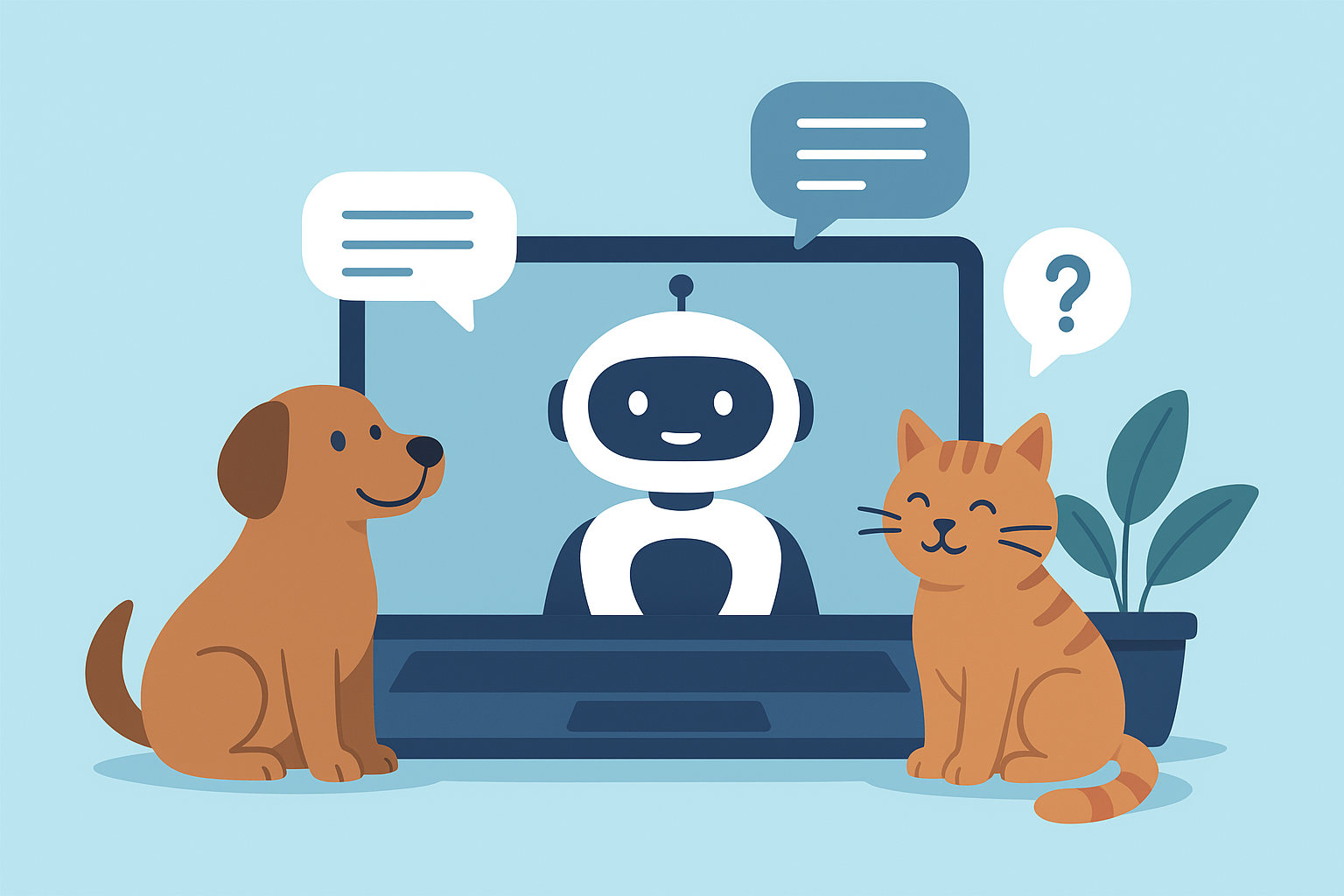

The growing influence of technology in our everyday lives has changed how we approach even the most personal aspects of living—such as caring for our beloved pets. With artificial intelligence advancing rapidly, chatbots have become more than just digital assistants for humans; they are now extending their benefits to pet owners as well. A pet care chatbot is designed to offer convenience, support, and expert-level assistance to pet parents by answering queries, providing reminders, and even recommending medical advice under guidance from veterinary professionals. This innovative tool not only saves time but also helps ensure pets receive timely and accurate care when needed most.
Introduction: The Rise of Pet Care Chatbots
The bond between humans and pets has always been special, but caring for pets often comes with challenges that require reliable support. From managing feeding schedules to identifying early signs of illness, pet owners often juggle between love, responsibility, and the stress of providing the best care possible. This is where the concept of a pet care chatbot steps in, offering a perfect balance of convenience and guidance. These AI-powered digital assistants have been designed to provide quick answers, reminders, and solutions tailored to each pet’s unique needs.
With platforms like chattbotz, pet owners now have access to a reliable and interactive tool that combines artificial intelligence with real-world veterinary knowledge. By integrating modern technology into pet care, chatbots are reshaping how we engage with animal health and well-being. Whether it’s a midnight query about why your dog isn’t eating or a timely reminder for vaccinations, pet care chatbots provide an extra layer of confidence to every pet parent.
The growing adoption of these chatbots highlights a shift toward digital convenience in the pet industry. As more people view pets as family members, the demand for accurate and instant support has never been higher. This blog will explore the world of pet care chatbots, discussing their role, benefits, and the future of AI in animal care.
Understanding What a Pet Care Chatbot Is
A pet care chatbot is a virtual assistant powered by artificial intelligence, designed specifically to address the needs of pet owners. Unlike general-purpose chatbots, these tools focus on offering customized responses related to pet health, diet, behavior, and grooming. For example, if a cat owner notices unusual behavior, the chatbot can provide possible explanations, recommend first-aid steps, and suggest contacting a veterinarian if necessary.
The primary goal of such chatbots is to make pet care more manageable. Owners can simply type or speak their concerns into a chatbot interface and receive instant guidance. By simulating natural conversation, these chatbots are easy to use and require no technical knowledge. They integrate seamlessly with apps, websites, or even social media, making them accessible to pet parents worldwide.
Furthermore, many pet care chatbots are designed to learn over time. They adapt to user interactions, remembering details about pets such as their breed, medical history, and dietary preferences. This allows the chatbot to provide increasingly personalized assistance. The more it is used, the better it becomes at offering accurate support, creating a virtual companion that evolves alongside the pet’s growth and needs.
The Importance of Technology in Modern Pet Care
The pet care industry has been rapidly transformed by digital tools, and technology is now considered essential in managing the well-being of animals. Pet owners today are more connected than ever, and they expect instant solutions. This expectation aligns perfectly with the rise of chatbots. By integrating AI-driven platforms, pet owners are no longer limited to traditional sources of information such as books, friends, or waiting for a vet appointment.
Chatbots fill a critical gap between pet owners and veterinary professionals by offering immediate access to knowledge. This does not replace professional care, but it serves as a first line of support that can guide pet parents until expert help is available. Whether it’s about diet adjustments, exercise needs, or symptoms of illness, technology ensures that vital information is never more than a few clicks away.
Moreover, the growing trend of smart homes and wearable devices for pets pairs perfectly with chatbot integration. Imagine a smart collar sending data directly to a chatbot, which then informs the owner about unusual activity levels or potential health concerns. This fusion of technology ensures that pets receive real-time monitoring, and owners remain informed and proactive in their care approach.
How Pet Care Chatbots Improve Daily Routines
Daily pet care can be overwhelming, especially for new pet owners. Feeding schedules, grooming needs, walks, and playtime all require consistency. Pet care chatbots simplify this by offering structured reminders and alerts. For example, a chatbot can send notifications about meal times, medication, or grooming tasks. This eliminates the risk of forgetting crucial responsibilities and keeps pets on a healthy routine.
Another important aspect is training support. Many pet care chatbots provide behavior management tips, guiding owners through issues such as chewing, barking, or litter training. Since these problems can be stressful, having quick, step-by-step advice significantly reduces frustration. By integrating interactive features, chatbots even gamify daily care, encouraging owners to remain consistent and engaged.
Additionally, chatbots can create a log of daily pet activities. This helps owners track patterns such as eating habits, bathroom breaks, or changes in behavior. When shared with a veterinarian, this data provides valuable insight that can assist in diagnosis and treatment. The convenience of automated tracking ensures pets receive proper care while minimizing human error.
Personalized Health Guidance for Pets
One of the most impressive benefits of a pet care chatbot is its ability to deliver personalized health guidance. Unlike generic articles found online, chatbots are designed to interact with individual pet data, offering tailored advice based on breed, age, size, and medical history. For instance, the nutritional needs of a small Chihuahua differ greatly from those of a large German Shepherd. By storing and analyzing these details, chatbots ensure that the guidance provided is specific and relevant to the pet’s unique profile.
For pet parents, this means fewer mistakes and greater peace of mind. A chatbot can help determine the right type of food, portion sizes, or even recommend suitable supplements. If a pet has allergies, the system can instantly flag foods or products to avoid, creating a safeguard against potential health risks. The convenience of having immediate, accurate, and customized recommendations significantly improves the quality of care.
Furthermore, chatbots often integrate with vet databases and pet care research. This allows them to provide guidance based on up-to-date veterinary standards. For example, if a new vaccination schedule is introduced, the chatbot can notify pet parents about the change. By combining real-time data with personalized insights, chatbots elevate pet care beyond guesswork, ensuring pets lead healthier and longer lives.
Emotional Support for Pet Owners
Caring for pets is not just a responsibility—it’s an emotional journey. Pet owners often face stress, worry, and even guilt when they feel they are not doing enough for their furry companions. A pet care chatbot provides a level of reassurance that can make a significant difference. By offering immediate responses, it reduces the anxiety associated with uncertainty. When a pet shows unusual behavior late at night, owners don’t have to wait until morning to find answers—they can turn to the chatbot for instant guidance.
This emotional support builds confidence and strengthens the human-animal bond. Owners feel more equipped to handle everyday challenges, which in turn helps pets feel secure and cared for. Many chatbots are designed with empathetic tones, mimicking real conversation and offering comfort in stressful moments. This digital companion may not replace human support, but it fills a crucial gap when quick advice is needed.
Additionally, pet care chatbots encourage owners to engage more with their pets. Reminders for playtime, walks, or grooming create opportunities for bonding. Emotional reassurance is not limited to emergencies; it extends to daily routines, where pet parents feel validated and encouraged in their care efforts. The result is a positive cycle: happier owners lead to happier pets, and chatbots play a subtle but powerful role in making that possible.
Role of Chatbots in Veterinary Support

Veterinary professionals are often overwhelmed with queries from concerned pet owners, many of which are non-emergency issues. This is where pet care chatbots step in as effective first responders. They can address common questions—such as dietary changes, vaccination schedules, or mild behavioral issues—before escalating serious concerns to a vet. This not only saves time for veterinarians but also ensures that owners get accurate guidance without unnecessary delays.
For pet parents, the availability of such support means reduced dependency on rushed online searches, which can often lead to misinformation. Instead, chatbots act as an intermediary, filtering advice through veterinary-approved databases. Some advanced systems even allow direct integration with vet clinics, where the chatbot schedules appointments or forwards case histories to professionals. This streamlines the entire process, creating smoother communication between vets and pet owners.
Moreover, chatbots can assist veterinarians by collecting essential preliminary data. Before a pet’s appointment, the owner may interact with the chatbot to provide symptoms, diet details, and recent activity patterns. This information allows the vet to prepare in advance, leading to faster diagnoses and more effective treatments. In the long run, this collaboration between technology and veterinary science enhances the overall efficiency of pet healthcare systems.
24/7 Availability and Convenience
One of the greatest advantages of a pet care chatbot is its ability to provide assistance at any time, day or night. Pets don’t follow human schedules, and emergencies or unusual behaviors can occur at odd hours. Having access to instant advice during these times brings enormous relief to pet parents. Whether it’s a sudden drop in appetite, an upset stomach, or unexplained barking, the chatbot is always available to offer step-by-step guidance.
This 24/7 availability removes the pressure of waiting for office hours or browsing unreliable forums. It ensures that owners never feel helpless, regardless of the situation. Even when professional intervention is required, the chatbot can guide owners on what to do immediately—such as administering basic first aid or preparing the pet for a vet visit. This kind of real-time assistance can sometimes make a critical difference in urgent scenarios.
Convenience extends beyond emergencies. Daily pet management also becomes easier with chatbots. For instance, a chatbot can remind owners about appointments, training exercises, or dietary changes. This helps busy individuals manage their schedules while ensuring their pets do not miss out on essential care. By being a constant companion, a pet care chatbot fits seamlessly into modern lifestyles, where time and convenience play vital roles in decision-making.
Enhancing Pet Nutrition Through AI
Nutrition plays a vital role in the overall health of pets, and mistakes in diet can lead to long-term problems. A pet care chatbot equipped with artificial intelligence ensures that owners receive accurate and customized dietary advice for their furry companions. Instead of relying on guesswork or generic feeding instructions, chatbots use data about a pet’s age, breed, size, and health conditions to recommend the right portions and food types. This level of personalization reduces the risk of obesity, malnutrition, or allergic reactions.
For example, a growing puppy has vastly different dietary requirements compared to a senior dog. Similarly, cats with kidney problems may require specialized diets that must be carefully monitored. Chatbots can not only recommend these diets but also send reminders to ensure feeding schedules are maintained consistently. This proactive approach supports healthy growth, prevents common illnesses, and enhances the pet’s quality of life.
Moreover, pet care chatbots often integrate with pet food brands and vet-approved nutritional databases. This allows them to suggest specific products that match a pet’s needs. Some advanced systems even provide calorie calculators, making it easier to adjust food portions based on activity levels. As AI continues to improve, these tools will become even more sophisticated, ensuring that every meal contributes to a pet’s long-term well-being.
Behavior and Training Assistance
Training a pet requires patience, consistency, and the right techniques. Many owners, especially first-timers, struggle with behavioral issues such as excessive barking, scratching, chewing, or house training problems. A pet care chatbot acts as a guide, offering step-by-step instructions and practical solutions tailored to the specific behavior in question. This digital support ensures owners have access to reliable training advice at any time.
For instance, if a puppy refuses to follow basic commands, the chatbot can provide tips on positive reinforcement, repetition, and timing. Similarly, if a cat displays aggressive tendencies, the chatbot may suggest environmental changes, enrichment activities, or redirection techniques. By offering detailed instructions, the chatbot empowers owners to handle these situations calmly and effectively.
Another valuable aspect is consistency. Training often fails because owners are inconsistent in their approach. Chatbots solve this by sending reminders for training sessions and tracking progress. Over time, this creates a structured and rewarding experience for both pet and owner. By reducing frustration and reinforcing positive behavior, chatbots help build stronger bonds and more harmonious households where pets feel secure and well-adjusted.
Pet Grooming and Hygiene Reminders
Grooming is not just about appearance—it is an essential part of a pet’s health. Regular baths, nail trimming, ear cleaning, and brushing can prevent infections and discomfort. Yet, many owners overlook these tasks due to busy schedules. A pet care chatbot solves this problem by sending timely grooming reminders and offering detailed instructions on how to carry out each task properly.
For example, if a dog requires weekly brushing to prevent matting, the chatbot can alert the owner and explain the correct brushing technique. If a cat needs ear cleaning, the chatbot can provide safe, step-by-step instructions, ensuring the process is stress-free for both owner and pet. These proactive reminders reduce the likelihood of neglect and help pets maintain optimal hygiene.
In addition, chatbots often include seasonal grooming advice. During warmer months, they may suggest more frequent bathing or recommend flea prevention methods. In colder months, the chatbot may advise on paw protection or coat maintenance. By aligning grooming practices with environmental changes, these AI-powered assistants ensure pets stay comfortable and healthy year-round. Grooming guidance through chatbots combines convenience with expertise, making pet care more manageable for every household.
Pet Safety and Emergency Support
Emergencies are among the most stressful aspects of pet ownership. From accidental ingestion of harmful substances to sudden injuries, pet parents often panic and struggle to decide the right course of action. A pet care chatbot can act as a first line of defense, guiding owners through immediate steps before professional help is available. By offering clear, calm, and actionable instructions, chatbots help reduce panic in critical moments.
For instance, if a dog eats chocolate, the chatbot can provide dosage guidelines for first aid measures, advise whether the situation requires urgent veterinary attention, and even suggest contacting a poison control hotline. Similarly, if a cat sustains a cut, the chatbot can walk the owner through basic wound cleaning and bandaging techniques. These instructions can prevent complications and buy valuable time before reaching a vet.
Beyond emergencies, chatbots also provide general safety advice. They can remind owners about keeping toxic plants out of reach, using proper collars and harnesses, or ensuring a secure home environment. This constant guidance reduces risks and creates a safer living space for pets. By combining preventive tips with emergency protocols, chatbots empower pet parents to act quickly and effectively during unexpected situations.
Data Tracking and Health Monitoring
Modern pet care extends beyond daily feeding and playtime—it now involves tracking health patterns and long-term well-being. A pet care chatbot excels in this area by collecting and storing valuable data about a pet’s activities, diet, and medical history. This data-driven approach makes it easier for owners and veterinarians to detect patterns, track progress, and identify potential issues early.
For example, a chatbot can log daily eating habits, exercise routines, and bathroom schedules. If a pet suddenly changes its behavior—such as eating less or being unusually lethargic—the system can flag these anomalies and alert the owner. Such early detection is crucial, as many illnesses in pets show subtle signs before becoming severe.
Additionally, some chatbots can integrate with wearable pet devices, such as smart collars or health trackers. These devices send real-time data on heart rate, sleep cycles, and activity levels, which the chatbot interprets into meaningful insights. This combination of technology provides pet owners with a comprehensive view of their pet’s health, enabling proactive care and timely interventions. By turning raw data into actionable guidance, chatbots bring a new level of precision and confidence to modern pet parenting.
Integration with Smart Devices
The modern home is increasingly becoming “smart,” and pets are no exception to this trend. A pet care chatbot can integrate with smart devices such as automated feeders, pet cameras, and wearable health trackers, creating a seamless ecosystem of pet care management. This integration not only makes life easier for owners but also ensures that pets receive consistent, data-driven attention throughout the day.
For instance, a chatbot linked with an automatic feeder can monitor meal times, track portions, and adjust feeding schedules based on real-time feedback from wearable devices. If a pet shows reduced activity, the chatbot may recommend smaller food portions to prevent weight gain. Similarly, if a smart collar detects unusual heart rates or low activity levels, the chatbot can alert the owner instantly, suggesting further observation or a vet consultation.
Pet cameras paired with chatbots also improve the owner’s ability to check in remotely. The chatbot can notify owners if the camera detects unusual behavior, such as constant scratching or pacing. This level of monitoring ensures that even when away, pet parents remain connected and informed. The integration of smart technology with AI chatbots signals the future of pet care—a world where pets receive proactive attention while owners enjoy peace of mind.
Cost-Effective Pet Care Solutions

Pet ownership often comes with significant expenses, from food and grooming to medical bills. While professional veterinary services are essential, not every concern requires an immediate visit. A pet care chatbot provides cost-effective solutions by answering everyday queries and helping owners avoid unnecessary trips to the vet. By filtering out minor issues from serious concerns, chatbots save both time and money.
For example, if a pet skips a meal or shows minor digestive issues, the chatbot can suggest safe home remedies or provide guidance on whether to monitor the situation further. In many cases, these minor issues resolve without requiring professional intervention. This allows pet parents to reserve vet visits for urgent matters, thereby reducing costs.
In addition, some chatbots offer affordable subscription plans that include regular updates, reminders, and even direct access to vet professionals for advanced queries. Compared to the financial burden of constant checkups, this blended approach offers significant savings. For pet parents on tight budgets, chatbots provide a reliable middle ground—ensuring pets receive consistent attention without breaking the bank. Over time, the prevention and early detection made possible by chatbots also reduce the risk of expensive emergency treatments, making them a valuable long-term investment.
Building Stronger Human-Pet Relationships
The relationship between pets and their owners is one of companionship, trust, and unconditional love. A pet care chatbot plays a subtle yet powerful role in strengthening this bond by encouraging consistency, responsibility, and engagement. By reminding owners of feeding times, grooming tasks, and play sessions, chatbots ensure pets receive structured care, which leads to healthier and happier animals.
Consistency in pet care builds trust. When pets know their needs will be met regularly, they develop a deeper sense of security. This security translates into better behavior and stronger emotional bonds. A chatbot helps maintain this consistency by eliminating forgetfulness, ensuring no aspect of care is neglected.
Additionally, chatbots encourage owners to spend more quality time with their pets. By sending reminders for exercise or play, they highlight the importance of interaction beyond just feeding and grooming. These moments of connection are what truly strengthen relationships. Over time, pets become more responsive, affectionate, and loyal, while owners enjoy the satisfaction of knowing they are providing the best care possible. In this way, chatbots contribute not just to physical well-being but also to the emotional richness of human-pet relationships.
Educational Benefits for New Pet Owners
For first-time pet owners, the learning curve can feel overwhelming. From nutrition and training to vaccinations and grooming, there are countless responsibilities to manage. A pet care chatbot serves as an educational companion, simplifying the process and providing reliable guidance every step of the way.
Instead of endlessly searching the internet for answers, new pet parents can rely on a chatbot to provide structured advice. For example, if someone just adopted a puppy, the chatbot can guide them through house training, diet planning, and vaccination schedules. Similarly, for a new cat owner, the chatbot might provide tips on litter training, safe home environments, and socialization techniques.
The educational value goes beyond basics. Chatbots often provide articles, videos, and interactive tips that build knowledge gradually. They can even quiz owners to reinforce learning, ensuring that important details are not forgotten. This makes the entire experience less intimidating and more enjoyable, especially for those who may be anxious about making mistakes. By equipping new pet owners with confidence and knowledge, chatbots contribute to long-term responsible pet parenting.
Future of Pet Care with AI and Chatbots
The future of pet care is being shaped by artificial intelligence, and pet care chatbots are at the forefront of this transformation. As technology continues to evolve, these digital assistants will become even more intelligent, intuitive, and personalized. The next generation of chatbots may use advanced natural language processing, allowing them to understand emotions and respond with greater empathy.
Integration with biotechnology could also revolutionize how we monitor pets. Imagine a chatbot that receives real-time blood sugar readings from a wearable device for diabetic pets, or one that analyzes genetic testing results to provide tailored health plans. Such advancements will push the boundaries of preventive care, ensuring pets live longer and healthier lives.
The future will likely see chatbots collaborating directly with veterinary professionals, offering a hybrid model of care where AI handles everyday needs while vets focus on complex cases. This balanced approach ensures efficiency while maintaining professional oversight. With the rise of smart homes, voice-activated pet care chatbots may also become the norm, enabling owners to interact hands-free. Overall, the future promises a world where pets receive round-the-clock attention supported by intelligent systems that evolve with their needs.
Conclusion: Why Pet Care Chatbots Are the Future of Pet Parenting
In today’s fast-paced world, where responsibilities are endless and time is limited, pet care chatbots emerge as a revolutionary solution. They provide personalized health guidance, grooming reminders, training tips, emergency support, and even emotional reassurance—all in one accessible platform. By integrating with smart devices, offering cost-effective solutions, and supporting both experienced and new pet owners, these AI-driven companions redefine how we approach pet parenting.
For pet parents, the real value lies in confidence and peace of mind. Knowing that instant, reliable support is always available helps reduce stress while ensuring pets receive the care they deserve. The consistency encouraged by chatbots leads to healthier routines, stronger bonds, and happier pets overall. The rise of artificial intelligence in pet care reflects a broader movement toward digital solutions that empower humans in their everyday lives.
At chattbotz, we believe pet care chatbots represent not just a trend but a future where technology and love work hand in hand. By combining innovation with compassion, these tools ensure that every pet—no matter how big or small—receives the attention, care, and dedication they deserve. For pet owners, adopting chatbot technology is more than just convenience; it’s a step toward becoming the best possible guardian for their beloved companions.