
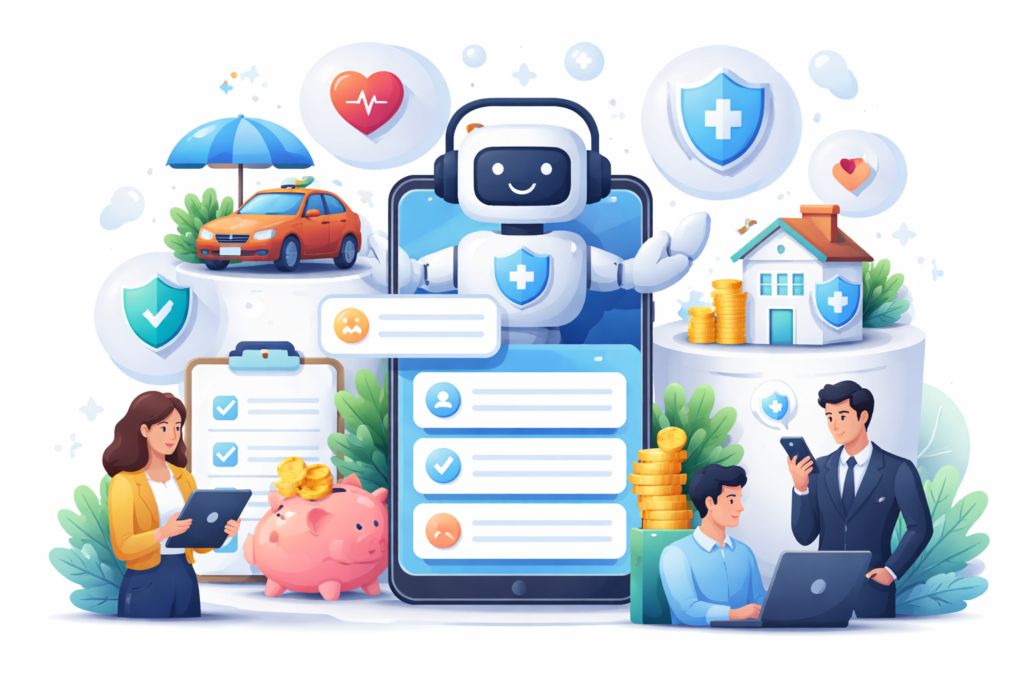
Insurance Chatbot solutions are transforming the insurance industry by automating customer support, improving lead generation, and enhancing user experience with AI-powered conversations.
Introduction
The insurance industry is undergoing a massive digital transformation, driven by the increasing demand for instant customer support, personalized services, and efficient claims processing. One of the most impactful innovations leading this shift is the insurance chatbot—an AI-powered conversational tool designed to streamline operations and enhance customer engagement.
On platforms like Chattbotz, businesses are leveraging chatbot technology to automate repetitive tasks, reduce operational costs, and deliver seamless customer experiences. Whether it’s answering policy-related questions, assisting with claims, or generating leads, insurance chatbots are becoming indispensable for modern insurers.
In this comprehensive guide, we’ll explore how insurance chatbots work, their benefits, use cases, implementation strategies, and best practices. By the end, you’ll have a clear roadmap to harness the power of AI-driven conversational solutions in the insurance sector.
What Is an Insurance Chatbot and How Does It Work?
An insurance chatbot is an AI-driven virtual assistant that interacts with users through text or voice interfaces. It uses technologies like Natural Language Processing (NLP) and machine learning to understand customer queries and provide relevant responses in real time. These bots can be integrated into websites, mobile apps, and messaging platforms to offer 24/7 support.
Unlike traditional customer service systems, chatbots are designed to handle multiple interactions simultaneously. This makes them highly efficient, especially during peak times when customer inquiries surge. They can answer FAQs, guide users through policy selection, and even assist in filing claims—all without human intervention.
The working mechanism of an insurance chatbot typically involves three layers: input processing, intent recognition, and response generation. When a user asks a question, the chatbot analyzes the input, identifies the intent, and delivers a suitable response based on pre-trained data or dynamic learning models. Over time, these bots improve their accuracy through continuous learning, making them more effective and reliable.
Why Insurance Companies Are Adopting Chatbots Rapidly
The adoption of insurance chatbots is accelerating due to the growing need for automation and efficiency in customer service. Insurance companies are dealing with large volumes of repetitive queries, and chatbots help reduce the burden on human agents by handling routine interactions.
One of the key drivers is cost reduction. By automating customer support, insurers can significantly lower operational expenses while maintaining high service quality. Chatbots also minimize human errors, ensuring consistent and accurate information delivery.
Another important factor is customer expectations. Modern users demand instant responses and personalized experiences. Chatbots meet these expectations by providing real-time assistance and tailored recommendations based on user data. This not only improves customer satisfaction but also increases retention rates and brand loyalty.
Key Features of a High-Performing Insurance Chatbot
A successful insurance chatbot must include several advanced features to deliver optimal performance. First and foremost is natural language understanding, which enables the bot to comprehend user queries accurately, even when phrased differently.
Another essential feature is multi-channel integration. A high-performing chatbot should work seamlessly across websites, mobile apps, and messaging platforms like WhatsApp and Facebook Messenger. This ensures a consistent user experience across all touchpoints.
Additionally, data security and compliance are critical in the insurance sector. Chatbots must adhere to industry regulations and protect sensitive customer information. Features like encryption, secure authentication, and compliance with data protection standards are non-negotiable for building trust and credibility.
Benefits of Insurance Chatbots for Businesses
Insurance chatbots offer a wide range of benefits that go beyond customer support. One of the most significant advantages is 24/7 availability, allowing customers to get assistance anytime without waiting for business hours.
They also enhance operational efficiency by automating repetitive tasks such as answering FAQs, scheduling appointments, and collecting customer information. This frees up human agents to focus on more complex and high-value tasks.
Moreover, chatbots contribute to increased sales and lead generation. By engaging users in real-time and guiding them through the buying process, chatbots can convert potential customers into policyholders. This makes them a powerful tool for driving business growth.
Enhancing Customer Experience with AI-Powered Conversations
Customer experience is a critical factor in the insurance industry, and chatbots play a vital role in improving it. By providing instant responses and personalized interactions, chatbots create a seamless and engaging user journey.
One of the key ways chatbots enhance customer experience is through context-aware conversations. They can remember previous interactions and provide relevant responses based on user history. This creates a more personalized and human-like experience.
Additionally, chatbots reduce frustration by eliminating long wait times and repetitive processes. Customers can quickly find the information they need without navigating complex menus or waiting for a human agent. This leads to higher satisfaction and better overall engagement.
Insurance Chatbots for Lead Generation and Sales Automation
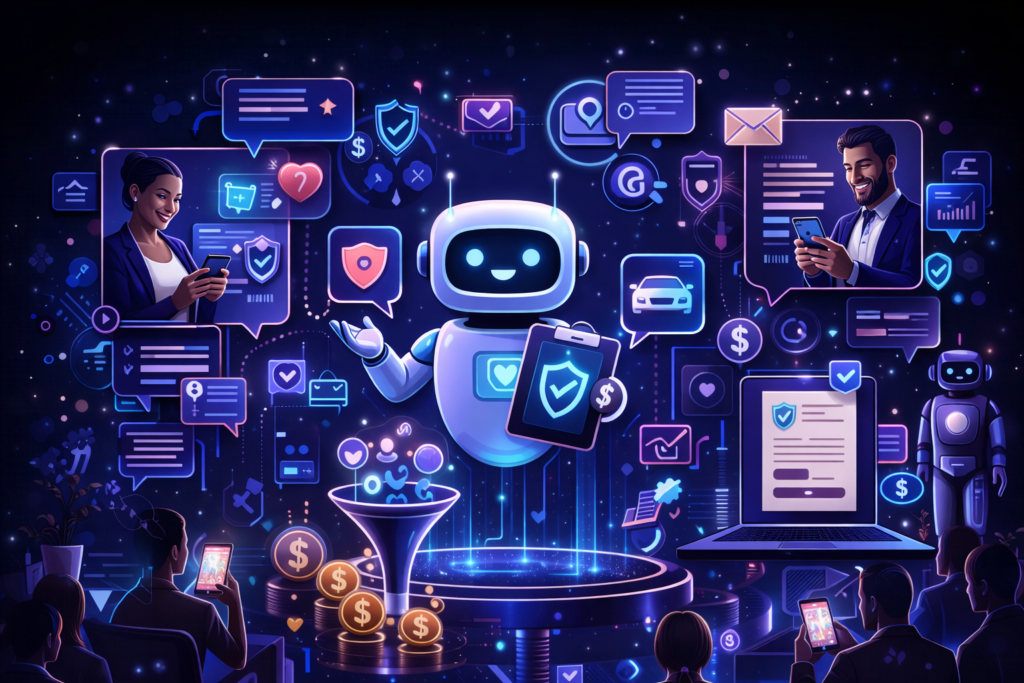
Insurance chatbots are powerful tools for lead generation and sales automation. They can engage website visitors, qualify leads, and guide them through the sales funnel with minimal human intervention.
For example, a chatbot can ask users a series of questions to understand their needs and recommend suitable insurance policies. This not only simplifies the decision-making process but also increases the likelihood of conversion.
Furthermore, chatbots can capture user data such as contact details and preferences, which can be used for targeted marketing campaigns. By automating the lead generation process, businesses can improve efficiency and achieve better results with fewer resources.
Streamlining Claims Processing with Chatbots
Claims processing is one of the most complex and time-consuming aspects of the insurance industry. Chatbots simplify this process by guiding users through each step and collecting the necessary information efficiently.
Customers can initiate claims, upload documents, and track the status of their requests through the chatbot interface. This reduces the need for manual intervention and speeds up the entire process.
Additionally, chatbots can provide real-time updates and notifications, keeping customers informed at every stage. This transparency builds trust and improves the overall customer experience, making the claims process less stressful and more efficient.
Reducing Operational Costs Through Automation
One of the most compelling reasons to adopt insurance chatbots is their ability to reduce operational costs. By automating routine tasks, businesses can significantly lower the need for large customer support teams.
Chatbots can handle thousands of interactions simultaneously, eliminating the need for additional staff during peak times. This scalability makes them a cost-effective solution for growing businesses.
Moreover, automation reduces the likelihood of errors and inconsistencies, which can lead to costly mistakes. By ensuring accurate and consistent responses, chatbots help businesses maintain high standards while minimizing expenses.
Personalization and Data-Driven Insights in Insurance Chatbots
Personalization is a key differentiator in today’s competitive market, and chatbots excel in delivering tailored experiences. By analyzing user data, chatbots can provide personalized recommendations and responses.
For instance, a chatbot can suggest policies based on a user’s age, location, and preferences. This not only enhances the user experience but also increases the chances of conversion.
In addition to personalization, chatbots provide valuable data insights. Businesses can analyze user interactions to identify trends, understand customer behavior, and improve their services. This data-driven approach enables continuous optimization and better decision-making.
Integration with CRM and Insurance Platforms
Integration is a crucial aspect of implementing an insurance chatbot. A well-integrated chatbot can connect with CRM systems, policy management tools, and other business applications to provide a seamless experience.
By integrating with CRM systems, chatbots can access customer data and provide personalized interactions. This ensures that users receive relevant information based on their history and preferences.
Furthermore, integration with insurance platforms allows chatbots to perform complex tasks such as policy management and claims processing. This enhances functionality and makes the chatbot a central component of the business ecosystem.
Security, Compliance, and Data Privacy in Insurance Chatbots
In the insurance industry, handling sensitive customer data is unavoidable, making security and compliance a top priority for chatbot implementation. Insurance chatbots must adhere to strict data protection regulations and industry standards to ensure customer information is safe from breaches and misuse.
A well-designed chatbot incorporates encryption protocols, secure APIs, and authentication layers to protect data during transmission and storage. Following best practices outlined in Google Search Central guidelines ensures not only content quality but also reinforces trust signals that are critical for digital platforms handling sensitive information.
Additionally, compliance with global standards such as GDPR or local data protection laws builds credibility and strengthens customer confidence. Transparent privacy policies, clear consent mechanisms, and secure data handling practices are essential. When users trust that their data is safe, they are more likely to engage with chatbot-driven services, improving overall performance and adoption rates.
Future Trends in Insurance Chatbots and AI Automation
The future of insurance chatbots is closely tied to advancements in artificial intelligence, machine learning, and conversational AI. As these technologies evolve, chatbots are becoming more intelligent, capable of handling complex queries, and delivering highly personalized experiences.
One emerging trend is the use of voice-enabled chatbots, allowing users to interact through natural speech. This enhances accessibility and creates a more intuitive user experience. Another trend is the integration of predictive analytics, enabling chatbots to anticipate customer needs and provide proactive solutions.
Moreover, advancements in AI are enabling chatbots to understand emotions and sentiment, leading to more empathetic interactions. As highlighted in Google AI principles, ethical AI development and responsible data usage will play a crucial role in shaping the future of chatbot technology. Businesses that embrace these innovations early will gain a competitive advantage in the rapidly evolving insurance landscape.
Real-World Use Cases of Insurance Chatbots
Insurance chatbots are already being used across various domains to improve efficiency and customer experience. One common use case is customer support automation, where chatbots handle FAQs, policy inquiries, and account-related questions instantly.
Another significant application is in policy recommendation and onboarding. Chatbots can guide users through the process of selecting the right insurance plan based on their needs and preferences. This simplifies the buying journey and reduces friction.
Additionally, chatbots are widely used in claims management, helping users file claims, upload documents, and track progress in real time. These practical applications demonstrate how chatbots are transforming traditional insurance processes into streamlined, user-friendly experiences that benefit both customers and businesses.
How to Successfully Implement an Insurance Chatbot
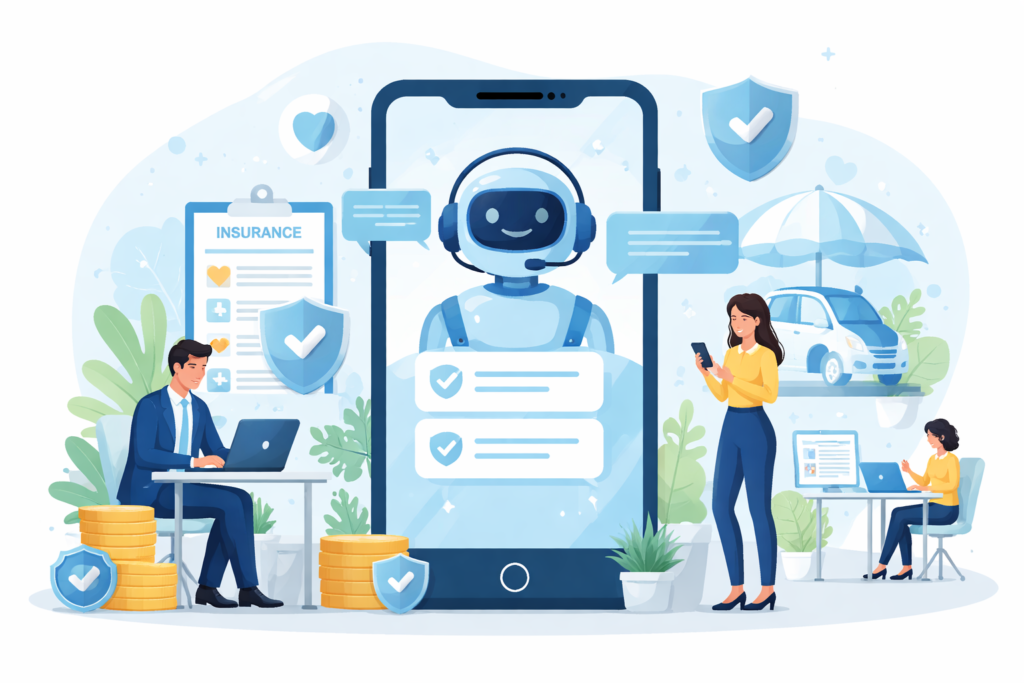
Implementing an insurance chatbot requires careful planning and a strategic approach. The first step is to define clear objectives, such as improving customer support, increasing lead generation, or automating claims processing.
Next, businesses should choose the right technology stack and platform that aligns with their needs. Integration with existing systems like CRM and policy management tools is crucial for seamless functionality. Following technical best practices from Google structured data guidelines can also enhance visibility and performance.
Testing and optimization are equally important. Chatbots should be continuously monitored and improved based on user interactions and feedback. By adopting a data-driven approach, businesses can refine chatbot performance and ensure it delivers maximum value over time.
Choosing the Right Insurance Chatbot Solution for Your Business
Selecting the right chatbot solution is a critical decision that can significantly impact your business outcomes. Factors such as scalability, customization, integration capabilities, and ease of use should be carefully evaluated.
A reliable chatbot platform should offer advanced features like AI-powered conversation handling, analytics, and multi-channel support. It should also be flexible enough to adapt to changing business needs and customer expectations.
Finally, consider the level of support and expertise provided by the solution provider. A partner that understands the insurance industry and offers ongoing support can make a significant difference in the success of your chatbot implementation. Making the right choice ensures long-term growth and sustainability.
Common Mistakes to Avoid When Implementing Insurance Chatbots
One of the most common mistakes businesses make is deploying chatbots without a clear strategy. Without defined goals, chatbots can fail to deliver meaningful results and may even frustrate users.
Another mistake is neglecting user experience. Poorly designed conversations, lack of personalization, and limited functionality can lead to low engagement and high abandonment rates. It’s essential to design chatbot interactions that are intuitive, helpful, and user-centric.
Additionally, ignoring data security and compliance can have serious consequences. Businesses must ensure that their chatbots adhere to all relevant regulations and protect customer data effectively. Avoiding these mistakes is crucial for achieving success and maximizing the benefits of chatbot technology.
Best Practices Summary for Insurance Chatbots
To maximize the effectiveness of insurance chatbots, businesses should follow a set of proven best practices. First, focus on delivering value by addressing real customer needs and pain points.
Second, prioritize user experience and personalization. Tailored interactions and context-aware responses significantly enhance engagement and satisfaction. Third, ensure seamless integration with existing systems to provide a unified experience.
Continuous monitoring and optimization are also essential. Regularly analyzing chatbot performance and making improvements based on data insights ensures long-term success. By following these best practices, businesses can fully leverage the potential of insurance chatbots.
FAQs
1. What is an insurance chatbot?
An insurance chatbot is an AI-powered virtual assistant that helps customers with queries, policy selection, claims processing, and more through automated conversations.
2. How do insurance chatbots improve customer service?
They provide instant responses, 24/7 availability, and personalized interactions, reducing wait times and improving overall customer satisfaction.
3. Are insurance chatbots secure?
Yes, when implemented correctly with encryption, authentication, and compliance measures, they can securely handle sensitive customer data.
4. Can chatbots handle insurance claims?
Absolutely. Chatbots can guide users through the claims process, collect necessary information, and provide real-time updates.
5. Do insurance chatbots replace human agents?
No, they complement human agents by handling routine tasks, allowing agents to focus on complex issues.
6. How much does it cost to implement an insurance chatbot?
Costs vary depending on features, complexity, and integration requirements, but they generally reduce long-term operational expenses.
7. Can small insurance businesses use chatbots?
Yes, chatbots are scalable and can be customized to fit businesses of all sizes.
8. What platforms can insurance chatbots be integrated with?
They can be integrated with websites, mobile apps, CRM systems, and messaging platforms like WhatsApp and Facebook Messenger.
Conclusion
Insurance chatbots are revolutionizing the way businesses interact with customers by combining automation, personalization, and efficiency. From improving customer support to streamlining claims processing and boosting sales, these AI-powered tools offer immense value.
Platforms like Chattbotz are enabling businesses to adopt cutting-edge chatbot solutions that align with modern customer expectations. By implementing the strategies and best practices outlined in this guide, insurers can stay ahead of the competition and deliver exceptional user experiences.
Want to Implement This Easily?
Prompt
You are an expert consultant. Based on the blog post titled “(Insurance Chatbot)”, provide a step-by-step, practical implementation guide. Include tools, best practices, common mistakes to avoid, and advanced tips. Assume the reader wants to implement everything discussed in this article effectively.
Call to Action
Want our help implementing this? Just reach out to us via our website contact form: https://chattbotz.com/contact-us/