
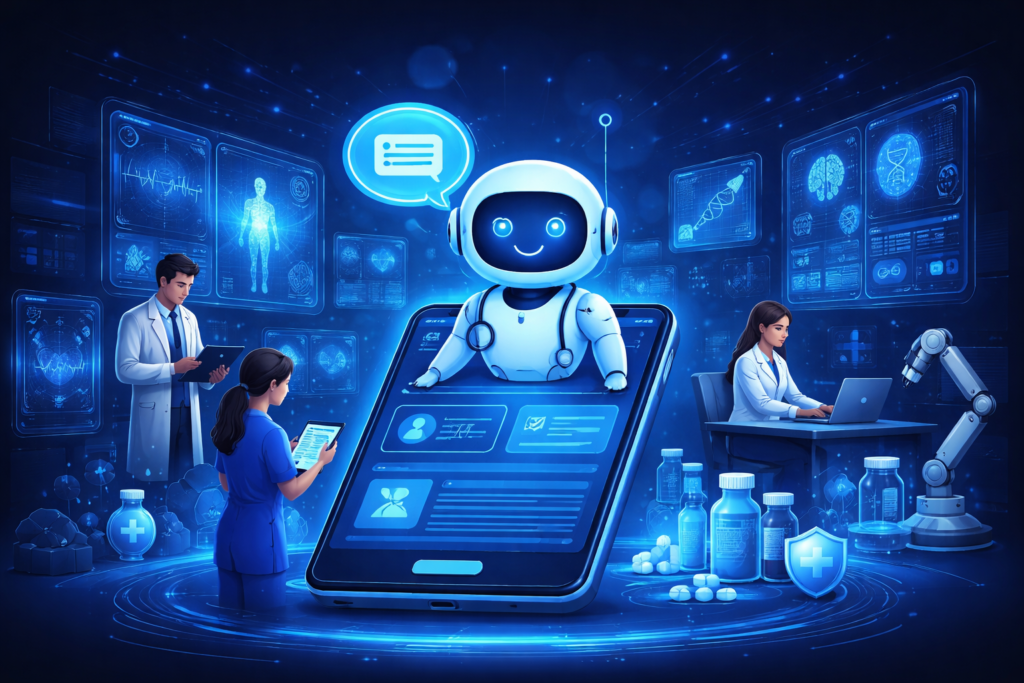
Healthcare chatbot solutions are revolutionizing digital healthcare by improving patient engagement, automating administrative workflows, enabling secure communication, and enhancing medical service efficiency with AI-powered virtual assistants.
Introduction
The healthcare industry is undergoing a profound digital transformation driven by artificial intelligence, automation, and patient-centered technologies. Among the most impactful innovations is the healthcare chatbot, a powerful digital assistant designed to streamline patient communication, reduce administrative workload, and enhance clinical efficiency. Healthcare providers, hospitals, clinics, and telemedicine platforms are increasingly adopting chatbot technology to deliver faster, smarter, and more accessible services to patients.
At Chattbotz, healthcare chatbot solutions are designed to address the unique challenges faced by medical organizations, including appointment scheduling bottlenecks, high patient inquiry volumes, and the need for secure communication. These intelligent assistants are capable of answering patient questions, guiding symptom assessments, sending reminders, and supporting healthcare teams with automated workflows. As healthcare demands continue to rise globally, automation is no longer optional—it is becoming essential for maintaining service quality and operational efficiency.
This comprehensive guide explores how healthcare chatbots are transforming patient experiences, improving medical operations, and supporting modern healthcare systems. From artificial intelligence fundamentals to advanced implementation strategies, this article delivers practical insights for healthcare administrators, IT leaders, and medical professionals seeking to leverage chatbot technology effectively.
What Is a Healthcare Chatbot and How Does It Work?
Healthcare chatbots are intelligent conversational systems designed to interact with patients, caregivers, and medical staff using natural language. These systems simulate human-like conversations through messaging interfaces, voice assistants, or embedded web chat tools. Unlike traditional static forms or call-center systems, healthcare chatbots provide instant responses to user queries, improving accessibility and responsiveness across medical services.
At their core, healthcare chatbots rely on Artificial Intelligence (AI), machine learning algorithms, and natural language processing (NLP) technologies. These technologies enable chatbots to interpret patient questions, identify intent, and deliver relevant responses in real time. For example, when a patient asks about symptoms, medication instructions, or clinic hours, the chatbot can analyze the request and provide precise answers based on pre-programmed workflows and integrated healthcare databases.
Healthcare chatbots typically function through multiple components working together. First, the conversational engine processes user input and matches it with relevant responses. Next, integration layers connect the chatbot to healthcare systems such as electronic health records (EHR), appointment scheduling tools, and patient management software. Finally, analytics modules monitor chatbot interactions, allowing healthcare providers to improve workflows, refine responses, and enhance service quality. By combining automation with intelligent decision-making, healthcare chatbots deliver efficient, scalable communication solutions that support both patients and healthcare teams.
The Growing Importance of Healthcare Chatbots in Modern Medicine
The increasing complexity of healthcare systems has created significant pressure on hospitals and clinics to improve operational efficiency while maintaining high-quality patient care. Healthcare chatbots have emerged as essential tools that help organizations handle growing patient volumes without overwhelming medical staff. These digital assistants provide round-the-clock support, ensuring patients receive timely assistance even outside standard clinic hours.
One major factor driving the adoption of healthcare chatbots is the shift toward digital patient engagement. Patients today expect fast, convenient communication options similar to those available in retail or banking industries. Chatbots meet these expectations by offering immediate responses to common queries, reducing wait times, and simplifying interactions. From scheduling appointments to providing medication reminders, healthcare chatbots enhance convenience while minimizing administrative workload.
Another important driver is the rising demand for remote healthcare services, including telemedicine and virtual consultations. Healthcare chatbots support these services by guiding patients through registration processes, verifying personal information, and collecting pre-consultation details. This reduces the time healthcare professionals spend on administrative tasks, allowing them to focus on patient care. As healthcare continues to evolve toward digital-first models, chatbots are becoming fundamental tools for maintaining efficiency, accuracy, and patient satisfaction.
Key Features That Define an Effective Healthcare Chatbot
An effective healthcare chatbot is built with features that prioritize usability, security, and accuracy. One of the most critical features is natural language understanding, which allows the chatbot to interpret patient messages accurately. This capability ensures patients receive relevant responses without confusion or unnecessary delays. Advanced chatbots also support multilingual communication, enabling healthcare providers to serve diverse patient populations effectively.
Another essential feature is automated appointment management. Healthcare chatbots can schedule appointments, reschedule visits, send reminders, and notify patients about upcoming consultations. These automated processes reduce missed appointments and optimize clinic schedules. Integration with electronic medical systems further enhances functionality, allowing chatbots to access patient records securely and provide personalized support based on medical history and preferences.
Security and compliance features are equally important in healthcare environments. Healthcare chatbots must include encrypted communication protocols, secure authentication mechanisms, and strict data privacy controls. These measures protect sensitive patient information and ensure compliance with industry regulations. Additionally, analytics dashboards provide valuable insights into patient interactions, helping healthcare organizations identify trends, improve workflows, and enhance service delivery over time.
Benefits of Healthcare Chatbots for Patients and Medical Providers
Healthcare chatbots provide numerous benefits for both patients and medical providers, making them valuable assets in modern healthcare environments. For patients, chatbots offer immediate access to medical information, appointment scheduling, and personalized reminders. This level of accessibility reduces stress and improves overall patient satisfaction by ensuring help is always available when needed.
Medical providers benefit from significant time savings and improved workflow efficiency. Administrative tasks such as answering frequently asked questions, collecting patient details, and confirming appointments can consume valuable staff time. Healthcare chatbots automate these repetitive tasks, allowing healthcare professionals to dedicate more attention to clinical responsibilities and patient care. This improved efficiency leads to better resource utilization and enhanced operational productivity.
Another important benefit is improved patient engagement and adherence to treatment plans. Healthcare chatbots can send medication reminders, follow-up notifications, and wellness tips, helping patients stay on track with prescribed treatments. By maintaining consistent communication, chatbots strengthen the relationship between patients and healthcare providers, resulting in better health outcomes and higher levels of trust in medical services.
Types of Healthcare Chatbots Used Across Medical Services
Healthcare chatbots can be categorized into several types based on their functionality and application areas. One common type is the informational chatbot, which provides answers to frequently asked questions related to clinic hours, medical procedures, and general health guidance. These chatbots help reduce the workload on front-desk staff by handling routine inquiries efficiently.
Another widely used type is the appointment scheduling chatbot, designed to manage bookings, cancellations, and reminders. These chatbots streamline appointment workflows and reduce the risk of scheduling errors. Patients can select preferred time slots, receive confirmation messages, and make changes without contacting staff directly. This level of automation enhances convenience and improves clinic efficiency.
Clinical support chatbots represent a more advanced category. These systems assist healthcare professionals by collecting patient symptoms, conducting preliminary assessments, and providing decision-support insights. While they do not replace medical professionals, they help gather relevant information quickly and accurately. By organizing patient data before consultations, clinical chatbots enable healthcare providers to make informed decisions and deliver faster, more effective care.
How Healthcare Chatbots Improve Patient Engagement and Communication
Effective patient engagement is essential for delivering high-quality healthcare services. Healthcare chatbots enhance engagement by providing consistent, personalized communication across multiple channels. Whether patients access services through websites, mobile applications, or messaging platforms, chatbots ensure they receive accurate information instantly.
One of the most impactful ways chatbots improve communication is through proactive messaging. Healthcare chatbots can send appointment reminders, health alerts, and follow-up messages automatically. These reminders reduce missed appointments and ensure patients remain informed about their treatment schedules. Additionally, chatbots can deliver educational content, helping patients understand medical conditions and preventive care practices.
Healthcare chatbots also improve accessibility for individuals with limited mobility or busy schedules. Patients who cannot easily visit clinics or make phone calls can use chatbots to request assistance anytime. This convenience strengthens patient-provider relationships and encourages continuous engagement. By offering reliable communication channels, healthcare chatbots help build trust and foster long-term patient loyalty.
The Role of Artificial Intelligence in Healthcare Chatbot Development
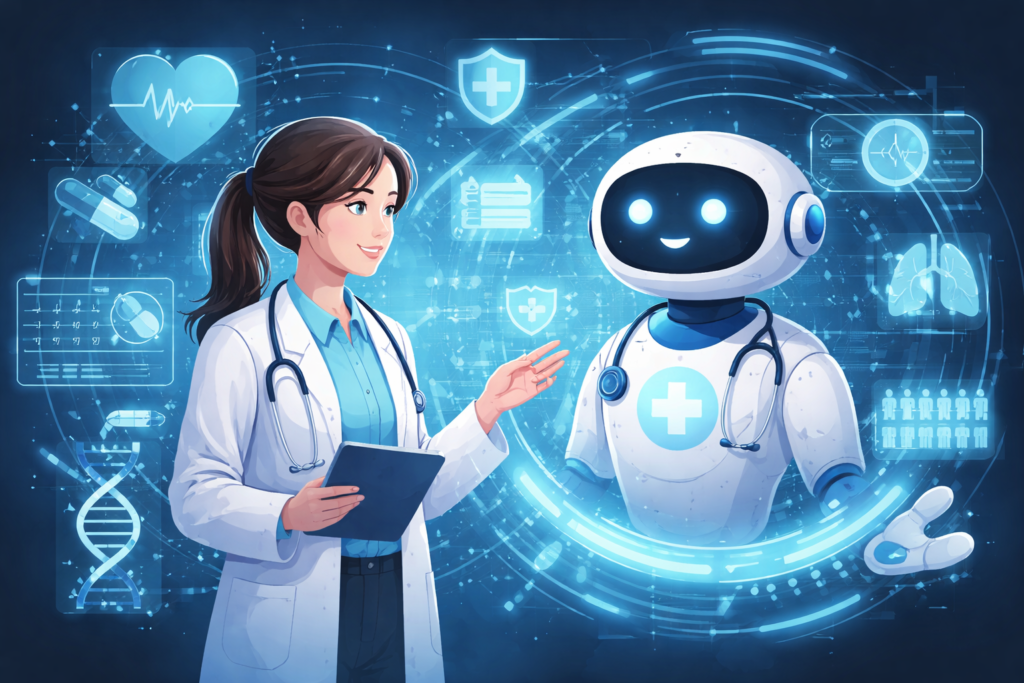
Artificial intelligence plays a central role in enabling healthcare chatbots to function effectively. AI technologies allow chatbots to analyze large volumes of data, recognize patterns, and generate accurate responses to user queries. This capability ensures healthcare chatbots deliver reliable information and adapt to changing patient needs over time.
Machine learning algorithms enhance chatbot performance by learning from previous interactions. Each conversation provides valuable data that helps improve response accuracy and user experience. For example, if patients frequently ask about specific symptoms or treatments, the chatbot can prioritize relevant information and refine its responses. This continuous learning process makes healthcare chatbots increasingly efficient and responsive.
Another important aspect of AI in healthcare chatbots is predictive analytics. By analyzing patient behavior and historical data, chatbots can identify potential health risks and recommend preventive actions. These insights support early intervention and improved health outcomes. As AI technologies continue to evolve, healthcare chatbots will become more intelligent, capable, and integral to modern medical systems.
Integration of Healthcare Chatbots with Medical Systems and Platforms
Successful healthcare chatbot implementation depends on seamless integration with existing medical systems and platforms. Integration allows chatbots to access relevant data, perform automated tasks, and deliver personalized services to patients. Without proper integration, chatbot functionality remains limited and unable to provide meaningful support.
Electronic Health Records (EHR) integration is one of the most important aspects of healthcare chatbot deployment. By connecting to EHR systems, chatbots can retrieve patient information securely and update records automatically. This ensures accurate data management and reduces manual entry errors. Integration also enables healthcare providers to monitor patient interactions and maintain comprehensive medical histories.
Healthcare chatbots can also integrate with telemedicine platforms, billing systems, and patient portals. These integrations create a unified digital environment where patients can manage appointments, access medical information, and communicate with healthcare providers from a single interface. As healthcare technology continues to evolve, integrated chatbot solutions will play a critical role in delivering efficient, connected, and patient-focused care.
Enhancing Appointment Scheduling and Patient Management with Healthcare Chatbots
Healthcare appointment scheduling has traditionally been one of the most time-consuming administrative tasks in medical facilities. Phone calls, manual calendar management, and appointment confirmations often lead to delays, double bookings, and scheduling conflicts. Healthcare chatbots solve these issues by providing automated scheduling capabilities that allow patients to book appointments instantly through conversational interfaces.
These chatbots integrate directly with scheduling systems to display available time slots and confirm bookings in real time. Patients can choose preferred dates, reschedule visits, or cancel appointments without needing to call reception desks. Automated reminders play a critical role in reducing missed appointments, which can significantly affect clinic efficiency and revenue. Reminder messages sent through email, SMS, or messaging platforms ensure patients remain informed about upcoming consultations.
From a patient management perspective, healthcare chatbots simplify the collection of patient details before appointments. They gather essential information such as medical history, symptoms, and insurance data, reducing paperwork during clinic visits. This streamlined process improves patient satisfaction while allowing medical staff to prepare in advance. By automating scheduling and management tasks, healthcare chatbots enhance workflow efficiency and ensure smoother patient experiences across healthcare facilities.
Improving Telemedicine and Remote Healthcare Services
Telemedicine has become an essential component of modern healthcare delivery, enabling patients to access medical services remotely. Healthcare chatbots significantly enhance telemedicine by providing seamless communication channels between patients and healthcare providers. These chatbots guide users through appointment registration, verify identity details, and collect relevant health information before virtual consultations.
Healthcare chatbots also support remote triage systems by analyzing patient symptoms and determining the urgency of care required. Patients can describe symptoms using conversational interfaces, and the chatbot evaluates the information using predefined clinical workflows. While chatbots do not replace professional medical advice, they help prioritize cases and direct patients to appropriate services quickly. This capability reduces wait times and ensures critical cases receive immediate attention.
Additionally, chatbots facilitate continuous monitoring of patients undergoing remote treatment. They can send follow-up messages, remind patients about medication schedules, and collect feedback on symptoms or recovery progress. These automated interactions improve treatment adherence and enable healthcare providers to maintain consistent communication with patients. As telemedicine adoption continues to grow, healthcare chatbots will remain central to delivering efficient and accessible remote care services.
Ensuring Data Privacy, Security, and Compliance in Healthcare Chatbots
Healthcare systems handle highly sensitive patient information, making data privacy and security critical considerations when implementing chatbot solutions. Healthcare chatbots must comply with strict security standards to protect patient data and maintain trust. Encryption technologies are essential to secure communication between patients and healthcare systems, ensuring confidential information remains protected from unauthorized access.
Authentication mechanisms such as multi-factor authentication (MFA) add another layer of security by verifying user identities before granting access to sensitive information. These safeguards prevent unauthorized users from accessing medical records or confidential communications. Healthcare chatbots must also maintain secure data storage practices to ensure patient information is protected throughout its lifecycle.
Healthcare organizations must follow recognized security frameworks and compliance standards when deploying chatbot systems. Guidelines outlined by Google security best practices provide valuable insights into protecting digital platforms from vulnerabilities and cyber threats. Implementing strong security policies ensures healthcare chatbots operate safely while maintaining compliance with industry regulations. Prioritizing security and privacy builds patient trust and supports long-term adoption of chatbot technologies.
Healthcare Chatbots for Patient Education and Preventive Care
Patient education is a cornerstone of effective healthcare delivery, and healthcare chatbots play an important role in providing accessible and accurate medical information. These chatbots deliver educational resources related to medical conditions, treatment procedures, and lifestyle recommendations. Patients receive guidance instantly, eliminating the need to search through unreliable online sources.
Healthcare chatbots also promote preventive care by sending reminders for routine screenings, vaccinations, and wellness checkups. Preventive healthcare is essential for identifying health risks early and reducing long-term medical costs. Chatbots encourage patients to adopt healthy habits by providing personalized recommendations based on their health profiles. For example, patients may receive tips related to nutrition, exercise, or stress management.
Additionally, chatbots enable healthcare organizations to distribute updates during public health campaigns or emergencies. They can provide reliable information about disease outbreaks, safety guidelines, and treatment availability. By delivering timely and accurate health education, healthcare chatbots empower patients to make informed decisions about their well-being. This proactive approach strengthens patient awareness and contributes to improved public health outcomes.
Measuring Performance and ROI of Healthcare Chatbot Implementations
Evaluating the effectiveness of healthcare chatbot systems is essential for determining their value and identifying opportunities for improvement. Performance metrics help healthcare organizations understand how chatbots contribute to operational efficiency and patient satisfaction. Common metrics include response time, conversation completion rates, and patient engagement levels.
Return on investment (ROI) is a key factor in assessing the financial benefits of chatbot adoption. Healthcare organizations often measure cost savings resulting from reduced administrative workload and decreased call center expenses. Chatbots also help minimize appointment no-shows through automated reminders, improving resource utilization and revenue stability. Tracking these financial metrics allows healthcare providers to justify ongoing investments in chatbot technology.
Continuous monitoring and analytics enable healthcare organizations to refine chatbot performance over time. Data collected from interactions reveals common patient concerns, enabling providers to update chatbot responses and enhance functionality. Following performance optimization strategies outlined in Google helpful content guidelines ensures chatbot-generated content remains accurate and valuable. By measuring results and making data-driven improvements, healthcare providers maximize the long-term benefits of chatbot implementation.
Future Trends in Healthcare Chatbot Technology
Healthcare chatbot technology continues to evolve as artificial intelligence and machine learning capabilities advance. One of the most significant future trends is the development of voice-enabled healthcare chatbots. Voice assistants allow patients to interact with systems using spoken commands, making healthcare services more accessible for elderly individuals and patients with disabilities.
Another emerging trend is the use of predictive analytics within healthcare chatbots. Predictive systems analyze historical patient data to identify potential health risks and recommend preventive actions. These insights enable healthcare providers to detect health concerns early and implement proactive treatment strategies. Predictive technologies are expected to play a critical role in reducing hospital admissions and improving long-term patient outcomes.
Integration with wearable health devices represents another major innovation in healthcare chatbot development. Wearable devices such as fitness trackers and health monitors generate valuable data that chatbots can analyze in real time. This integration enables continuous monitoring of vital signs and immediate alerts when abnormal patterns are detected. As technology continues to advance, healthcare chatbots will become more intelligent, personalized, and capable of supporting comprehensive healthcare ecosystems.
Implementing Healthcare Chatbots Successfully in Medical Organizations
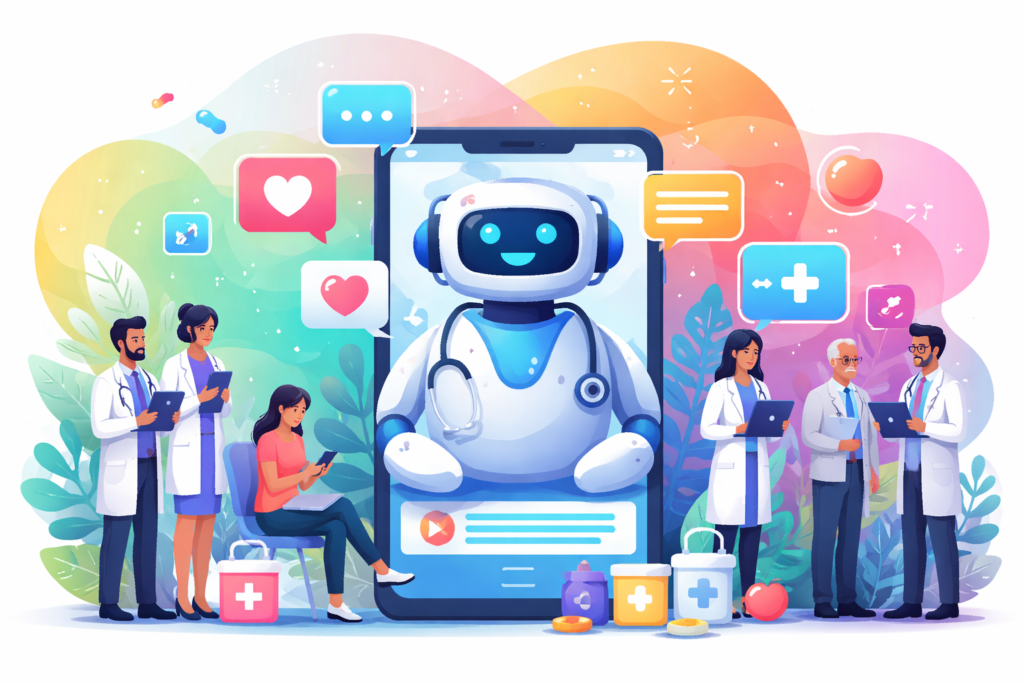
Implementing healthcare chatbots requires careful planning, collaboration, and continuous evaluation. Healthcare organizations must begin by identifying specific operational challenges that chatbot technology can address. These challenges may include high call volumes, appointment scheduling delays, or patient communication gaps. Defining clear objectives ensures chatbot implementation aligns with organizational goals.
Selecting the right chatbot platform is another critical step in successful deployment. Healthcare organizations should evaluate platforms based on scalability, integration capabilities, and security features. A reliable platform ensures the chatbot can handle increasing patient interactions without compromising performance. Integration with existing healthcare systems enhances functionality and enables seamless data sharing.
Training staff and monitoring chatbot performance are essential for long-term success. Healthcare professionals should understand how to interact with chatbot systems and interpret collected data effectively. Continuous testing and updates ensure chatbot responses remain accurate and relevant. By adopting a structured implementation strategy, healthcare organizations can achieve sustainable improvements in efficiency, patient satisfaction, and service delivery.
Common Mistakes to Avoid When Implementing Healthcare Chatbots
One of the most common mistakes healthcare organizations make is deploying chatbots without clearly defined objectives. Without specific goals, chatbot implementations often fail to address real operational challenges. Organizations should conduct detailed workflow analysis to identify areas where automation can provide measurable improvements.
Another frequent mistake is neglecting user experience design. Healthcare chatbots must be intuitive, easy to navigate, and capable of understanding natural language. Poorly designed interfaces lead to patient frustration and reduced adoption rates. Ensuring user-friendly conversational flows improves engagement and enhances satisfaction levels.
Ignoring data security requirements is another critical mistake. Healthcare systems handle sensitive information that requires strong protection measures. Failure to implement encryption, authentication, and compliance controls can result in data breaches and legal consequences. Organizations must prioritize security throughout the development and deployment process to maintain trust and reliability.
Best Practices Summary for Healthcare Chatbot Success
Successful healthcare chatbot implementation depends on following proven best practices that ensure reliability, usability, and long-term effectiveness. One key best practice is designing chatbot workflows around real patient needs. Understanding patient behavior helps create conversational paths that deliver relevant and accurate information quickly.
Another important best practice is continuous testing and improvement. Healthcare chatbots must evolve to reflect changing medical guidelines, patient expectations, and technological advancements. Regular performance reviews allow organizations to identify gaps and update chatbot functionality accordingly. Maintaining updated content ensures chatbot responses remain accurate and trustworthy.
Collaboration between healthcare professionals and technology teams is also essential. Medical expertise ensures chatbot responses align with clinical standards, while technical teams handle system integration and maintenance. By combining expertise from multiple disciplines, healthcare organizations can create chatbot systems that deliver reliable, secure, and efficient healthcare services.
FAQs
1. What is a healthcare chatbot used for?
A healthcare chatbot is used to automate patient communication, schedule appointments, provide medical information, send reminders, and support administrative workflows. These functions improve efficiency while reducing workload for healthcare staff.
2. Are healthcare chatbots safe for handling patient data?
Yes, healthcare chatbots are safe when designed with encryption, secure authentication, and compliance frameworks. Security standards ensure patient information remains confidential and protected from unauthorized access.
3. Can healthcare chatbots replace medical professionals?
No, healthcare chatbots are designed to assist healthcare professionals, not replace them. They handle administrative and informational tasks while medical professionals focus on diagnosis and treatment.
4. How do healthcare chatbots improve patient engagement?
Healthcare chatbots improve engagement by providing instant responses, sending reminders, and delivering personalized communication. These features encourage patients to remain involved in their healthcare journey.
5. What technologies power healthcare chatbots?
Healthcare chatbots rely on artificial intelligence, natural language processing, machine learning, and integration systems that connect to healthcare databases and platforms.
6. How long does it take to implement a healthcare chatbot?
Implementation timelines vary depending on complexity, integration requirements, and customization needs. Basic chatbot deployments may take weeks, while advanced systems may require several months.
7. Can healthcare chatbots integrate with existing systems?
Yes, modern healthcare chatbots integrate with electronic health records, scheduling systems, telemedicine platforms, and patient portals to create unified healthcare environments.
8. What are the long-term benefits of healthcare chatbots?
Long-term benefits include improved efficiency, reduced operational costs, enhanced patient satisfaction, and better healthcare delivery through automation and data-driven insights.
Conclusion
Healthcare chatbots have become essential tools for modern healthcare organizations seeking to improve efficiency, enhance patient experiences, and support digital transformation initiatives. By automating routine tasks, improving communication, and enabling real-time support, chatbot technology delivers measurable benefits across healthcare systems. Organizations that invest in secure, scalable chatbot solutions position themselves for long-term success in an increasingly digital healthcare environment.
At Chattbotz, healthcare chatbot solutions are designed to meet the evolving needs of medical providers while maintaining high standards of security, usability, and performance. By adopting advanced chatbot technology, healthcare organizations can transform patient interactions, optimize workflows, and deliver better healthcare outcomes in a rapidly changing industry.
Want to Implement This Easily?
Prompt Text:
You are an expert consultant. Based on the blog post titled “Healthcare Chatbot”, provide a step-by-step, practical implementation guide. Include tools, best practices, common mistakes to avoid, and advanced tips. Assume the reader wants to implement everything discussed in this article effectively.
Call to Action:
Want our help implementing this? Just reach out to us via our website contact form:
https://chattbotz.com/contact-us/