
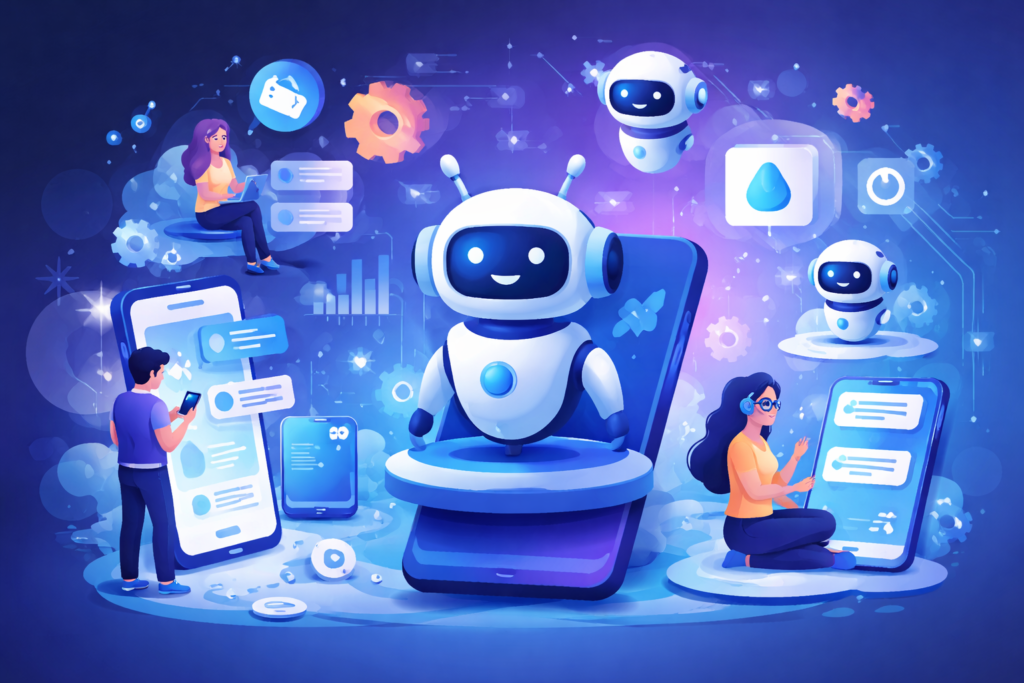
Chatbots have rapidly evolved from simple automated responders to sophisticated conversational agents capable of understanding, processing, and responding to human language with remarkable accuracy. As businesses seek more meaningful ways to engage users, the design of chatbots has become critical to delivering exceptional user experiences. A well-designed chatbot can improve customer satisfaction, drive conversions, and enhance brand trust, while poor design can frustrate users, damage credibility, and even impact search engine rankings. This guide dives deep into designing chatbots effectively, incorporating Google’s UX guidelines, AI ethics, conversational principles, accessibility, and measurable performance metrics. Whether you are a UX designer, product manager, or business owner, understanding these principles is essential for creating chatbots that truly resonate with users.
Introduction
In today’s digital landscape, businesses rely on chatbots to provide instant, personalized interactions with customers. However, simply deploying a chatbot is no longer sufficient. The key lies in designing chatbots that are intuitive, human-like, and aligned with user expectations. At Chattbotz, we emphasize the importance of design in crafting chatbots that not only respond accurately but also enhance the overall user experience. From conversation flow to visual design and accessibility, every aspect of a chatbot’s interface plays a role in user satisfaction and business success. This blog post explores the foundational principles of chatbot design, backed by insights from Google, IBM, Microsoft, and Nielsen Norman Group, ensuring you implement strategies that are both user-friendly and SEO-effective.
What Is a Design Chatbot?
A design chatbot is more than just an automated responder; it is a carefully crafted digital assistant designed to interact naturally with users while fulfilling specific business goals. Unlike basic chatbots that follow rigid scripts, design chatbots are developed using conversational UX principles, artificial intelligence (AI), and user-centered design practices to create seamless interactions.
The core purpose of a design chatbot is to reduce friction in user interactions. This involves anticipating user needs, delivering contextually relevant responses, and ensuring that users can accomplish tasks efficiently. Design chatbots may handle customer support, e-commerce inquiries, lead generation, or internal business processes, all while maintaining a conversational tone that aligns with the brand’s voice.
Key elements that define a design chatbot include:
- Conversational flow: Natural, coherent, and easy-to-follow dialogues.
- Personality: Reflects the brand while remaining professional and approachable.
- Context awareness: Remembers prior interactions and responds intelligently.
- Accessibility: Designed for all users, including those with disabilities.
Incorporating these elements ensures that your chatbot not only performs tasks effectively but also provides a delightful user experience, which Google increasingly rewards in search rankings. Understanding what makes a chatbot “well-designed” is the foundation for all further strategies discussed in this guide.
Why Design Chatbots Matter in Modern UX
In modern user experience (UX) design, chatbots play a pivotal role in enhancing engagement and streamlining communication. Users today expect instant solutions and personalized experiences, and poorly designed chatbots can frustrate them, resulting in lost trust and decreased conversions.
The importance of design chatbots lies in their ability to bridge the gap between automation and human interaction. While AI can automate repetitive tasks, it is thoughtful design that ensures these interactions feel natural and human-like. For example, the tone, timing, and structure of responses can either encourage a user to continue the conversation or cause abandonment.
From a UX perspective, chatbots should prioritize efficiency, clarity, and predictability. Users should easily understand what the chatbot can do, navigate options without confusion, and receive accurate responses quickly. When combined with intuitive visual design elements, such as buttons, menus, and feedback animations, chatbots become more engaging and easier to use.
Moreover, design chatbots are increasingly recognized in SEO and digital marketing strategies. Google’s helpful content and UX-centric algorithms favor websites that provide clear, valuable, and interactive experiences, meaning that a well-designed chatbot can indirectly improve search rankings. By prioritizing the user’s needs and crafting conversational flows that solve problems efficiently, businesses can enhance both UX and SEO simultaneously.
Conversational UX vs Traditional UI
Conversational UX represents a shift in how users interact with digital products. Unlike traditional user interfaces (UI), which rely on menus, buttons, and static forms, conversational UX emphasizes dialogue, context, and natural language. Chatbots designed with conversational UX principles enable users to express intent in their own words, making interactions more intuitive and human-like.
Traditional UI often requires users to adapt to the system: navigating fixed structures, remembering multiple steps, and interpreting visual hierarchies. In contrast, conversational UX allows the system to adapt to the user, understanding context and intent to provide relevant responses. This adaptability improves user satisfaction, reduces errors, and enhances efficiency.
Key distinctions between conversational UX and traditional UI include:
- Input Flexibility: Users can type or speak naturally rather than clicking through menus.
- Context Awareness: Conversational UX remembers previous interactions and maintains coherence.
- Adaptive Guidance: Chatbots can proactively guide users, whereas traditional UI is passive.
- Engagement: Dialogue encourages continued interaction and emotional connection with the brand.
For businesses, adopting conversational UX means more than adding a chatbot. It involves rethinking processes, understanding user intent, and designing adaptive interactions that feel natural. Companies that fail to embrace conversational UX risk frustrating users with rigid interfaces that don’t meet modern expectations. In digital marketing terms, conversational UX also supports engagement metrics—like session duration and interaction depth—which can indirectly influence search visibility and user retention.
Psychology Behind Chatbot Design
Understanding the psychology of chatbot design is essential for creating meaningful and engaging interactions. Users approach chatbots with expectations shaped by human communication patterns, cognitive load limits, and emotional responses. A chatbot that ignores these psychological factors risks frustrating users or breaking trust.
One key principle is cognitive fluency—users prefer interactions that are easy to process. Chatbots should provide clear prompts, avoid complex language, and maintain consistent response patterns. Visual cues, such as typing indicators or confirmation messages, help reduce uncertainty and reinforce a sense of reliability.
Another factor is emotional design. Chatbots can simulate empathy, humor, or encouragement through tone and phrasing, making interactions feel more human and less mechanical. Research from IBM and Microsoft emphasizes that emotional intelligence in chatbots significantly increases user engagement and satisfaction.
Additionally, behavioral triggers such as prompts, nudges, and feedback loops can influence user decisions and encourage task completion. For example, a chatbot that recognizes hesitation in a purchase flow can offer helpful suggestions or reminders, reducing cart abandonment.
By integrating psychological principles, businesses can create chatbots that feel intuitive, trustworthy, and engaging, resulting in higher interaction rates, improved customer satisfaction, and stronger brand loyalty. This alignment of design and human psychology is what separates effective chatbots from ineffective, frustrating ones.
Google UX & Helpful Content Principles for Chatbots
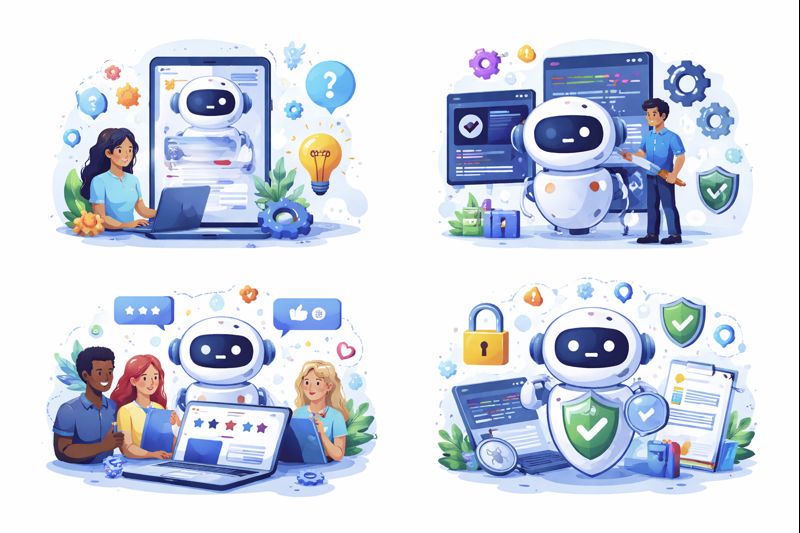
Google’s search algorithms increasingly prioritize websites that deliver high-quality, helpful content and excellent user experiences. When it comes to chatbots, this means designing conversational agents that are intuitive, informative, and genuinely assist users. A chatbot that aligns with Google UX principles can enhance both user engagement and search visibility, demonstrating the website’s value and trustworthiness.
The Helpful Content Principle encourages chatbots to provide meaningful answers rather than generic or keyword-stuffed responses. For instance, if a user asks a specific question, the chatbot should deliver a clear, contextually relevant solution instead of generic guidance. This approach not only improves user satisfaction but also reduces bounce rates—a key metric for SEO.
From a UX perspective, chatbots should be:
- Transparent: Clearly communicate capabilities and limitations.
- Contextually Aware: Understand the user’s intent and previous interactions.
- Consistent: Maintain consistent tone, style, and interface elements.
- Accessible: Comply with WCAG standards for users with disabilities.
Incorporating these principles into chatbot design also aligns with Google’s Search Quality Evaluator Guidelines, which emphasize E-E-A-T (Experience, Expertise, Authoritativeness, Trustworthiness). Chatbots that provide accurate, user-centered assistance can indirectly enhance a site’s search rankings while offering a frictionless conversational experience.
Ultimately, integrating Google’s helpful content and UX guidelines ensures your chatbot is not just functional but strategically optimized for both users and search engines, creating measurable business value.
Chatbot Information Architecture
The information architecture (IA) of a chatbot determines how content, options, and responses are structured for the user. A well-designed IA ensures that users can find what they need efficiently, minimizing confusion and enhancing overall satisfaction. Unlike traditional websites where IA focuses on menus and navigation, chatbot IA revolves around conversational flows, intent recognition, and dialogue pathways.
A strong chatbot IA includes:
- Clear Intent Mapping: Defining user goals and corresponding chatbot responses.
- Structured Conversation Flows: Designing dialogues that are logical, natural, and easy to follow.
- Fallback Options: Handling unrecognized inputs gracefully without frustrating the user.
- Multimodal Support: Integrating buttons, quick replies, and text inputs to guide interactions.
By implementing a clear IA, chatbots can reduce cognitive load, provide more accurate responses, and maintain a natural dialogue. For example, guiding users through a troubleshooting flow step-by-step ensures they complete tasks efficiently, while strategic use of buttons or suggested prompts prevents frustration.
From a business perspective, a well-structured chatbot IA improves conversion rates, customer retention, and engagement metrics, while also supporting SEO by reducing bounce rates and improving the overall digital experience. A solid IA lays the foundation for advanced conversational AI design, enabling the chatbot to scale and adapt to new functionalities over time.
Designing Natural Language Conversations
Designing natural language conversations is central to creating chatbots that feel human-like and intuitive. Unlike rigid scripted interactions, natural language design allows chatbots to understand user intent, respond contextually, and handle diverse phrasing. This design principle ensures that users can communicate in their own words, increasing satisfaction and reducing frustration.
Key strategies for natural language conversation design include:
- Intent Recognition: Using AI to interpret user input and map it to appropriate responses.
- Entity Extraction: Identifying critical information from user queries, such as dates, locations, or product names.
- Dialogue Management: Maintaining context across multiple turns to ensure coherent interactions.
- Fallback Handling: Gracefully guiding users when input is unclear.
By focusing on natural language, businesses can design chatbots that adapt to user behavior, offering relevant suggestions and creating engaging experiences. Natural conversation design also impacts SEO indirectly, as Google rewards sites that provide helpful, interactive content aligned with user needs.
Visual Design Elements in Chatbots
The visual design of a chatbot greatly influences usability, engagement, and user perception. Visual cues, such as icons, avatars, buttons, and card layouts, enhance comprehension and guide interactions effectively. Good visual design ensures users understand available options quickly and feel confident navigating the conversation.
Key considerations include:
- Brand Consistency: Colors, fonts, and style should reflect the brand identity.
- Interactive Elements: Buttons, carousels, and quick replies simplify navigation.
- Feedback Indicators: Typing indicators, read receipts, and animations improve perceived responsiveness.
- Minimal Clutter: Avoid overwhelming users with too much information at once.
Effective visual design not only improves usability but also reduces cognitive load, increasing the likelihood that users complete tasks efficiently. Combined with natural language conversation, visual design transforms chatbots into engaging and intuitive digital assistants.
Accessibility & Inclusive Chatbot Design
Accessibility and inclusivity are crucial in modern chatbot design. Designing chatbots that are usable by people with disabilities or differing abilities ensures broader reach and compliance with standards like WCAG (Web Content Accessibility Guidelines). Accessible chatbots consider users with visual, auditory, cognitive, and motor challenges, providing an equitable digital experience.
Best practices include:
- Screen Reader Compatibility: Ensure all messages and interactive elements can be interpreted by assistive technologies.
- Keyboard Navigation: Allow users to navigate chatbots without a mouse or touch input.
- Readable Language: Use clear, simple language to accommodate cognitive differences.
- Color Contrast & Visibility: Ensure visual cues are perceivable by users with visual impairments.
Inclusive chatbot design not only enhances usability but also demonstrates a commitment to social responsibility. Businesses benefit from higher user engagement, stronger trust, and compliance with accessibility regulations, while search engines recognize the value of accessible, helpful content.
AI Ethics & Responsible Design
AI ethics is a critical consideration when designing chatbots, ensuring that automation does not inadvertently harm users or compromise trust. Responsible chatbot design involves transparency, privacy protection, and fairness in interactions. Users should be aware they are interacting with AI, and sensitive data must be handled securely.
Key ethical principles include:
- Transparency: Clearly disclose that the user is communicating with a bot.
- Data Privacy: Avoid storing or misusing personal information.
- Bias Mitigation: Ensure AI responses are fair and non-discriminatory.
- User Autonomy: Give users control to escalate to human support when needed.
Ethical design enhances user trust, prevents reputational risks, and aligns with modern regulatory frameworks. Moreover, Google favors websites and tools that are trustworthy, secure, and user-focused, making responsible chatbot design a critical factor for both UX and SEO.
Multilingual & Cultural Design Considerations
In today’s globalized digital landscape, chatbots must support multilingual users and adapt to cultural differences. A well-designed chatbot not only translates language but also interprets context, idioms, and cultural nuances to deliver meaningful interactions. This ensures inclusivity and enhances engagement across diverse audiences.
Key considerations for multilingual chatbot design include:
- Accurate Language Detection: Automatically detect the user’s language and adapt responses accordingly.
- Localized Content: Tailor responses to cultural norms, regional spelling, and local context.
- Right-to-Left Language Support: For languages like Arabic or Hebrew, interface layout must adapt appropriately.
- Date, Currency, and Format Adaptation: Display information in a format familiar to the user.
Cultural and linguistic sensitivity increases trust, reduces misunderstandings, and enhances the overall user experience. Additionally, Google favors content and interfaces that cater to regional relevance, indirectly boosting SEO for multilingual websites.
Performance, Speed & Interaction Flow
Performance is a critical factor in chatbot UX. Slow responses or laggy interactions frustrate users and can lead to abandonment. A high-performing chatbot delivers instantaneous, seamless responses, supporting a smooth conversational flow that keeps users engaged.
Key strategies for performance optimization include:
- Server Efficiency: Use scalable infrastructure to handle multiple concurrent users.
- Minimized Latency: Optimize backend processing to reduce response times.
- Predefined Quick Replies: Reduce typing effort and accelerate decision-making.
- Flow Optimization: Map interactions logically to prevent unnecessary back-and-forth.
Efficient performance not only improves UX but also influences SEO signals like dwell time and user satisfaction. Chatbots that respond quickly and guide users naturally contribute to higher engagement metrics, brand trust, and measurable business outcomes.
Testing & Optimization for Chatbot UX
Testing and optimization are essential for refining chatbot interactions and ensuring high-quality user experiences. Continuous evaluation helps identify issues in dialogue flows, response accuracy, and user satisfaction.
Key testing methods include:
- A/B Testing: Compare alternative conversation designs to determine which performs better.
- User Testing: Gather feedback from real users to identify friction points and confusion.
- Analytics Monitoring: Track engagement metrics, drop-offs, and conversion rates.
- Error Handling Analysis: Review failed interactions to improve intent recognition and fallback strategies.
Optimization is an ongoing process. By iteratively refining conversation flows, tone, and response accuracy, businesses can enhance user engagement, satisfaction, and SEO performance, ensuring the chatbot evolves alongside user needs.
Chatbot Design Mistakes That Hurt SEO
Even a technically advanced chatbot can negatively impact SEO if design mistakes occur. Poorly designed chatbots may frustrate users, reduce time on site, or create content that Google deems unhelpful.
Common mistakes include:
- Unclear Purpose: Chatbots without clear functionality confuse users and increase bounce rates.
- Keyword Stuffing Responses: Over-optimizing chatbot content can be flagged as low-quality by Google.
- Slow Response Times: Laggy interactions frustrate users and reduce engagement signals.
- Ignoring Accessibility: Non-inclusive design limits reach and violates WCAG standards.
Avoiding these pitfalls ensures that chatbots enhance rather than harm SEO, providing both a great user experience and long-term search engine benefits. Proper design, testing, and optimization keep the chatbot both user-friendly and Google-friendly.
Future Trends in Design Chatbots

The field of design chatbots is rapidly evolving, influenced by advancements in AI, NLP, and human-computer interaction. Future chatbots will focus on hyper-personalization, emotional intelligence, and seamless integration across platforms.
Key trends to watch include:
- Voice-Activated Chatbots: With smart speakers and voice assistants on the rise, conversational interfaces will increasingly rely on speech recognition and natural voice interactions.
- AI-Powered Personalization: Chatbots will analyze user behavior, preferences, and context to deliver tailored responses and proactive recommendations.
- Multimodal Interfaces: Integration of text, voice, images, and video to create richer, more engaging experiences.
- Emotionally Intelligent Bots: AI models capable of detecting sentiment and adapting tone to suit the user’s emotional state.
- Cross-Platform Continuity: Users will expect conversations to continue seamlessly across devices and channels.
By staying ahead of these trends, businesses can ensure their chatbots remain competitive, user-friendly, and aligned with evolving UX expectations, while also benefiting SEO through engaging, helpful, and innovative digital experiences.
Measuring Success: UX & Business Metrics
Measuring the effectiveness of chatbot design involves evaluating both UX and business metrics. Tracking these metrics ensures chatbots deliver value and evolve with user needs.
Key metrics include:
- Engagement Rate: Measures the percentage of users interacting with the chatbot.
- Task Completion Rate: Tracks how effectively the chatbot helps users achieve their goals.
- Response Accuracy: Evaluates the correctness of answers provided.
- User Satisfaction (CSAT/NPS): Collects feedback on user experience.
- Conversion Metrics: Monitors leads generated, purchases, or other desired actions.
Regular analysis allows businesses to identify gaps, optimize flows, and improve both UX and SEO performance, ensuring that chatbots remain effective, relevant, and aligned with strategic goals.
Common Design Mistakes
Even experienced designers can fall into common pitfalls when creating chatbots. Avoid these mistakes to ensure optimal UX and SEO:
- Overloading Users: Offering too many options at once increases cognitive load.
- Ignoring Context: Failing to remember previous interactions frustrates users.
- Inconsistent Tone: Switching tone or style reduces trust and engagement.
- Neglecting Accessibility: Excluding users with disabilities limits reach and compliance.
- Skipping Testing: Launching without user testing can lead to errors, misinterpretation, and low engagement.
By being mindful of these errors, designers can craft chatbots that are effective, inclusive, and user-friendly, ultimately improving both business outcomes and search engine visibility.
FAQs
Q1: What is a design chatbot?
A design chatbot is a conversational AI agent crafted with UX, accessibility, and context-aware principles to provide natural and engaging interactions.
Q2: How does chatbot design impact SEO?
Poorly designed chatbots can frustrate users, increase bounce rates, and reduce engagement metrics. Well-designed bots enhance user experience, indirectly improving SEO.
Q3: What are the key elements of chatbot UX?
Important elements include conversational flow, natural language processing, visual design, accessibility, and contextual intelligence.
Q4: How do I make a chatbot accessible?
Ensure compatibility with screen readers, provide keyboard navigation, maintain color contrast, and use clear language, following WCAG standards.
Q5: Can chatbots handle multiple languages?
Yes, multilingual chatbots detect user language, adapt content, and localize responses to ensure inclusive communication.
Q6: How do I measure chatbot success?
Metrics include engagement rate, task completion, response accuracy, user satisfaction (CSAT/NPS), and conversion metrics.
Q7: What are common mistakes in chatbot design?
Mistakes include ignoring context, inconsistent tone, overloading users, neglecting accessibility, and skipping testing.
Q8: How do AI ethics affect chatbot design?
AI ethics ensures transparency, privacy, fairness, and user autonomy, building trust and preventing misuse or bias.
Q9: Why is natural language design important?
It allows users to communicate in their own words, enhancing usability, engagement, and overall satisfaction.
Q10: What future trends should I watch in chatbot design?
Trends include voice-activated interfaces, AI-powered personalization, multimodal experiences, emotionally intelligent bots, and cross-platform continuity.
Conclusion
Designing chatbots that are user-friendly, inclusive, and effective is no longer optional—it’s essential for modern businesses seeking to improve engagement, conversions, and brand loyalty. By following principles such as natural language conversation, visual clarity, accessibility, and ethical AI practices, organizations can create chatbots that delight users and align with Google’s helpful content and UX guidelines.
At Chattbotz, we believe that thoughtful chatbot design bridges the gap between automation and human interaction, delivering value to users while supporting measurable business outcomes. Staying informed about trends, testing rigorously, and continuously optimizing ensures that chatbots remain both innovative and impactful in the ever-evolving digital landscape.