
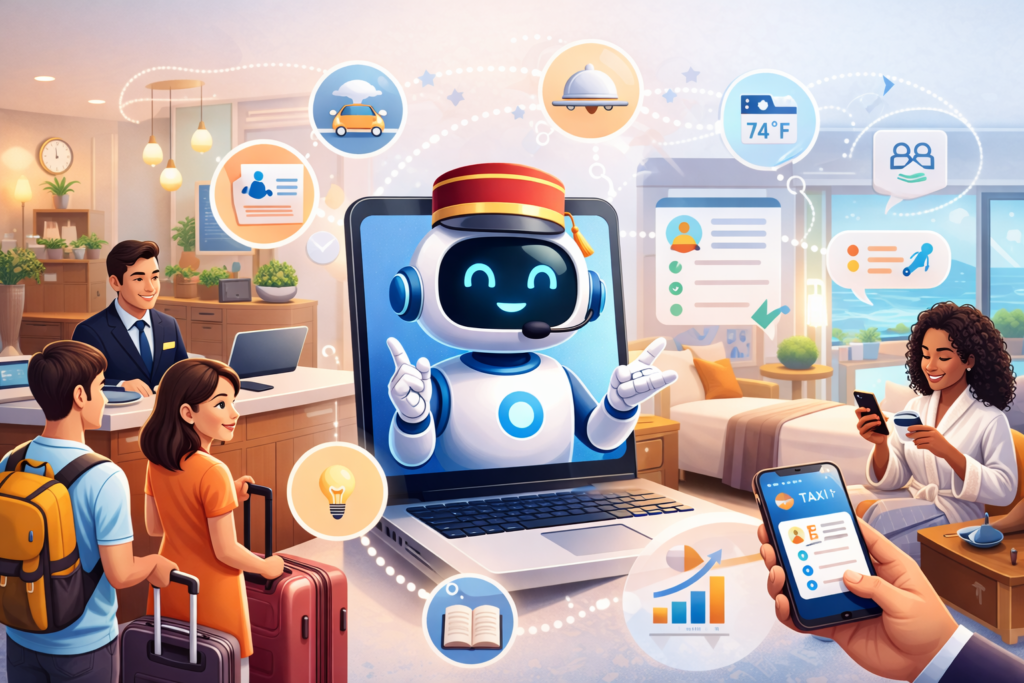
Hotel Chatbot solutions are transforming the hospitality industry by automating bookings, enhancing guest experience, and increasing revenue. Discover how AI-powered hotel chatbots improve operations, boost direct bookings, and deliver 24/7 customer support.
Introduction: The Future of Hospitality with Smart Automation
The hospitality industry is evolving rapidly, driven by changing customer expectations and the need for seamless digital experiences. Today’s travelers demand instant responses, personalized services, and frictionless booking journeys. This is where Hotel Chatbot technology comes into play, acting as a powerful bridge between hotels and modern guests. By leveraging artificial intelligence and automation, chatbots are redefining how hotels interact with customers at every stage of their journey.
A hotel chatbot is an AI-powered virtual assistant designed to handle guest inquiries, manage bookings, provide recommendations, and offer support around the clock. Unlike traditional customer service methods, chatbots can simultaneously assist multiple users without delays. This leads to improved efficiency, reduced operational costs, and enhanced guest satisfaction. From answering FAQs to upselling premium services, chatbots are becoming an indispensable tool in the hospitality ecosystem.
At Chattbotz, the focus is on delivering advanced chatbot solutions tailored for hotels seeking to modernize their operations. Whether it’s a boutique hotel or a large chain, implementing a smart chatbot can dramatically improve customer engagement and streamline workflows. As we explore this comprehensive guide, you’ll discover how hotel chatbots work, their benefits, best practices, and how to successfully implement them.
What is a Hotel Chatbot and How Does It Work?
A Hotel Chatbot is an AI-driven conversational interface that interacts with guests through messaging platforms, websites, and mobile apps. It uses technologies like Natural Language Processing (NLP) and machine learning to understand user queries and provide relevant responses. These bots can operate on platforms such as websites, Facebook Messenger, WhatsApp, and hotel mobile apps, ensuring accessibility wherever guests prefer to communicate.
The core functionality of a hotel chatbot revolves around understanding intent and delivering accurate responses. When a guest asks about room availability, pricing, or amenities, the chatbot processes the request, retrieves relevant data from the hotel’s system, and responds instantly. Advanced chatbots can also integrate with property management systems (PMS) and customer relationship management (CRM) tools, allowing them to perform actions such as booking rooms, modifying reservations, and sending confirmations.
Modern hotel chatbots go beyond simple question-and-answer interactions. They can personalize conversations based on user behavior, preferences, and past bookings. For example, if a returning guest frequently books deluxe rooms, the chatbot can suggest similar options proactively. This level of personalization enhances the guest experience while increasing the likelihood of conversions and upselling opportunities.
Why Hotel Chatbots Are Essential in 2026 and Beyond
The hospitality landscape in 2026 is more competitive than ever, with digital transformation at its core. Guests now expect immediate responses and personalized service, regardless of the time or location. A Hotel Chatbot meets these expectations by providing 24/7 assistance, ensuring no customer query goes unanswered. This continuous availability significantly improves customer satisfaction and brand reputation.
Another key factor driving chatbot adoption is the rise of mobile-first interactions. Travelers increasingly rely on smartphones to research, book, and manage their stays. Chatbots seamlessly integrate into mobile platforms, offering a convenient and user-friendly experience. Instead of navigating complex websites or waiting on hold, guests can simply chat with a bot to get instant assistance.
Cost efficiency is also a major advantage. Hiring and training customer service staff can be expensive, especially for hotels operating around the clock. Chatbots reduce this burden by automating repetitive tasks, allowing human staff to focus on high-value interactions. This not only lowers operational costs but also improves overall productivity and service quality.
Key Features of an Effective Hotel Chatbot
An effective Hotel Chatbot is equipped with a range of features designed to enhance both guest experience and operational efficiency. One of the most important features is instant response capability, which ensures guests receive immediate answers to their queries. This eliminates frustration and keeps potential customers engaged throughout the booking process.
Another critical feature is multi-language support. Hotels cater to international travelers, making it essential for chatbots to communicate in multiple languages. This inclusivity not only broadens the hotel’s reach but also creates a more welcoming experience for guests from different regions. Additionally, chatbots with voice recognition capabilities can further enhance accessibility.
Integration capabilities are equally important. A high-quality chatbot should seamlessly connect with booking engines, PMS, CRM systems, and payment gateways. This allows it to handle complex tasks such as processing reservations, sending confirmations, and managing cancellations. Advanced analytics and reporting features also enable hotels to track performance, understand customer behavior, and continuously optimize their chatbot strategies.
Benefits of Hotel Chatbots for Guest Experience
Guest experience is the cornerstone of success in the hospitality industry, and a Hotel Chatbot plays a pivotal role in enhancing it. One of the most significant benefits is instant communication. Guests no longer need to wait for email responses or spend time on phone calls; they can get answers within seconds, improving overall satisfaction.
Personalization is another major advantage. Chatbots can analyze user data to provide tailored recommendations, such as suggesting room upgrades, spa services, or local attractions. This creates a more engaging and memorable experience for guests, making them more likely to return in the future.
Additionally, chatbots contribute to a seamless journey from booking to check-out. They can send reminders, provide check-in instructions, and even handle post-stay feedback. By maintaining consistent communication throughout the guest journey, hotels can build stronger relationships and foster long-term loyalty.
Increasing Direct Bookings with Hotel Chatbots
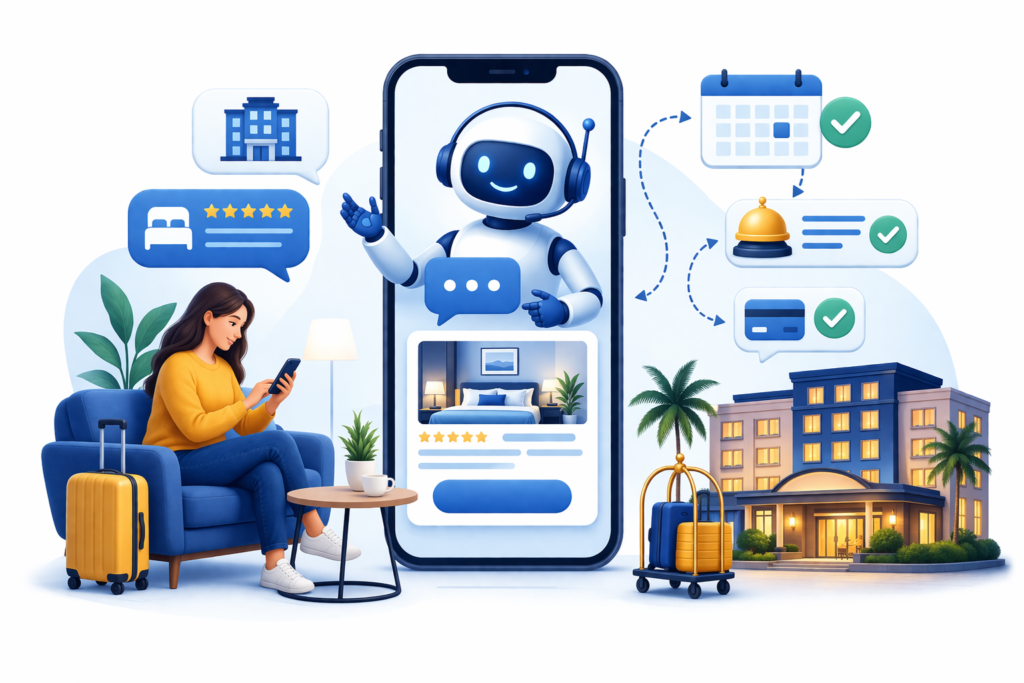
One of the biggest challenges hotels face is dependency on third-party booking platforms. A Hotel Chatbot can help overcome this by driving more direct bookings through the hotel’s website and communication channels. By engaging visitors in real-time, chatbots can guide them through the booking process and address any concerns instantly.
Chatbots also enable personalized offers and promotions. For example, if a user shows interest in a particular room type, the chatbot can offer a limited-time discount or package deal to encourage booking. This targeted approach increases conversion rates and reduces cart abandonment.
Moreover, chatbots can capture leads from website visitors who are not ready to book immediately. By collecting contact information and following up with personalized messages, hotels can nurture these leads and convert them into paying customers over time. This proactive engagement strategy significantly boosts revenue and reduces reliance on intermediaries.
Enhancing Customer Support with AI Automation
Customer support is a critical aspect of hospitality, and a Hotel Chatbot revolutionizes it through automation. Traditional support methods often involve long wait times and limited availability, which can frustrate guests. Chatbots eliminate these issues by providing instant, round-the-clock assistance.
They can handle a wide range of queries, from basic FAQs to complex booking-related issues. For instance, guests can ask about check-in times, cancellation policies, or available amenities, and the chatbot will provide accurate responses instantly. This reduces the workload on human staff and ensures consistent service quality.
In addition to handling queries, chatbots can proactively assist guests by sending reminders, updates, and notifications. For example, they can notify guests about upcoming reservations, special offers, or changes in booking details. This proactive approach enhances communication and ensures a smooth and stress-free experience for guests.
Personalization and Guest Engagement Strategies
Personalization is a key differentiator in the hospitality industry, and a Hotel Chatbot excels in delivering tailored experiences. By analyzing user data such as browsing behavior, past bookings, and preferences, chatbots can create highly personalized interactions that resonate with guests.
For example, a chatbot can greet returning guests by name and suggest services based on their previous stays. If a guest frequently books spa treatments, the chatbot can highlight relevant offers and packages. This level of personalization not only enhances the guest experience but also increases the likelihood of upselling and cross-selling.
Engagement is another crucial aspect. Chatbots can initiate conversations with website visitors, ask relevant questions, and guide them through their journey. Interactive features such as quizzes, recommendations, and instant booking options keep users engaged and encourage them to take action. This dynamic interaction significantly improves conversion rates and customer satisfaction.
Integrating Hotel Chatbots with Booking Systems
Integration is a vital component of a successful Hotel Chatbot implementation. By connecting the chatbot with booking systems, property management systems (PMS), and payment gateways, hotels can create a seamless and efficient workflow. This allows the chatbot to handle end-to-end booking processes without human intervention.
For instance, when a guest requests room availability, the chatbot can access real-time data from the PMS and provide accurate information. It can then guide the user through the booking process, collect necessary details, and process payments securely. This streamlined approach reduces friction and enhances the user experience.
Furthermore, integration with CRM systems enables chatbots to store and analyze customer data. This information can be used to personalize interactions, improve marketing strategies, and enhance overall service quality. By leveraging these integrations, hotels can maximize the potential of their chatbot solutions.
Multi-Channel Communication and Omnichannel Presence
In today’s digital landscape, guests interact with hotels through multiple channels, including websites, social media, and messaging apps. A Hotel Chatbot ensures a consistent and seamless experience across all these platforms by providing omnichannel support.
Whether a guest reaches out via WhatsApp, Facebook Messenger, or the hotel’s website, the chatbot can deliver the same level of service and information. This consistency is crucial for building trust and maintaining a strong brand image. It also ensures that guests can switch between channels without losing context.
Omnichannel chatbots also enable centralized management of customer interactions. Hotels can track conversations, analyze data, and optimize their strategies from a single dashboard. This unified approach improves efficiency and ensures that no customer query is overlooked.
Data Security, Privacy, and Compliance in Chatbots
Data security and privacy are critical considerations when implementing a Hotel Chatbot. Hotels handle sensitive customer information, including personal details and payment data, making it essential to ensure robust security measures. Chatbots must comply with global data protection standards and follow best practices to safeguard user information.
According to Google’s security guidelines, websites and applications should implement secure protocols such as HTTPS and encryption to protect data transmission. Ensuring secure integrations with payment gateways and booking systems is also crucial to prevent data breaches.
Transparency is another important aspect. Guests should be informed about how their data is collected, stored, and used. Providing clear privacy policies and obtaining user consent builds trust and enhances credibility. By prioritizing security and compliance, hotels can create a safe and reliable environment for their customers.
AI and Machine Learning Advancements in Hotel Chatbots
The evolution of Hotel Chatbot technology is deeply rooted in advancements in artificial intelligence and machine learning. These technologies enable chatbots to go beyond scripted responses and deliver intelligent, context-aware interactions. With Natural Language Processing (NLP), chatbots can understand user intent, sentiment, and even conversational nuances, making interactions feel more human-like and intuitive.
Machine learning allows chatbots to continuously improve over time. By analyzing past conversations and user behavior, the system learns what works and what doesn’t. For instance, if guests frequently ask about early check-ins, the chatbot can prioritize this information and respond more effectively in future interactions. This self-learning capability ensures that the chatbot becomes more accurate and efficient with every interaction.
Additionally, AI-powered chatbots can leverage predictive analytics to anticipate guest needs. For example, based on booking patterns, the chatbot can suggest upgrades, additional services, or personalized offers before the guest even asks. This proactive approach not only enhances user experience but also opens new revenue streams for hotels, making AI a powerful driver of growth in the hospitality sector.
Voice Assistants and the Future of Conversational Hospitality
Voice technology is rapidly transforming how users interact with digital systems, and it’s becoming an integral part of Hotel Chatbot solutions. With the rise of smart speakers and voice-enabled devices, guests can now interact with hotel services using simple voice commands. This adds a new layer of convenience and accessibility, especially for users who prefer hands-free interactions.
Voice-enabled chatbots can assist guests with tasks such as booking rooms, requesting services, or getting information about hotel amenities. For example, a guest can simply say, “Book me a deluxe room for tomorrow,” and the chatbot will handle the entire process. This seamless interaction enhances the guest experience and reduces the need for manual intervention.
Looking ahead, voice technology is expected to become even more sophisticated. Integration with in-room devices and IoT systems will allow guests to control lighting, temperature, and entertainment through voice commands. This creates a fully connected and personalized environment, setting new standards for convenience and innovation in the hospitality industry.
Measuring ROI and Performance of Hotel Chatbots
Implementing a Hotel Chatbot is a strategic investment, and measuring its return on investment (ROI) is crucial for long-term success. Hotels need to track key performance indicators (KPIs) such as response time, customer satisfaction, conversion rates, and cost savings to evaluate the effectiveness of their chatbot solutions.
One of the most significant metrics is conversion rate. By analyzing how many chatbot interactions lead to bookings, hotels can assess the direct impact on revenue. Additionally, metrics like average handling time and query resolution rate provide insights into operational efficiency and service quality.
Analytics tools play a vital role in this process. According to Google Analytics measurement best practices, businesses should track user behavior and engagement to optimize performance. By leveraging these insights, hotels can identify areas for improvement, refine their chatbot strategies, and maximize ROI.
Future Trends Shaping Hotel Chatbots
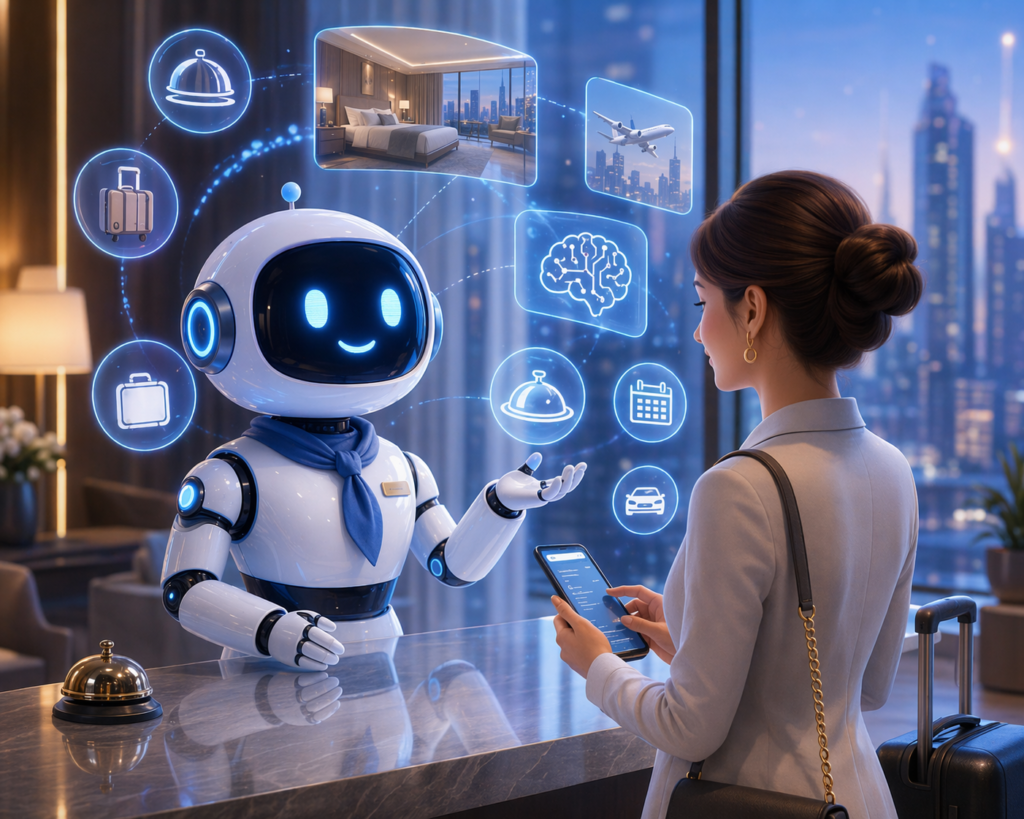
The future of Hotel Chatbot technology is filled with exciting possibilities. One of the most prominent trends is the integration of chatbots with augmented reality (AR) and virtual reality (VR). This allows guests to explore rooms, amenities, and nearby attractions through immersive experiences before making a booking decision.
Another emerging trend is hyper-personalization. With advancements in data analytics and AI, chatbots will be able to deliver even more tailored experiences. From personalized itineraries to customized room settings, the level of personalization will continue to evolve, creating unique and memorable experiences for each guest.
Sustainability is also becoming a key focus. Chatbots can help hotels promote eco-friendly practices by providing information about energy-saving initiatives, encouraging digital check-ins, and reducing paper usage. This aligns with the growing demand for sustainable travel and enhances the hotel’s brand image.
How to Successfully Implement a Hotel Chatbot
Implementing a Hotel Chatbot requires a strategic approach to ensure success. The first step is defining clear objectives. Whether the goal is to increase bookings, improve customer support, or enhance guest experience, having a clear vision helps guide the implementation process.
Choosing the right platform and technology is equally important. Hotels should select chatbot solutions that offer scalability, integration capabilities, and advanced features such as NLP and analytics. It’s also essential to ensure that the chatbot aligns with the hotel’s branding and communication style.
Testing and optimization are critical مراحل in the implementation process. Before launching the chatbot, thorough testing should be conducted to identify and fix any issues. Post-launch, continuous monitoring and optimization are necessary to improve performance and adapt to changing user needs. By following these steps, hotels can ensure a successful and impactful chatbot implementation.
Common Mistakes to Avoid When Using Hotel Chatbots
One of the most common mistakes hotels make is over-automation. While chatbots are powerful, relying entirely on them without human support can lead to poor customer experiences. Complex queries and sensitive issues still require human intervention, and failing to provide this option can frustrate guests.
Another mistake is lack of personalization. Generic responses can make interactions feel robotic and impersonal. Hotels should leverage data and AI capabilities to deliver tailored experiences that resonate with users. Personalization is key to building strong relationships and driving engagement.
Ignoring analytics and performance metrics is another critical error. Without tracking and analyzing data, hotels cannot identify areas for improvement or measure success. Regularly reviewing performance metrics and optimizing chatbot strategies is essential for achieving long-term results.
FAQs
1. What is a hotel chatbot?
A hotel chatbot is an AI-powered virtual assistant that interacts with guests, answers queries, manages bookings, and provides support through digital channels like websites and messaging apps.
2. How do hotel chatbots improve customer experience?
They provide instant responses, personalized recommendations, and 24/7 support, ensuring a seamless and convenient experience for guests.
3. Can a hotel chatbot handle bookings?
Yes, advanced chatbots can integrate with booking systems to manage reservations, process payments, and send confirmations.
4. Are hotel chatbots secure?
When implemented correctly with encryption and secure protocols, chatbots can safely handle user data and transactions.
5. Do chatbots replace human staff?
No, chatbots complement human staff by handling repetitive tasks, allowing employees to focus on complex and high-value interactions.
6. How much does it cost to implement a hotel chatbot?
Costs vary depending on features, integrations, and scale, but chatbots generally provide a high ROI by reducing operational costs and increasing bookings.
7. Can chatbots support multiple languages?
Yes, most modern chatbots offer multi-language support, making them ideal for international guests.
8. How do I measure chatbot success?
Success can be measured using KPIs such as conversion rates, customer satisfaction, response time, and cost savings.
Best Practices Summary for Hotel Chatbots
To maximize the effectiveness of a Hotel Chatbot, hotels should focus on delivering value-driven interactions. Start by ensuring that the chatbot is user-friendly, responsive, and capable of handling a wide range of queries. A well-designed chatbot should feel intuitive and natural, providing a seamless experience for users.
Personalization should be a top priority. By leveraging data and AI, hotels can create tailored experiences that resonate with guests and drive engagement. Additionally, integrating the chatbot with existing systems such as PMS and CRM enhances its functionality and efficiency.
Continuous optimization is essential for long-term success. Regularly analyze performance metrics, gather user feedback, and update the chatbot to address evolving needs. By following these best practices, hotels can unlock the full potential of chatbot technology and achieve sustainable growth.
Conclusion: Elevate Hospitality with Smart Chatbot Solutions
The adoption of Hotel Chatbot technology is no longer optional—it’s a necessity for staying competitive in the modern hospitality landscape. From enhancing guest experience to increasing direct bookings and reducing operational costs, chatbots offer a wide range of benefits that drive business success.
At Chattbotz, innovative chatbot solutions are designed to help hotels embrace digital transformation and deliver exceptional service. By implementing a well-structured chatbot strategy, hotels can streamline operations, improve customer engagement, and achieve long-term growth.
As technology continues to evolve, the role of chatbots in hospitality will only become more significant. Hotels that invest in this technology today will be better positioned to meet the demands of tomorrow’s travelers and stay ahead of the competition.
Want to Implement This Easily?
Prompt Text:
You are an expert consultant. Based on the blog post titled “(Hotel Chatbot)”, provide a step-by-step, practical implementation guide. Include tools, best practices, common mistakes to avoid, and advanced tips. Assume the reader wants to implement everything discussed in this article effectively.
Call to Action:
Want our help implementing this? Just reach out to us via our website contact form: https://chattbotz.com/contact-us/