
Discover how an Events & Conferences Chatbot transforms attendee engagement, automates event management, and boosts ROI with AI-driven personalization, real-time support, and seamless integrations.
Introduction
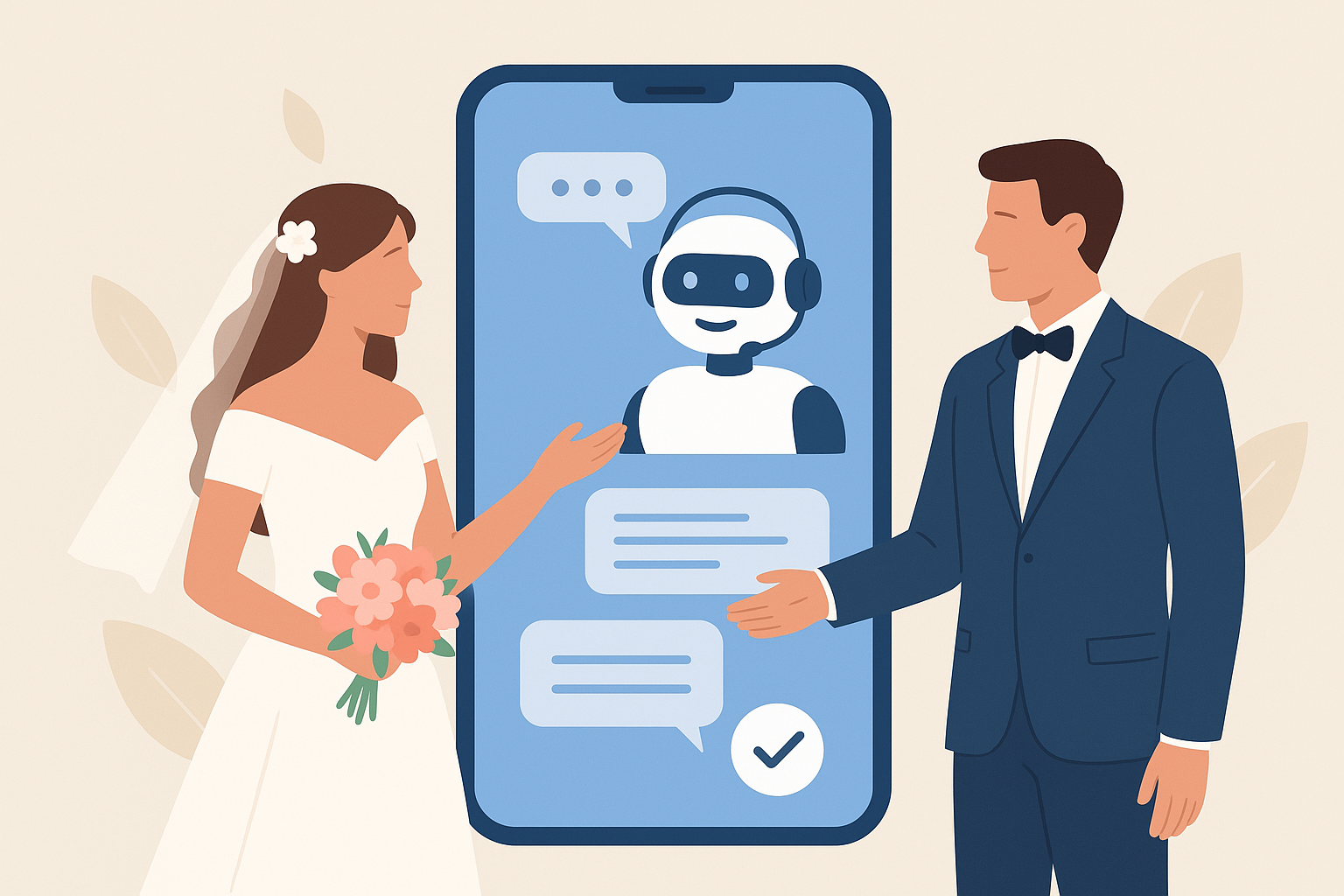
In today’s fast-paced digital world, events and conferences are no longer limited to physical venues or static schedules. Organizers must deliver interactive, personalized, and seamless experiences to meet rising attendee expectations. This is where an Events & Conferences Chatbot becomes a game-changer. These AI-powered assistants streamline communication, automate repetitive tasks, and provide instant support—creating a smarter and more engaging event ecosystem.
For businesses looking to scale their event operations, platforms like Chattbotz offer powerful chatbot solutions tailored for conferences, exhibitions, webinars, and corporate events. From pre-event marketing to post-event follow-ups, chatbots ensure continuous engagement at every stage of the attendee journey.
In this comprehensive guide, you will learn how event chatbots work, their benefits, implementation strategies, SEO and performance best practices, and how they align with modern digital transformation goals.
What Is an Events & Conferences Chatbot?
An Events & Conferences Chatbot is an AI-powered virtual assistant designed to handle event-related interactions automatically. It can answer attendee queries, provide schedules, assist with registrations, and deliver personalized recommendations in real time. Unlike traditional customer support systems, chatbots operate 24/7, ensuring that no attendee question goes unanswered.
These chatbots use Natural Language Processing (NLP) to understand and respond to human queries conversationally. By integrating with event management platforms, they can access real-time data such as session updates, speaker information, and venue details. This makes them highly effective for both virtual and in-person events.
From a technical standpoint, chatbots can be deployed across multiple channels, including websites, mobile apps, messaging platforms, and even social media. This omnichannel presence ensures consistent communication and enhances user experience across touchpoints.
Why Events Need Chatbots in the Digital Era
Modern events face several challenges, including managing large audiences, handling repetitive queries, and ensuring smooth communication. Chatbots address these challenges by providing instant, scalable, and accurate responses. This not only improves efficiency but also reduces operational costs significantly.
One of the key reasons chatbots are essential today is the demand for real-time interaction. Attendees expect immediate answers, whether they are looking for session timings or speaker details. A chatbot eliminates delays and enhances satisfaction by delivering instant support.
Additionally, chatbots contribute to data-driven decision-making. They collect valuable insights about attendee behavior, preferences, and engagement patterns. Event organizers can use this data to optimize future events, improve marketing strategies, and deliver more personalized experiences.
Key Features of an Events & Conferences Chatbot
An effective event chatbot comes equipped with a wide range of features designed to enhance user experience and streamline event management. One of the most important features is automated registration assistance, which simplifies the sign-up process and reduces drop-offs.
Another critical feature is real-time event updates. Chatbots can notify attendees about schedule changes, session reminders, and important announcements instantly. This ensures that participants stay informed and engaged throughout the event.
Personalization is also a major advantage. By analyzing user preferences, chatbots can recommend sessions, speakers, and networking opportunities tailored to individual interests. This level of customization significantly improves attendee satisfaction and engagement.
How Chatbots Improve Attendee Engagement
Engagement is one of the most important success factors for any event. Chatbots play a crucial role in enhancing engagement by providing interactive and personalized experiences. They can initiate conversations, ask questions, and guide attendees through the event journey.
For example, a chatbot can suggest sessions based on an attendee’s interests or send reminders before a session starts. This proactive approach keeps participants engaged and ensures they do not miss important activities.
Moreover, chatbots enable two-way communication, allowing attendees to ask questions and receive instant answers. This creates a more dynamic and interactive environment, which is essential for both virtual and hybrid events.
Role of AI and Machine Learning in Event Chatbots
Artificial Intelligence and Machine Learning are the backbone of modern chatbots. These technologies enable chatbots to learn from interactions and improve their responses over time. As a result, they become more accurate and efficient with continuous use.
Machine learning algorithms analyze user behavior and preferences, allowing chatbots to deliver highly personalized experiences. For instance, they can recommend sessions based on past interactions or suggest networking opportunities with like-minded attendees.
AI also enhances predictive capabilities, enabling chatbots to anticipate user needs. This proactive approach not only improves user experience but also increases engagement and satisfaction.
Integration with Event Management Platforms
Integration is a critical aspect of chatbot functionality. A well-designed chatbot should seamlessly integrate with event management systems, CRM tools, and marketing platforms. This ensures that all data is synchronized and accessible in real time.
For example, integration with registration systems allows chatbots to assist with sign-ups and ticketing. Similarly, integration with CRM platforms enables personalized communication based on attendee profiles.
To ensure secure and efficient integrations, it is essential to follow best practices outlined in resources like Google Cloud API security best practices. These guidelines help maintain data integrity and protect user information.
Benefits of Using Chatbots for Events
The benefits of using chatbots for events are extensive. One of the most significant advantages is cost efficiency. By automating repetitive tasks, chatbots reduce the need for large support teams.
Another major benefit is scalability. Chatbots can handle thousands of queries simultaneously without compromising performance. This makes them ideal for large-scale events with high attendee volumes.
Additionally, chatbots improve user satisfaction by providing instant and accurate responses. This leads to better engagement, higher retention rates, and ultimately, a more successful event.
Personalization and User Experience Enhancement
Personalization is a key factor in delivering exceptional event experiences. Chatbots use data analytics and AI to tailor interactions based on individual preferences. This creates a more engaging and relevant experience for each attendee.
For example, a chatbot can recommend sessions, workshops, and networking opportunities based on user interests. This not only enhances engagement but also ensures that attendees get the most value from the event.
Furthermore, personalized communication builds stronger connections between attendees and event organizers. It creates a sense of exclusivity and improves overall satisfaction.
Security and Data Privacy Considerations
Security and data privacy are critical when implementing chatbots. Event organizers must ensure that user data is protected and handled responsibly. This includes implementing encryption, secure APIs, and compliance with data protection regulations.
Following guidelines from Google Privacy & Security principles helps ensure that chatbots meet industry standards for data protection. These practices build trust and enhance the credibility of the event.
Additionally, transparency is essential. Users should be informed about how their data is collected and used. This not only ensures compliance but also strengthens user trust.
Chatbots for Virtual, Hybrid, and Physical Events
Chatbots are versatile tools that can be used across different types of events. For virtual events, they provide real-time support, session navigation, and interactive engagement features.
In hybrid events, chatbots bridge the gap between physical and virtual attendees. They ensure consistent communication and provide a unified experience across platforms.
For physical events, chatbots can assist with navigation, provide venue information, and handle on-site queries. This enhances the overall event experience and reduces the workload on staff.
Advanced Use Cases of Event Chatbots

As event technology evolves, chatbots are no longer limited to answering basic questions. They now support advanced use cases that significantly enhance event efficiency and attendee satisfaction. One powerful example is AI-driven matchmaking, where chatbots connect attendees with similar interests, industries, or goals. This transforms networking from a random activity into a highly targeted experience.
Another advanced use case is lead qualification and scoring. Chatbots can interact with attendees, ask relevant questions, and categorize leads based on their responses. This is especially valuable for B2B events and trade shows, where identifying high-quality leads is critical. By integrating with CRM systems, chatbots ensure that sales teams receive actionable insights in real time.
Additionally, chatbots can support multi-language communication, making events more inclusive and accessible to global audiences. They can also conduct live polls, collect feedback instantly, and provide post-event analytics. These advanced capabilities demonstrate how chatbots are becoming indispensable tools for modern event strategies.
SEO and Performance Optimization for Chatbots
Optimizing chatbot performance is essential for both user experience and search visibility. A well-optimized chatbot contributes to better engagement metrics, such as lower bounce rates and higher session durations, which indirectly impact SEO rankings.
From a technical perspective, chatbot scripts should be lightweight and optimized for fast loading. According to Google PageSpeed Insights guidelines, improving page speed is crucial for delivering a seamless user experience. Slow-loading chatbots can frustrate users and reduce engagement.
Structured data and schema markup also play a role in SEO. By aligning chatbot interactions with structured content, websites can improve their visibility in search results. Additionally, integrating chatbots with analytics tools helps track performance metrics and identify areas for improvement.
Designing a User-Friendly Chatbot Experience
A successful chatbot is not just about functionality—it’s about user experience (UX). The design should be intuitive, conversational, and easy to navigate. Users should feel like they are interacting with a helpful assistant rather than a rigid system.
Clear and concise messaging is essential. Chatbots should avoid complex language and provide straightforward answers. Using quick reply buttons and guided flows can simplify interactions and improve usability.
Accessibility is another important factor. Chatbots should be designed to work across devices and support users with different needs. Following best practices from Google Web Accessibility guidelines ensures that chatbots are inclusive and user-friendly.
Common Mistakes to Avoid
Despite their benefits, chatbots can fail if not implemented correctly. One common mistake is lack of clear objectives. Without defined goals, chatbots may deliver inconsistent or irrelevant responses, reducing their effectiveness.
Another mistake is over-automation. While automation is beneficial, relying entirely on chatbots without human support can lead to poor user experiences. It’s important to provide an option for users to connect with a human agent when needed.
Ignoring data privacy is also a critical error. Failing to implement proper security measures can lead to data breaches and loss of trust. Additionally, poorly designed conversation flows can confuse users and increase frustration. Avoiding these mistakes is essential for maximizing chatbot success.
Measuring Success: KPIs and Analytics
To evaluate the effectiveness of an event chatbot, it is important to track key performance indicators (KPIs). These metrics provide insights into user behavior, engagement levels, and overall performance.
Common KPIs include response time, user satisfaction scores, engagement rates, and conversion rates. By analyzing these metrics, event organizers can identify strengths and areas for improvement.
Advanced analytics tools can provide deeper insights, such as user journey mapping and behavior analysis. This data helps optimize chatbot performance and enhance future event strategies.
Future Trends in Event Chatbots
The future of event chatbots is driven by continuous advancements in AI and technology. One emerging trend is the integration of voice assistants, allowing users to interact with chatbots through voice commands.
Another trend is the use of augmented reality (AR) and virtual reality (VR) in conjunction with chatbots. This creates immersive event experiences and enhances engagement. Chatbots can guide users through virtual environments and provide real-time assistance.
Additionally, predictive analytics will play a larger role, enabling chatbots to anticipate user needs and deliver proactive solutions. These trends highlight the growing importance of chatbots in shaping the future of events.
Best Practices for Implementing Event Chatbots
Implementing a chatbot successfully requires careful planning and execution. Start by defining clear objectives and identifying the specific problems the chatbot will solve. This ensures a focused and effective implementation.
Next, design conversational flows that are intuitive and user-friendly. Test the chatbot thoroughly to identify and fix any issues before deployment. Continuous monitoring and optimization are also essential for maintaining performance.
It is also important to integrate the chatbot with existing systems and ensure data security. Following industry standards and best practices helps build trust and ensures long-term success.
FAQs About Events & Conferences Chatbots
1. What is an event chatbot?
An event chatbot is an AI-powered assistant that automates communication and provides real-time support for event attendees.
2. How do chatbots improve event engagement?
They offer personalized interactions, instant responses, and proactive recommendations, enhancing user experience.
3. Are chatbots suitable for all types of events?
Yes, they can be used for virtual, hybrid, and physical events.
4. Can chatbots handle multiple languages?
Yes, advanced chatbots support multi-language communication for global audiences.
5. How secure are event chatbots?
When implemented correctly, they follow strict security protocols and data protection standards.
6. Do chatbots replace human staff?
No, they complement human teams by handling repetitive tasks and improving efficiency.
7. How can I measure chatbot success?
By tracking KPIs such as engagement rates, response times, and user satisfaction.
8. What are the costs of implementing a chatbot?
Costs vary depending on features, integrations, and customization requirements.
Best Practices Summary

To maximize the benefits of an Events & Conferences Chatbot, follow these key best practices:
- Define clear goals and objectives
- Focus on user experience and simplicity
- Ensure seamless integration with existing systems
- Prioritize data security and privacy
- Continuously monitor and optimize performance
- Combine automation with human support
- Use analytics to drive improvements
These practices help create a reliable, efficient, and user-friendly chatbot experience.
Conclusion
An Events & Conferences Chatbot is no longer a luxury—it is a necessity for modern event management. From improving attendee engagement to streamlining operations, chatbots offer a wide range of benefits that enhance the overall event experience.
By leveraging advanced technologies like AI and machine learning, event organizers can deliver personalized, efficient, and scalable solutions. Platforms like Chattbotz provide the tools needed to implement these solutions effectively and stay ahead in a competitive landscape.
As events continue to evolve, chatbots will play an increasingly important role in shaping the future of digital and hybrid experiences. Investing in the right chatbot strategy today ensures long-term success and growth.
Want to Implement This Easily?
Prompt:
You are an expert consultant. Based on the blog post titled “(Events & Conferences Chatbot )”, provide a step-by-step, practical implementation guide. Include tools, best practices, common mistakes to avoid, and advanced tips. Assume the reader wants to implement everything discussed in this article effectively.
Call to Action:
Want our help implementing this? Just reach out to us via our website contact form: https://appledew.co.uk/cb/contact-us/