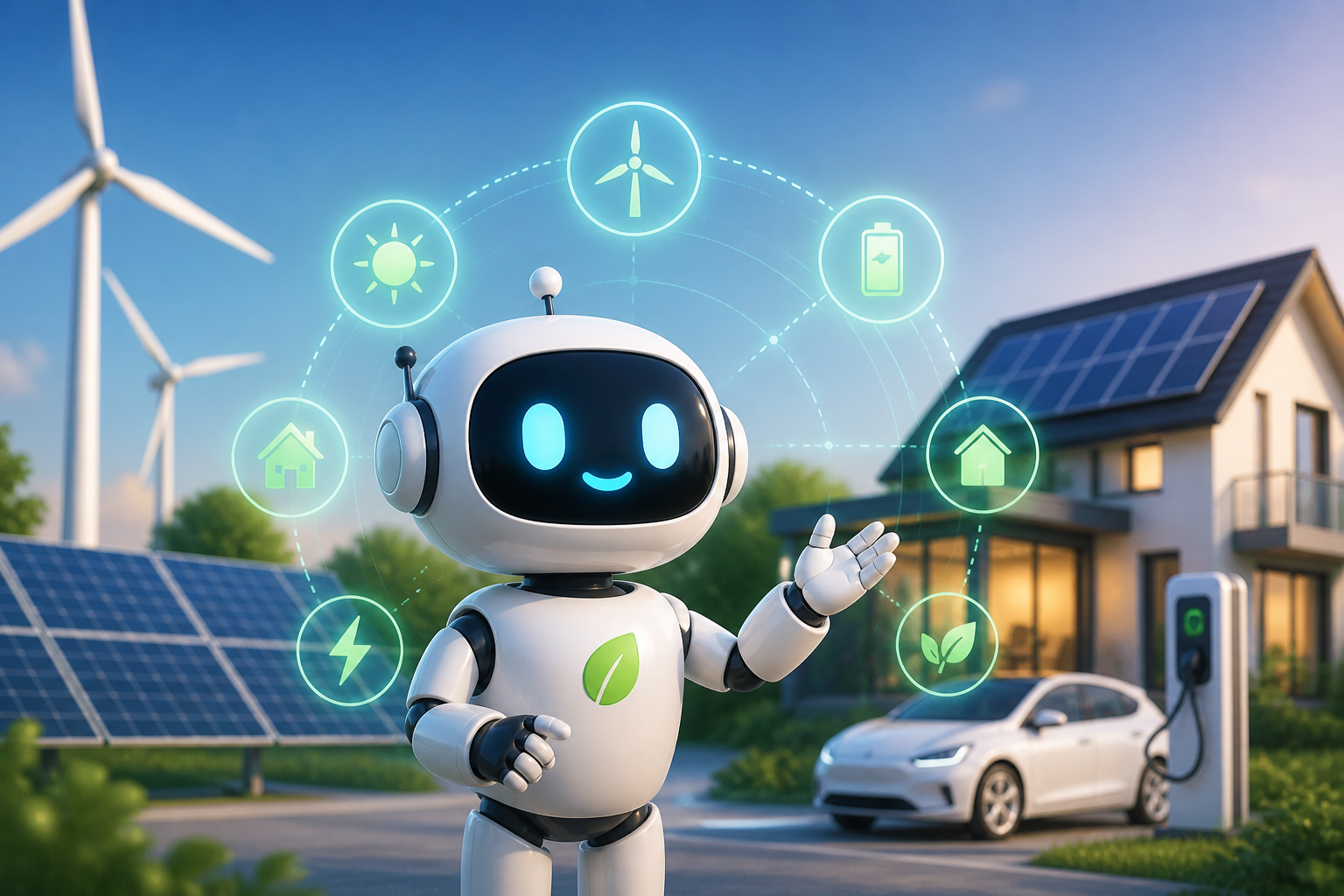

Discover how a Renewable Energy Chatbot transforms customer engagement, optimizes energy management, and drives sustainable growth with AI-powered automation.
Introduction
As the global shift toward sustainability accelerates, businesses and consumers alike are seeking smarter ways to manage energy consumption, reduce costs, and make environmentally responsible decisions. One of the most impactful innovations in this space is the Renewable Energy Chatbot—an AI-powered solution designed to simplify complex energy interactions, automate support, and enhance user engagement.
For organizations operating in solar, wind, hydro, or other renewable sectors, the need to deliver real-time assistance, personalized insights, and efficient service is more critical than ever. This is where platforms like Chattbotz come into play, enabling businesses to deploy intelligent chatbots that bridge the gap between technology and sustainability.
In this comprehensive guide, we’ll explore how renewable energy chatbots are revolutionizing the industry, improving customer experiences, and helping organizations scale with confidence—all while aligning with modern SEO, AI, and Google best practices.
Understanding the Role of Renewable Energy Chatbots
A Renewable Energy Chatbot is an AI-driven conversational system designed specifically for the energy sector. These chatbots are trained to handle inquiries related to solar panel installation, energy consumption, government incentives, maintenance schedules, and more.
Unlike generic chatbots, renewable energy chatbots are tailored to understand industry-specific queries. They can guide users through complex decisions such as choosing between solar and wind solutions, estimating energy savings, or understanding carbon footprint reductions. This specialization enhances both user experience and business efficiency.
From a technical standpoint, these chatbots leverage Natural Language Processing (NLP) and machine learning algorithms to continuously improve their responses. They can integrate with CRM systems, IoT devices, and energy monitoring platforms, creating a seamless ecosystem where data flows intelligently. This level of integration ensures real-time insights and actionable recommendations.
Moreover, renewable energy chatbots are not just reactive—they are proactive. They can notify users about system performance, suggest optimization strategies, and even alert them to potential issues before they escalate. This predictive capability makes them a valuable asset in modern energy management systems.
Why Renewable Energy Businesses Need AI Chatbots Today
The renewable energy market is becoming increasingly competitive, with businesses striving to differentiate themselves through superior customer experience and operational efficiency. A Renewable Energy Chatbot provides a powerful solution to meet these demands.
First, chatbots significantly reduce response times. In an industry where customers often have urgent questions—such as system failures or billing concerns—instant responses can dramatically improve satisfaction. Speed and accuracy are critical, and chatbots deliver both consistently.
Second, they reduce operational costs. By automating repetitive queries, businesses can allocate human resources to more complex tasks. This not only improves efficiency but also ensures better utilization of skilled professionals. Cost optimization becomes a natural outcome of intelligent automation.
Finally, chatbots enhance scalability. Whether a company is serving 100 or 100,000 customers, a chatbot can handle the load without compromising performance. This makes it an essential tool for businesses aiming to grow sustainably while maintaining high service standards.
Key Features of an Effective Renewable Energy Chatbot
An effective Renewable Energy Chatbot must go beyond basic conversation capabilities. It should offer a robust set of features tailored to the unique needs of the energy sector.
One of the most important features is intelligent query handling. The chatbot should understand and respond to complex questions about energy consumption, installation processes, and technical specifications. This requires advanced NLP capabilities and continuous training.
Another critical feature is data integration. The chatbot should connect with energy monitoring systems, CRM platforms, and external APIs to provide real-time insights. For example, it can display current energy production levels or forecast future savings based on historical data.
Additionally, personalization plays a vital role. By analyzing user behavior and preferences, the chatbot can deliver customized recommendations. This not only improves engagement but also increases conversion rates. Features like multilingual support and voice interaction further enhance accessibility and usability.
How Renewable Energy Chatbots Improve Customer Experience
Customer experience is a key differentiator in the renewable energy industry. A Renewable Energy Chatbot enhances this experience by providing instant, accurate, and personalized support.
One of the primary benefits is 24/7 availability. Customers can get answers to their questions at any time, without waiting for business hours. This is particularly important for global companies operating across different time zones.
Another advantage is consistency. Human agents may vary in their responses, but chatbots deliver uniform and reliable information. Consistency builds trust, which is essential for long-term customer relationships.
Furthermore, chatbots can guide users through complex processes such as system installation or financing options. By breaking down information into simple, conversational steps, they make it easier for customers to make informed decisions. This reduces friction and enhances overall satisfaction.
The Role of AI and Machine Learning in Energy Chatbots

Artificial Intelligence (AI) and Machine Learning (ML) are the backbone of modern Renewable Energy Chatbots. These technologies enable chatbots to understand user intent, learn from interactions, and continuously improve performance.
AI allows chatbots to process natural language, making conversations more intuitive and human-like. This is crucial for handling complex queries related to energy systems, technical specifications, and regulatory requirements.
Machine learning, on the other hand, enables continuous improvement. By analyzing past interactions, the chatbot can identify patterns and refine its responses. This ensures that the chatbot becomes more accurate and effective over time.
Additionally, AI-powered chatbots can leverage predictive analytics to provide proactive recommendations. For example, they can suggest optimal times for energy usage or alert users to potential system inefficiencies. This transforms the chatbot from a support tool into a strategic asset.
Use Cases of Renewable Energy Chatbots Across Industries
The applications of Renewable Energy Chatbots extend across various industries, each benefiting from tailored solutions.
In the residential sector, chatbots help homeowners understand their energy consumption, choose the right solar solutions, and manage installations. They can also provide updates on system performance and maintenance schedules.
In the commercial sector, businesses use chatbots to monitor energy usage, optimize costs, and ensure compliance with sustainability regulations. These chatbots can integrate with enterprise systems, providing a centralized platform for energy management.
In the utility sector, chatbots assist customers with billing inquiries, outage reporting, and service requests. This improves efficiency and reduces the burden on customer support teams. The versatility of these chatbots makes them invaluable across the renewable energy ecosystem.
SEO Benefits of Implementing a Renewable Energy Chatbot
A Renewable Energy Chatbot not only improves user experience but also contributes to better search engine optimization (SEO).
One of the key benefits is increased user engagement. Chatbots encourage users to spend more time on the website, reducing bounce rates and signaling to search engines that the content is valuable.
Another advantage is improved content accessibility. Chatbots can guide users to relevant pages, ensuring that important information is easily discoverable. This aligns with creating helpful content, a core principle in Google’s guidelines.
Additionally, chatbots can collect valuable data on user behavior and preferences. This data can be used to optimize content strategies and target relevant keywords. Data-driven insights lead to more effective SEO campaigns.
Integration with Smart Energy Systems and IoT
The integration of Renewable Energy Chatbots with smart energy systems and IoT devices represents a significant advancement in energy management.
By connecting with IoT-enabled devices, chatbots can access real-time data on energy production and consumption. This allows them to provide accurate and up-to-date information to users.
For example, a chatbot can notify a user when their solar panels are generating peak energy or suggest ways to optimize usage during off-peak hours. This level of interaction enhances both efficiency and sustainability.
Moreover, integration with smart home systems enables seamless control of energy devices. Users can interact with the chatbot to adjust settings, monitor performance, and receive alerts—all through a single interface.
Personalization and User-Centric Energy Experiences
Personalization is at the heart of any successful Renewable Energy Chatbot. In a sector where every customer’s energy usage, preferences, and goals differ, delivering tailored experiences is no longer optional—it’s essential. A well-designed chatbot leverages user data to provide meaningful and relevant interactions that go beyond generic responses.
By analyzing past interactions, usage patterns, and behavioral data, chatbots can recommend specific renewable solutions. For example, a homeowner interested in solar panels may receive customized suggestions based on their location, energy consumption, and budget. This level of personalization not only improves engagement but also builds trust by demonstrating a deep understanding of user needs.
Additionally, personalization enhances decision-making. Instead of overwhelming users with technical details, chatbots simplify complex information into digestible insights. Clear, tailored communication empowers users to make confident energy choices. Over time, this leads to stronger customer relationships and increased brand loyalty, making personalization a critical success factor in chatbot implementation.
Enhancing Lead Generation and Conversion Rates
A Renewable Energy Chatbot plays a crucial role in capturing and converting leads. In an industry where customers often require guidance before making a decision, chatbots act as virtual sales assistants, guiding users through the buyer’s journey.
One of the key advantages is real-time interaction. When a potential customer visits a website, the chatbot can immediately engage them, ask qualifying questions, and recommend suitable solutions. This proactive approach significantly increases the chances of conversion. Instant engagement reduces the risk of losing potential customers.
Moreover, chatbots can automate follow-ups, send reminders, and provide additional resources. For instance, after a user expresses interest in solar installation, the chatbot can schedule a consultation or share a cost estimate. This continuous engagement keeps the user connected and informed.
Another important aspect is data collection. Chatbots gather valuable information about user preferences and behavior, which can be used to refine marketing strategies. By integrating with CRM systems, businesses can create targeted campaigns that resonate with their audience, ultimately driving higher conversion rates.
Security, Privacy, and Compliance in Energy Chatbots
Security and privacy are critical considerations for any digital solution, especially in the energy sector where sensitive data is involved. A Renewable Energy Chatbot must adhere to strict security standards to ensure user trust and regulatory compliance.
One of the primary concerns is data protection. Chatbots collect and process user information, including personal details and energy usage data. Implementing robust encryption and secure data storage practices is essential. Following Google’s spam policies ensures ethical data handling and prevents misuse.
Compliance with regional regulations is equally important. Depending on the location, businesses may need to adhere to data protection laws such as GDPR or other local regulations. Ensuring compliance not only avoids legal issues but also enhances credibility.
Additionally, transparency plays a key role. Users should be informed about how their data is being used and have the option to control their information. Building trust through transparency is a cornerstone of long-term success. By prioritizing security and privacy, businesses can create a safe and reliable chatbot experience.
Challenges in Implementing Renewable Energy Chatbots
While the benefits of a Renewable Energy Chatbot are significant, implementation comes with its own set of challenges. Understanding these challenges is essential for successful deployment and long-term effectiveness.
One of the main challenges is data accuracy. Chatbots rely on accurate and up-to-date information to provide meaningful responses. In the renewable energy sector, where data can be complex and constantly changing, maintaining accuracy requires continuous monitoring and updates.
Another challenge is integration. Connecting the chatbot with existing systems such as CRM, IoT devices, and energy management platforms can be technically demanding. Seamless integration is crucial for delivering a cohesive user experience.
User adoption is also a concern. Some users may prefer human interaction or may not trust automated systems. Overcoming this requires intuitive design, clear communication, and consistent performance. Building user confidence takes time but is essential for success. By addressing these challenges proactively, businesses can maximize the potential of their chatbot solutions.
Future Trends in Renewable Energy Chatbots
The future of Renewable Energy Chatbots is shaped by rapid advancements in AI, data analytics, and sustainable technologies. As these innovations continue to evolve, chatbots are becoming more sophisticated and capable.
One emerging trend is the use of voice-enabled chatbots. With the increasing popularity of smart speakers and voice assistants, users are seeking more natural ways to interact with technology. Voice integration allows chatbots to provide hands-free assistance, enhancing convenience and accessibility.
Another trend is predictive analytics. By analyzing historical data and trends, chatbots can anticipate user needs and provide proactive recommendations. This transforms chatbots from reactive tools into intelligent advisors.
Additionally, the integration of blockchain technology is gaining traction. Blockchain can enhance transparency and security in energy transactions, making chatbots even more reliable. These advancements are paving the way for smarter, more efficient energy ecosystems, positioning chatbots as a central component of future sustainability strategies.
Best Practices for Developing High-Performance Energy Chatbots
Developing a high-performance Renewable Energy Chatbot requires a strategic approach that combines technical expertise with user-centric design. Following best practices ensures optimal performance and long-term success.
First, focus on user experience. The chatbot should be intuitive, responsive, and easy to navigate. Clear communication and simple language are essential for engaging users effectively. A seamless user experience drives higher adoption rates.
Second, prioritize continuous improvement. Regularly analyze chatbot performance, gather user feedback, and update the system accordingly. This aligns with SEO starter guide principles, which emphasize ongoing optimization.
Third, ensure scalability. As your business grows, the chatbot should be able to handle increased demand without compromising performance. Scalable solutions are essential for sustainable growth. By adhering to these best practices, businesses can create chatbots that deliver consistent value and drive meaningful results.
Measuring Success: KPIs and Performance Metrics

Measuring the success of a Renewable Energy Chatbot is crucial for understanding its impact and identifying areas for improvement. Key performance indicators (KPIs) provide valuable insights into chatbot effectiveness.
One important metric is user engagement. This includes the number of interactions, session duration, and user retention rates. High engagement indicates that the chatbot is providing value and meeting user needs.
Another critical KPI is conversion rate. This measures the percentage of users who take desired actions, such as signing up for a service or requesting a consultation. Tracking conversions helps evaluate the chatbot’s contribution to business growth.
Customer satisfaction is also a key metric. Feedback and ratings provide insights into user experience and highlight areas for improvement. Satisfied users are more likely to become loyal customers. By monitoring these KPIs, businesses can optimize their chatbot strategies and achieve better outcomes.
Common Mistakes to Avoid
Implementing a Renewable Energy Chatbot without proper planning can lead to inefficiencies and missed opportunities. One common mistake is overloading the chatbot with information. While it’s important to provide comprehensive answers, excessive detail can overwhelm users. Clarity and simplicity should always be prioritized.
Another mistake is neglecting updates. Renewable energy data and technologies evolve rapidly, and outdated information can reduce the chatbot’s credibility. Regular updates are essential for maintaining accuracy and relevance.
Ignoring user feedback is also a critical error. Feedback provides valuable insights into user needs and preferences. Failing to act on feedback can hinder improvement and reduce user satisfaction. By avoiding these mistakes, businesses can ensure a more effective and reliable chatbot experience.
FAQs
1. What is a Renewable Energy Chatbot?
A Renewable Energy Chatbot is an AI-powered tool designed to assist users with energy-related queries, provide recommendations, and automate customer support.
2. How does a chatbot help in energy management?
It provides real-time insights, monitors energy usage, and offers optimization suggestions based on data analysis.
3. Are renewable energy chatbots secure?
Yes, when implemented with proper encryption and compliance measures, they ensure data security and privacy.
4. Can chatbots integrate with solar systems?
Yes, they can connect with IoT devices and energy monitoring systems to provide real-time updates and control.
5. Do chatbots improve customer experience?
Absolutely. They offer instant responses, personalized recommendations, and consistent support, enhancing overall satisfaction.
6. What industries benefit from these chatbots?
Residential, commercial, and utility sectors all benefit from improved efficiency and customer engagement.
7. How do chatbots support sustainability?
They promote energy efficiency, reduce waste, and encourage the adoption of renewable solutions.
8. Are they expensive to implement?
Costs vary, but the long-term benefits in efficiency and scalability often outweigh the initial investment.
Best Practices Summary
To maximize the impact of a Renewable Energy Chatbot, businesses should focus on delivering value through intelligent design and continuous optimization. Start by understanding user needs and building a chatbot that addresses real challenges. User-centric design is the foundation of success.
Ensure seamless integration with existing systems to provide a unified experience. Regular updates and performance monitoring are essential for maintaining accuracy and effectiveness. Continuous improvement keeps the chatbot relevant and competitive.
Finally, prioritize transparency and security. Building trust is crucial for long-term success. By following these best practices, businesses can leverage chatbots to drive innovation, improve customer experiences, and achieve sustainable growth.
Conclusion
The rise of the Renewable Energy Chatbot marks a significant step forward in the evolution of sustainable technology. By combining AI, data analytics, and user-centric design, these chatbots are transforming how businesses and consumers interact with energy systems.
From improving customer experience to driving operational efficiency, the benefits are undeniable. Platforms like Chattbotz empower organizations to harness the full potential of chatbot technology, enabling them to stay competitive in an increasingly dynamic market.
As the renewable energy landscape continues to evolve, adopting innovative solutions like chatbots will be essential for success. By embracing this technology, businesses can not only meet current demands but also pave the way for a smarter, more sustainable future.
Want to Implement This Easily?
Prompt:
You are an expert consultant. Based on the blog post titled “(Renewable Energy Chatbot)”, provide a step-by-step, practical implementation guide. Include tools, best practices, common mistakes to avoid, and advanced tips. Assume the reader wants to implement everything discussed in this article effectively.
Call to Action:
Want our help implementing this? Just reach out to us via our website contact form: https://appledew.co.uk/cb/contact-us/