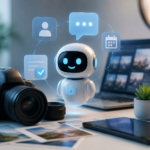


In today’s fast-paced digital era, photographers face increasing demands to not only capture stunning visuals but also manage workflow, interact with clients, and stay updated on the latest trends. Artificial Intelligence has transformed many industries, and the world of photography is no exception. Among the most exciting innovations are photography chatbots, AI-driven tools designed to assist photographers in streamlining their processes, enhancing creativity, and improving client engagement. These intelligent systems can perform a variety of tasks—from automating customer inquiries to suggesting optimal camera settings—allowing professionals to focus on what they do best: capturing extraordinary moments. This blog will explore the power, potential, and best practices for using photography chatbots effectively.
Introduction
Photography is both an art and a science, and modern photographers often juggle multiple responsibilities beyond simply taking pictures. This is where Chattbotz steps in, providing solutions that leverage AI-powered photography chatbots. These tools can help photographers manage appointments, answer client queries instantly, recommend camera settings based on lighting conditions, and even provide post-processing tips. By integrating chatbots into their workflow, photographers not only save time but also enhance the quality of service they provide to clients. In this blog, we’ll explore the many facets of photography chatbots, from their basic functionality to advanced integrations, with actionable insights, best practices, and high-authority references.
What is a Photography Chatbot?
A photography chatbot is an AI-powered digital assistant designed to handle tasks related to photography services. Unlike traditional chatbots that answer basic queries, a photography chatbot is tailored specifically for photographers, studios, and photography enthusiasts. It can manage booking schedules, suggest camera settings, provide instant responses to common questions, and even guide clients through the process of selecting the right photography packages. For example, if a client asks about wedding photography packages, the chatbot can respond instantly with available options, pricing, and recommendations.
One of the key benefits of a photography chatbot is its ability to operate 24/7, ensuring that no client inquiry goes unanswered. It can also integrate with popular photography software and social media platforms, automating notifications and follow-ups. This level of automation not only improves efficiency but also enhances the overall client experience. For photographers, this translates to more time spent behind the camera and less on administrative tasks. To learn more about the technology behind AI chatbots, check this link.
Key Features of Photography Chatbots
Modern photography chatbots come packed with features that go far beyond basic conversation. Key functionalities include:
- Automated Scheduling: The chatbot can manage appointments, sync with calendars, and send reminders to clients.
- Client Assistance: It answers frequently asked questions instantly, such as pricing, package details, and availability.
- Photography Guidance: Some advanced chatbots can suggest camera settings based on environmental factors like lighting, weather, or event type.
- Post-Processing Recommendations: They can offer tips for editing photos in popular software like Adobe Lightroom or Photoshop.
- Lead Generation: Chatbots can engage visitors on photography websites, converting casual visitors into potential clients.
The combination of these features helps photographers automate repetitive tasks while maintaining a personal touch. Integration with AI analytics tools allows chatbots to learn client preferences over time, making their responses smarter and more tailored. For more insights on AI in photography, check this link.
Benefits of Using Photography Chatbots
The adoption of photography chatbots offers multiple advantages:
- Efficiency: By automating client interactions, photographers can save hours each week, focusing instead on creative work.
- Consistency: Chatbots provide uniform answers, reducing the risk of miscommunication with clients.
- Enhanced Customer Experience: Instant responses improve client satisfaction and trust, a critical factor in securing repeat business.
- Data Collection: Chatbots can gather valuable client insights, such as preferred photography styles, common inquiries, and peak booking times.
- Cost-Effective: Compared to hiring additional staff, a chatbot can handle a large volume of interactions at a fraction of the cost.
In addition, photography chatbots help photographers maintain a professional online presence. A responsive and intelligent system builds credibility, which is essential in a competitive industry. To understand the evolving role of AI in creative industries, check this link.
Types of Photography Chatbots
Photography chatbots can vary based on their intended functionality and the level of AI integration. Basic chatbots handle standard customer service queries such as pricing, availability, and booking confirmations. Advanced chatbots, on the other hand, can provide creative suggestions, such as lighting techniques, composition tips, and post-processing recommendations. Some chatbots even integrate with voice assistants, allowing photographers to interact hands-free during shoots.
There are also industry-specific chatbots for wedding photography, portrait photography, real estate photography, and commercial projects. Each type can be customized to meet the unique needs of the business. By analyzing client interactions, these chatbots continuously improve their responses, providing a smarter and more tailored experience over time. For examples of industry-specific photography AI tools, check this link.
How Photography Chatbots Improve Client Engagement

Client engagement is critical in the photography business. A photography chatbot ensures that potential and existing clients receive prompt and relevant information, which directly impacts conversion rates. For instance, a chatbot can instantly answer questions about portfolio examples, pricing, and availability, eliminating the waiting time that often frustrates clients. This instant response mechanism helps maintain interest and encourages clients to book services immediately.
Moreover, chatbots can offer personalized recommendations based on previous interactions. For example, if a client has previously booked portrait sessions, the chatbot can suggest upcoming seasonal promotions or new photography styles tailored to them. Some advanced photography chatbots can even analyze social media activity to determine client preferences, sending targeted suggestions for shoots that are more likely to resonate.
Another benefit is 24/7 availability, which is especially important for international clients or those with unpredictable schedules. By being always accessible, chatbots reduce missed opportunities and enhance client satisfaction. Additionally, these systems can collect feedback and reviews, providing photographers with actionable insights to improve services. For more insights into AI-driven client engagement, check this link.
Integration with Social Media and Websites
A key advantage of photography chatbots is their ability to seamlessly integrate with social media platforms and photography websites. Platforms like Instagram, Facebook, and TikTok are primary marketing channels for photographers. A chatbot can respond to inquiries from social media DMs, provide portfolio links, and even schedule consultations directly through these platforms. This reduces the need for manual monitoring and ensures that all inquiries receive prompt attention.
On photography websites, chatbots can serve as virtual assistants, guiding visitors through services, packages, and booking processes. They can also handle lead capture forms, qualifying visitors before a human photographer engages with them. Some chatbots integrate with analytics tools to track visitor behavior, which allows photographers to optimize website content and improve user experience.
Integration also extends to email platforms and CRM software, allowing automated follow-ups and client reminders. This cohesive digital presence enhances professionalism and strengthens client trust. To learn more about social media AI tools for photographers, check this link.
AI Recommendations for Photography Settings
Advanced photography chatbots can provide AI-driven recommendations for camera settings based on environmental conditions. For example, they can suggest ISO, aperture, and shutter speed based on lighting, subject movement, and the type of photography being conducted—whether portraits, landscapes, or event shoots. This ensures higher-quality results, especially for photographers who need to adapt quickly in dynamic settings.
Some chatbots even integrate with smart cameras to offer real-time advice while shooting. They can highlight issues such as overexposure, underexposure, or composition errors. For beginners, this provides a valuable learning tool, while professional photographers benefit from time-saving guidance. Additionally, AI chatbots can recommend post-processing adjustments, such as color correction and retouching techniques, tailored to each photo.
The result is improved efficiency, creativity, and overall client satisfaction. For detailed guides on AI photography optimization, check this link.
Cost Savings and Efficiency Gains
Implementing a photography chatbot can result in significant cost savings for studios and freelance photographers. By automating client interactions, photographers reduce the need for additional administrative staff, lowering operational expenses. The chatbot handles repetitive tasks such as answering FAQs, confirming bookings, sending reminders, and collecting feedback, freeing up human resources for creative work.
Efficiency gains also come from improved time management. Photographers can focus more on shooting and editing, knowing that client inquiries are handled instantly and professionally. Chatbots can also schedule appointments intelligently, avoiding overlaps or double bookings, which reduces errors and frustration.
Another advantage is the ability to track and analyze client interactions. This data allows studios to refine their marketing strategies, optimize booking processes, and enhance overall workflow efficiency. By combining cost savings with improved productivity, photography chatbots deliver a measurable return on investment. For more insights on efficiency gains with AI, check this link.
Personalization and Client Experience
Personalization is a key factor in creating exceptional client experiences, and photography chatbots excel in this area. By analyzing prior interactions, booking history, and client preferences, chatbots can provide customized recommendations. For example, if a client frequently books outdoor portrait sessions, the chatbot can suggest locations, lighting conditions, or seasonal promotions tailored to that style.
This level of personalization helps photographers build stronger client relationships. Clients feel heard and understood, which increases loyalty and repeat bookings. Chatbots can also send automated follow-ups, thanking clients for their session, requesting reviews, or notifying them about upcoming offers. These interactions create a consistent and professional brand experience.
Advanced AI chatbots can even leverage social media activity to further tailor recommendations, analyzing trends and engagement to suggest personalized session ideas. This combination of data-driven insight and automation enhances client satisfaction and overall business efficiency. For more insights on AI personalization in creative industries, check this link.
Security and Privacy Considerations
Security and privacy are critical when using AI chatbots, particularly in handling client data. Photography chatbots often store sensitive information, including contact details, booking histories, and payment information. To ensure data protection, photographers should select chatbots that comply with regulations such as GDPR or CCPA.
Modern AI chatbots use encryption and secure authentication to protect client information. Additionally, some platforms offer data anonymization features to prevent misuse of personal details. Privacy policies must be clear and transparent, informing clients about how their data will be used and stored.
Another important aspect is secure integration with other tools such as CRMs, social media platforms, and email services. Secure integrations reduce vulnerabilities and ensure that all client interactions remain protected. By prioritizing security, photographers can maintain client trust while leveraging the benefits of AI chatbots. For more details on AI and data privacy, check this link.
Best Practices for Implementing Photography Chatbots
Implementing a photography chatbot requires thoughtful planning and strategy. Start by defining the key tasks the chatbot should handle, such as booking, FAQs, or post-processing guidance. Identify your most frequent client queries to ensure the chatbot addresses high-priority areas efficiently.
Next, select a chatbot platform that allows customization and AI learning. The chatbot should evolve over time, improving its responses based on client interactions. Testing is also critical—simulate client queries to ensure accuracy, responsiveness, and a natural conversational flow.
To maximize results, integrate the chatbot with social media, websites, and email platforms. Ensure that responses are consistent with your brand voice and tone. Additionally, use analytics to track engagement, identify common pain points, and optimize performance continuously. By following these best practices, photographers can create a seamless client experience while saving time and increasing efficiency. For guidance on best practices, check this link.
Challenges and Limitations of Photography Chatbots
While photography chatbots provide significant benefits, they also have limitations. Understanding these challenges is crucial for setting realistic expectations. One limitation is the chatbot’s inability to handle highly complex or emotional queries. For example, if a client requests advice on a highly specific or unusual photography scenario, the AI may provide generic suggestions.
Another challenge is integration complexity. Some chatbot platforms require technical expertise to connect with websites, social media platforms, or CRMs. Without proper setup, chatbots may fail to deliver the intended experience. Additionally, over-reliance on automation may reduce human interaction, which can impact client relationships if not managed carefully.
Maintaining data accuracy is another concern. Chatbots learn from interactions, but poor training or incorrect information can lead to misinformation. Photographers must monitor performance, update knowledge bases, and intervene when necessary. Understanding these challenges ensures that AI chatbots complement human efforts rather than replace them. For more information on AI limitations in creative industries, check this link.
Future Trends in Photography Chatbots

The future of photography chatbots is promising, with AI technology continuing to evolve rapidly. Chatbots are expected to become even more intelligent and adaptive, using advanced machine learning to analyze client behavior, photography trends, and even environmental conditions in real-time.
One trend is the integration of augmented reality (AR), allowing clients to visualize photo shoots, staging, and post-processing effects before the session begins. Another trend is voice-enabled chatbots, which will allow photographers to receive guidance hands-free while shooting, making workflow smoother and more efficient.
Additionally, chatbots will increasingly integrate with creative tools such as Lightroom, Photoshop, and Canva, providing step-by-step guidance for post-processing. The combination of AI and automation will reduce repetitive tasks, allowing photographers to focus on creative innovation. For more insights on AI and future photography trends, check this link.
Case Studies of Successful Chatbot Implementation
Several photography studios and freelance photographers have successfully implemented chatbots to enhance business operations. For example, a wedding photography studio used a chatbot to handle client inquiries, bookings, and personalized recommendations, resulting in a 30% increase in bookings within six months.
Another example is a portrait photography service that integrated a chatbot with social media DMs. This allowed instant client responses, improved engagement, and reduced missed inquiries. The chatbot also collected feedback, which helped the studio improve services and offerings.
Real-world examples demonstrate that when chatbots are used effectively, they not only save time but also boost client satisfaction and revenue. For more case studies on AI chatbot implementation, check this link.
Measuring Success and ROI of Photography Chatbots
Measuring the success of a photography chatbot involves tracking key performance indicators (KPIs). These include response time, client satisfaction, conversion rates, booking efficiency, and overall engagement. Analytics dashboards provided by chatbot platforms allow photographers to monitor these metrics in real-time.
Return on investment (ROI) can be evaluated by comparing time saved, reduction in administrative costs, and increased revenue from higher client engagement. Surveys and feedback forms can also measure client satisfaction, providing qualitative insights.
Continuous monitoring and adjustments are necessary to ensure the chatbot remains effective and aligned with client expectations. For more information on measuring chatbot ROI, check this link.
Tips for Maximizing Chatbot Effectiveness
To maximize the benefits of photography chatbots, photographers should focus on customization, training, and integration. Customize the chatbot to reflect your brand’s voice and ensure it handles all frequently asked questions accurately. Regularly update the chatbot’s knowledge base with new services, promotions, and photography tips.
Integrate the chatbot with websites, social media, and email platforms to create a seamless experience for clients. Use analytics to identify gaps in performance and refine the chatbot’s responses accordingly. Additionally, encourage clients to provide feedback to continuously improve interactions.
Following these tips ensures that the chatbot enhances client satisfaction, saves time, and contributes to overall business growth. For detailed guidance on optimizing AI chatbots, check this link.
FAQs
Q1: What types of tasks can a photography chatbot handle?
A: Photography chatbots can manage bookings, answer FAQs, provide AI-based photography guidance, suggest post-processing tips, and automate client follow-ups.
Q2: Are photography chatbots suitable for freelancers and studios?
A: Yes, both freelancers and large studios can benefit from chatbots by saving time, enhancing client engagement, and automating administrative tasks.
Q3: Is client data safe with AI chatbots?
A: Reputable chatbot platforms use encryption, secure authentication, and comply with GDPR or CCPA to protect client information.
Q4: Can chatbots suggest photography settings?
A: Advanced AI chatbots can recommend ISO, aperture, shutter speed, and post-processing adjustments based on lighting and subject conditions.
Q5: How do I measure the effectiveness of a photography chatbot?
A: Track KPIs like response time, client engagement, conversion rates, bookings, and client satisfaction to measure effectiveness.
Common Mistakes When Using Photography Chatbots
- Over-reliance on automation: Neglecting human touch can reduce client satisfaction.
- Incomplete customization: Generic responses may frustrate clients.
- Ignoring analytics: Failing to track KPIs prevents improvement.
- Poor data security practices: Leads to loss of client trust.
- Inadequate training: Chatbots must be updated with new services and information regularly.
Conclusion
Photography chatbots are revolutionizing the way photographers interact with clients, manage operations, and optimize workflows. From automated bookings to AI-driven photography guidance, chatbots save time, increase efficiency, and enhance client satisfaction. By following best practices, prioritizing security, and continuously improving chatbot performance, photographers can maximize their ROI and stay ahead in a competitive industry.
For photographers looking to implement AI solutions effectively, Chattbotz provides cutting-edge chatbot tools designed specifically for the photography industry. Embracing this technology ensures your business remains innovative, efficient, and client-focused.