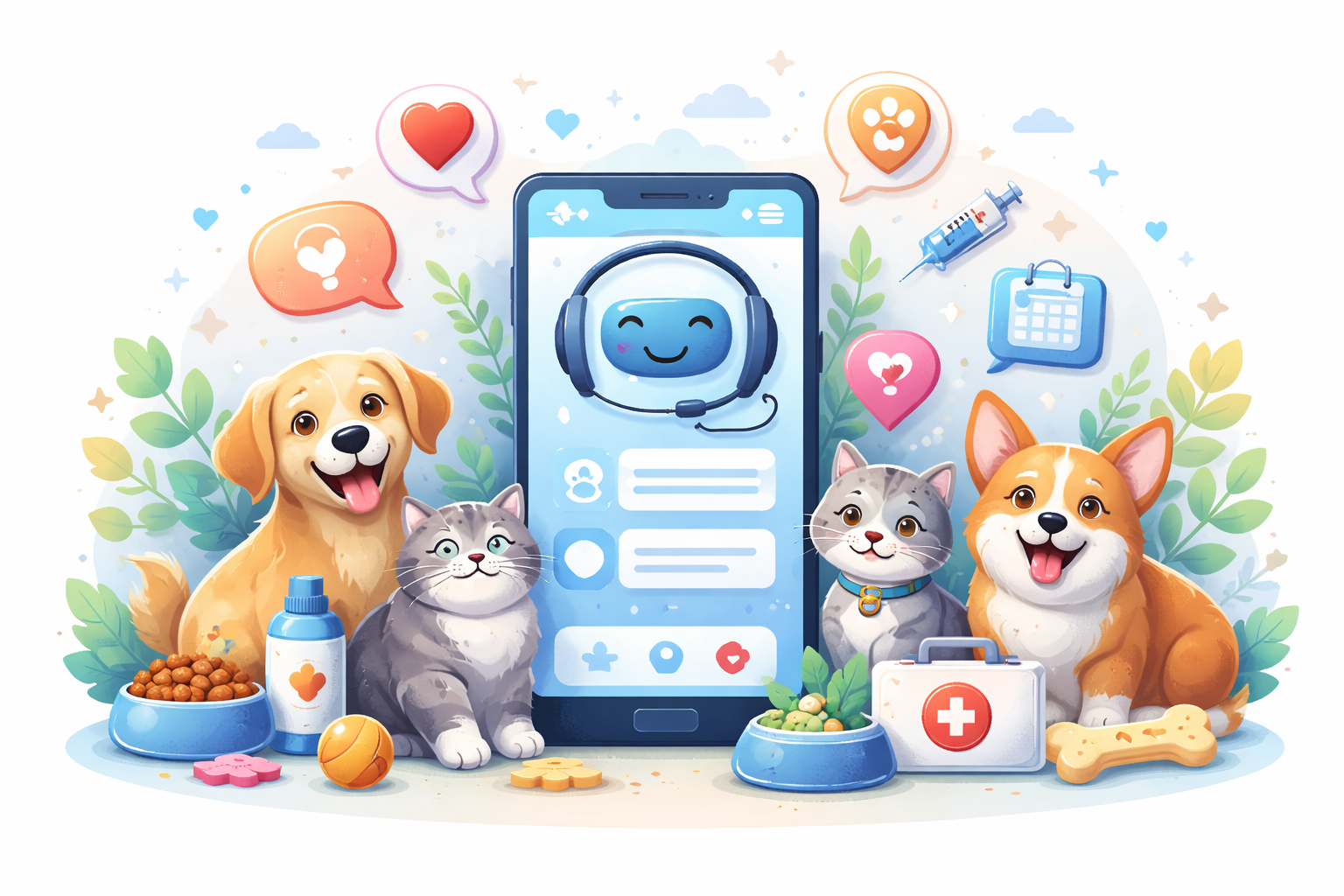

Pet owners today expect instant, accurate, and trustworthy support when it comes to animal health, nutrition, grooming, and emergency guidance. As digital transformation reshapes the pet industry, AI-powered pet care chatbots are becoming essential tools for veterinary clinics, pet stores, animal shelters, and pet service brands. This in-depth guide explores how modern pet care chatbots align with Google best practices, enhance user trust, and deliver scalable, always-available assistance without replacing professional veterinary advice.
Introduction
At Chattbotz, we believe technology should support responsible pet ownership, not replace human expertise. A Pet Care Chatbot bridges the gap between pet owners and reliable information by offering instant responses, educational guidance, appointment support, and service recommendations—while maintaining ethical boundaries defined by veterinary standards and Google’s quality guidelines. This comprehensive guide explains how pet care chatbots work, why they matter, and how businesses can deploy them safely, ethically, and SEO-correctly.
What Is a Pet Care Chatbot?
A pet care chatbot is an AI-powered digital assistant designed to provide real-time guidance, advice, and support for pet owners. Unlike traditional chatbots, which may offer generic responses, a veterinary chatbot system is specifically programmed with information about pet health, nutrition, behavior, and preventive care. This allows it to deliver tailored recommendations, answer frequently asked questions, and guide pet owners toward appropriate next steps—without replacing professional veterinary advice.
For example, a pet care chatbot can help an owner understand signs of common illnesses in dogs or cats, provide tips for proper feeding schedules, or suggest grooming routines. According to the American Society for the Prevention of Cruelty to Animals (ASPCA), having accurate guidance readily available improves pet wellness outcomes and encourages responsible pet ownership.
These chatbots are powered by artificial intelligence (AI) and natural language processing (NLP), which enables them to understand user queries, interpret intent, and provide relevant responses in conversational language. Businesses, veterinary clinics, and online pet services increasingly use these AI tools to offer 24/7 support, appointment scheduling, and even reminders for vaccinations or preventive care.
Overall, a pet care chatbot acts as a bridge between pet owners and trusted veterinary knowledge, making pet care more accessible, scalable, and reliable. By implementing these systems, pet brands and clinics can ensure consistent and accurate information while maintaining ethical boundaries defined by veterinary standards and Google’s quality guidelines.
How Pet Care Chatbots Work
Pet care chatbots rely on artificial intelligence, machine learning, and natural language processing to understand and respond to user questions. At their core, these systems interpret text or voice inputs, analyze the intent behind a query, and deliver accurate, context-aware answers. Advanced chatbots often integrate with knowledge bases maintained by veterinary experts, ensuring that responses follow best practices recommended by authorities like the AVMA and ASPCA.
The workflow typically begins when a pet owner types or speaks a question, such as, “Why is my dog scratching so much?”. The chatbot uses AI algorithms to identify potential causes, like allergies or fleas, and provides educational guidance, including next steps such as contacting a veterinarian if symptoms persist. Some chatbots also integrate with appointment booking systems, allowing users to schedule visits without leaving the chat interface.
Modern AI pet support chatbots are capable of learning from interactions. Each question-answer pair improves the chatbot’s response accuracy over time, creating a more refined experience for users. Businesses can also leverage analytics from chat interactions to identify common concerns, optimize content, and enhance user satisfaction.
By combining automation, AI, and trusted veterinary knowledge, these chatbots provide efficient, reliable, and scalable pet care support. They reduce wait times, provide consistent information, and allow pet owners to access guidance anytime, anywhere, which is especially valuable in emergency scenarios or for busy pet owners.
Benefits of Pet Care Chatbots for Pet Owners
Pet care chatbots offer a wide range of benefits for pet owners, making everyday pet management simpler, safer, and more informed. One of the most significant advantages is instant access to reliable information. Instead of searching through multiple websites or forums—which may contain inaccurate advice—pet owners can get trusted guidance sourced from veterinary-approved knowledge bases. According to AVMA, timely and accurate information can prevent minor issues from escalating into emergencies.
Another benefit is personalized recommendations. Advanced AI chatbots track pet profiles, including species, breed, age, medical history, and dietary preferences. This allows the chatbot to deliver tailored advice, such as nutritional guidance for senior cats, exercise routines for high-energy dogs, or reminders for routine vaccinations. Such personalization improves pet wellness and encourages responsible ownership.
Additionally, these chatbots reduce stress and uncertainty for owners. For example, if a dog exhibits unusual behavior or a cat develops minor symptoms, the chatbot can triage concerns and guide the owner on whether a veterinary consultation is necessary. This saves time, alleviates anxiety, and ensures pets receive appropriate care quickly.
Finally, pet care chatbots enhance education and awareness. They can provide tips on training, preventive care, and grooming, helping owners stay informed about best practices recommended by the ASPCA. With 24/7 availability, AI chatbots offer convenience, reliability, and peace of mind, making them indispensable tools for modern pet owners.
Business Advantages for Veterinary Clinics & Pet Brands
For veterinary clinics and pet brands, implementing a pet care chatbot is more than a customer convenience—it’s a strategic business advantage. Chatbots help clinics automate routine inquiries, such as appointment scheduling, vaccination reminders, or general pet care questions, freeing staff to focus on high-priority cases. According to Salesforce, integrating AI chatbots can improve customer service efficiency by up to 30%, reducing operational costs while enhancing service quality.
Pet brands can also leverage chatbots for lead generation and engagement. By interacting with visitors on e-commerce sites, chatbots can recommend products based on pet profiles, provide guidance on supplements, food, or grooming tools, and direct users to trusted veterinary resources like IBM Watson Health for evidence-based information. This builds brand authority and trust, key factors in customer retention.
Another advantage is data-driven insights. Chatbot interactions generate analytics on common pet health concerns, frequently asked questions, and user preferences. Clinics can use this data to optimize services, improve content, and anticipate client needs, aligning business strategy with actual customer behavior.
Finally, AI chatbots contribute to scalable service delivery. Unlike human staff, chatbots can handle multiple interactions simultaneously, 24/7, without fatigue. This ensures consistent, accurate, and high-quality support, meeting the expectations of modern pet owners while maintaining compliance with veterinary standards and Google’s E-E-A-T guidelines.
AI vs Human Support in Pet Care
When it comes to pet care, both AI chatbots and human support play critical roles—but they serve different purposes. AI pet support chatbots excel at providing instant responses, 24/7 availability, and data-driven guidance. They can handle routine questions, provide educational content, and assist with appointment scheduling or reminders. For instance, a chatbot can inform a pet owner about recommended feeding portions or the symptoms of dehydration in dogs or cats.
However, AI cannot replace the expert judgment of veterinarians. Human support is essential for diagnosis, treatment plans, and complex medical decisions. According to the American Veterinary Medical Association (AVMA), AI chatbots should be considered support tools, not substitutes for professional care. They help triage concerns, direct owners to appropriate care, and educate users, but the human veterinarian ensures safety and personalized treatment.
AI chatbots are particularly effective when integrated into a hybrid support model. For example, while a chatbot can answer general questions about pet nutrition or behavior, it can also escalate urgent queries to a licensed veterinarian via live chat or a telehealth platform. This hybrid model ensures efficient, scalable support while maintaining trust and accuracy.
Furthermore, AI can assist veterinarians by automating administrative tasks, such as collecting symptom data, medical history, or vaccination records before a consultation. According to IBM Watson Health, AI integration reduces clerical workload, improves patient care consistency, and frees clinicians to focus on complex cases.
In conclusion, AI chatbots and human support complement each other. By combining instant, scalable AI guidance with the expertise of veterinarians, pet owners receive reliable, safe, and comprehensive care, enhancing both user satisfaction and clinical efficiency.
Google Best Practices for Pet Care Chatbots
To maximize SEO performance and user trust, pet care chatbots must follow Google’s content and AI guidelines. Google emphasizes E-E-A-T (Experience, Expertise, Authoritativeness, and Trustworthiness), especially in health and veterinary topics, often referred to as “Your Money or Your Life” (YMYL) content. Chatbots providing pet health guidance must rely on credible sources, such as the AVMA, ASPCA, or official veterinary associations, to ensure information is accurate and trustworthy.
Google also recommends that AI tools should clearly disclose limitations. For instance, chatbots should provide disclaimers stating that the advice is for informational purposes only and that users should consult a veterinarian for diagnosis or treatment. This aligns with Google’s emphasis on user safety and transparency.
Optimizing for SEO involves structured content. Chatbots should:
- Use clear headings and descriptive responses.
- Include keywords naturally, such as “pet care chatbot”, “veterinary chatbot system”, and “AI pet support chatbot”.
- Provide links to high-authority sources, reinforcing credibility.
Additionally, Google favors mobile-friendly, fast-loading platforms. Chatbots integrated into websites or messaging platforms should be lightweight, responsive, and capable of delivering quick answers. Analytics and continuous improvement are also recommended—monitoring user interactions helps refine responses, improve accuracy, and boost search visibility.
Following these best practices ensures pet care chatbots comply with Google standards, enhance user trust, and provide authoritative, actionable guidance without sacrificing SEO performance.
Trust, Accuracy, and E-E-A-T in Pet Chatbots

Trust is the foundation of any successful pet care chatbot. Users must feel confident that the advice they receive is accurate, ethical, and aligned with veterinary standards. E-E-A-T (Experience, Expertise, Authoritativeness, Trustworthiness) principles are crucial here. For example, responses should be backed by credible sources like the AVMA or ASPCA, ensuring factual accuracy and reliability.
Accuracy goes beyond medical correctness. It includes providing context-specific guidance, acknowledging limitations, and offering next-step recommendations. For instance, a chatbot might advise that a dog showing lethargy and vomiting should be seen by a veterinarian immediately rather than attempting self-treatment. Clear disclaimers and evidence-based content reduce risk of misinformation, a key factor in Google’s evaluation of YMYL content.
E-E-A-T is also strengthened by transparency and human oversight. Businesses should ensure their chatbots are regularly audited by veterinary professionals, updated with latest guidelines, and trained to flag emergencies. According to Google Search Central, AI-driven content must maintain authoritativeness and transparency, avoiding overclaims or misleading information.
Finally, trust is enhanced by privacy and ethical handling of user data, which directly impacts user confidence. When chatbots maintain data integrity, protect sensitive pet and owner information, and comply with privacy regulations, users are more likely to engage frequently and rely on the service.
In short, combining accuracy, transparency, ethical AI use, and credible references ensures that pet care chatbots adhere to E-E-A-T standards, fostering both user trust and Google credibility.
Data Privacy & Ethical Considerations
Pet care chatbots handle sensitive information about both pets and their owners. This includes medical history, behavioral issues, and contact details. Ensuring data privacy and ethical usage is critical to maintain trust and comply with legal standards. According to the AVMA, handling client data responsibly protects client relationships and reduces risk of liability issues.
Key privacy measures include:
- Encryption of all user data, both in transit and at rest.
- Minimal data collection—only what is necessary for providing accurate advice.
- Clear privacy policies, so users know how data is used.
- Regular audits and compliance checks with regulations such as GDPR or CCPA for applicable regions.
Ethical considerations extend beyond privacy. Chatbots should never replace a veterinarian in diagnosing or treating illnesses. Instead, AI tools must triage, educate, and guide users toward professional care when needed. Transparency about AI limitations and providing references to authoritative sources, like IBM Watson Health, ensures that users understand the boundaries of chatbot guidance.
Furthermore, ethical AI includes bias mitigation. Chatbots must provide equitable advice across different pet types, breeds, and owner demographics without favoring certain groups or products. Monitoring for response accuracy, inclusivity, and fairness should be part of the ongoing improvement process.
By combining data protection, transparency, ethical guidelines, and source-backed content, pet care chatbots establish trust, credibility, and compliance—critical factors for both user satisfaction and Google ranking performance.
Use Cases Across the Pet Industry
Pet care chatbots are transforming the pet industry by providing automated, reliable support across multiple sectors. Veterinary clinics use chatbots to triage inquiries, schedule appointments, and share preventive care advice, improving efficiency and client satisfaction. Pet retailers integrate chatbots into their websites to offer personalized product recommendations, such as breed-specific food or toys, based on a pet’s profile. Animal shelters leverage AI chatbots to manage adoption inquiries, educate potential adopters, and answer common questions about animal care, streamlining operations while increasing engagement.
Additionally, pet service providers, including grooming salons and boarding facilities, use chatbots to handle bookings, confirm availability, and share care instructions. AI-driven chatbots can also provide emergency guidance, such as recognizing symptoms that require immediate veterinary attention, enhancing pet safety and owner trust.
The versatility of pet care chatbots makes them suitable for both small businesses and large enterprises. By offering 24/7 assistance, consistent advice, and data-driven insights, these tools improve operational efficiency, user engagement, and overall pet wellness. Integration with trusted sources like AVMA and ASPCA ensures accuracy and credibility, building confidence among pet owners.
Integration With Websites & Messaging Platforms
Integrating pet care chatbots with websites, mobile apps, and messaging platforms allows businesses to offer instant support where users are most active. On websites, chatbots provide pop-up guidance, FAQ assistance, and product recommendations, increasing conversion rates and user satisfaction. On messaging apps like WhatsApp, Facebook Messenger, or SMS platforms, chatbots allow real-time communication, making it convenient for owners to receive guidance on the go.
Seamless integration enables appointment scheduling, reminders, and follow-ups, which improves workflow efficiency for veterinary clinics and service providers. For example, a chatbot connected to a clinic management system can automatically update vaccination records or send alerts for routine checkups. AI chatbots can also be embedded in e-commerce platforms to recommend products based on pet type, age, or health conditions, driving personalized engagement and revenue growth.
Integrating with multiple platforms ensures omnichannel support, so users receive consistent, accurate information whether they access a chatbot on a website, social media, or mobile app. Using authority-backed sources like IBM Watson Health ensures guidance is credible, trustworthy, and aligned with best practices.
Multilingual & Accessibility Features
To serve a diverse user base, pet care chatbots increasingly include multilingual support and accessibility features. By offering guidance in multiple languages, businesses can reach global audiences and non-English speakers, ensuring critical health information is accessible to all pet owners. For example, a chatbot may provide feeding instructions or first-aid advice in Spanish, French, or Mandarin, improving user experience and inclusivity.
Accessibility features, such as voice input, text-to-speech, and high-contrast interfaces, enable users with visual or physical impairments to interact effectively. According to Google Search Central, inclusive AI design is essential for both user trust and compliance with digital accessibility standards.
Combining multilingual capabilities with accessibility ensures chatbots are inclusive, reliable, and widely usable. It also reinforces brand authority by demonstrating commitment to user diversity and aligning with Google’s accessibility and E-E-A-T guidelines.
Analytics, Monitoring, and Continuous Improvement
Effective pet care chatbots rely on analytics and continuous monitoring to maintain accuracy, relevance, and user satisfaction. By tracking interaction patterns, frequently asked questions, and user behavior, businesses can identify areas for content improvement and response optimization. Analytics also help detect trends, such as seasonal spikes in certain pet health issues, enabling proactive support.
Continuous improvement involves updating the knowledge base, refining AI algorithms, and ensuring responses reflect current veterinary standards. According to AVMA, regular review by professionals ensures the chatbot provides safe, evidence-based guidance.
Monitoring also includes assessing user feedback, satisfaction scores, and escalation rates to identify gaps in support. By combining data-driven insights with expert oversight, businesses can optimize both user experience and operational efficiency while maintaining Google-aligned credibility and E-E-A-T standards.
Common Mistakes in Pet Care Chatbot Deployment
Deploying a pet care chatbot can significantly enhance user experience, but common mistakes can reduce effectiveness and trust. Avoiding these errors is essential for Google compliance and E-E-A-T alignment.
Key mistakes include:
- Lack of veterinary oversight: Chatbots without professional review can provide inaccurate guidance. Always validate responses using trusted sources like AVMA.
- Ignoring disclaimers: Failing to clarify that advice is informational only may mislead users. Clear YMYL disclaimers are essential.
- Overcomplicating interactions: Long or confusing flows frustrate users. Keep conversational design simple and intuitive.
- Neglecting data privacy: Collecting unnecessary pet or owner data without encryption or consent risks trust and compliance issues.
- Ignoring analytics: Without monitoring user behavior and feedback, chatbots cannot improve or detect recurring issues.
Avoiding these mistakes ensures accuracy, reliability, and user confidence, while reinforcing brand authority and Google trustworthiness.
SEO Optimization for Pet Care Chatbot Content
SEO for pet care chatbots focuses on structured content, keyword strategy, and authority links. Incorporate primary keywords like “pet care chatbot” and “AI pet support chatbot” naturally in headings, prompts, and content responses. Use long-tail keywords such as “chatbot for veterinary clinics” and “Google-compliant healthcare chatbots” for niche targeting.
Integrate authority outbound links, including IBM Watson Health, Salesforce Service Cloud, and ASPCA, to boost credibility. Structured data, FAQ markup, and schema for chat interactions help Google understand content and improve SERP visibility.
Optimizing UX also impacts SEO. Chatbots should be fast, mobile-friendly, and accessible, aligning with Google Core Web Vitals. Combining these practices ensures that chatbots provide valuable, discoverable, and trustworthy content.
Future Trends in AI-Powered Pet Care

The future of pet care chatbots includes predictive analytics, telehealth integration, and emotional AI. Chatbots may soon predict health issues based on historical behavior, recommend preventive care, and even detect stress or discomfort in pets via wearable device data.
Integration with telemedicine platforms will allow real-time consultations with veterinarians after preliminary AI triage. Multimodal AI will combine text, voice, and image analysis to identify skin conditions, wounds, or mobility issues.
As AI ethics and regulation evolve, chatbots will become more transparent, personalized, and accountable, maintaining E-E-A-T standards while improving pet wellness and owner engagement.
FAQs
1. What is a pet care chatbot?
A pet care chatbot is an AI tool providing instant guidance on pet health, nutrition, and behavior, complementing but not replacing a veterinarian.
2. Are AI chatbots safe for medical advice?
They provide informational support only. Always consult a veterinarian for diagnosis or treatment, as recommended by AVMA.
3. Can chatbots schedule vet appointments?
Yes, many integrate with clinic management systems to schedule, reschedule, or send reminders.
4. How do chatbots maintain accuracy?
Responses are regularly updated and vetted by professionals using trusted sources like ASPCA.
5. Do they support multiple languages?
Yes, multilingual capabilities allow owners worldwide to receive guidance in their preferred language.
6. Are chatbots GDPR/CCPA compliant?
Ethical implementations include data privacy, encryption, and minimal data collection, ensuring compliance.
7. Can chatbots handle emergencies?
They provide triage advice and escalate urgent cases to licensed veterinarians.
8. How can businesses track performance?
Analytics track user interactions, common queries, and satisfaction, enabling continuous improvement.
9. What industries benefit most?
Veterinary clinics, pet retailers, shelters, grooming services, and boarding facilities.
10. Do chatbots replace human vets?
No. They support, educate, and triage, but veterinarians remain essential for diagnosis and treatment.
Conclusion
Pet care chatbots represent a transformative tool for pet owners and businesses, providing instant, reliable, and scalable support while maintaining ethical and professional standards. By integrating AI-driven assistance, multilingual capabilities, analytics, and authority-backed information, chatbots enhance user experience, operational efficiency, and pet wellness.
At Chattbotz, we emphasize that technology should support responsible pet care, not replace it. Implementing AI-powered pet care chatbots allows veterinary clinics, pet brands, and service providers to deliver trustworthy, Google-aligned guidance, foster user trust, and prepare for future AI innovations in pet care.