
In today’s competitive digital landscape, businesses can no longer rely solely on traditional methods to capture prospects. AI chatbots have emerged as a powerful lead generation engine, transforming how brands communicate, convert, and nurture potential buyers. This comprehensive guide explains how a “Get More Leads Chatbot” functions, why it works, and how businesses can deploy it to maximize conversions, sales, and customer engagement.
Introduction
Generating consistent leads has become one of the biggest challenges for small businesses, e-commerce stores, startups, agencies, and service providers. Traditional methods like forms, email sign-ups, or manual outreach are no longer effective enough to keep up with fast-paced customer behavior. Today’s buyers expect instant responses, personalized interactions, and friction-free communication. This is where a Get More Leads Chatbot becomes an essential tool.
AI-powered chatbots use automation, conversational intelligence, and real-time engagement to convert visitors into qualified leads even when your team is unavailable. Whether your business is B2B or B2C, using a chatbot helps you capture more leads, segment them intelligently, and guide them into your sales pipeline automatically. And in a world where every lead matters, AI-driven automation gives your brand the competitive advantage you need.
In this guide, created for chattbotz, you will learn everything about building, optimizing, and deploying a “Get More Leads Chatbot”—from its core features to strategies, use cases, mistakes to avoid, best practices, and advanced lead-generation techniques. By the end, you’ll have a powerful blueprint for using AI chatbots to consistently generate more sales opportunities, increase conversions, and grow your business.
What Is a Get More Leads Chatbot?
A Get More Leads Chatbot is an AI-powered digital assistant designed to capture, qualify, and nurture potential customers automatically. Unlike traditional contact forms or basic messaging tools, a lead-generation chatbot works 24/7, provides real-time responses, and engages website visitors through personalized conversations. This makes the chatbot far more effective at generating high-quality leads because it interacts naturally, answers questions instantly, and guides users step-by-step toward conversion.
One of the core functions of a lead generation chatbot is its ability to ask relevant questions based on user behavior. For example, if someone visits a product page multiple times, the chatbot can trigger a conversation offering detailed information or a discount. If someone lands on your service page, it can ask whether they want a quote, book a consultation, or learn more. This smart automation ensures your potential customers are never left unattended.
What makes a Get More Leads Chatbot even more impactful is its integration with CRM systems, email platforms, and analytics tools. This means every lead captured is automatically recorded, segmented, and nurtured without any manual work. Businesses can track customer behavior, preferences, and interests, enabling them to deliver more targeted marketing campaigns.
Additionally, these chatbots reduce dependency on human teams, lowering customer support costs while improving lead quality. They eliminate delays, reduce drop-offs, and create seamless user experiences. Whether your business is B2B or B2C, a lead-generation chatbot ensures every visitor gets the attention they need, increasing the chances of conversion significantly.
Why Lead Generation Is Essential for Business Growth
Lead generation is the backbone of every successful digital business. Without a consistent flow of potential customers, even established companies struggle to maintain revenue and market visibility. Whether you run a small business, an e-commerce brand, or a digital agency, leads represent opportunities—opportunities to educate, sell, and build long-term relationships. In today’s crowded online environment, brands that prioritize lead generation outperform those that rely on outdated methods.
One of the main reasons lead generation is essential is because consumer behavior has changed dramatically. People no longer make decisions based solely on advertisements or promotional messages. Instead, they expect valuable information, quick responses, and personalized guidance before committing to a purchase. This makes automated lead capture tools, especially chatbots, more crucial than ever.
Strong lead generation also helps businesses reduce customer acquisition costs. Instead of spending huge budgets on ads, businesses can convert more visitors already landing on their websites. This increases ROI and creates a sustainable growth cycle. Higher-quality leads mean more sales, better client relationships, and improved customer lifetime value.
In B2B and B2C markets, lead generation also helps businesses understand their audience better. Through chatbot analytics, businesses can identify which products users are interested in, what questions they frequently ask, and what concerns stop them from buying. This data becomes a powerful tool for improving products, services, and marketing strategies.
Ultimately, generating leads is not just a task—it’s a long-term growth engine. And with the rise of AI chatbots, businesses now have an efficient, cost-effective, and scalable way to generate leads automatically and consistently.
How AI Chatbots Transform Lead Generation
AI chatbots have revolutionized how businesses capture and convert leads. Instead of relying on static website forms or delayed human responses, chatbots provide instant, personalized conversations that keep visitors engaged. This leads to higher conversion rates because customers appreciate businesses that respond quickly and offer valuable assistance.
One of the biggest advantages of AI chatbots is real-time engagement. When a visitor lands on your website, the chatbot immediately greets them, provides help, and guides them toward the next step—whether downloading a resource, booking a demo, or making a purchase. This reduces bounce rates and increases user satisfaction.
AI chatbots also bring intelligence to the lead capture process. They can analyze user behavior, detect intent, and deliver tailored recommendations. For example, if a visitor appears to be comparing products, the chatbot can highlight differences, showcase benefits, or offer an exclusive discount to encourage conversion. This level of personalization is almost impossible to achieve manually.
Another powerful feature is lead qualification. Chatbots can ask structured questions, collect customer information, and categorize leads into cold, warm, and hot segments automatically. This helps marketing and sales teams focus on the right prospects and reduces wasted time.
Chatbots also integrate seamlessly with email platforms, SMS tools, and CRM systems. This ensures all captured leads enter your sales pipeline instantly, ready for follow-up. With automation handling repetitive tasks, businesses can scale efficiently without increasing staffing costs.
Key Features of an Effective Lead Generation Chatbot
A high-performing Get More Leads Chatbot includes a variety of powerful features that work together to capture, qualify, and convert leads efficiently. These features ensure the chatbot becomes a reliable digital sales assistant for your business.
One of the most important features is natural language understanding (NLU). This allows the chatbot to understand user queries, respond accurately, and maintain engaging conversations. When visitors feel understood, they are more likely to share information needed for lead capture.
Another key feature is smart question flow. The chatbot should ask the right questions at the right time—such as name, email, budget, or specific needs. These questions help qualify leads and send them into appropriate pipelines.
Behavior-based triggers are another essential component. These triggers allow the chatbot to initiate conversations based on user actions. For example, if someone scrolls to the pricing page or spends more than 45 seconds on a service page, the chatbot can pop up and offer assistance.
CRM integration is also crucial. You want your leads saved instantly into platforms like HubSpot, Mailchimp, ActiveCampaign, or custom CRMs. This ensures immediate follow-ups.
A good lead generation chatbot must also include automated follow-ups such as email sequences, reminders, or calendar booking options. This increases the chances of converting leads into customers.
Additionally, multi-language support, analytics dashboards, AI recommendations, and 24/7 availability make your chatbot a powerful asset for global businesses.
Benefits of Using a Get More Leads Chatbot
A Get More Leads Chatbot brings a wide range of benefits to businesses of all sizes, industries, and target markets. One of the most significant advantages is the ability to engage website visitors instantly. Today’s buyers expect fast responses, and a chatbot delivers that speed consistently. Instead of waiting for a human agent or navigating confusing pages, users get immediate assistance, which increases satisfaction and reduces drop-offs.
Another major benefit is 24/7 lead capture. Your website receives visitors at all times—even late at night or during weekends. While your team may be unavailable, your chatbot continues to collect inquiries, answer questions, and guide prospects toward conversion. This ensures no opportunity is missed.
Chatbots also help reduce operational workload. Instead of manually answering repetitive questions, your team can focus on high-value tasks such as closing deals, strategic planning, and client management. The chatbot handles FAQs, product info, booking requests, pricing questions, and qualification steps automatically.
Lead qualification is another powerful benefit. A chatbot can collect important details like user intent, budget, timeline, and service needs. This allows your sales team to focus on high-quality leads instead of cold or unqualified prospects. As a result, your sales pipeline becomes more efficient and predictable.
In terms of marketing performance, chatbots significantly increase conversion rates. They guide users through their journey, recommend products, offer discounts, and remove friction that typically causes visitors to leave. The more personalized the experience, the higher the conversion.
Lastly, AI chatbots offer valuable analytics and insights. You can see common user questions, popular pages, hesitation points, and buying behavior. This data helps improve marketing campaigns, site structure, and service offerings—making your business more competitive.
How Get More Leads Chatbots Work Behind the Scenes
Understanding how a Get More Leads Chatbot works behind the scenes helps you maximize its potential. At the core, chatbots operate through three main components: AI, automation flows, and data integration. These elements work together to provide smooth and intelligent user experiences.
First, the chatbot uses Natural Language Processing (NLP) to understand user messages. It interprets text, identifies user intent, and provides meaningful responses. Modern AI models learn from every interaction, improving their accuracy over time. This ensures conversations feel natural and human-like.
Next, the chatbot uses automated workflows. When a visitor clicks on a chatbot, a sequence begins—greeting, asking questions, offering help, and collecting details. These flows can be customized based on business needs. For example, a real estate company may ask budget and location, while a digital agency might ask about project type and timeline.
A key element is behavior tracking. Chatbots monitor user actions, such as pages visited, time spent, or items added to cart. This allows the chatbot to engage proactively. If a visitor repeatedly checks the pricing page, the chatbot might offer guidance or provide a discount to encourage conversion.
Chatbots also work through system integrations. They send captured data to CRMs, email tools, or Google Sheets. For example, when a user submits their email, the chatbot may automatically trigger an email sequence or notify a sales representative. This seamless automation ensures no lead slips through the cracks.
Lastly, chatbots use analytics dashboards to measure performance. Businesses can track engagement, conversion rates, popular questions, and user intent. These insights help refine the chatbot and improve lead quality over time.
How AI Chatbots Qualify Leads Automatically

Lead qualification is one of the most valuable functions of a Get More Leads Chatbot. Instead of relying on manual phone calls or long forms, chatbots gather key information through conversational questions. This makes the experience feel natural and helps users share important details more willingly.
Chatbots typically follow a structured qualification process. First, they identify the user’s intent—whether the visitor is browsing, researching, comparing, or ready to buy. This helps categorize the lead immediately.
Next, the chatbot collects basic contact details such as name, email, and phone number. Since the interaction is conversational, users feel less overwhelmed than when filling typical forms.
Then comes the qualification stage, where the chatbot asks targeted questions based on the business. For example:
- “What service are you interested in?”
- “What’s your budget?”
- “When do you plan to start?”
- “Are you comparing options?”
These questions help determine whether a lead is cold, warm, or hot.
After qualification, the chatbot automatically funnels the lead into the appropriate pipeline. Hot leads may get an instant calendar booking option. Warm leads might get a follow-up email sequence. Cold leads may receive educational resources to nurture them.
AI also analyzes user responses, tone, and behavior to score leads. Higher scores indicate stronger buying intent. This automated scoring saves your team time and boosts sales efficiency.
Most importantly, chatbot qualification ensures consistency. Every lead is evaluated using the same criteria, reducing human error and ensuring your sales team only receives high-quality opportunities.
Why AI Chatbots Outperform Traditional Lead Forms
Traditional lead capture forms have been used for years, but they come with significant limitations. Forms are static, boring, and often too long. Many users abandon them because they prefer interactive and personalized experiences. This is where AI chatbots outperform forms significantly.
Chatbots provide two-way conversations, not one-way inputs. When a visitor engages with a chatbot, they feel guided and supported. Forms, on the other hand, require users to work through multiple fields on their own, often causing frustration.
Forms also lack personalization. Every user sees the same set of questions, regardless of their needs. Chatbots adapt in real time. If a user says they are looking for pricing, the chatbot shows pricing information. If the user wants a demo, it offers a booking link.
Another major advantage is speed. Chatbots respond instantly, while forms simply collect information without offering next steps. This instant assistance increases trust and reduces bounce rates.
Chatbots also handle objections in real time. If a user hesitates due to price or confusion, the chatbot can address concerns immediately—something a form cannot do.
Additionally, chatbots collect higher-quality data. Because the interaction is conversational, users are more open to sharing detailed information. This leads to better segmentation and targeted marketing campaigns.
Finally, chatbots are visually engaging. Their interactive elements, buttons, images, and dynamic flows make the process enjoyable. This increases the likelihood of completing the lead capture process.
For all these reasons, AI chatbots consistently deliver higher conversion rates compared to traditional forms.
Successful Use Cases for Get More Leads Chatbots
Get More Leads Chatbots are used across nearly every industry because they’re flexible, intelligent, and profitable. Here are some of the most successful use cases:
1. E-commerce:
Chatbots help visitors find products, compare items, and discover discounts. They recommend products based on browsing history and guide users to checkout—significantly increasing sales.
2. Service-based businesses:
Agencies, consultants, and freelancers use chatbots to capture project details, provide quotes, and book consultations automatically. This streamlines operations and improves lead quality.
3. Real estate:
Chatbots collect buyer requirements such as budget, location, and property type. They send instant listings and schedule viewings without human involvement.
4. Healthcare providers:
Clinics use chatbots to manage appointment bookings, answer FAQs, and pre-qualify patients for services.
5. Education:
Schools use chatbots to help with admissions, course inquiries, and campus information.
6. SaaS companies:
Chatbots offer demos, guide users through onboarding, and capture leads directly from landing pages.
Across all industries, chatbots reduce response time, increase user satisfaction, and enhance the overall lead funnel. Their adaptability makes them one of the most powerful tools for modern businesses.
Why Every Business Needs a Get More Leads Chatbot in 2025
The digital landscape is more competitive than ever, and businesses that fail to adapt quickly fall behind. In 2025, user expectations have increased significantly. Visitors now expect instant responses, personalized interactions, and seamless digital experiences. A Get More Leads Chatbot gives businesses the power to meet these expectations while staying ahead of their competitors.
One of the biggest reasons every business needs a chatbot today is the shift toward real-time engagement. Customers don’t want to wait hours for responses. If they do not get help instantly, they move on to another website. A chatbot ensures your business is always available.
Another major reason is automation efficiency. Chatbots handle lead collection, qualification, FAQs, and support inquiries automatically—reducing your team’s workload and cutting unnecessary costs. You can scale operations without hiring more staff.
In 2025, data-driven marketing is essential. Chatbots collect valuable insights about customer behavior, pain points, and buying intent. This helps businesses refine strategies and understand their audience better than ever.
Furthermore, chatbots integrate smoothly with CRM systems, email marketing tools, calendars, and analytics platforms. This creates a powerful lead-generation ecosystem that operates 24/7 without human intervention.
Finally, AI has become more advanced, allowing chatbots to mimic human-like conversations and deliver accurate recommendations. Businesses that adopt chatbots early gain a significant competitive advantage.
Simply put: If your business relies on leads and conversions, a Get More Leads Chatbot isn’t optional—it’s a necessity.
Essential Components of a High-Converting Lead Chatbot
To build a high-converting lead chatbot, you need a strong foundation with essential components designed to maximize engagement and capture qualified leads effortlessly.
The first essential component is a well-designed conversation flow. A chatbot must greet users naturally, ask the right questions, and offer helpful options that keep users engaged. A confusing script can cause drop-offs, so clear, simple flows work best.
Next, the chatbot needs AI-powered understanding. Natural Language Processing ensures users feel heard and understood. When a chatbot can interpret different variations of questions, engagement increases significantly.
A strong lead chatbot must also include conditional logic. This means the chatbot responds differently based on user replies. For example, if a user says their budget is low, the chatbot offers a budget-friendly solution instead of a premium one.
Another essential component is visual elements like buttons, quick replies, images, and videos. These make conversations fun, smooth, and less overwhelming than typing long messages.
CRM and email integrations are also crucial. The moment a user submits their details, they should be added to the right pipeline or sequence automatically.
Additionally, calendar scheduling, automated reminders, lead segmentation, analytics, and multi-step qualification flows help optimize conversion rates.
A great chatbot doesn’t just collect data—it guides users through the journey effortlessly. When all essential components work together, the chatbot becomes a true digital sales assistant for your business.
Optimizing Your Chatbot for Maximum Lead Conversions
Optimizing your chatbot ensures it performs at its highest potential. One of the most effective optimization methods is A/B testing. You can test different greetings, question flows, offers, and call-to-action messages to see which version converts better.
Personalization is another powerful optimization strategy. Your chatbot should adapt to user behavior, such as greeting returning visitors differently, offering discounts during checkout hesitations, or recommending products based on browsing history.
Adding clear CTAs improves conversions significantly. Instructions like “Get Your Quote,” “Book a Demo,” or “Claim Your Discount” help push users toward taking action.
Another optimization strategy is reducing unnecessary steps. Long flows can frustrate users. Short, focused conversations produce higher engagement and better lead quality.
Chatbots should also offer value first. Instead of asking for details immediately, provide helpful information, recommendations, or solutions. Once trust is established, users are more likely to share their contact information.
You can also optimize the chatbot using trigger-based messages, encouraging engagement at the right moments—like when a user visits the pricing page or tries to exit the website.
Finally, ensure your chatbot offers multiple follow-up actions, such as downloads, bookings, email sign-ups, or product suggestions. The more helpful the chatbot is, the higher your conversion rates will be.
Creating Personalized Conversational Flows for Leads
Personalization is essential in lead generation. Users engage more with chatbots that talk to them as individuals rather than generic visitors. This is where personalized conversational flows come into play.
Creating personalized flows begins by segmenting users. For example, your chatbot may ask whether the user is looking for services, products, or support. Based on the response, the chatbot tailors its questions.
Another personalization technique is behavior-based messaging. If a user is browsing a certain product category, the chatbot can ask if they want recommendations or a discount. If they stay on a blog for long, the chatbot can suggest related guides or resources.
Personalization also involves adjusting tone and responses. If a user appears frustrated, the chatbot should offer extra assistance. If the user is excited, the chatbot should move quickly toward conversion.
You can also personalize based on previous data. If a user visited before, the chatbot can say, “Welcome back! Ready to continue where we left off?” This creates familiarity and trust.
Finally, adding personalized offers—discounts, bonuses, demos, or free audits—helps drive conversions faster.
Personalized conversational flows make users feel valued, increasing trust and resulting in higher-quality leads.
Integrating Chatbots With CRM and Sales Pipelines
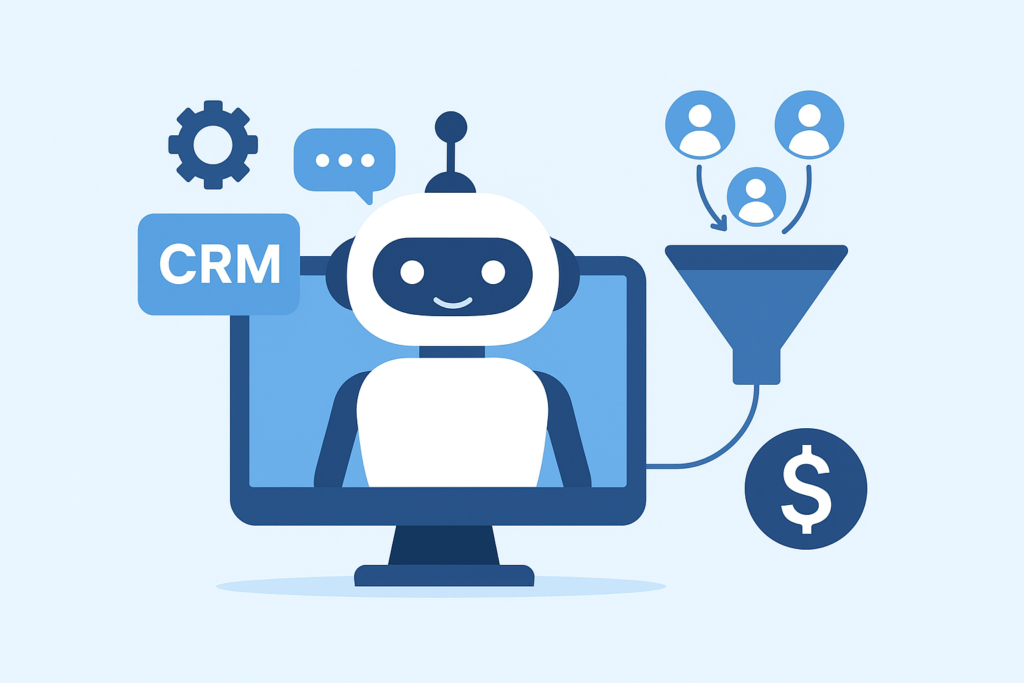
Integration is one of the most powerful aspects of a Get More Leads Chatbot. Without integration, your chatbot becomes a standalone tool with limited impact. When it connects to your CRM and sales pipeline, it becomes a complete lead-generation machine.
The first integration step is connecting your chatbot to your CRM platform—such as HubSpot, Zoho, Salesforce, or ActiveCampaign. Once integrated, all leads captured by the chatbot are automatically recorded along with their details and segmentation.
This eliminates manual data entry and ensures no lead is lost.
The next step is triggering automated workflows. For example:
- When a user submits their details, an automated welcome email is sent.
- A sales representative gets notified of hot leads.
- Cold leads get added to a nurturing sequence.
Integrating your chatbot with calendar booking systems like Calendly helps users book appointments instantly. This saves significant time for both customers and teams.
Lastly, analytics integration allows you to track performance metrics such as open rates, conversion rates, and engagement patterns. This helps refine your chatbot strategy and improve lead quality.
Chatbots for B2B vs. B2C Lead Generation
Both B2B and B2C businesses benefit from chatbots, but their approaches differ.
For B2B, chatbots focus on collecting detailed information such as company size, project goals, budget, and timeline. The chatbot helps streamline qualification and routes leads to the appropriate departments.
For B2C, chatbots focus on speed, product recommendations, discounts, order tracking, and checkout assistance.
In both cases, the chatbot acts as a real-time assistant that boosts conversions and improves customer experience.
Common Mistakes to Avoid When Using Lead Chatbots
Mistake 1: Asking too many questions at once
Long conversational flows overwhelm users.
Mistake 2: No personalization
Generic messaging leads to low engagement.
Mistake 3: Lack of integrations
Without CRM integration, lead follow-up becomes weak.
Mistake 4: Poor conversation design
Confusing scripts lead to high drop-offs.
Mistake 5: Not updating chatbot flows
Outdated scripts reduce effectiveness.
Avoiding these mistakes ensures your chatbot performs at its highest potential.
Frequently Asked Questions
Q1: Do chatbots really convert leads?
Yes. Chatbots increase conversions by offering instant assistance and personalized recommendations.
Q2: Are chatbots expensive?
Not necessarily. Prices vary, but even affordable chatbots deliver excellent ROI.
Q3: Can chatbots replace human sales teams?
No. They support teams by handling initial engagement and qualification.
Q4: Do I need coding knowledge?
No. Most chatbot platforms offer drag-and-drop builders.
Q5: Can chatbots work on all websites?
Yes. AI chatbots integrate with nearly all CMS platforms.
Conclusion
A Get More Leads Chatbot is one of the most powerful tools businesses can adopt today. From capturing leads to qualifying them automatically, chatbots offer an unmatched combination of speed, automation, and efficiency. Whether your business is B2B or B2C, adopting a lead-generation chatbot will immediately boost conversions, reduce operation costs, and improve customer satisfaction.
As digital competition increases, businesses that rely on automation gain a strong advantage. Chatbots work 24/7, deliver personalized experiences, and ensure every potential customer receives attention at the right moment.
If you want to transform your lead generation strategy, enhance automation, and drive more sales consistently, using a chatbot solution like chattbotz is the smartest move you can make today.